REVIEW · AMSTERDAM
Amsterdam: Guided Red Light District and City Walking Tour
Book on Viator →Operated by Trigger Tours · Bookable on Viator
Amsterdam has layers, and this walk reads them. This Red Light District guided route gives you street-level context—why this neighborhood exists, how it changed, and how Amsterdam’s older buildings still shape what you see today. I especially like that it ties the famous sights to specific landmarks, so you’re not just walking past neon and people.
Two things I really liked: first, the chance to learn from working guides, including names like Ben, Max, Angel, Pedro, and Ari showing up in past tour experiences. Second, the pacing works well for a compact 2-hour window, with stops that go beyond the obvious and help you understand the area instead of staring at it.
One drawback to consider: it’s a walking tour and it’s not recommended for limited mobility, so if mobility is a challenge, this may not be the best match. Also, the subject matter is adult-focused, so it helps to be comfortable with that tone before you go.
In This Review
- Key highlights worth knowing before you go
- Price, time, and group size: what about $35 buys you
- Geldersekade start point to city streets: how the tour gets you oriented
- Dam and Amsterdam’s wooden-pole foundations: the city under your feet
- Old Town context in the Red Light District: history plus the current situation
- Pub The Ape and the brick-faced rule: when Amsterdam rebuilt after fire
- Waag (the old city gate) and guilds: the defensive wall era
- The smallest house and the VOC story: commerce in miniature
- Condomerie stop: a modern storefront with a long neighborhood reputation
- What the best guides do well (names you may hear)
- When to go and how to enjoy the route without rushing
- Who this tour fits best (and who should skip it)
- Should you book this Amsterdam Red Light District walking tour?
- FAQ
- How long is the Amsterdam guided Red Light District and city walking tour?
- How much does the tour cost?
- Is the tour offered in English?
- Where do I meet the guide?
- Is food included?
- What’s included in the tour price?
- How big is the group?
- Is there an admission ticket fee for stops?
- Are service animals allowed?
- Is this tour recommended for limited mobility?
- Is cancellation free if my plans change?
Key highlights worth knowing before you go
- Small group (max 15): easier questions and less crowd pressure on tight streets
- English-guided and licensed/local format: you get city storytelling plus local grounding
- Architecture stops you can point to: Dam foundation piles, Waag, and historic houses
- Red Light District context, not just gawking: history and the current situation get explained
- Adult-industry modern stop: Condomerie adds a contemporary lens in the same area
- Multiple start times: later departures can line up nicely with bridge lighting
Price, time, and group size: what about $35 buys you
At about $35.44 per person for an ~2-hour walk, you’re paying for interpretation more than attractions. This is the kind of tour where the guide turns scattered landmarks into a connected story—Dam, old-town corners, and Red Light District streets—without asking you to buy extra entry tickets (the listing notes an admission ticket free format).
The group size matters here. With a maximum of 15 people, you can actually hear the guide and ask questions, which is a big deal in a neighborhood where the sidewalk can feel busy and narrow.
Also, the tour uses a mobile ticket, and it runs in English with multiple start times. That flexibility helps if you want to fit Amsterdam’s walkable center into a tight schedule.
You can also read our reviews of more walking tours in Amsterdam



Geldersekade start point to city streets: how the tour gets you oriented
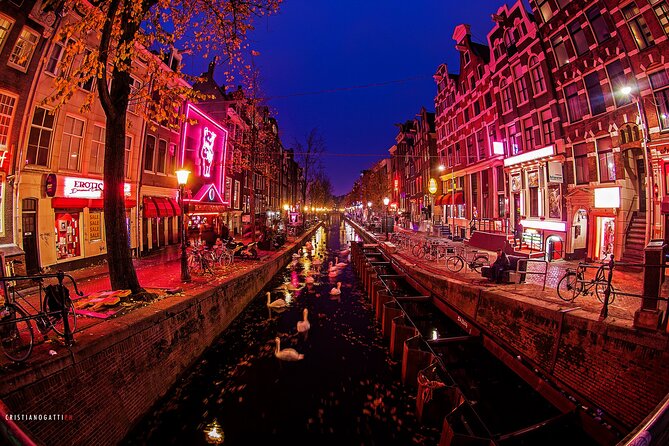
The meeting point is Geldersekade 2, 1012 BH Amsterdam. Expect to regroup there at the end as well, which keeps the day simple when you’re hopping between areas.
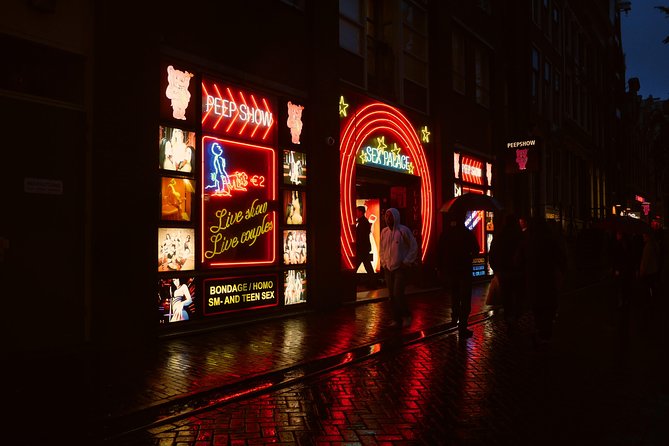
Right away, the tone sets expectations: you’re walking through narrow streets and seeing the sights the Red Light District is known for, but you’re also getting the “how did we get here” framing. That helps you look around with intent—where you’re standing, what the neighborhood used to be, and why certain landmarks matter.
You’ll likely find the guide stops at just enough places to anchor the story. The aim is not a museum sprint. It’s more like turning a city stroll into a guided map you can carry with you afterward.
Dam and Amsterdam’s wooden-pole foundations: the city under your feet
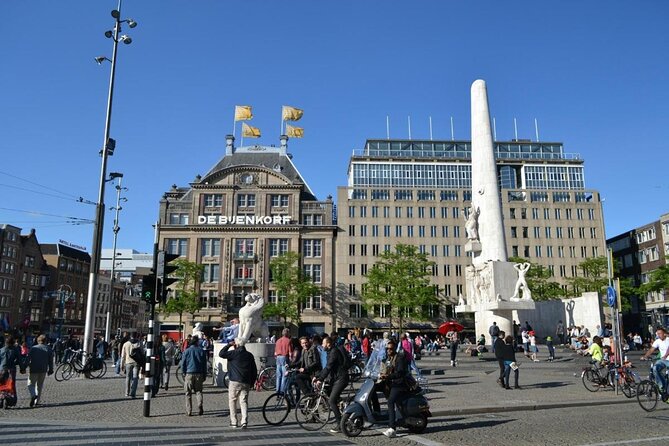
One of the most interesting stops is the Dam area, explained through the lens of Amsterdam’s unusual ground. The city sits on fen and clay, and many buildings are supported by wooden poles driven down until they reach stable sand—about 11 meters into the sandy layer below.
This is a smart lesson because it changes how you think about Amsterdam’s architecture. You start noticing that the buildings aren’t just pretty canal-era props; they’re engineered solutions to a watery, unstable environment.
It also gives you something useful in the moment: when you’re standing in older parts of the city, you’re seeing structures that had to be built carefully from the start. That adds weight to the rest of the tour, since the walk keeps circling back to old-town survival and transformation.
Old Town context in the Red Light District: history plus the current situation
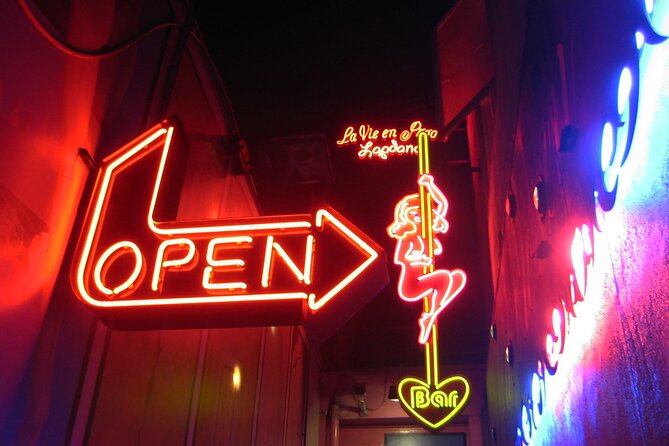
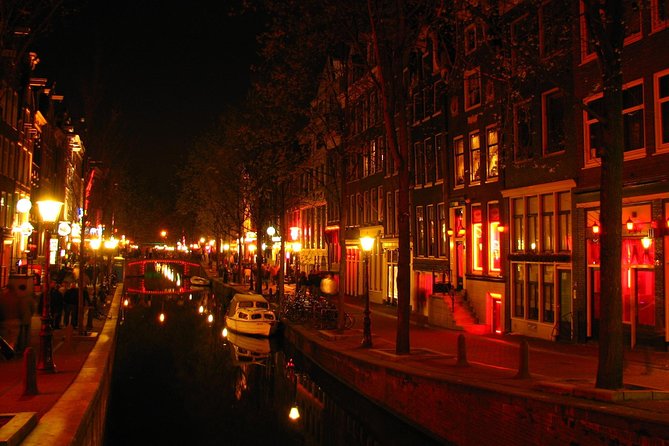
The tour specifically places part of the walk in the Red Light District’s Old Town area, which is important because it tells you this isn’t just a modern entertainment zone. You’re walking through older streets where history stacks on top of history.
The guide focus is on both the history and the current situation of the district. That balance helps you avoid two extremes: either treating it like pure scandal, or treating it like nothing but commerce. One part you’ll likely notice is how the area functions alongside the rest of the city—street life, passing foot traffic, and the way the neighborhood has become iconic even as it keeps changing.
You may also hear how the industry’s beginnings connected to merchants and shipmates coming into port. In other words, this neighborhood didn’t appear in a vacuum. Trade and travel routes helped shape what Amsterdam needed and what it offered.
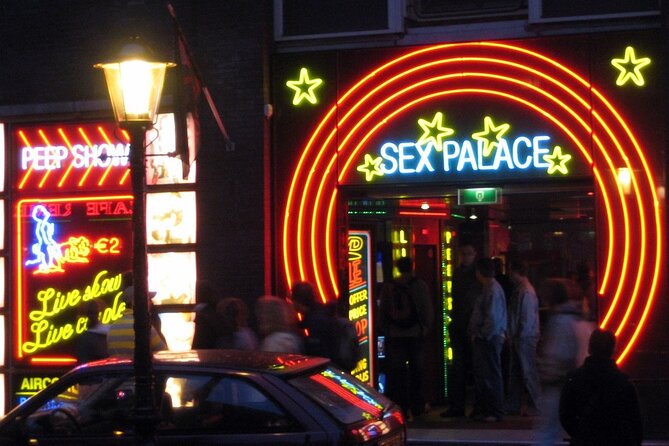
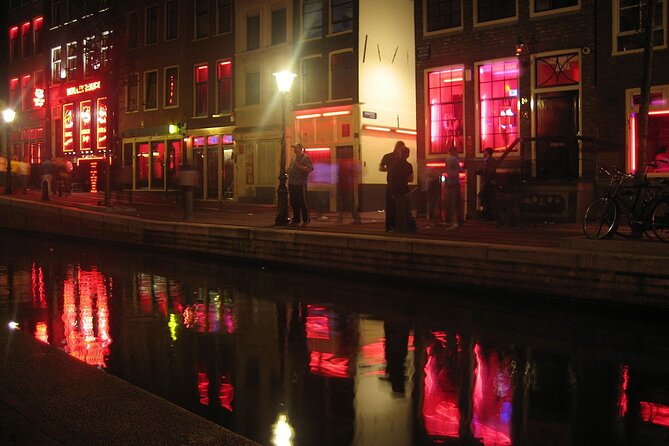
And yes, you’ll see the windows and the street energy. But the guide’s goal is to give you context so you can read what you’re seeing without turning the whole tour into a staring contest.
Pub The Ape and the brick-faced rule: when Amsterdam rebuilt after fire
If you like architecture stories, this section is a highlight. You’ll stop at Pub The Ape, known in Dutch as Int Aepjen. It’s described as built around 1540, and it’s noted as one of the remaining wooden buildings in Amsterdam—especially remarkable because a major fire in 1452 led authorities to push for brick facades afterward.
That detail is the kind of thing you miss if you’re just wandering. Here, you learn why a place can feel “old” even when the city around it evolved. You’re not only hearing dates; you’re learning how policy and disasters changed building choices.
It also adds a human scale. Sitting with a landmark like this in mind makes the Red Light District feel less like a single-purpose neighborhood and more like part of a city that has always had rules, workarounds, and survival instincts.
You can also read our reviews of more guided tours in Amsterdam





Waag (the old city gate) and guilds: the defensive wall era
Next, you’ll reach the Waag, which used to be one of Amsterdam’s city gates and a part of the defensive wall. It was built around the 1400s and is described as the second oldest building of Amsterdam.
Later, the Waag didn’t stay only as a defense structure. It became a hub for guilds and craftsman organizations—so the building moved from keeping people out to organizing people inside. That shift helps explain Amsterdam as a city of trade and regulation, not just waterways and houses.
When guides like Max or Pedro lead, this part tends to land well because it connects architecture to everyday city life. You’re basically being walked through how Amsterdam made and managed livelihoods.
Practical note: this area can be tight for photos because the street and building angles matter. If you’re trying to photograph, keep your phone accessible and don’t block the flow.
The smallest house and the VOC story: commerce in miniature
Another stop is the smallest house of Amsterdam, built around the 1700s. It started as storage for the VOC trading company, and later people lived there for a long time.
This is a great stop because it compresses a huge theme—global trade—into one physical object. You can stand there and understand how the city’s economic engine had to fit into cramped urban space. Amsterdam’s wealth didn’t always look spacious; sometimes it was built into tiny corners and reused over decades.
This section also pairs well with the earlier engineering lesson. Wooden foundations up to the city’s underlayer, defensive gates turned into guild spaces, then a miniature house that still carried trade importance. The walk becomes a sequence of “how did the city squeeze in what it needed.”
Condomerie stop: a modern storefront with a long neighborhood reputation
The tour ends up at the Condomerie, described as the world’s first condom shop dedicated to condoms, in place since 1987. It’s also mentioned as offering options like customized sizing and special condom types.
That stop might sound like tonal whiplash at first, but it works. It shows how the Red Light District isn’t frozen in the past—it keeps adapting. You’re watching the neighborhood’s commercial side evolve, while the surrounding street still carries old-town architecture and history.
You’re also getting a direct view of how adult services are marketed and packaged like any other retail business. With the guide’s explanation, it becomes less shocking and more understandable in the way a city always tries to meet demand.
What the best guides do well (names you may hear)
Guide quality is the make-or-break factor on a tour like this, and the track record is strong. Names that have come up include Ben (praised for humor and deep area history), Angel (easy to understand), Pedro (history-focused and engaging), and Max (humor, knowledge, credibility).
A few other names show up too, like Ari for being informative and personable, and Aaron and David for making the walking experience feel lively. Even when it’s raining, the tone seems aimed at keeping it moving and interesting, not awkward.
One caution from past experience: one report described a guide as rude and disrespectful and said it made the experience uncomfortable. If you’re booking with a group tour and you sense immediate bad vibes, it’s worth bringing it up right away with the provider so you can get a better fit.
When to go and how to enjoy the route without rushing
You can choose from multiple start times, which helps because light changes the feel of the walk. A later start has a nice side effect: you may get bridge and water lighting as evening comes on, which can make the city look extra cinematic even while you’re in a very specific neighborhood.
Bring a rain layer if there’s any chance of wet weather. One experience described the tour during rain as still engaging, but you’ll be more comfortable if you’re ready.
Since this is an adult-oriented area, I’d also come with your own comfort level set. If you’re easily embarrassed, you’ll want to mentally prep. If you can handle frank topics, the history-and-culture explanation becomes much easier to receive.
Finally, if you’re the type who likes asking questions, this group size is friendly. The guide can give you more than one-way facts, especially when the group stays attentive.
Who this tour fits best (and who should skip it)
This guided walk is best for you if you want more than a quick sight-seeing loop. If you like learning how cities work—architecture, trade, social rules, and how neighborhoods evolve—this tour gives you a structured route through the Red Light District and key old-town landmarks.
It also suits you if you’re doing Amsterdam for a short time. Two hours is enough to get grounded in the area without turning the day into an endurance test.
Skip it if you need accessibility support, since it’s not recommended for limited mobility. Also skip it if adult themes would genuinely throw off your comfort level.
Should you book this Amsterdam Red Light District walking tour?
If you want a focused introduction to the Red Light District that connects street sights to landmarks like Dam, Pub The Ape, Waag, the smallest house, and the Condomerie, this is a good value at around $35.44 for ~2 hours—especially with a small group cap.
I’d book it if you like guided context and you can handle adult-adjacent topics calmly. I’d think twice if mobility is an issue or if you’d be upset by frank neighborhood reality.
Done right, this kind of tour helps you leave Amsterdam with something better than photos: you get a clearer read on how the city’s old bones and modern life share the same streets.
FAQ
How long is the Amsterdam guided Red Light District and city walking tour?
It’s listed as approximately 2 hours.
How much does the tour cost?
The price is $35.44 per person.
Is the tour offered in English?
Yes, it’s offered in English.
Where do I meet the guide?
The meeting point is Geldersekade 2, 1012 BH Amsterdam, Netherlands.
Is food included?
No. Food and drinks are not included.
What’s included in the tour price?
It includes a licensed guide and a local guide.
How big is the group?
The tour has a maximum of 15 travelers.
Is there an admission ticket fee for stops?
The listing shows admission ticket free, meaning you should not need to buy separate entry tickets for the included stops.
Are service animals allowed?
Yes. Service animals are allowed.
Is this tour recommended for limited mobility?
It’s not recommended for travelers with limited mobility.
Is cancellation free if my plans change?
Yes. You can cancel for a full refund up to 24 hours in advance of the experience start time.