REVIEW · AMSTERDAM
Amsterdam: City walking experience with a local
Book on GetYourGuide →Operated by Guidance Travel · Bookable on GetYourGuide
Amsterdam has a way of teaching you.
This walking tour turns your first day into a story you can walk through, from the canals and UNESCO canal belt to the city’s modern attitudes. I like that you get both big sights and the small “why” behind them, like how Amsterdam’s open-minded vibe has roots that go way beyond a headline.
What I love most is the guide-led pace and the smart mix of themes: WWII impact, coffeeshop culture, prostitution in the broader city story, and even the mystery of why bikes seem to “disappear.” One thing to consider: it’s a focused walk (no Royal Palace visit), and it isn’t set up for kids under 12.
In This Review
- Key highlights to expect
- Why a 2-hour local walk changes how you see Amsterdam
- Value check: is $28 worth it?
- Meeting at Beursplein: the easiest way to get your bearings
- Dam Square and Royal Palace views: the city’s public stage
- Spui Square: a smart contrast between crowds and classrooms
- Begijnhof: quiet courtyards when the city gets loud
- Huis Aan De Drie Grachten: seeing architecture as a clue
- Nieuwmarkt Square to Centraal: trade routes, WWII impact, and modern Amsterdam
- The bikes and the city’s open conversations
- Stroopwafel break and the souvenir payoff
- How the guide really makes the difference
- Who this tour is best for
- Should you book this Amsterdam local walk?
- FAQ
- What’s the duration of the Amsterdam city walking experience?
- How much does the tour cost?
- Where do you meet the guide?
- What are the main stops on the route?
- Is the Royal Palace included inside the tour?
- What’s included in the price?
- Is the tour wheelchair accessible?
- What languages is the tour offered in?
- Is there a cancellation option?
Key highlights to expect
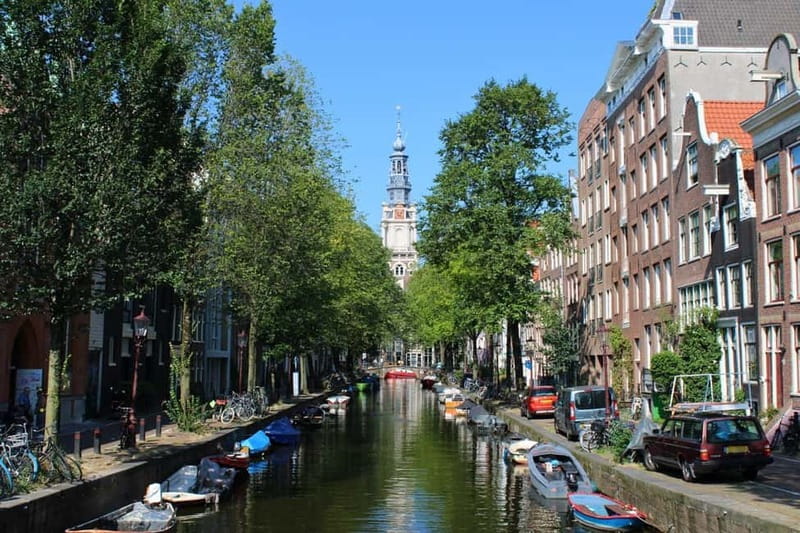
- Dam Square to Begijnhof: major landmarks plus calmer courtyards in one loop
- UNESCO canal belt stories: history tied to how the city works today
- Bikes and the “missing” bike phenomenon: practical city logic, not just fun facts
- 3 XXX themes explained: the topics Amsterdam discusses openly, with context
- Stroopwafel midway: a real Dutch snack break, not a random stop
- Small group feel: questions are encouraged, so you don’t just watch and move on
Why a 2-hour local walk changes how you see Amsterdam
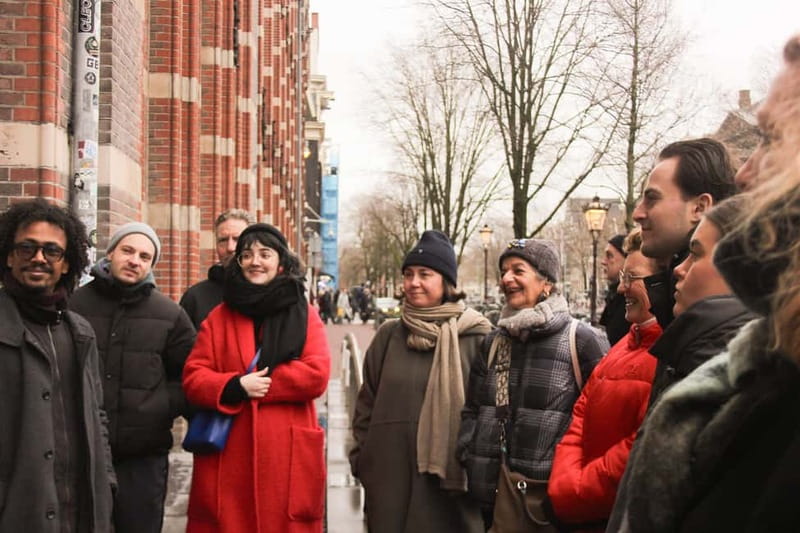
Amsterdam can feel like a postcard trap on day one. This tour is built to stop that. You start in a central square, then move through the kinds of places locals actually use—major public squares, quiet inner courtyards, and the canal-area streets where the city’s past keeps showing up.
You’ll also get a guide who talks history the way it affects daily life. Think: why the city grew the way it did, how WWII left marks, and how Amsterdam’s modern identity fits into that longer timeline. Even if you’ve read a few facts, you’ll still come away with the sense that Amsterdam isn’t random. It’s planned—then disrupted—then planned again.
You can also read our reviews of more walking tours in Amsterdam



Value check: is $28 worth it?
$28 for a 2-hour, small group walking tour sounds simple, but the value comes from what’s included and what’s avoided.
Included in the price:
- A local guide
- A Dutch snack (you’ll get a stroopwafel midway)
- A small souvenir at the end
That means you’re paying for interpretation, pacing, and local insider suggestions—not just for standing near buildings. And because it doesn’t require you to buy tickets for the Royal Palace (you only see it from the outside during sightseeing), you can keep your budget under control.
A practical drawback: if you want museum-level depth or paid interior access, this tour isn’t that. It’s built for context and orientation. If you want that, $28 is a fair deal. If you want entry tickets and long indoor stops, you’ll feel the limits.
Meeting at Beursplein: the easiest way to get your bearings
The tour starts at Beursplein, right by the bottom of the stairs of Bistro Berlage. Your guide waits by a large black lantern, holding a sign that says Guidance.
I like starting here for one reason: it’s central enough to feel connected, but it’s not the most tourist-clogged spot in town. That sets you up to walk into the bigger landmarks (Dam Square, Spui Square) with less stress.
Also, the tour’s format is designed for conversation. Based on past groups, the guide keeps everyone involved and encourages questions, which helps if your travel style is more curious than passive.
Dam Square and Royal Palace views: the city’s public stage
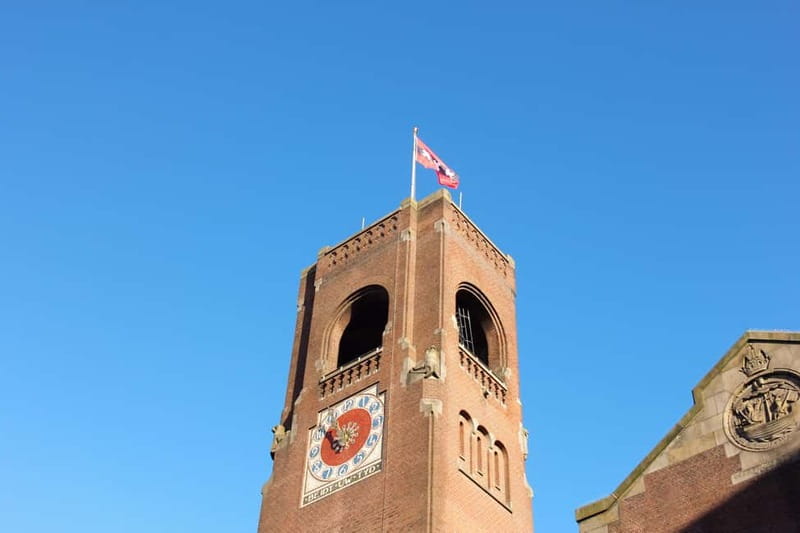
First big stop: Dam Square. You’ll see the energy of the square right away—Amsterdam at full public-facing volume.
This is where the Royal Palace comes into the story. You won’t go inside, but you’ll still understand why the building matters and how public spaces in Amsterdam carry power and identity. Even without a ticketed visit, you get the “why is this here?” explanation that makes the skyline make more sense.
A useful thing here: Dam Square is a great place for the guide to frame the tour themes—tolerance, history, and how the city evolved to meet modern needs. You’ll know what to look for as you move into calmer neighborhoods.
Spui Square: a smart contrast between crowds and classrooms
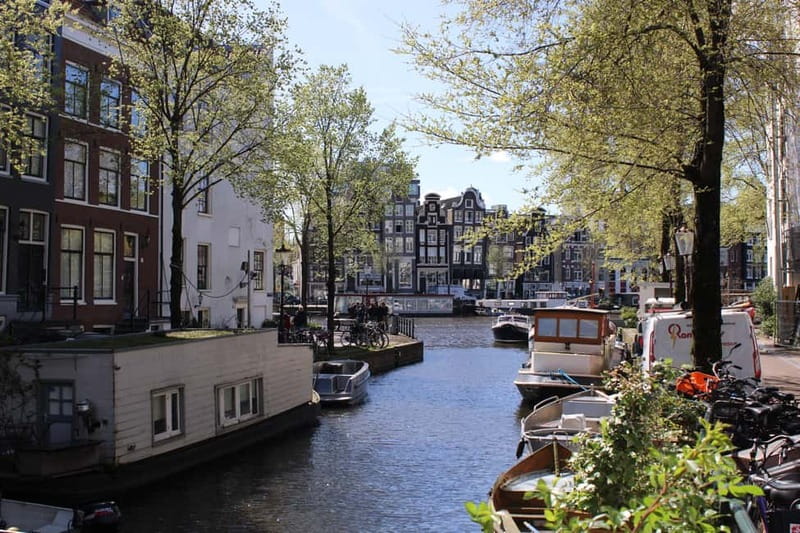
Next up is Spui Square. Compared with Dam Square, this stop tends to feel more “everyday Amsterdam”—a place where people move through the city with purpose, not just for photos.
This is a good spot for the guide to connect the city’s past with the present-day vibe. You’ll also get plenty of photo opportunities here without the same crush you can hit at the top tourist magnets.
If you’re the type who likes to understand a neighborhood by how people use it, Spui Square helps you do that fast.
You can also read our reviews of more city tours in Amsterdam






Begijnhof: quiet courtyards when the city gets loud
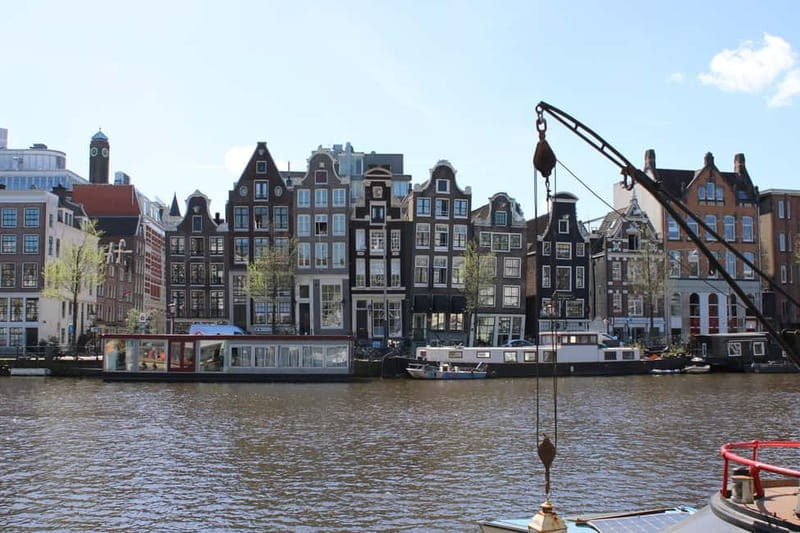
Then comes one of the most atmospheric stops on the route: Begijnhof.
This is your tempo reset. You step from busy streets into a calmer pocket that feels shielded by history. The tour uses places like this to show how Amsterdam’s story isn’t only written in grand buildings—it’s also built into everyday community spaces.
Practical note: you’ll want to bring your walking shoes because this is a real walking experience. But it’s also worth it because the change in atmosphere is immediate.
Huis Aan De Drie Grachten: seeing architecture as a clue
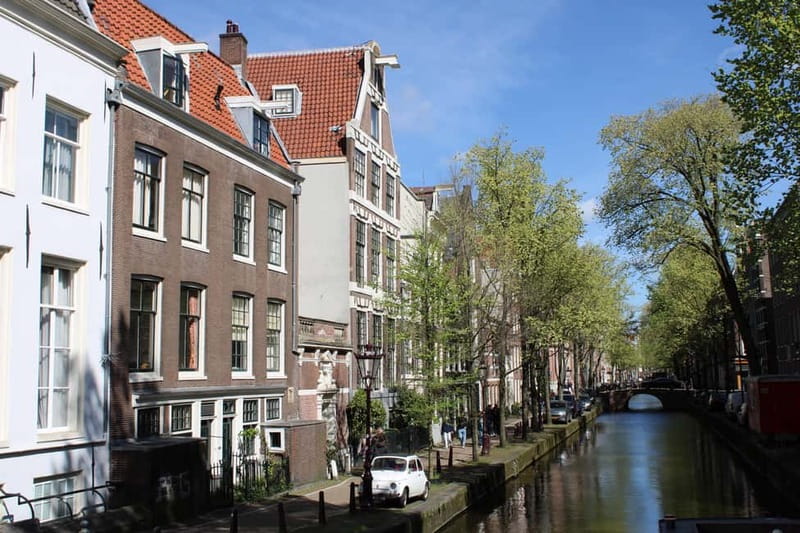
At Huis Aan De Drie Grachten, you get another way to read the city: through its buildings and the canals around them.
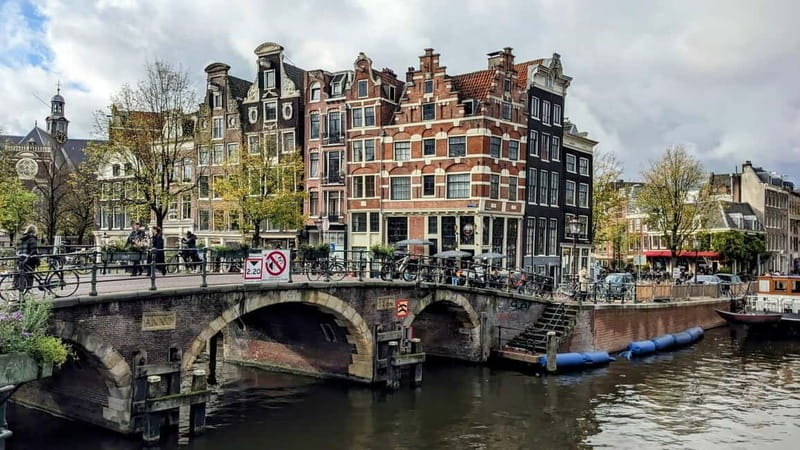
This stop ties nicely to the UNESCO canal belt theme. You’ll learn how the city’s canal-side layout and waterways shaped development, and why that matters even now. It’s the kind of explanation that makes you look at a façade and think, oh—this wasn’t just pretty. It had a job.
If you care about how cities “work,” this is the point where Amsterdam stops being just scenery and starts becoming a system.
Nieuwmarkt Square to Centraal: trade routes, WWII impact, and modern Amsterdam
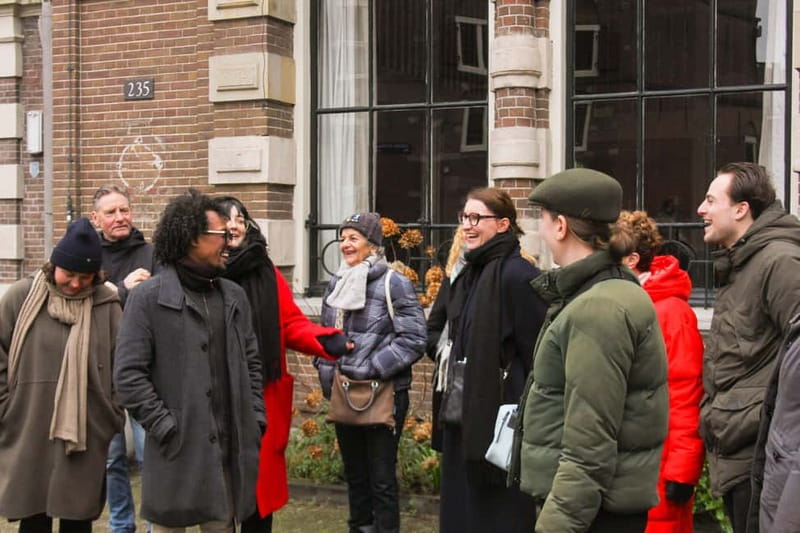
You finish the sightseeing run at Nieuwmarkt Square, then head toward Amsterdam Centraal Station before returning to Beursplein.
This part of the walk helps connect themes you heard earlier:
- Canal belt history isn’t just old paperwork—it connects to trade and city growth
- WWII impact shows up in the way the city changed and rebuilt
- Modern Amsterdam shows up in how people live, move, and socialize
It’s also where you’ll get a stronger sense of how the city balances multiple identities—historic pride, practical urban needs, and modern attitudes toward controversial topics.
You’ll also get context about Amsterdam as a hub for coffeeshops and prostitution, and how that intersects with the city’s reputation for tolerance. It’s not framed as scandal; it’s explained as part of the city’s evolution.
The bikes and the city’s open conversations
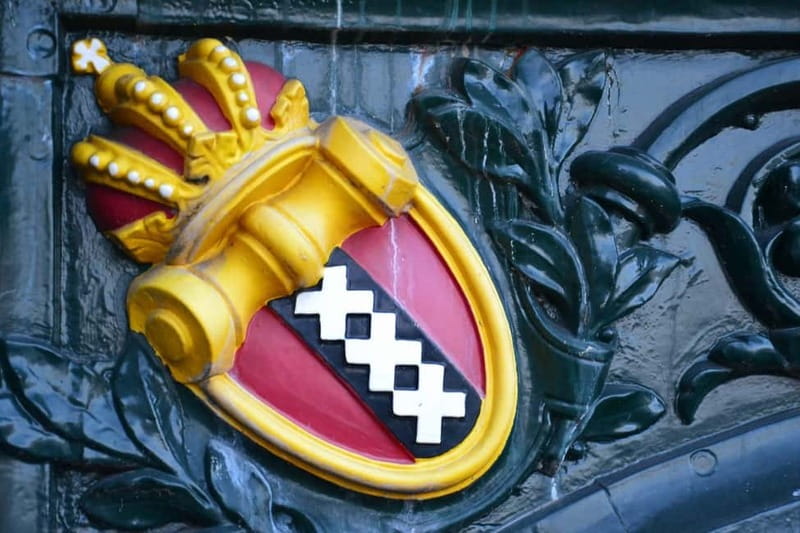
Amsterdam’s bikes are impossible to ignore, so this tour treats them like a story, not a joke. You’ll hear why there are so many, how the system works, and what happens to bikes that seem to “disappear.”
Then you’ll learn about the 3 XXX’s—Amsterdam’s famous openly discussed topics—through the lens of how the city thinks about modern life. If you’ve ever wondered why Amsterdam talks so plainly about things many places hide, this is where you start to understand the logic behind it.
And yes, the route includes time and context tied to the Red Light area as well. You don’t need shock value here. You’re getting history and how the city handles modern needs, explained by a local guide.
Stroopwafel break and the souvenir payoff
At some point midway, you’ll stop for a stroopwafel—the classic Dutch cookie that’s part caramel, part nostalgia, and absolutely part of the Amsterdam experience.
The best part is that it’s not treated like a gimmick. It’s timed so you get a reset without losing momentum. You’re already learning and walking; the snack helps your brain keep up.
At the end, you also receive a small souvenir. It’s simple, but it gives the tour a tangible finish line.
How the guide really makes the difference
This experience lives or dies on the guide. The strongest pattern from past groups is that guides like Manouk combine friendliness with sharp city knowledge, plus real engagement.
In plain terms: you don’t just get facts read at you. You get conversation. People in groups of 6 have been kept involved, questions are welcomed, and the guide also shares practical suggestions beyond the tour—like where to find coffee, plus ideas for restaurants, bookshops, and museums.
If you enjoy tours where you can ask, then this one fits your style.
Who this tour is best for
This works best if:
- You want a first-day orientation that goes beyond “look at that building”
- You like history tied to modern life
- You enjoy walking and want to cover a smart loop through central Amsterdam
- You’re curious about bikes, canals, and the city’s famously frank identity
It’s not a great match if:
- You want ticketed interior access (Royal Palace isn’t visited)
- You’re traveling with kids under 12 (it’s not suitable)
- You want an alcohol-focused social tour (alcohol and drugs are not allowed)
Good news: it’s wheelchair accessible, and there’s also a private group option if you want a quieter, more tailored version of the same route.
Should you book this Amsterdam local walk?
I’d book it if you want your time in Amsterdam to feel grounded. This is the kind of tour that helps you understand what you’re seeing—canals, squares, courtyards, stations, and neighborhoods—and why the city became the Amsterdam people come for.
Skip it only if you’re mainly after museum tickets or a long inside visit schedule. Otherwise, this gives you a strong base to explore on your own afterward, because you’ll recognize the city’s logic as you wander.
FAQ
What’s the duration of the Amsterdam city walking experience?
The tour lasts 2 hours.
How much does the tour cost?
The price is $28 per person.
Where do you meet the guide?
You meet at Beursplein. Wait at the bottom of the stairs of Bistro Berlage, by the large black lantern, where the guide holds a sign that says Guidance.
What are the main stops on the route?
Stops include Dam Square, Spui Square, Begijnhof, Huis Aan De Drie Grachten, Nieuwmarkt Square, and Amsterdam Centraal Station, ending back at Beursplein.
Is the Royal Palace included inside the tour?
No. You’ll see it as part of sightseeing, but you won’t visit the palace. Entrance tickets are not included.
What’s included in the price?
Included are a local guide, a Dutch snack (including stroopwafel during the tour), and a small souvenir.
Is the tour wheelchair accessible?
Yes, it’s listed as wheelchair accessible.
What languages is the tour offered in?
The live guide speaks English and Dutch.
Is there a cancellation option?
Yes. Free cancellation is available up to 24 hours in advance for a full refund.