REVIEW · AMSTERDAM
Amsterdam: Guided City Bike Tour in French
Book on GetYourGuide →Operated by Amsterdam Velo - Tours en Francais · Bookable on GetYourGuide
Cycling Amsterdam is the fast lane to understanding it. In a French-guided ride, you glide through the canal center and major neighborhoods with enough story breaks to make sense of what you’re seeing.
I especially like how the route mixes iconic spots with calmer streets, so you don’t just tick off postcards. You also get the kind of context that helps you read Dutch architecture and city life as you pedal.
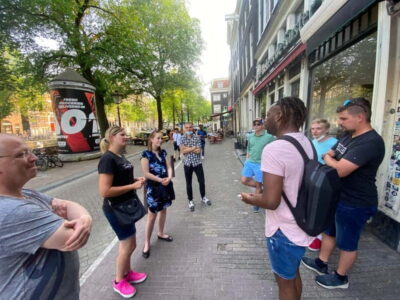
My second big win is the energy of the guide work. The group stays small (max 12 people per guide), and the stops are built for questions and photos—whether you’re near the Jordaan or near the Anne Frank area. A bonus: the guides (Pierre, Marcel, George, Marie, Paul—sometimes Ana in group write-ups) seem comfortable adjusting to the audience and keeping it lively.
One thing to weigh: this tour is French-only, so if you don’t follow much French, you’ll still enjoy the scenery, but you’ll miss a lot of the meaning. And you’ll be cycling through busy areas, so closed-toe shoes and comfort on a bike matter.
In This Review
- Key highlights worth showing up for
- Starting at IJdok 47: the easiest way to get your bearings
- Western Islands and De Negen Straatjes: Amsterdam’s “small streets” lesson
- Grachtengordel canal belt and Magere Brug: where the city’s wealth shows
- Along the Amstel and into the Jordaan: stories in motion
- Anne Frank House area and Westerkerk: famous places, guided meaning
- Jewish Quarter, Entrepotdok, and Plantage: Amsterdam beyond the postcards
- Vondelpark and Museumkwartier break: a pause that keeps momentum
- What makes the guides matter (and which ones you might meet)
- Bike setup, comfort, and practical rules you should know
- Value check: is $41 worth it for a 2.5-hour French bike tour?
- Who this tour is best for
- Should you book Amsterdam: Guided City Bike Tour in French?
- FAQ
- How long is the Amsterdam guided city bike tour?
- What does the tour cost?
- What language is the guide?
- Where do I meet for the tour?
- What’s included with the ticket?
- Are baby seats available for kids?
- What should I bring?
- Is alcohol allowed during the tour?
- Can I leave luggage during the tour?
Key highlights worth showing up for
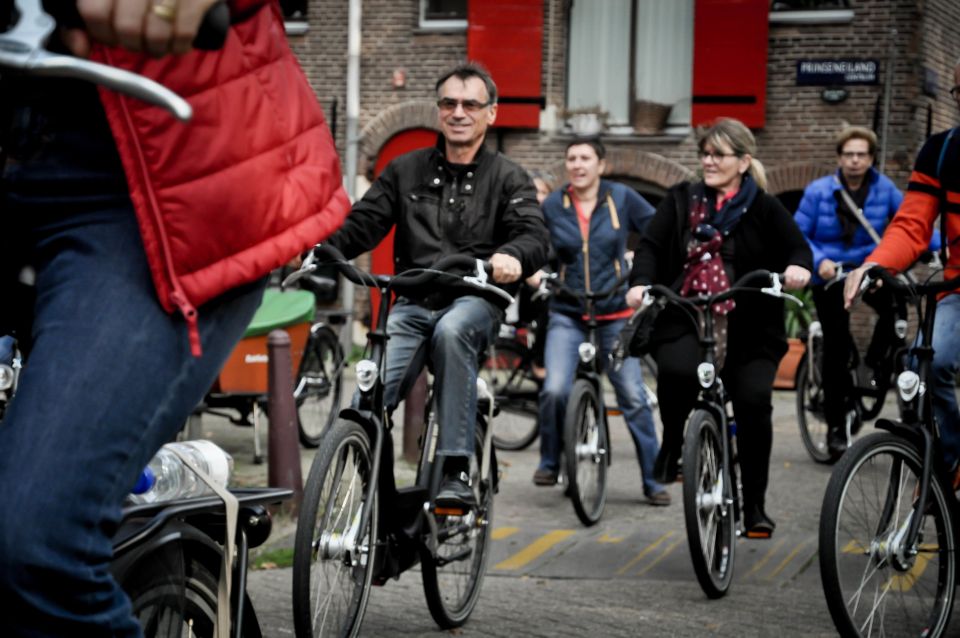
- A canal-and-neighborhood route in 2.5 hours: fast, efficient, and designed to make Amsterdam feel navigable.
- Small groups of up to 12: you get actual interaction instead of being swept along.
- Short, camera-friendly story stops: multiple moments to pause and snap photos without falling behind.
- Jordaan + De Negen Straatjes mix: you’ll see the pretty street texture, not just one famous view.
- Vondelpark and the museum area: city life + culture, without spending your whole day in lines.
- Local restaurant and walking recommendations after: helpful next steps once you’re off the bike.
Starting at IJdok 47: the easiest way to get your bearings
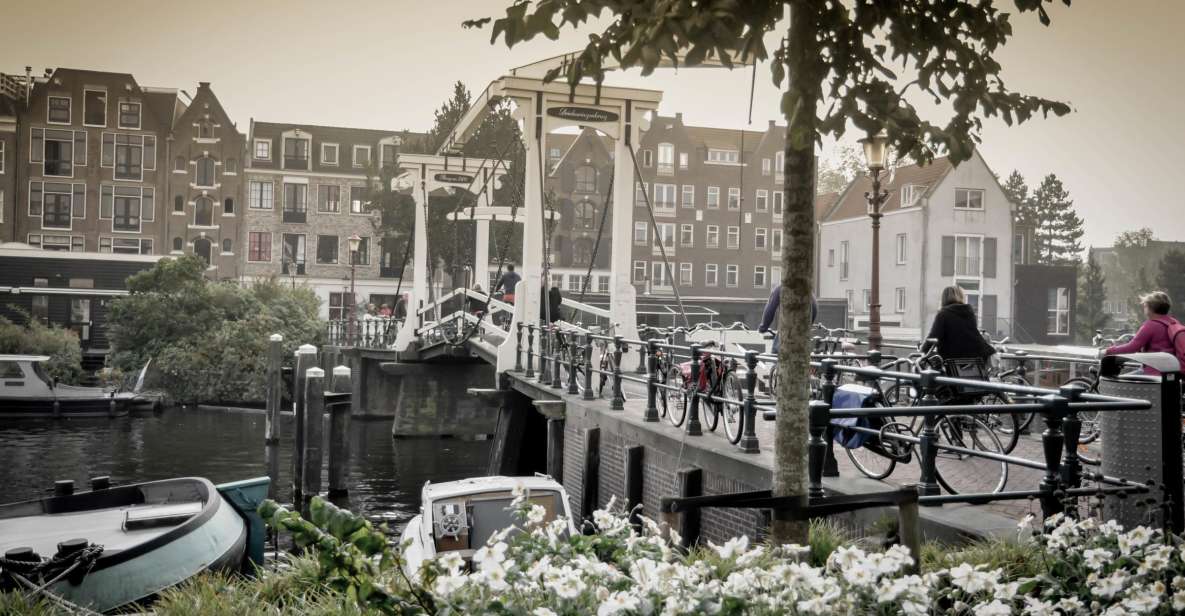
The tour kicks off at IJdok 47, with check-in at the Amsterdam Vélo office. That matters more than you’d think. Amsterdam can feel like a puzzle of canals, bridges, and one-way streets, and the early minutes set the tone: you learn the route style and what the guide expects from you as you ride.
You’ll be on a bike with hand brakes and no foot brakes, so your shoes need to be properly secure and your footing needs to be comfortable. If you’ve ever hopped on a rental bike that felt vague, you’ll appreciate knowing you’re on a real tour setup with brakes you control with your hands.
This is a practical tour in the best way. It’s not about racing around. It’s about moving enough to cover real ground—without exhausting you before the best viewpoints.
You can also read our reviews of more cycling tours in Amsterdam
Western Islands and De Negen Straatjes: Amsterdam’s “small streets” lesson
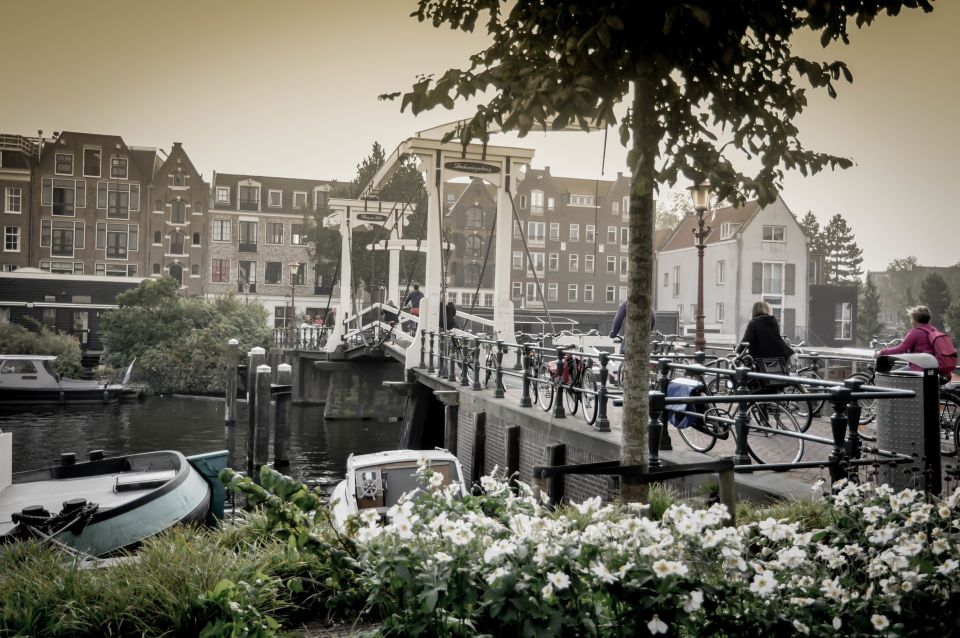
After starting, you head toward the Western Islands area for an early guided chunk. This is a good warm-up. You get into the rhythm of cycling, and the guide starts threading together what makes Amsterdam different: how water, bridges, and building patterns shape daily life.
Then you hit De Negen Straatjes (the Nine Streets), a neighborhood known for its narrow lanes and charming storefront energy. Even if you’re not shopping, this stop teaches you to look. The guide’s stories help you connect street form to the way Amsterdam grew and how neighborhoods feel lived-in instead of museum-like.
If you like to understand a place visually, you’ll love this part. It’s where you begin to spot the details—brickwork, window rhythms, and the little architectural clues that add up to a city personality.
Grachtengordel canal belt and Magere Brug: where the city’s wealth shows
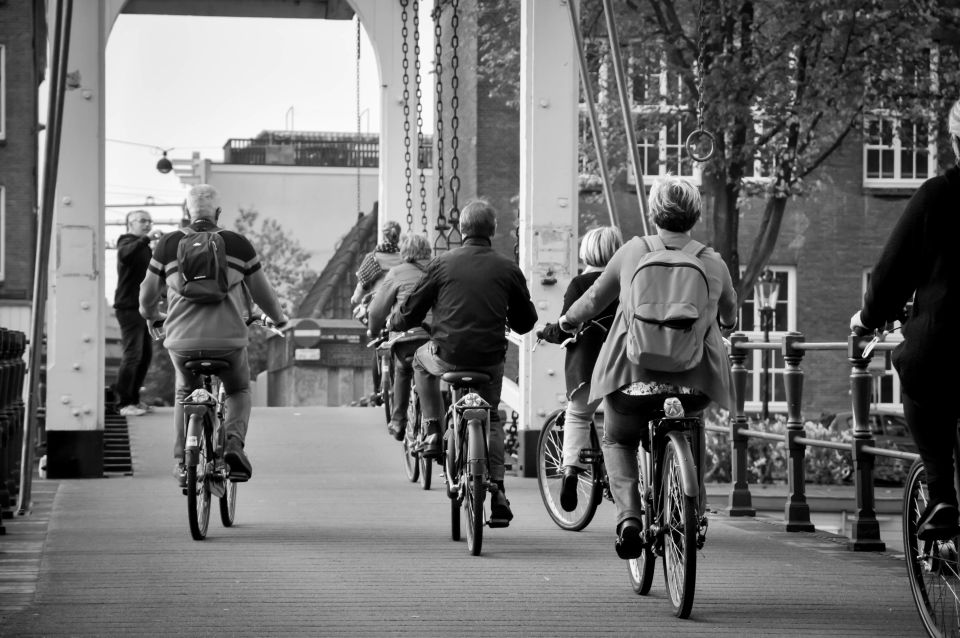
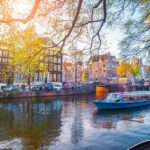
Next comes the Grachtengordel (the canal belt) with a longer guided stop built for explanation. This is one of the tour’s core themes: the Dutch Golden Age and how that wealth shaped the city’s streets and waterways.
You’ll also cycle toward Magere Brug. It’s a classic bridge moment, but what makes it work on this tour is the context. The guide doesn’t just point at the view. You get a sense of how canals functioned as transport, status, and an organizing framework for the city.
Photo time matters here. The stops are structured so you can capture the canal lines without sprinting after the group. If you’re the kind of person who always means to take photos and never does, this tour fixes that problem.
Along the Amstel and into the Jordaan: stories in motion
You’ll then move along the Amstel, another “look and learn” stretch. The guide’s job is to give you a mental map: which parts feel open and which feel tucked away, and why the city looks the way it does.
Then comes the heart of the Amsterdam vibe for many first-timers: the Jordaan. You’ll get a photo stop and sightseeing as you pedal through, so it’s not just a quick pass. This is where Amsterdam feels like a neighborhood you could actually wander in later.
The Jordaan stop also acts like a reset. After canal belt architecture and famous bridge scenery, you get a more human scale: streets, canal edges, and everyday life woven into the ride.
Anne Frank House area and Westerkerk: famous places, guided meaning
You’ll reach the Anne Frank House area for a guided stop. You’ll want to be mentally ready for the fact that this is a highly visited and emotionally charged landmark. The tour’s value isn’t in trying to do everything at once—it’s in giving you historical and architectural context in a short, respectful way.
Nearby, you’ll also pass Westerkerk with a short guided look. The timing here is intentional. The guide uses these stops to connect the city’s landmark architecture to the broader story of Amsterdam’s past.
If you want to understand why these sites matter—beyond just what they look like—this part delivers. It’s short, but it gives you language for what you’re seeing.
You can also read our reviews of more guided tours in Amsterdam




Jewish Quarter, Entrepotdok, and Plantage: Amsterdam beyond the postcards
After the landmark area, the ride continues into the Jewish Quarter with guided commentary. This is one of those times when a bike tour is especially useful. You’re not stuck staring at one spot—you’re seeing how different areas relate to each other in space.
Then you cycle through Entrepotdok, followed by Plantage. These stops broaden the tour from “center highlights” into a wider slice of city life. The guide frames how culture and lifestyle differ across parts of Amsterdam, not just what buildings look like.
You’ll likely notice the difference in atmosphere as the route shifts. That’s the real benefit of including these neighborhoods: you start to feel the city as a set of living areas, not just a series of attractions.
Vondelpark and Museumkwartier break: a pause that keeps momentum
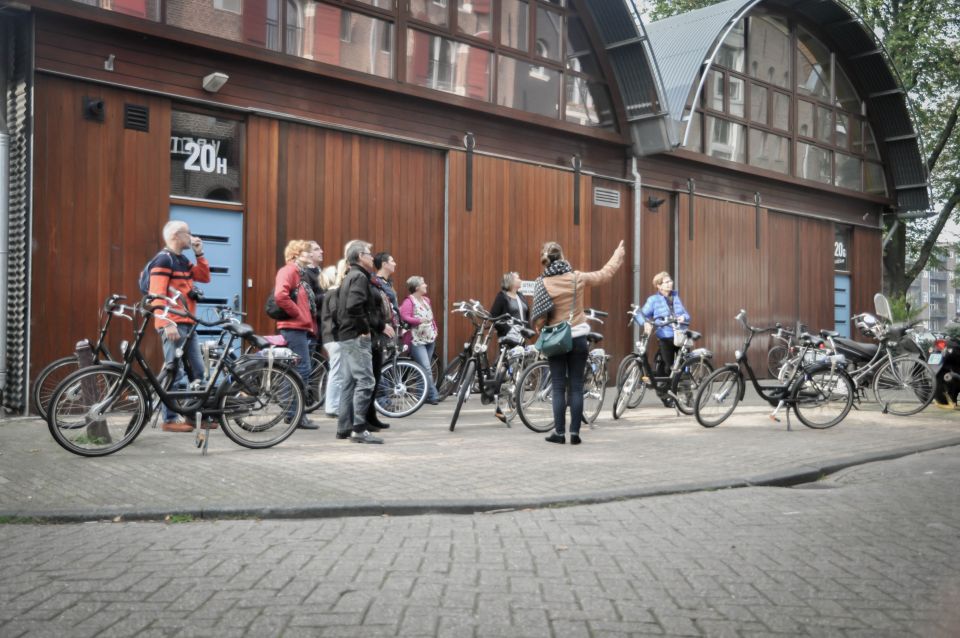
Once you reach Vondelpark, you get a guided look at one of Amsterdam’s most famous green spaces. The park stop is about more than photos. It helps you understand how locals mix recreation with city structure—how the built environment makes room for breathing space.
Then the tour moves into the Museumkwartier area, which includes a break time plus sightseeing and guided points. This is smart. Two and a half hours goes fast, and having a built-in pause helps you catch your breath, regroup your photos, and ask questions without feeling rushed.
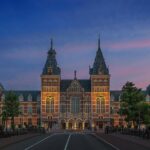
You’ll cycle past the Rijksmuseum area with a short guided moment, then continue toward Van Gogh Museum with another guided look. These museum stops are brief, which suits the bike-touring format. The goal isn’t to replace a museum visit—it’s to help you understand the cultural “gravity” of this part of town and what you might want to do later if you’re planning a deeper dive.
What makes the guides matter (and which ones you might meet)
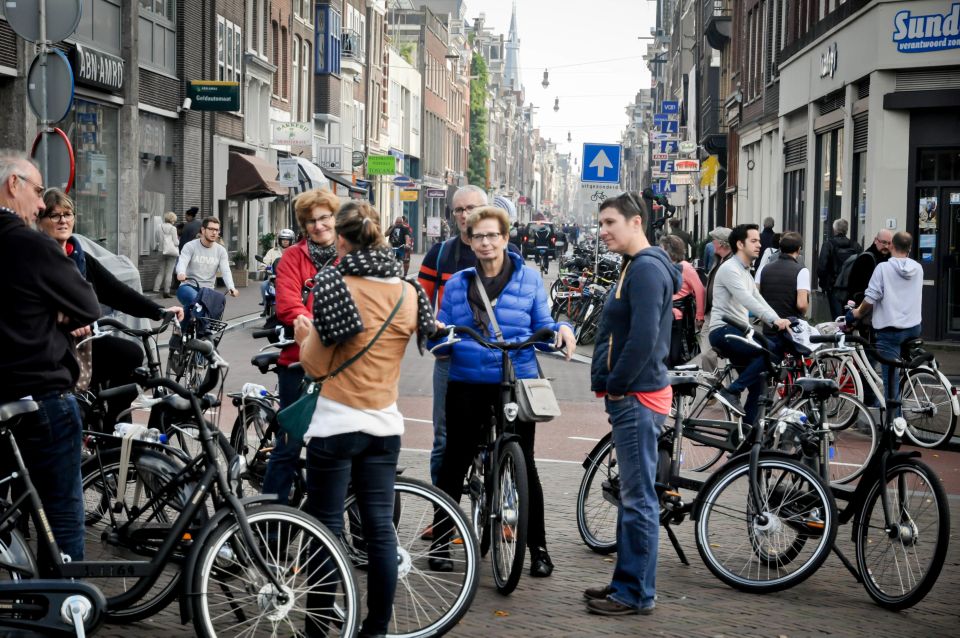
This is a French-led tour, and you’ll feel it most in how the stories are timed. The guide stops throughout the ride to explain key locations and historical buildings, giving you breathing room to capture the sights with your camera.
The company lists French guides including Pierre, Marcel, George, Marie, and Paul, and group experiences have highlighted guides like Marcel for professionalism and history knowledge, plus Ana for adjusting to different audiences (including school groups). In plain terms: you’re not just getting route direction—you’re getting narration you can react to.
Also, the maximum group size of 12 per guide is a big deal. In a city like Amsterdam, smaller groups ride safer, move more smoothly, and make it easier to ask questions.
Bike setup, comfort, and practical rules you should know
Here’s what you need to plan around so the tour stays fun, not stressful:
- Closed-toe shoes are required. You’ll be using foot placement while stopping and riding.
- No alcohol and drugs. That’s a straightforward rule, and it helps the group experience stay relaxed.
- Baby seats are available if needed for small kids. All bike sizes are available from 8 years old.
- Luggage can be left during the tour if you don’t want to carry it around town.
- Bike with hand brakes and no foot brakes means you’ll rely on consistent hand braking. Wear comfy shoes and keep both hands ready on the bar area when moving through busy spots.
One more practical note: the tour isn’t suitable for people over 95 years. That’s not unusual for bike tours, but it’s worth respecting.
Value check: is $41 worth it for a 2.5-hour French bike tour?
At $41 per person for about 2.5 hours, you’re paying for three things in one package: a bike, a guide, and a route that covers multiple neighborhoods without you spending hours figuring out transportation.
The value is strongest if you’re the type of traveler who wants to:
- understand what you’re seeing (not just look at it),
- cover more ground than a walking tour would allow,
- and get local recommendations right after.
You also get that “plan your next steps” bonus. After the tour, you’ll receive recommendations for Dutch local restaurants, brown cafés, local bars, and neighborhoods to visit on foot, along with maps. For a first day in Amsterdam, that can be as valuable as the ride itself.
Who this tour is best for
This works especially well for:
- first-time Amsterdam visitors who want a guided framework fast,
- travelers who like canals, architecture, and neighborhood variety,
- people who want a small-group experience without feeling locked into a long schedule,
- anyone comfortable cycling for about 2.5 hours at a city pace.
If you’re primarily interested in spending hours inside museums or you prefer slow, quiet wandering with no biking involved, you might find you still need additional time on your own. Think of this as your orientation tool plus a taste of the places you’ll want to revisit.
Should you book Amsterdam: Guided City Bike Tour in French?
Book it if you want an efficient, story-driven way to understand Amsterdam center neighborhoods—Jordaan, canal areas, and the park and museum district—without getting lost or spending your whole day planning.
Skip it if you don’t follow French comfortably, or if biking through busy streets would make you anxious. In that case, you might be happier with a walking-based option or a self-guided canal focus.
If you do book, bring your best camera habit (this tour gives you built-in photo moments), wear closed-toe shoes, and go in ready to learn how Amsterdam’s buildings and waterways connect to daily life.
FAQ
How long is the Amsterdam guided city bike tour?
The tour lasts about 2.5 hours.
What does the tour cost?
The price is listed as $41 per person.
What language is the guide?
The tour is guided in French.
Where do I meet for the tour?
You check in at the Amsterdam Vélo office, with the starting point at IJdok 47.
What’s included with the ticket?
The tour includes the bike, the guide, and a baby seat if needed.
Are baby seats available for kids?
Yes. Baby seats are available if needed for small kids.
What should I bring?
You should bring closed-toe shoes.
Is alcohol allowed during the tour?
No, alcohol is not allowed.
Can I leave luggage during the tour?
Yes, there are possibilities to leave your luggage during the bike tour. Maps and local recommendations are provided after.