REVIEW · AMSTERDAM
Visit Amsterdam by Boat with a French Guide (french)
Book on GetYourGuide →Operated by Amsterdam Velo - Tours en Francais · Bookable on GetYourGuide
Amsterdam from water feels instantly right. This 1.5-hour cruise pairs a French-speaking local guide with Dutch aperitif and cheese on a small electric boat. You’ll also get a longer route than the usual big-boat loops.
I like the pace: you’re not rushed through the highlights, and the boat fits up to 25 people, so the guide can actually talk. I also like the stop-and-story format—things like the Jordaan and the Red Light District come with cultural context, not just postcard points. One possible drawback: the tour is in French, and the aperitif is not a full bar (no hard drinks).
Small electric boat = more canals the big boats can’t reach
French guide with real anecdotes, not only directions
Dutch aperitif with beer, wine, soft drinks, water, and cheese tasting
1.5 hours, about 30 minutes longer than regular canal tours
Worth it early in your trip for practical advice and next-day ideas
Family-friendly, with cheese-and-drinks included for kids (age-based pricing)
In This Review
- A small-boat canal cruise with French stories (and a proper aperitif)
- Meeting at Oosterdokskade: easy from Centraal Station
- The feel of the boat: quiet power and room to actually hear
- 1.5 hours that’s long enough to matter
- Jordaan: canals, neighborhoods, and what people mean when they say cozy
- De Negen Straatjes: small streets, big character
- Near Amsterdam Centraal Station: the city’s front door from water
- Anne Frank House area: what you see depends on time, but context matters
- Oude Kerk: where old Amsterdam energy lives
- Along the Amstel: the canal as a living route
- Red Light District: facts, culture, and what you should expect
- Westerkerk and Magere Brug: classic Amsterdam images with meaning
- Entrepotdok and the wrap-up: how the last stretch helps you plan
- Aperitif on board: Dutch cheese tasting is the real star
- Small canals, big contrast: why this route beats the mass tours
- If the Light Festival is on: expect a different visual route
- Who should book this cruise (and who might skip it)
- Price: is it worth $41?
- Practical advice before you go
- Should you book this Amsterdam by Boat with a French guide?
- FAQ
- What is the duration of the Amsterdam boat tour?
- Where does the tour start?
- How far is the meeting point from Amsterdam Centraal Station?
- What language is the guide?
- What’s included in the ticket price?
- Are hard drinks included?
- How big are the groups?
- Is the tour suitable for children?
- Are pets allowed on board?
- Can I book a private tour for a group?
A small-boat canal cruise with French stories (and a proper aperitif)
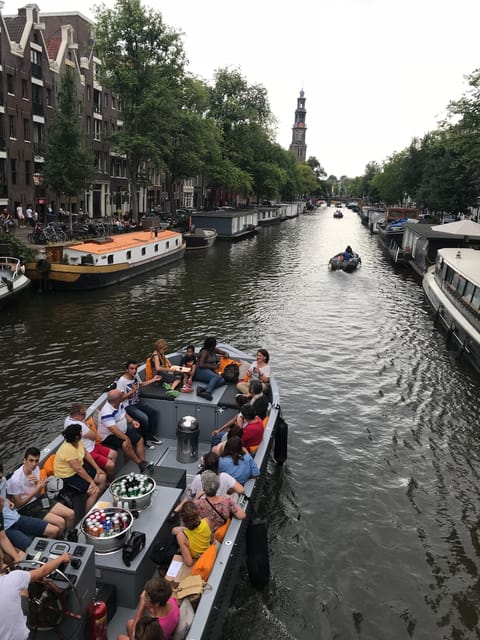
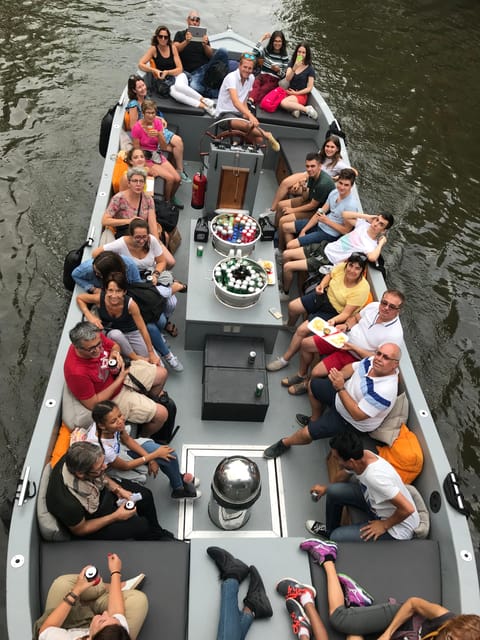
Amsterdam’s canals are gorgeous, but the usual boat tour can feel like a moving slideshow. This one slows down enough that you’re not just looking left and right—you’re listening. The boat is electric and small, capped at 25 people, which matters because it keeps the atmosphere friendly and gives your guide room to teach.
The other thing I really like is the aperitif setup. You’re not waiting until the end to enjoy local flavors. You get Dutch cheese tasting plus drinks right on the water, and it sets a relaxed tone. If you’re a France-speaking visitor, that language match matters too: your guide can explain nuance instead of sticking to short, generic facts.
Meeting at Oosterdokskade: easy from Centraal Station
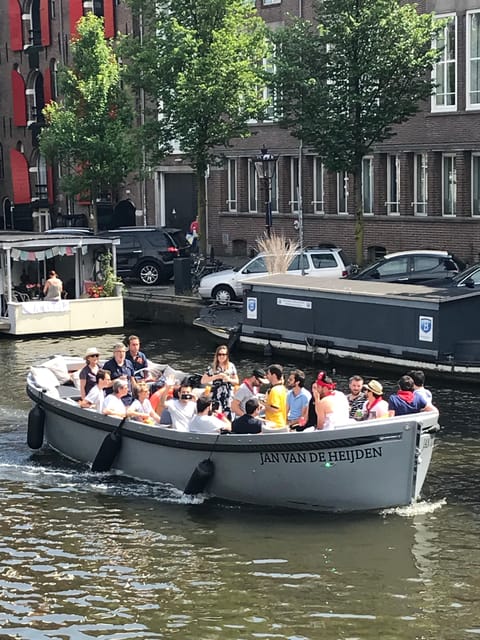
You start at Oosterdokskade 8, a pier located to the right of the floating restaurant Sea Palace (Chinese floating restaurant). The boat is opposite Oosterdokskade 7–8. If you’re coming from Amsterdam Centraal Station, expect about a 5-minute walk.
Your guide is there early—about 15 minutes before departure—so it’s worth arriving with time to find the correct pontoon and get settled before the group moves. This is especially helpful in the colder months, when you’ll be glad you’re not searching around the docks at the last second.
You can also read our reviews of more boat tours in Amsterdam
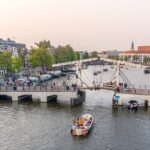
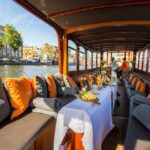
The feel of the boat: quiet power and room to actually hear
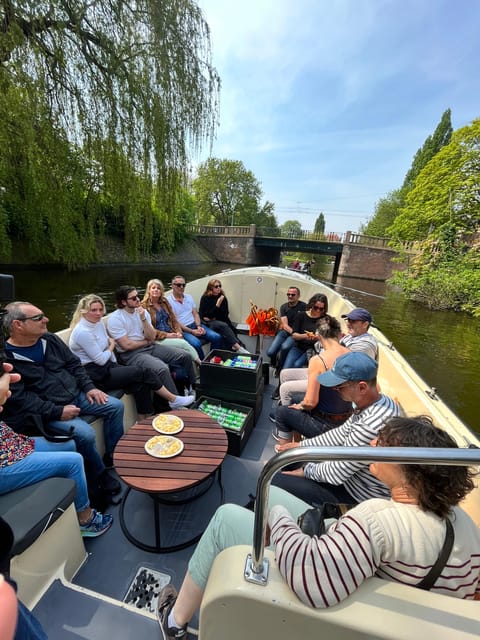
“Electric small boat” might sound like a marketing line, but it changes how the tour feels. You glide through the canal network with less noise than some larger vessels, and with a smaller group, you’re more likely to hear the guide clearly without craning your neck.
That size limit (min 10, max 25, with up to four boats running) also helps you avoid the crowded, conveyor-belt vibe. The payoff is that you can go into narrower canals where the main big tourist boats often can’t go. For me, that’s one of the most practical reasons to choose this format: you get a more authentic canal view.
1.5 hours that’s long enough to matter
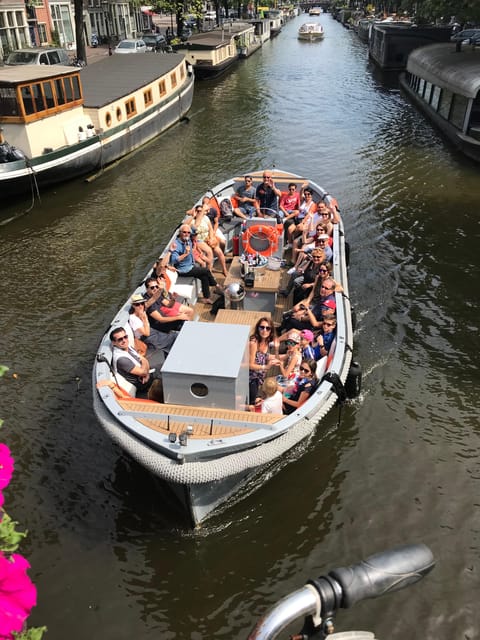
This trip is 1h30, and the extra time is not just padding. Typical canal cruises often feel like 45–60 minutes of highlights. Here, the guide has enough breathing room to connect the dots—so you understand why a place looks the way it does, and what locals think about it.
You’ll also notice the route avoids the “every stop, one minute, next” rhythm. Instead, the story time lands in the same places you’re seeing, which makes the architecture and canal life stick in your head after you get off.
Jordaan: canals, neighborhoods, and what people mean when they say cozy
The Jordaan is usually described as charming, but the real value of being there on a boat is how quickly you sense the neighborhood’s layout. From the water, you see the canal edges and bridges as part of the day-to-day fabric of the area.
On this cruise, your French guide uses the canal views to talk through how Amsterdam developed its neighborhoods and how culture settled around waterways. If you’re trying to learn the city fast, this is a smart early anchor. You’ll start noticing patterns that show up later around other docks and streets.
De Negen Straatjes: small streets, big character
Next up, the tour focuses on De Negen Straatjes (the Nine Little Streets). This area works best when you understand how compact it is and how that affects the vibe: small-scale shops, slow wandering, and street-level life.
You’re not getting a walking shopping spree here—you’re getting the overview from the canal—so this stop is ideal if you want to judge whether the neighborhood is for you. If you like the feel, it also gives you a target for later on foot after the boat ride.
You can also read our reviews of more guided tours in Amsterdam
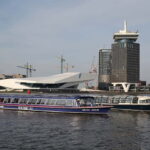

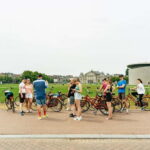
Near Amsterdam Centraal Station: the city’s front door from water
When you pass near Amsterdam Centraal Station, it’s a good moment to zoom out. Your guide can connect the station-area layout with the larger canal system, so you understand how transport and city life tie together.
This portion helps you build a mental map. Even if you don’t plan to revisit the station area that day, you’ll benefit from knowing where major routes sit relative to the canals you’re seeing.
Anne Frank House area: what you see depends on time, but context matters
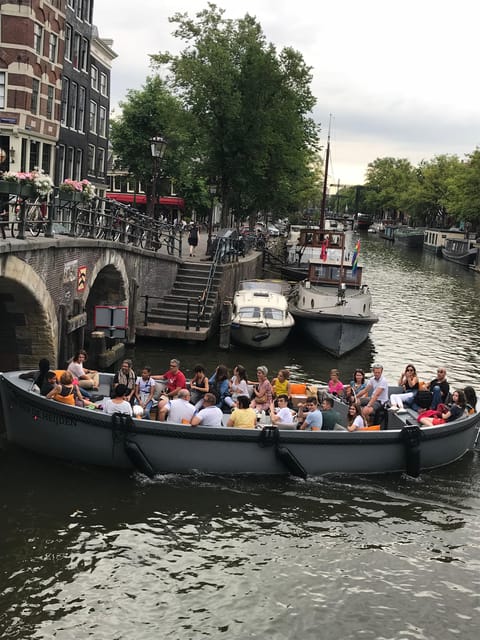
You’ll also pass by the area associated with the Anne Frank House. Since the tour is done by boat, you’re not touring the museum from the water—but your guide can put the location in context so it feels more grounded than “a famous building you pass.”
A practical note: this kind of stop is sensitive. If you’re taking photos, keep it respectful and don’t block anyone’s view while you’re at the rail. The value here is the story your guide gives you between frames.
Oude Kerk: where old Amsterdam energy lives
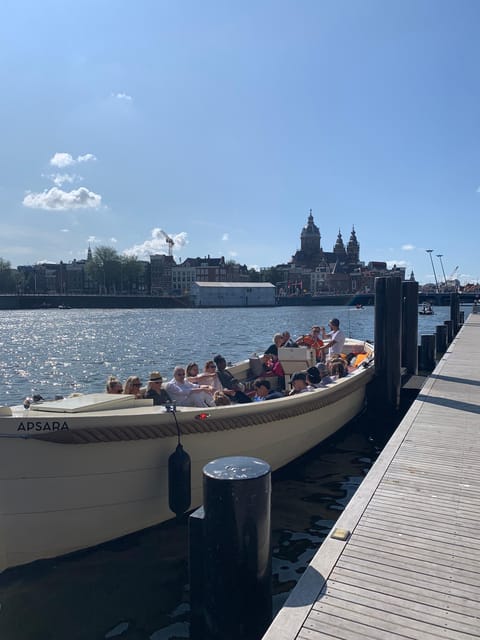
The route includes Oude Kerk (Old Church). From the canal, churches can look both grand and oddly close, because the water-level perspective changes scale.
This is one of those moments where a live guide helps. Rather than making it a photo-op, your guide ties the church to local history and the cultural logic behind how Amsterdam built around its institutions. It’s the kind of stop that makes you look up, then look back to the waterline and bridges, and notice the relationship.
Along the Amstel: the canal as a living route
The Amstel segment is the point where the tour starts feeling less like “random canals” and more like a system. You see the waterway as a channel for movement—past buildings, toward bridges, and through the city’s rhythm.
If you’re the type who likes to understand how cities work, this is where the tour clicks. Boats make you feel the route’s logic instantly: you’re moving through the city’s circulation instead of just looking at it.
Red Light District: facts, culture, and what you should expect
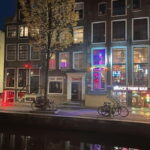
Passing through the Red Light District is probably the most famous part of the itinerary, and it can be intimidating if you’re expecting only spectacle. The guide’s job here is key: you’re not just seeing the area; you’re getting cultural context in French, which makes it easier to interpret what you’re watching.
Keep expectations realistic. This is an active urban area, not a theme park, so the atmosphere reflects everyday city life. If you’re uncomfortable with adult-tourism energy, it’s still worth doing the cruise for the explanation—because it helps you understand how Amsterdam talks about freedom, regulation, and history in the same space.
Westerkerk and Magere Brug: classic Amsterdam images with meaning
As the tour continues, you’ll pass by Westerkerk and then experience the postcard favorite Magere Brug (Skinny Bridge). These are the moments where photos come easily—but the guide helps you go beyond the image.
Westerkerk gives you a sense of monumental architecture lining up with the canal system. Magere Brug is where the city’s “small scale + dramatic bridge” look really shows. From the water, you see how people likely cross, pause, and move around those spots every day.
For me, these two stops are a good reminder that Amsterdam’s beauty isn’t just about big landmarks. It’s about the way the city stitches buildings to water with bridges and narrow streets.
Entrepotdok and the wrap-up: how the last stretch helps you plan
The itinerary continues toward Entrepotdok and then returns to Oosterdokskade 8. The last stretch is useful because you’ve already heard the stories, and now you’re starting to recognize patterns: how canals connect, where neighborhoods feel different, and what areas might be best to revisit.
This is also why I recommend starting your cruise as soon as you arrive. The guide’s practical framing helps you decide what to do next—what’s worth walking, what’s not, and where the city’s different “moods” live.
Aperitif on board: Dutch cheese tasting is the real star
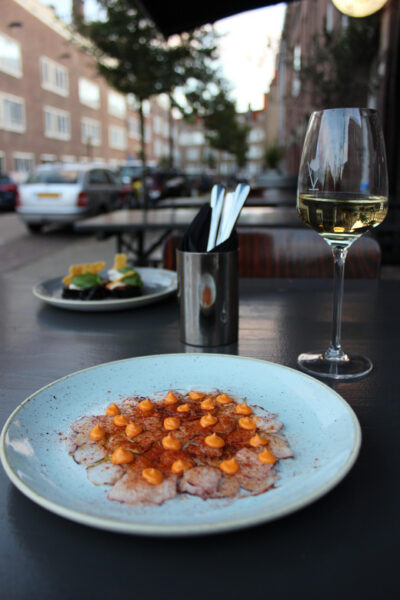
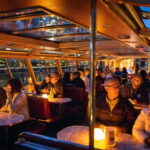
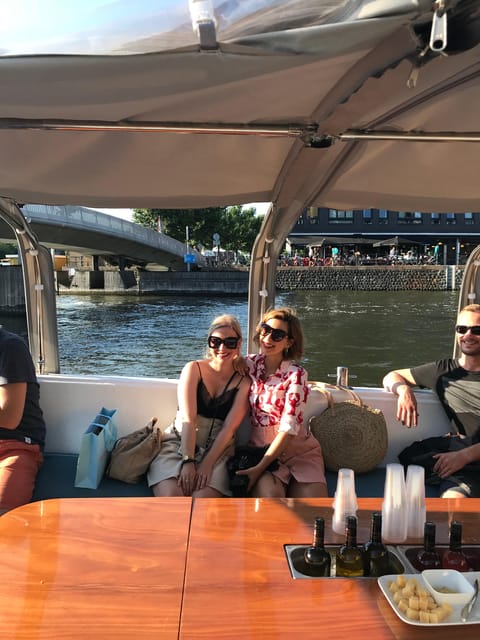
The included aperitif is more than a snack. You get beers, wines, soft drinks, water, plus a degustation of typical Dutch cheese. It’s designed to keep everyone comfortable and social, especially on a 1.5-hour ride in cool weather.
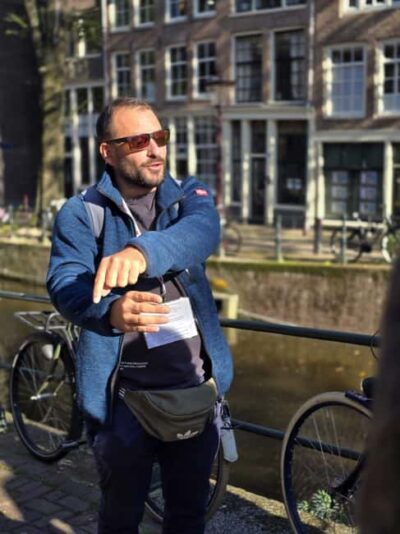
If you get a guide like Georges, you may also notice a playful style—people highlight his humor and his talent for making explanations stick. One review also specifically calls out a “cheese” moment tied to the tour’s humor. Even if your guide’s personality differs, the overall format is the same: you’re drinking and eating locally while the city moves by.
One practical tip: you can bring extra food or drinks to make your visit feel more like your own evening, and if you want a slightly bigger snack, plan for it. Also, hard drinks are not included, so if that’s your priority, you’ll need to handle it separately.
Small canals, big contrast: why this route beats the mass tours
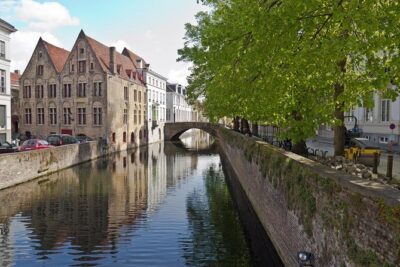
The tour claims the ability to go where big boats can’t, and that’s not just a brag line. Narrow waterways change what you notice: you get closer to housefronts, you see more bridge details, and the canal walls feel like part of the city rather than a backdrop.
This is where you’ll feel you’re seeing Amsterdam as locals experience it. Even if you only have one canal cruise on your trip, going on a smaller boat can keep the experience from blending into every other boat ride you do.
If the Light Festival is on: expect a different visual route
If you visit during the Amsterdam Light Festival (Festival des Lumières)—from 28 November to 19 January—the cruise follows the festival path. That means you may see light installations along the route, and the canals become even more atmospheric at night.
This matters for planning because winter in Amsterdam often means early darkness. A cruise that’s already timed for evening ambiance can feel like a special upgrade compared with summer daylight sightseeing.
Who should book this cruise (and who might skip it)
This is a strong pick if you:
- Prefer a French-speaking guide and want explanations instead of a purely visual ride
- Want an aperitif included with your canal time
- Like smaller groups and a more conversational pace
- Are visiting Amsterdam for the first time and want an efficient way to get oriented
- Are traveling with kids who can enjoy soft drinks and cheese tasting (children have age-based pricing)
It might be less ideal if:
- You don’t speak French and need a different language tour
- You expect a full open bar or hard spirits to be included
- You want a long walking experience (this is still a boat tour, not a hike)
One additional consideration: it’s not suitable for people over 95 years. If mobility is a concern for your group, you’ll want to factor that into your choice.
Price: is it worth $41?
At about $41 per person, you’re paying for three things at once: a small electric boat experience, a French guide, and an included Dutch aperitif with cheese tasting. If you price those separately, the math starts to make sense—especially the guide component, because live interpretation is usually what’s hardest to replicate on your own.
Also, the duration helps. At 1h30, you’re getting roughly 30 minutes more than many regular boat tours, which makes the price feel less “tight.” For me, the real value comes from how the guide’s stories connect to the specific canals you’re traveling through, and from the fact that the boat can reach smaller channels.
Practical advice before you go
- Pick a departure time that matches your energy. There are four departures per day: 11:30, 15:00, 16:45, and 18:30.
- Arrive a bit early so you’re not rushed at the dock. The guide shows up 15 minutes before.
- Bring a light jacket. Even when it looks mild, the water and wind can change the feel quickly.
- If you drink more than just the included aperitif, plan ahead. Hard drinks aren’t included.
- If you’re traveling with a group (business seminar, school/university, bachelorette events), ask about a private tour. It’s available if you request it during booking, and the minimum is 2 people.
Should you book this Amsterdam by Boat with a French guide?
Book this if you want Amsterdam in a single afternoon or evening with a real local guide, included aperitif and Dutch cheese, and a boat small enough to reach narrow canals. The route makes sense for first-timers, and the longer time helps the stories land.
Skip it if French isn’t workable for your group, or if you’re hoping for a party-style open bar with hard spirits. Otherwise, this is exactly the kind of tour I’d recommend when you want the city to feel personal, not mass-produced.
FAQ
What is the duration of the Amsterdam boat tour?
The tour lasts 1h30, which is longer than regular canal boat tours.
Where does the tour start?
It starts at Oosterdokskade 8, the pier to the right of the Sea Palace Chinese floating restaurant.
How far is the meeting point from Amsterdam Centraal Station?
It’s about a 5-minute walk from Amsterdam Centraal Station.
What language is the guide?
The live tour guide speaks French.
What’s included in the ticket price?
The ticket includes the boat trip with a French guide and an aperitif with beers, wines, soft drinks, water, and a typical Dutch cheese tasting.
Are hard drinks included?
No. Hard drinks are not included.
How big are the groups?
Groups are small, with a maximum of 25 persons and a minimum of 10 persons.
Is the tour suitable for children?
Yes. Children aged 4 to 12 have a reduced price, and children who are younger can be free. The activity is described as suitable for children.
Are pets allowed on board?
Yes, pets are welcome on board.
Can I book a private tour for a group?
Yes. You can choose a private tour by adding a comment when reserving, and a minimum of 2 people is required.