REVIEW · AMSTERDAM
Red Light Secrets: Museum of Prostitution Amsterdam
Book on Viator →Operated by Red Light Secrets Museum · Bookable on Viator
Amsterdam has a museum for the taboo.
Red Light Secrets, set in a former brothel, takes you into the Red Light District’s world with audio storytelling and interpretive stops that explain what life was like for sex workers and how the neighborhood has changed over time. I especially like the way the experience puts you behind the famous windows in a more human, lived-in setup, not just a street-level spectacle.
What I love second is that it’s audio-first and supported with booklets, so you’re not guessing what you’re looking at. There’s also a major practical difference from the rest of the district: pictures are allowed and even encouraged inside the museum space. One thing to watch for: the museum is small, and the route can feel crowded or rushed if you don’t give yourself time to listen in each room.
In This Review
- Key highlights that make Red Light Secrets worth your time
- Entering a former brothel, not a warehouse museum
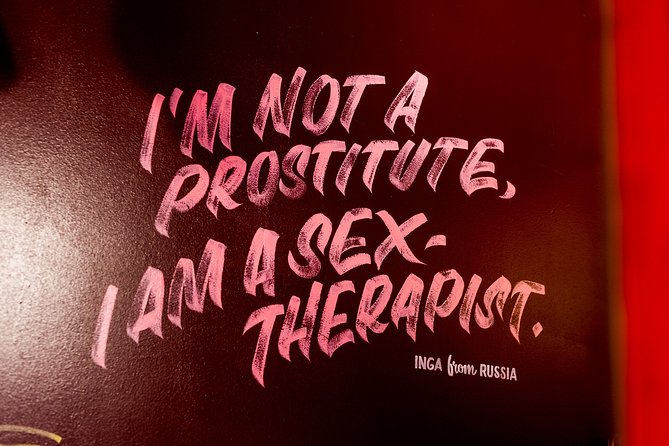
- Inga’s audio stories and the window-front perspective
- The booklet, photos, and the end-of-route confessions wall
- What you’ll learn: history and a typical day behind the glass
- Time, pacing, and why the museum can feel short
- Price and value: what $17.42 buys you (and what it doesn’t)
- Getting there and fitting it into a Red Light District day
- Who should book Red Light Secrets—and who should skip it
- Tips for getting the most out of your visit
- Should you book this museum of prostitution in Amsterdam?
- FAQ
- How long does the Red Light Secrets museum visit take?
- Is the experience offered in English?
- What is included in the ticket price?
- Are photos allowed inside the museum?
- Is transportation to the museum included?
- What age is the museum suitable for?
- Is the museum near public transportation?
- What’s the last admission time, and can I cancel for free?
Key highlights that make Red Light Secrets worth your time

- Former brothel setting that matches the neighborhood theme instead of feeling like a generic exhibit
- Inga’s personal audio stories that guide you through the experience at your own pace
- Window-front perspective that helps you understand how solicitation worked from the inside
- Booklet + audio mix so you can read or listen when you want
- Confessions wall at the end that lands with real emotion
- Photos allowed and encouraged in the museum, unlike much of the surrounding district
Entering a former brothel, not a warehouse museum
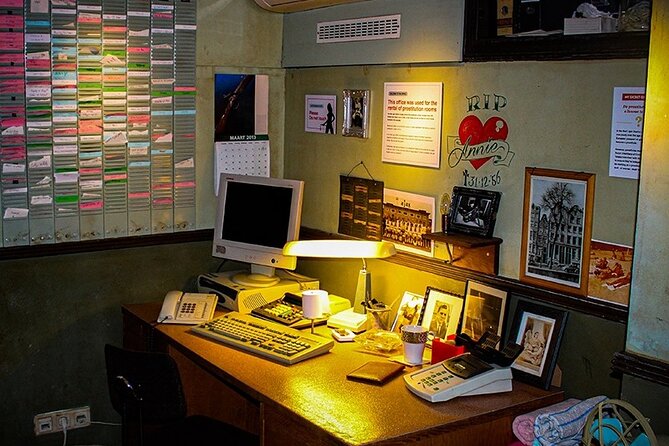
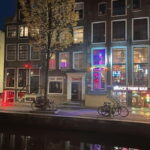
If you’re curious about Amsterdam’s Red Light District, Red Light Secrets is one of the few places that tries to explain it in context, not just in slogans or shock photos. The building is part of the point. You’re stepping into a historic Dutch structure connected to the area’s past, which makes the whole thing feel grounded rather than staged-from-a-distance.
The tone is also built to reduce the usual awkwardness. This isn’t framed as pure entertainment, but it’s also not cold or preachy. The museum aims to remove taboo and negativity, using a light-hearted, informative style to talk about sex work, history, and everyday realities. That matters because the Red Light District outside the museum can feel like a blur of glittering storefronts and people rushing past. Inside, you slow down.
You can also read our reviews of more museum experiences in Amsterdam


Inga’s audio stories and the window-front perspective
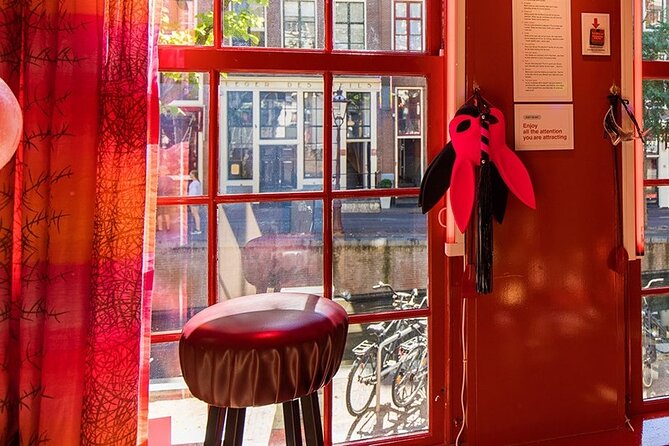
The centerpiece of the experience is the chance to sit with the stories while you’re in the same kind of spot that has become iconic from the street. In the museum, you can experience what it feels like to sit behind the famous windows where workers tried to appeal to passersby and lure customers in.
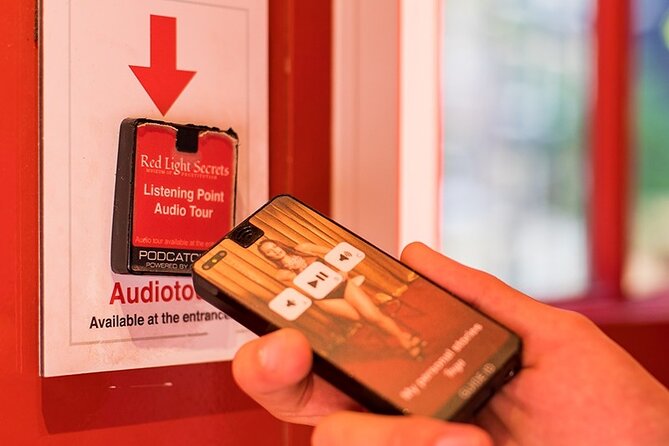
The big practical win here is how the audio is designed. You’re not expected to stand in one place listening to a fixed script. Instead, you follow the museum route while Inga’s personal audio stories play and you connect the captions and scenes to something more personal. Audio is also a smart format in a small space—it’s easier to take breaks, replay a segment, and keep your own pace if the rooms get busy.
One other useful detail: the museum is very structured, so even though it’s not a long guided walking tour, it doesn’t feel like wandering without direction. You get enough signposting through the booklet and audio to understand what you’re seeing as you go.
The booklet, photos, and the end-of-route confessions wall
Red Light Secrets includes a booklet about the Red Light District, and that booklet helps you catch what the audio is explaining. I like having both, because sometimes audio makes things emotional, while text makes them clearer. You can switch between the two depending on how your brain is working that day.
Then there’s the photo situation, which you’ll appreciate if you’ve been trying to plan your visit. Inside this museum, pictures are allowed and encouraged. That’s a huge contrast with the rest of the Red Light District, where people often feel unsure about what’s respectful or permitted. Here, the museum gives you the green light to document what you learn.
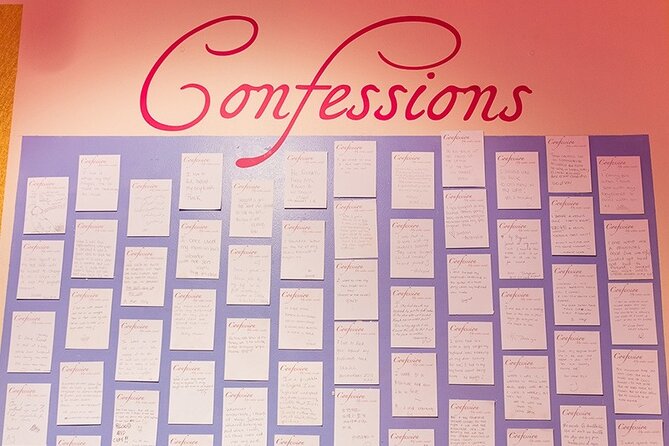
At the end of the route, you’ll encounter the confessions wall. This is where the tone can turn more intense and personal. It’s described as not for the faint-hearted, and that checks out with what you’re being asked to think about: power, choice, pressure, and the human side of an industry that too often gets reduced to fantasy or moral panic.
What you’ll learn: history and a typical day behind the glass
Red Light Secrets isn’t trying to cover every angle of sex work policy, law, or modern activism. Instead, it focuses on the essentials: the history of the Red Light District and what a typical day in the life of a working sex worker could feel like.
You’ll pick up information about how the neighborhood developed and how the working world inside it operates. Some parts lean into how people enter the work—by chance, by choice, or through forces they didn’t plan for. Other moments highlight themes of power and control, which complicates the simplistic stereotypes you might assume before you walk in.
Also, the museum format encourages reflection, not just facts. The most memorable element for me is the blend of “what happened” with “what it felt like,” even though you’re not being asked to read long academic panels. The audio and short scenes are designed to help you connect emotionally and intellectually without needing a background in the topic.
Time, pacing, and why the museum can feel short
The advertised duration is about 1 hour, and the structure is built around an efficient walkthrough of small rooms. That said, a lot depends on how carefully you listen. If you speed through, you’ll feel like you barely had time to absorb anything. If you slow down and let the audio play cleanly, you may spend more like 1.5 hours.
This is one of those places where your expectations matter. It’s not a huge building with dozens of separate wings. It’s a compact experience with an audio track that takes center stage. The upside is you don’t get stuck in an all-day schedule. The downside is that crowding can interfere with your ability to linger.
If you tend to hate tight spaces or you don’t like being pressed by other people while trying to listen, plan your visit for the calmest time you can. If you can, aim for earlier hours so you can stand, listen, and reset without feeling boxed in.





Price and value: what $17.42 buys you (and what it doesn’t)
The ticket price is about $17.42 per person, and it includes the entrance ticket plus the audio content and booklet. For a specialized museum experience placed right in the district, that’s not outrageous. You’re paying for a guided, curated setup—except here the “guide” is mostly audio and your own pace.
The best value comes when you’re using it like it was designed: take your time with the audio, read the booklet, and don’t treat it like a quick photo stop. If you’re going in expecting a large, multi-hour museum with extensive historical archives, you might feel underwhelmed—because the space is small and the route is short.
Two practical points that affect value:
- Souvenir photos are available to purchase, but those cost extra, so don’t assume everything is included.
- Transportation isn’t included, so add transit time and cost when you’re budgeting your Amsterdam day.
Overall, I’d call it good value for a first serious look at the topic in Amsterdam. It’s less ideal if you want a deep academic history session or a long, guided conversation in a big facility.
Getting there and fitting it into a Red Light District day
The museum is near public transportation, which makes it easy to plug into an already-packed Amsterdam itinerary. If you’re walking the Red Light District anyway, this is one of the few nearby “structured learning” options that uses the location in a meaningful way.
Because the museum is inside the district, timing matters. If you go when crowds are thick, you’ll spend more energy navigating people than focusing on the audio. If you go when it’s quieter, the whole experience lands better: you can stand where you need to, listen without interruption, and make your way room by room.
One more scheduling detail that’s easy to miss: the last admission is 1 hour before closing time. Build slack into your plan so you don’t arrive late and get cut off.
Who should book Red Light Secrets—and who should skip it
This is a good fit if you’re curious about the Red Light District and want a real-world perspective that goes beyond street views. It also suits people who like audio storytelling and self-paced museum wandering—especially if you want a “learn first, then reflect” kind of stop.
It may not be the right choice if:
- You want a long, in-depth history museum experience.
- You get uncomfortable in close quarters or dislike crowded rooms.
- You’re very sensitive to the emotional content tied to confessions and lived experiences.
There’s also an age limit: the museum is only suitable for ages 16 and older. So it’s an adult-focused stop in that sense, even if the tone tries to be accessible.
Tips for getting the most out of your visit
Here’s how to make this work well in real life:
- Plan extra time if you actually want the audio to land. Don’t treat it as a 20-minute detour.
- Use the booklet as your anchor. If you miss a detail in audio, the text helps you catch up.
- Take photos inside the museum only where allowed, and keep it respectful. The museum setting is permissioned; the street outside is a different world.
- If you’re visiting on a busy day, prioritize listening time over scanning everything visually.
- If you like personal storytelling, you’ll probably connect more with the audio segments tied to real experiences.
And if you prefer human explanation, you might notice that staff knowledge can help—some visitors mention standout staff experiences like Kevin, who’s described as a fountain of knowledge and particularly helpful when you want extra context.
Should you book this museum of prostitution in Amsterdam?
Book it if you want an honest, structured look at the Red Light District that feels grounded in story and context. I especially think it’s worth it for first-timers who want to understand the topic without relying on stereotypes or headlines. For the price, the included audio and booklet make it a fair deal—just go in with the right expectations about time and space.
Skip it if you need a huge museum campus, extensive archival depth, or a truly quiet experience. Red Light Secrets is small, audio-driven, and emotionally direct in places. If that format fits your travel style, you’ll likely feel like you got something real out of it.
FAQ
How long does the Red Light Secrets museum visit take?
The tour is listed as about 1 hour. If you take your time listening and exploring, it may take longer.
Is the experience offered in English?
Yes. The museum experience is offered in English.
What is included in the ticket price?
Your ticket includes entrance to the Museum of Prostitution Red Light Secrets, Inga’s personal audio stories, and a booklet about the Red Light District.
Are photos allowed inside the museum?
Yes. Pictures are allowed and encouraged inside the prostitution museum.
Is transportation to the museum included?
No. Transportation to and from the museum is not included.
What age is the museum suitable for?
It is only suitable for ages 16 years and older.
Is the museum near public transportation?
Yes. It’s near public transportation.
What’s the last admission time, and can I cancel for free?
Last admission is 1 hour before closing time. You can cancel for free up to 24 hours in advance for a full refund.