REVIEW · AMSTERDAM
The Rijksmuseum Tour: Small Guided Group with Museum Entry
Book on GetYourGuide →Operated by SightSeekers · Bookable on GetYourGuide
Amsterdam’s biggest museum can feel like chaos. This 2-hour Rijksmuseum tour gives you a clear story line—so the art starts to make sense fast. I like that it’s built around Dutch history, not just name-dropping painters.
You also get a friendly, organized guide experience that keeps the pace human in a building this large. In the feedback I’ve seen, guides like Tristan are singled out for being approachable and very knowledgeable, with explanations that help you connect works across rooms. One thing to keep in mind: you only have two hours, so you’ll see the highlights and context, not every corner of the collection.
In This Review
- Key Takeaways Before You Go
- Why This Rijksmuseum Tour Works When You Feel Overwhelmed
- Meeting at Paulus Potterstraat: Start Smooth, Not Stressed
- The Two-Hour Structure: A Clear Timeline Through Dutch Art
- Black Death to Independence: How the Guide Frames the Early Years
- The Golden Age Focus: Why Dutch Masters Became So Beloved
- Still Lifes and Everyday People: The Story Behind the Subjects
- Europe’s Bigger Artistic Movements, Explained in Plain Sight
- How the Guide Keeps It Manageable in a Vast Museum
- Lower Levels Finish the Story: Decline, Enlightenment, and Shifting Power
- Price and Value: How $63 Makes Sense Here
- What to Wear and How to Pace Yourself
- Who This Tour Fits Best (And Who Might Want Something Different)
- Should You Book This Rijksmuseum Tour?
- FAQ
- How long is the Rijksmuseum tour?
- What group size is this tour?
- Is the tour guide English-speaking?
- What is included in the ticket price?
- Where do we meet the guide?
- Is transportation included?
- Can I cancel or book with flexible payment?
Key Takeaways Before You Go
- Small group (up to 10) means more time for real questions and better flow through busy halls
- Entry ticket included removes one of the most common headaches in the Rijksmuseum
- A guided historical storyline helps connect Black Death, independence, the Golden Age, and later decline
- Major Dutch masters in context so Rembrandt and Vermeer feel like part of a bigger European picture
- Lower-level ending gives you a sense of how Dutch influence shifted after the Golden Age
Why This Rijksmuseum Tour Works When You Feel Overwhelmed
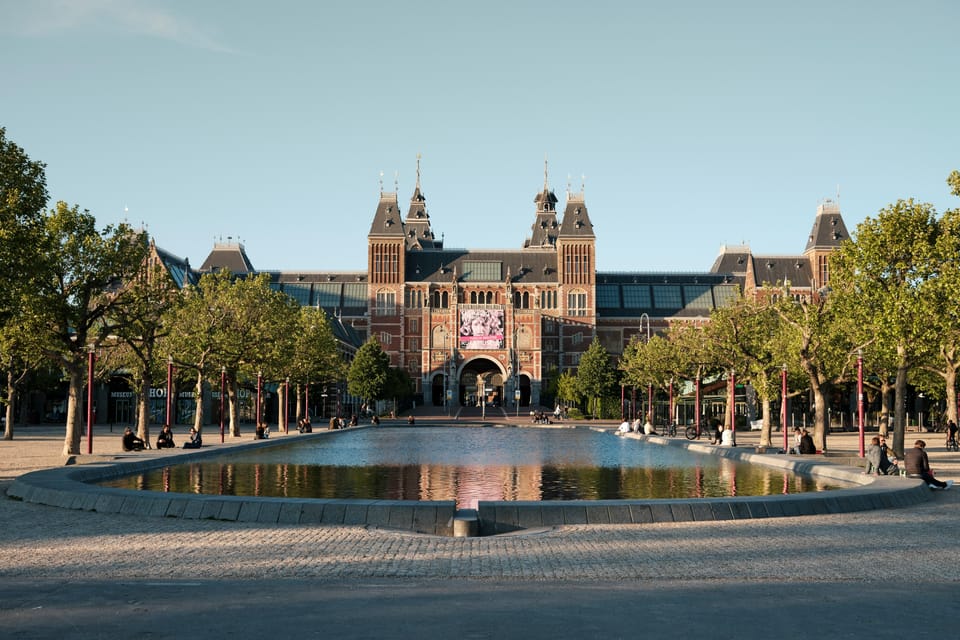
The Rijksmuseum can hit you like a firehose. You walk in, and suddenly it’s centuries, styles, dates, and painting types—each one demanding attention. What you really need in a place like this is a map for your brain.
This tour is designed to do that. Instead of treating each gallery like a separate island, the guide ties the works to the moments that shaped Dutch life. That shift is the difference between seeing something pretty and understanding why it matters.
You can also read our reviews of more guided tours in Amsterdam



Meeting at Paulus Potterstraat: Start Smooth, Not Stressed
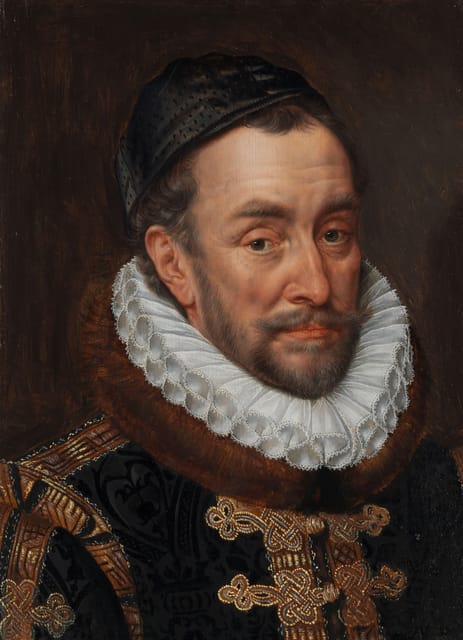
You meet your guide next to the museum entrance at Paulus Potterstraat 1. This is the smart move: you avoid the wandering and guessing that can happen when a museum is huge and you’re trying to figure out where groups gather.
From there, you head into the great hall and begin with steady introductions to collections across the museum’s wings. In practical terms, it means you’re not just following someone through random rooms—you’re getting a path that makes the building easier to handle.
The Two-Hour Structure: A Clear Timeline Through Dutch Art
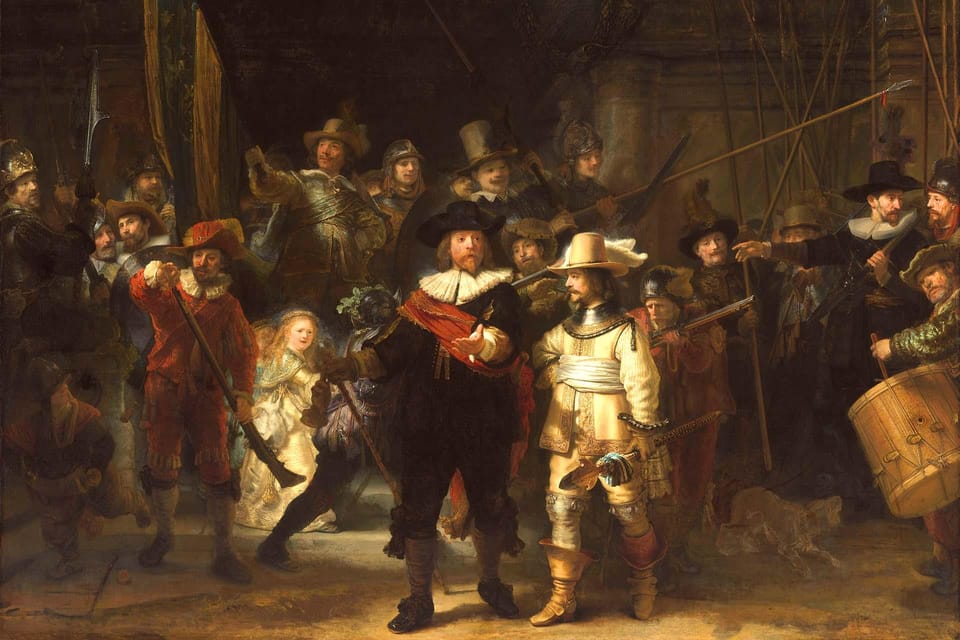
Think of this tour like a guided timeline. It starts in the early pressures and turmoil that shaped the Netherlands, then it moves forward into independence and the famous Golden Age. The last stretch looks at what came after that peak—when the tone changes again and Dutch power shifts.
That structure helps because it gives every painting a place to live. You’re not just absorbing images; you’re tracking cause-and-effect through culture.
Black Death to Independence: How the Guide Frames the Early Years
Early on, the tour focuses on how Dutch culture formed under major strain, including the period of the Black Death. Even if you already know the basics of European history, the value here is how the guide connects those forces to what people made and why.
This part matters because it sets up a key theme: art doesn’t appear in a vacuum. When society changes, tastes change too—what gets commissioned, what becomes popular, and what kinds of everyday stories people want to see.
The Golden Age Focus: Why Dutch Masters Became So Beloved
As the tour moves into the independence era and the flowering of the Golden Age, the museum’s masterpieces start to feel less like isolated masterpieces and more like answers to a cultural moment.
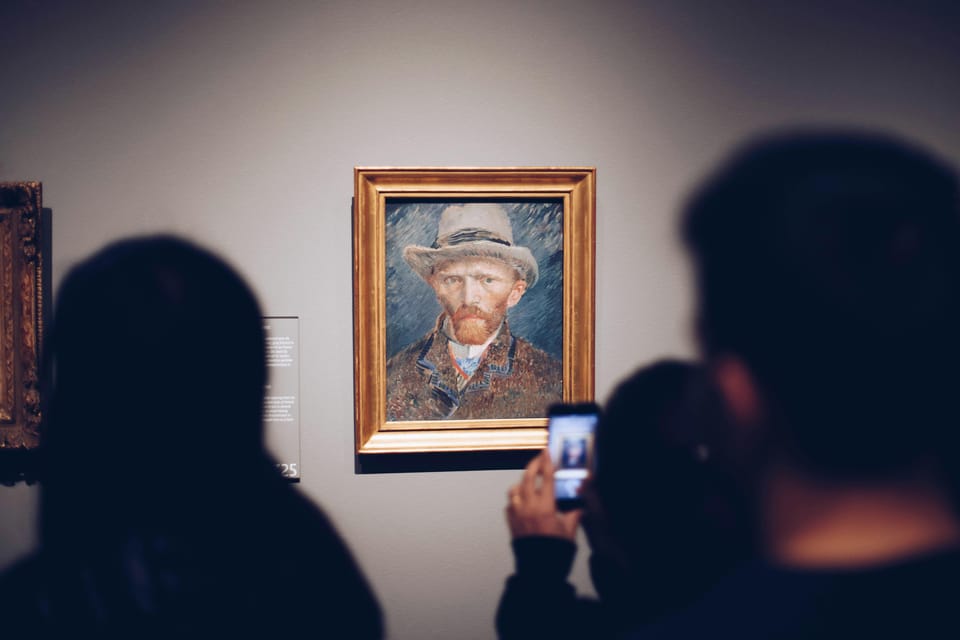
This is where the big names come in—Rembrandt, Vermeer, Van Gogh, and more. The point isn’t only to see them. It’s to understand what they shared as creators and what made Dutch painting different from other European styles.
You also get help sorting out why the Dutch masters are so highly regarded today. The guide’s job is to point out what the paintings are saying and how those messages connect to the society that supported them.
You can also read our reviews of more museum experiences in Amsterdam






Still Lifes and Everyday People: The Story Behind the Subjects
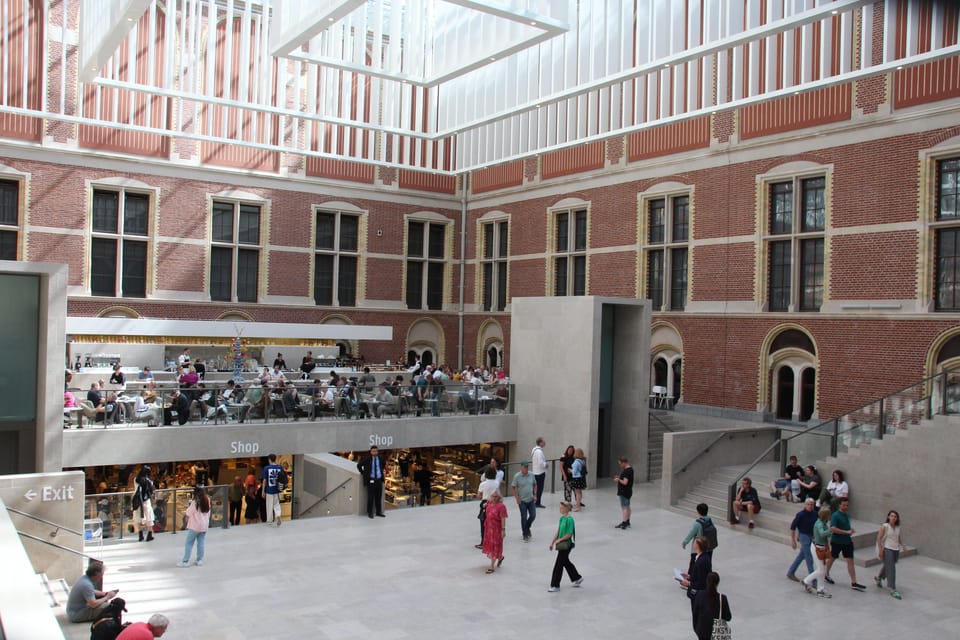
One of my favorite kinds of museum tours is the ones that change what you notice. This one aims for exactly that with two recurring ideas: still lifes and paintings of everyday people.
Still lifes were popular for reasons tied to the world Dutch viewers recognized and valued—wealth, trade, and the beauty of ordinary objects. The “everyday people” angle is equally important: it signals a cultural confidence and a shift toward portraying real life, not only heroes and myths.
When a guide keeps bringing you back to that, you stop treating the paintings like decoration. You start reading them as social documents.
Europe’s Bigger Artistic Movements, Explained in Plain Sight
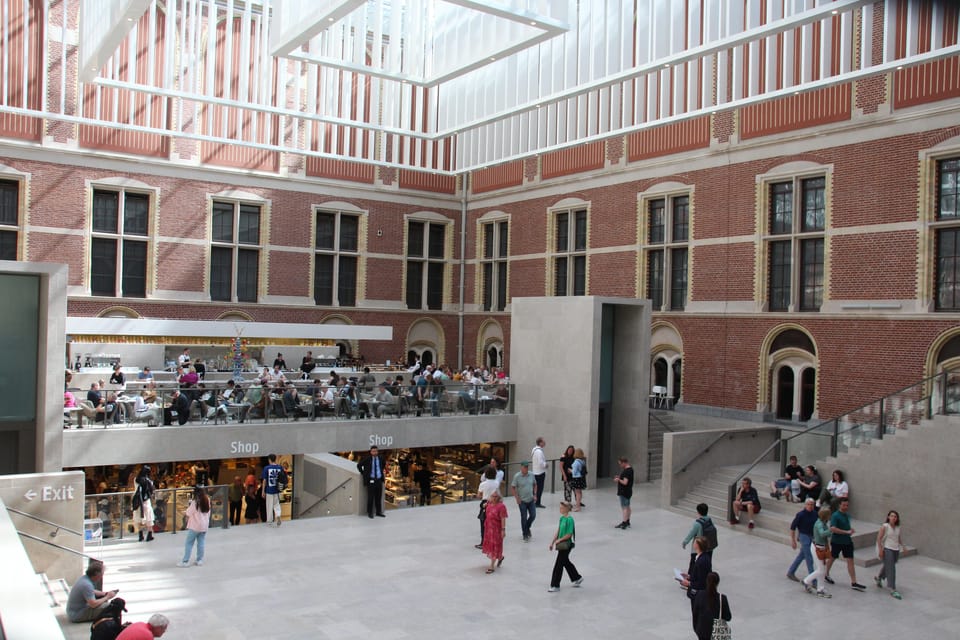
A huge challenge at the Rijksmuseum is that the museum spans broad European art movements, and your brain can lose the thread. This tour fights that problem by placing Dutch works in the bigger European context.
In other words, you’re not just learning that certain artists painted certain subjects. You’re learning how those works fit into the broader shifts happening across Europe—so the Rijksmuseum stops feeling like a collection of unrelated rooms.
For you, that means you’re more likely to remember what you saw after the tour ends. The connections make the images stick.
How the Guide Keeps It Manageable in a Vast Museum
A museum as enormous as the Rijksmuseum is physically overwhelming as well as mentally overwhelming. You’ll be on your feet, moving between collections, and trying to keep track of what’s in front of you.
That’s where a small group helps. With limited group size (up to 10) and an English-speaking live guide, the experience stays organized enough that you can follow along without constantly asking yourself where you are supposed to look next.
And the feedback around Tristan specifically highlights something you want from a guide here: friendliness and solid knowledge that doesn’t turn into a lecture. When the explanations are clear, you can actually enjoy the paintings instead of just surviving the museum.
Lower Levels Finish the Story: Decline, Enlightenment, and Shifting Power
The tour doesn’t end on the high note of the Golden Age. It turns toward the lower levels to show what happened when the Golden Age declined, the Enlightenment took hold, and Dutch independence faced new setbacks.
This ending is valuable because it adds balance. If you’ve heard only the success stories of Dutch history, you can walk away thinking the Netherlands was always rising. Here, you see how reputation and influence continued to matter in world history—even as the internal situation changed.
That closing arc also helps you interpret later cultural moods you may notice in other parts of Amsterdam. Art and politics were never far apart, and this tour underlines that.
Price and Value: How $63 Makes Sense Here
At $63 per person, you’re paying for more than just access to rooms. You get:
- an entry ticket to the Rijksmuseum
- a local professional guide
- a guided walking tour format that helps you navigate the museum’s size
For value, the key question isn’t only cost. It’s what you would likely spend on your own time. Without a guide, you might buy a ticket and still wander through galleries unsure how everything connects. The guide’s job is to reduce that guesswork.
Also, the time is tight but focused: 2 hours. You’re paying for efficiency—an overview with context. If you’re the type of traveler who likes art history but doesn’t want to lose an entire day, this pricing fits that sweet spot.
Transportation isn’t included, so factor that into your day plan in Amsterdam. The good news: once you’re at the museum entrance, everything else is taken care of for you.
What to Wear and How to Pace Yourself
The tour runs on foot, and the museum is physically spread out. The practical advice is simple: wear comfortable walking shoes.
Inside the Rijksmuseum, even with a guided pace, you’ll be standing and looking for stretches of time. If you know you tire quickly, plan to rest afterward—your legs will do more work than you might expect from a two-hour tour.
Who This Tour Fits Best (And Who Might Want Something Different)
This is a great fit if you:
- want to understand Dutch art through historical context
- feel intimidated by big museums and want a clear storyline
- like the main stars—Rembrandt and Vermeer-level highlights—but want meaning attached
- prefer a small group over a crowded, noisy experience
It may not be the best fit if you:
- want to study art techniques in maximum depth for every single work
- plan to spend lots of time in specific galleries on your own afterward
- need a slower pace with long breaks between sections
In short: it’s structured for people who want direction and connections, not for people who want total freedom and maximum time inside every room.
Should You Book This Rijksmuseum Tour?
If you want the Rijksmuseum to feel understandable, this is a strong choice. The biggest reason to book is the way the guide builds a timeline—from Black Death-era pressures through independence, Golden Age brilliance, and the later shift in power and ideas. That structure turns “beautiful paintings” into “a story you can repeat later.”
I’d especially recommend it if you’re short on time in Amsterdam or you’re worried the museum will overwhelm you. You get the entry sorted and a small-group guide experience that keeps the focus on why Dutch art became what it became.
FAQ
How long is the Rijksmuseum tour?
It lasts 2 hours.
What group size is this tour?
The group is small, limited to 10 participants.
Is the tour guide English-speaking?
Yes, the live tour guide speaks English.
What is included in the ticket price?
The price includes entry to the Amsterdam Rijksmuseum and a local professional guide for a guided walking tour.
Where do we meet the guide?
Meet your guide next to the museum entrance at Paulus Potterstraat 1.
Is transportation included?
No, transportation is not included.
Can I cancel or book with flexible payment?
You get free cancellation up to 24 hours in advance for a full refund, and you can reserve now and pay later.