Amsterdam has a way of hiding meaning in plain sight. This 2-hour, small-group walk (max 12 people) takes you to the city’s quieter corners and pairs each location with a focused human story. What I like most is the pace: you’re moving, but you’re not rushed, and the guide keeps the “why this matters” part crystal clear.
I also like how many stops are admission-ticket free, so your money goes mostly into the guide’s storytelling (not entry fees). Guides such as Elizabeth and Tanja have a calm, approachable style, and when the stories get heavy, they don’t turn it into a lecture.
One consideration: this is a short walking tour with several brief stops, so you’ll want comfortable shoes, and it depends on decent weather. If you’re hoping for long museum time inside big buildings, you might feel a bit impatient with the quick “see it, learn it, move on” rhythm.
In This Review
- Key things to know before you join
- Dutch National Opera: how one building links to firsts and rights
- Spinoza Monument: philosophy with consequences
- Mozes en Aaronkerk: a couple’s story inside Amsterdam’s 17th-century free Black community
- Portuguese Synagogue: the idea of an underground railroad in the Inquisition era
- Hortus Botanicus: Indonesian rebels and revolutionaries with very different paths
- De Burcht and Amsterdam’s diamonds: workers’ rights you still use
- ARTIS Amsterdam Royal Zoo: flamingos, influential people, and WWII resistance
- University of Amsterdam: suffragist ideas and a diplomat’s impact
- H’ART Museum finale: the artist whose relative kept the flame alive
- Price and value: what $48.16 buys in real time
- Who should book this tour (and who might want a different style)
- Should you book this tour?
- FAQ
- How long is the Amsterdam tour?
- Is the tour offered in English?
- What’s the group size?
- Do I get a mobile ticket?
- Are there admission fees at the stops?
- Where does the tour start and end?
- Are service animals allowed?
- What if the weather is bad or I need to cancel?
Key things to know before you join
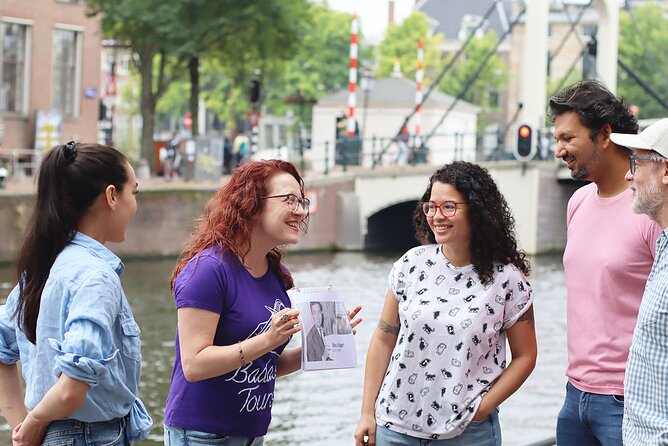
- Max 12 people keeps it personal enough for questions without slowing the group
- 2 hours long means it’s efficient, not a half-day project
- Mobile ticket saves you from hunting down printouts
- Admission-ticket free stops show up throughout the route, so you can budget the tour price only
- Stories run across multiple communities, including LGBTQ+ history, Jewish history, philosophy, and resistance in WWII-era narratives
- You start on the Amstel and finish at H’ART Museum (formerly Hermitage Amsterdam), so it’s easy to continue along the river
Dutch National Opera: how one building links to firsts and rights
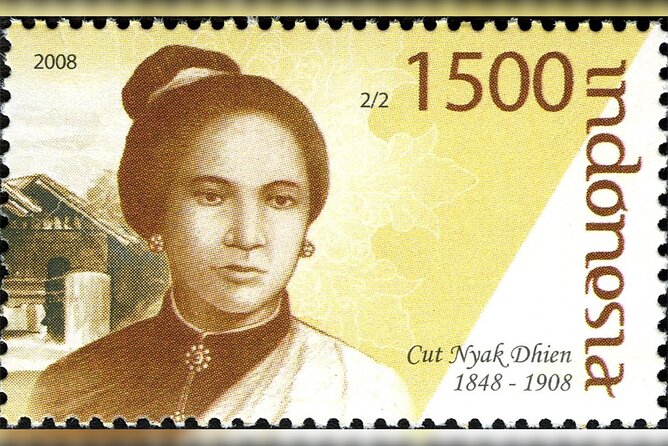
The tour begins around the Dutch National Opera & Ballet area, where the guide sets the tone with a quick sense of direction. Then you’re pointed at a deceptively ordinary setting tied to one of the most talked-about firsts in modern LGBTQ+ history: the world’s first gay marriage.
This is a smart opener because it teaches you a trick for Amsterdam: look for what’s not flashy. The city loves grand facades, sure—but the most meaningful details often sit inside what looks plain from the street. You’ll leave this stop with better instincts for noticing the way social change shows up in architecture and public life.
Quick heads-up: this part is fast—about 10 minutes—so if you want photos, I’d prioritize getting the angles while the guide is talking about the building’s role.
You can also read our reviews of more tours and experiences in Amsterdam.



Spinoza Monument: philosophy with consequences
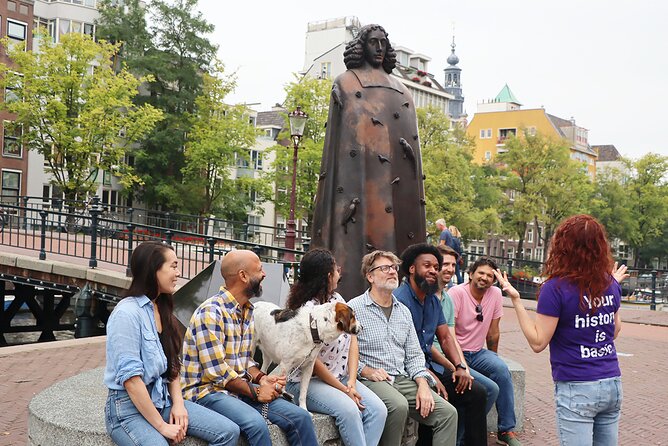
Next you hit the Spinoza Monument for a short stop that packs a punch. The guide connects the famous philosopher to the very real social cost of being an outcast in your own community.
The best part here isn’t Spinoza’s name recognition. It’s the human angle: how ideas can threaten belonging, and how a society decides who gets to be fully heard. Even in a city famous for art and canals, you get reminded that Amsterdam also grew on argument, debate, and discomfort.
This stop is brief (around 5 minutes), but it works as a hinge. It connects the earlier theme of rights to the bigger theme of who gets excluded—and why.
Mozes en Aaronkerk: a couple’s story inside Amsterdam’s 17th-century free Black community
At Mozes en Aaronkerk, the tour shifts from public “rights moments” to everyday lives. You hear about a couple’s story in Amsterdam’s free Black community in the 17th century.
This is exactly the kind of stop that changes how you see a neighborhood. Instead of treating history as a list of famous men and dates, the guide pulls a small, specific life into focus. It helps you understand how complicated and layered Amsterdam’s past really was.
The time here is short (about 5 minutes), but the goal isn’t a long sermon—it’s a pattern. You’ll start noticing how churches, synagogues, and institutions were tied to community life far beyond what many first-time visitors expect.
Portuguese Synagogue: the idea of an underground railroad in the Inquisition era
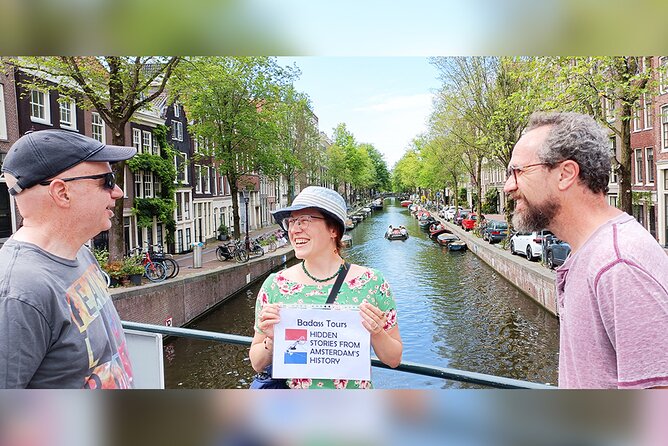
One of the most compelling moments comes at the Portuguese Synagogue of Amsterdam. Here, the guide focuses on an heiress and the underground network she helped create during the Spanish and Portuguese Inquisitions.
If you only know the word Inquisition from school history, this stop gives it a more grounded feeling. The guide frames the danger as personal and practical—how people moved, hid, and protected others when the state and religion were in conflict. It’s not just background. It’s strategy under pressure.
This stop runs about 10 minutes. The building’s significance does a lot of the work, but your guide’s job is to connect the architecture to action—the way networks form when formal systems fail.
Hortus Botanicus: Indonesian rebels and revolutionaries with very different paths
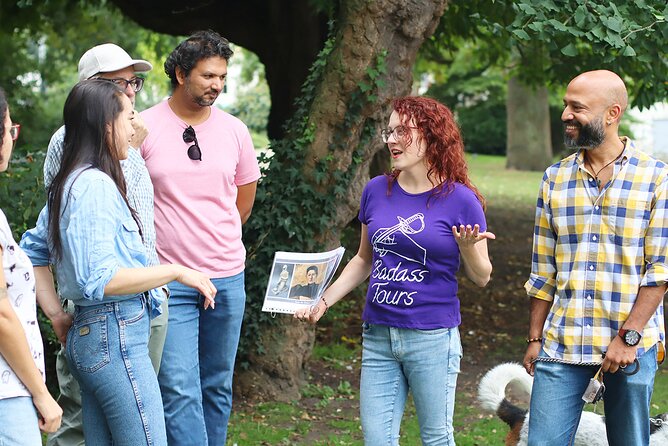
At Hortus Botanicus, the tone becomes even more intense. You hear harrowing stories of two Indonesian rebels and revolutionaries, and the contrast between their lives.
This is a great stop for anyone who thinks Amsterdam’s colonial reach is only a museum topic. The guide makes it human-sized: choices, consequences, and how political movements can fracture even among people fighting similar systems.
The time is about 10 minutes, so you get a clean emotional arc without getting stuck in details. Still, it’s the kind of stop that lingers after the tour, especially if you like history that connects Europe to global events.





De Burcht and Amsterdam’s diamonds: workers’ rights you still use
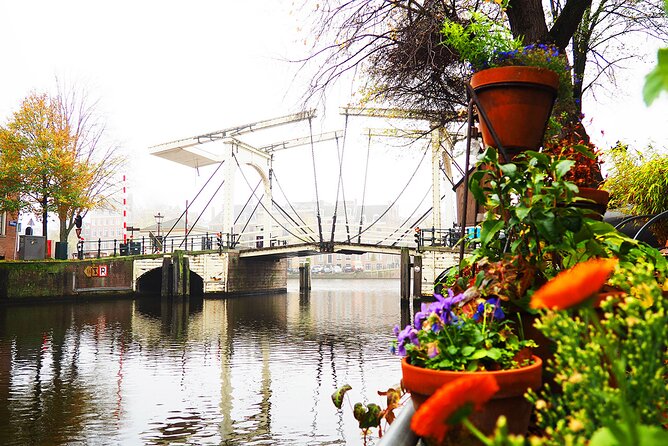
De Burcht is where the tour swings into civic history. Amsterdam has a long diamond tradition, and the guide ties the site to a workers’ union that built this iconic place—and to rights that many citizens rely on today.
This is practical storytelling. You’re not just told that labor unions mattered; you’re shown a physical point in the city where collective action left a mark. It also helps you understand Amsterdam’s reputation for tolerance: it wasn’t automatic. People organized for fairness, and their work became infrastructure.
The stop is around 10 minutes. If you’re the type who likes to spot “what built the thing you’re standing by,” this one will land hard—in a good way.
ARTIS Amsterdam Royal Zoo: flamingos, influential people, and WWII resistance
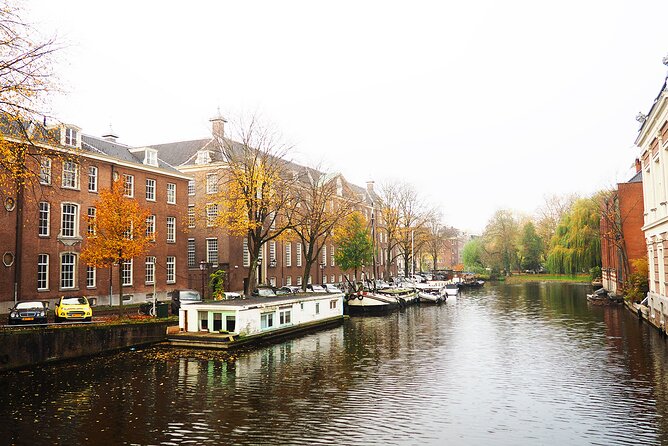
You spend the most time at ARTIS Amsterdam Royal Zoo—about 30 minutes. The guide has you pass by flamingos while talking about influential Amsterdammers, from groundbreaking artists to WWII resistance heroes.
The zoo setting changes the way you receive history. It’s easier to listen when you’re also seeing everyday life—birds, movement, quiet corners—rather than only buildings and plaques. And it’s a useful reminder: history isn’t confined to museums. It lives in public spaces where people go to breathe.
One caution: 30 minutes is the longest stop, but the pacing still stays walking-and-listening. If you need frequent seated breaks, plan accordingly and talk to the guide if you want a quick pause.
University of Amsterdam: suffragist ideas and a diplomat’s impact
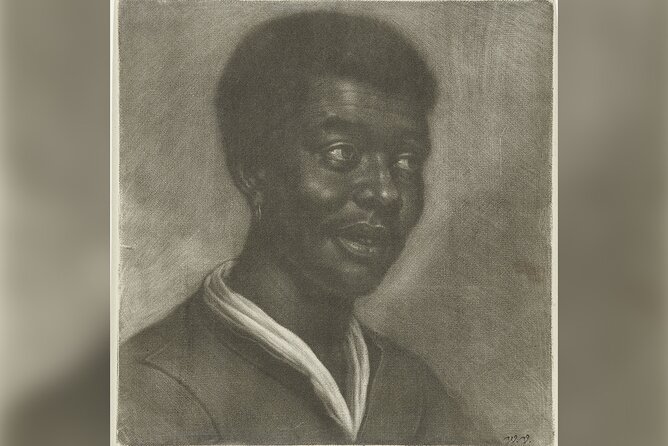
Next you cross through Amsterdam’s main university campus route and learn about an influential suffragist and a world-changing diplomat.
This stop is a nice “thinking city” moment. Amsterdam didn’t just build canals; it built institutions that shaped ideas and policies beyond the Netherlands. The campus route gives you a sense of the city’s long relationship with learning, activism, and public leadership.
The time is about 15 minutes, so you’ll get the main story points and the key takeaway. If you enjoy political history and social movements, this one adds real depth without turning into a dry timeline.
H’ART Museum finale: the artist whose relative kept the flame alive
The tour ends at H’ART Museum (formerly the Hermitage Amsterdam), right on Amstel 51, in front of the museum. The guide tells a story about a giant in the art world and how a relative—someone who barely knew him—ended up shaping what survives in public memory.
This is a clever way to end a walking tour: the last chapter isn’t about a policy or monument. It’s about legacy—how fame, misunderstanding, family, and stewardship all tangle together.
You’ll likely finish with a clearer “how to watch art” mindset. Even if you’re not an art specialist, you’ll have better questions to ask when you visit exhibits later.
Price and value: what $48.16 buys in real time
At $48.16 per person for about 2 hours, the price sits in a mid-range zone for Amsterdam guided walking tours. The value case is simple: you’re paying for a strong guide and a tight route, while the stop notes indicate admission-ticket free access at each location.
The small group cap (12 people) matters here. You get a human scale instead of a herd. That means you’re more likely to actually hear the story, ask something, and get a direct answer instead of waiting for the guide to move on.
Also, the fact that many people book about 16 days in advance is a useful signal. If your dates are fixed, I’d book early rather than gamble on last-minute availability.
Who should book this tour (and who might want a different style)
This tour is a strong fit if you want Amsterdam history that isn’t only about paintings and canals. You’ll like it if you care about social change, marginalized communities, and the way ordinary buildings connect to big events.
It’s also good for solo visitors, especially if you want a guide who can handle questions and keep the group comfortable. In past tours for this company, Elizabeth was praised for being approachable and never rushing people, and Tanja and Astrid were praised for storytelling that adds perspective, even when the topics are difficult.
You might want a different option if you’re chasing a long museum visit or lots of time inside interiors. This route is built for quick, meaningful stops, not extended exhibits.
Should you book this tour?
If your goal is to understand Amsterdam beyond the usual photos, I think you’ll enjoy this. It’s short, structured, and built around stories that connect places you can point to—opera steps, monuments, synagogues, gardens, a zoo, a campus, and then H’ART Museum.
Book it if you’re the type who likes your city history human-sized and slightly surprising. Bring comfortable shoes, and plan around weather, because this one works best when you can walk calmly between stops.
If that sounds like your kind of trip, this is an easy yes.
FAQ
How long is the Amsterdam tour?
It’s about 2 hours.
Is the tour offered in English?
Yes, it’s offered in English.
What’s the group size?
The tour has a maximum of 12 travelers.
Do I get a mobile ticket?
Yes, the tour includes a mobile ticket.
Are there admission fees at the stops?
The tour’s stop details list admission as ticket free at the locations on the route, so you typically won’t need separate museum entry fees for these particular stops.
Where does the tour start and end?
It starts at Monument Megadlé Jethomiem, Amstel 23, 1011 PT Amsterdam, Netherlands, and ends in front of H’ART Museum (formerly the Hermitage Museum) at Amstel 51, 1018 EJ Amsterdam.
Are service animals allowed?
Yes, service animals are allowed.
What if the weather is bad or I need to cancel?
The tour requires good weather. If it’s canceled due to poor weather, you’ll be offered a different date or a full refund. You can also cancel for a full refund up to 24 hours in advance.