REVIEW · AMSTERDAM
From Amsterdam: Tulip Fields of Holland Tour
Book on GetYourGuide →Operated by Amsterdam countryside tours · Bookable on GetYourGuide
Tulip country feels like a moving postcard. This 5-hour van tour from Amsterdam takes you through South Holland’s spring flower region, with hyacinths, daffodils, and tulips and real farm-field walking instead of just photo stops. I really liked the small group setup, and I also looked forward to the Dutch apple pie and tea break that keeps the whole morning feeling human-sized.
One consideration: this tour is not suitable for wheelchair users, and you’ll want to be comfortable standing and walking in the fields. The trade-off is worth it for me—this route uses a van so you can get into places bigger buses can’t reach, plus you’ll get plenty of stops for photos and guide-led explanation from Leander.
In This Review
- Key highlights you’ll feel right away
- South Holland in spring: timing is half the magic
- Meeting at Lot61 under the Hilton: start simple, start early
- Why the 7-seat van is the real upgrade from big bus tours
- The drive west: rural roads and the first color hit near Lisse
- Voorhout flower fields: walking where tulips actually grow
- Leander’s tulip talk: history, cultivation, and what to look for
- Coffee and Dutch apple pie at De Tulperij, Voorhout
- Second photo stop near Voorhout: take your best shots, then go
- Price and value: what $200 buys in a 5-hour day
- Who should book this flower-field van tour
- Should you book this Tulip Fields of Holland Tour?
- FAQ
- Is the tour duration really 5 hours?
- How many people are in the group?
- What’s included besides the van ride?
- Where do I meet in Amsterdam?
- What flowers can I expect to see?
- What time of year is best for viewing the fields?
- Is the tour wheelchair accessible?
Key highlights you’ll feel right away
- Small group in a van (max 7) for a more flexible route and easier conversations
- Farm-field walking where tulips are grown, not just displayed in manicured gardens
- Leander’s tulip stories about cultivation, history, and propagation—plus he helps with photos
- Coffee stop at De Tulperij, Voorhout with Dutch apple pie, tea, and coffee
- Photo opportunities in places like Lisse and Voorhout—built for spring pictures
South Holland in spring: timing is half the magic

Spring in South Holland is all about timing, and this tour is built around that short window when the bulbs are doing their best work. The operator notes that the best viewing time is April 7 to April 30. If you’re traveling outside that range, you might still see plenty of color, but you should expect some variation depending on the season’s pace.
What I like about this kind of trip is that it treats flowers as an agricultural calendar, not an indoor attraction. You’re not just looking at a fixed exhibit. You’re seeing an outdoor growing cycle in real time, with fields full of blooms that are only at their peak for a limited stretch in March and April.
And since the drive goes west into the bulb region, you also get that classic “you’re really here” sense of place. The route moves through rural roads, so it feels like you’re traveling through the countryside, not getting whisked from one viewpoint to another like a checklist.
You can also read our reviews of more tours and experiences in Amsterdam.


Meeting at Lot61 under the Hilton: start simple, start early
Your morning begins at Lot61 (the coffee spot) under the Hilton DoubleTree Hotel area in Amsterdam. It’s the kind of meeting point that makes the logistics feel less stressful. If you’re taking public transport, there’s a note to stop at Grand Central Station first and then walk east to Lot61, which is the sort of detail that can save you from a last-minute scramble.
Why this start matters: tulip season is popular, and this tour’s small-group format works best when you avoid the worst of the rush. Even without getting too rigid about timing, starting early is often when the fields look their most “alive” rather than overwhelmed by tour buses.
You’ll also head out by van, and that matters more than you might think. A van can get to spots where larger buses struggle. So you spend more time experiencing the flower fields and less time stuck at places designed for big groups.
Why the 7-seat van is the real upgrade from big bus tours
Let’s be honest: a lot of flower tours feel the same. Sit. Look. Shuffle. Repeat. This one breaks that pattern with a small group limited to 7 participants. That smaller size makes it easier to ask questions, get personalized photo help, and hear guide explanations without talking over a crowd.
The van rides also keep the day feeling light. The total experience runs about 5 hours, which is long enough to see a meaningful stretch of the bulb region but short enough that you’re not exhausted by the time you return to Amsterdam.
One more practical point: you’ll be traveling in a vehicle that’s sized for countryside routes. The tour description specifically mentions reaching places that large tour buses can’t enter. In practice, that means more chances to see fields up close and to step out where you actually get good angles for photos.
The drive west: rural roads and the first color hit near Lisse
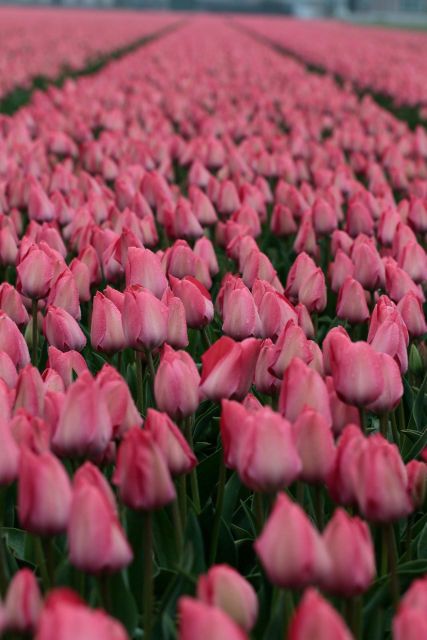
After meeting in Amsterdam, you head west into the bulb region. Along the way, you’ll get a photo stop in Lisse—a quick 15 minutes is the idea here. It’s not meant to replace the bigger field walks later. It’s meant to give you that early “okay, this is real” moment.
In Lisse, you’re close enough to feel the concentration of spring blooms, but you’re also not stuck there too long. That keeps the energy up for the main stops in the bulb-growing area, where you’ll have more time on foot.
If you love photos, this is also a good time to do a first round of shots with the sky and lighting still fresh in your mind. Then later, you can come back with a better sense of what angles you like: wide rows, close-ups of different varieties, or people-in-the-fields scale.
Voorhout flower fields: walking where tulips actually grow
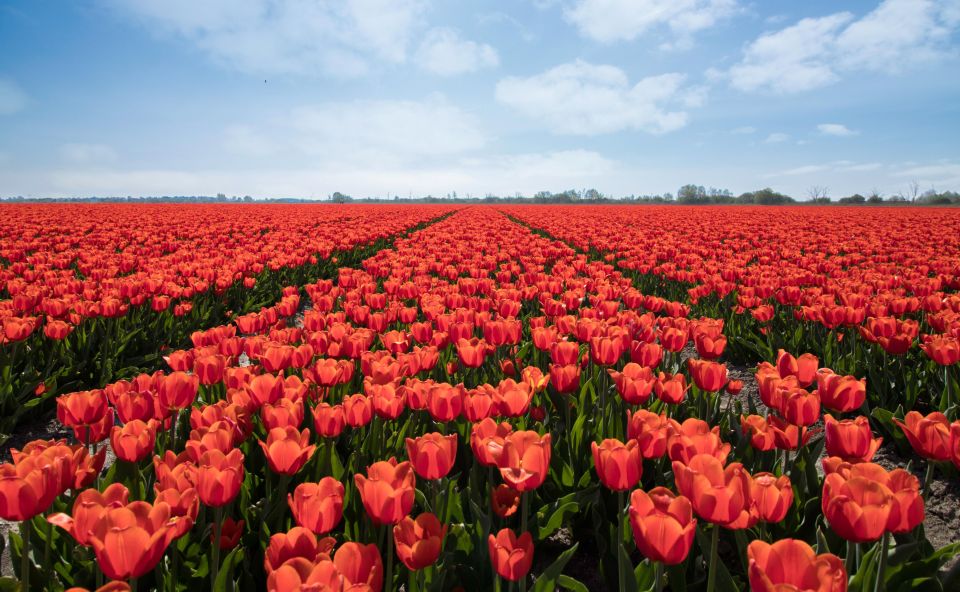
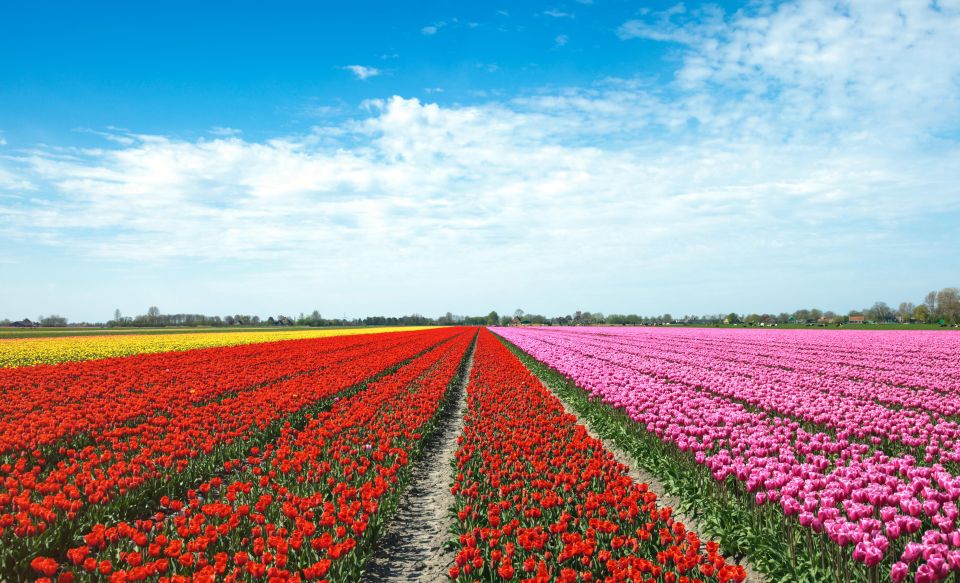
The big experience is the time you spend in the bulb region near Voorhout. This is not just a stroll through a decorative garden. The tour includes a visit to a tulip bulb farmer and a walk through the fields. That’s a major reason the trip feels authentic.
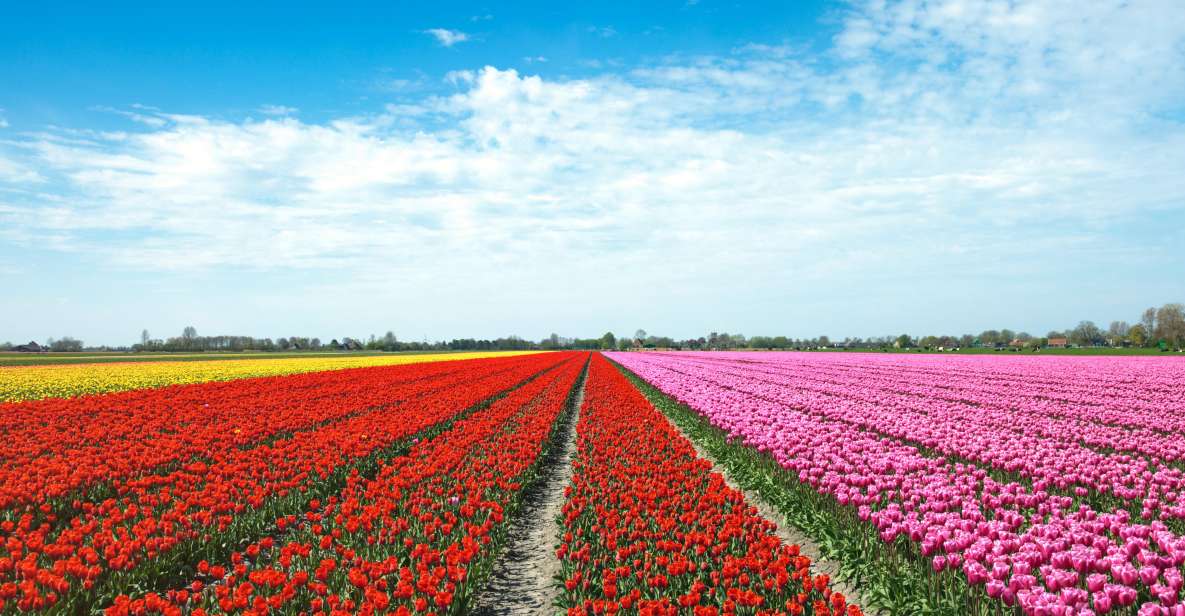
Walking in agricultural fields is different from walking through a designed display. You get to see how the rows are laid out, how varieties can look different even within the same season, and how the setting feels like working land rather than a theme park.
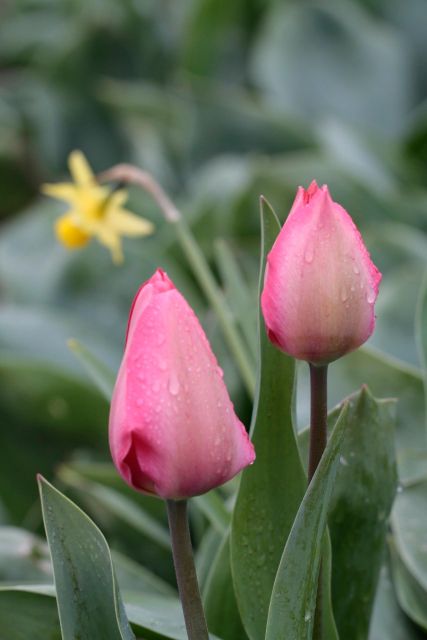
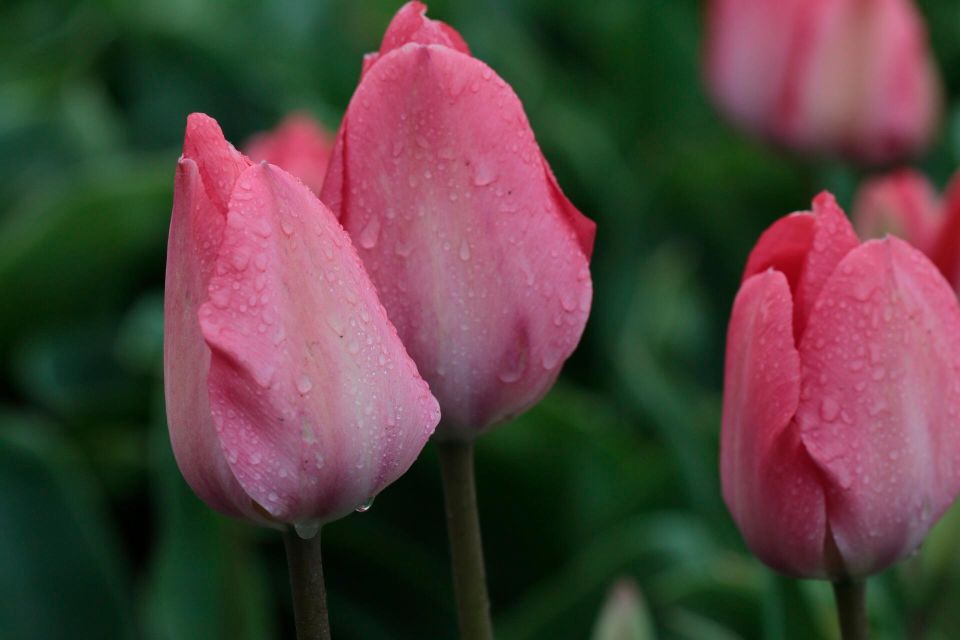
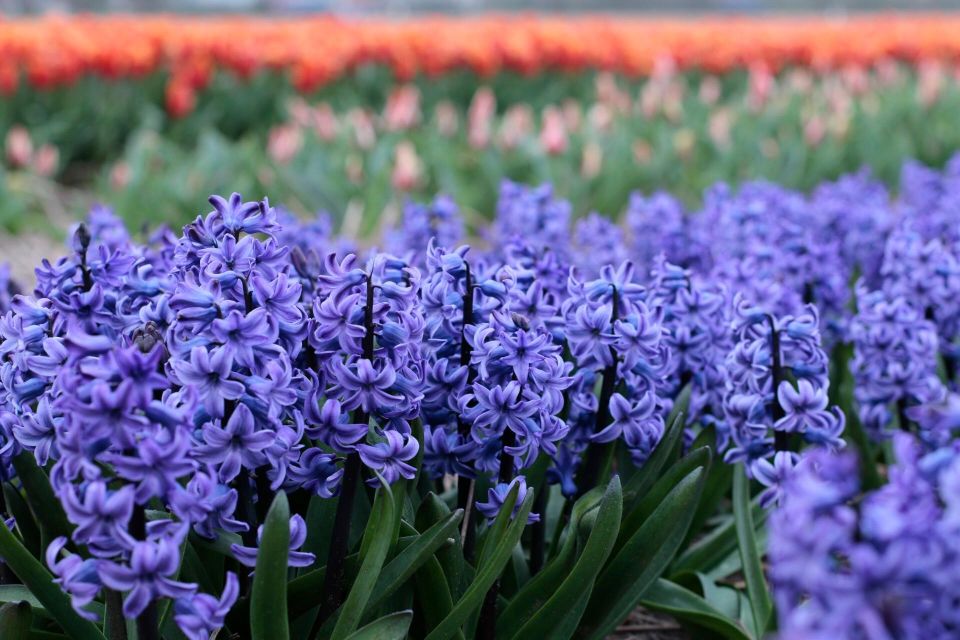
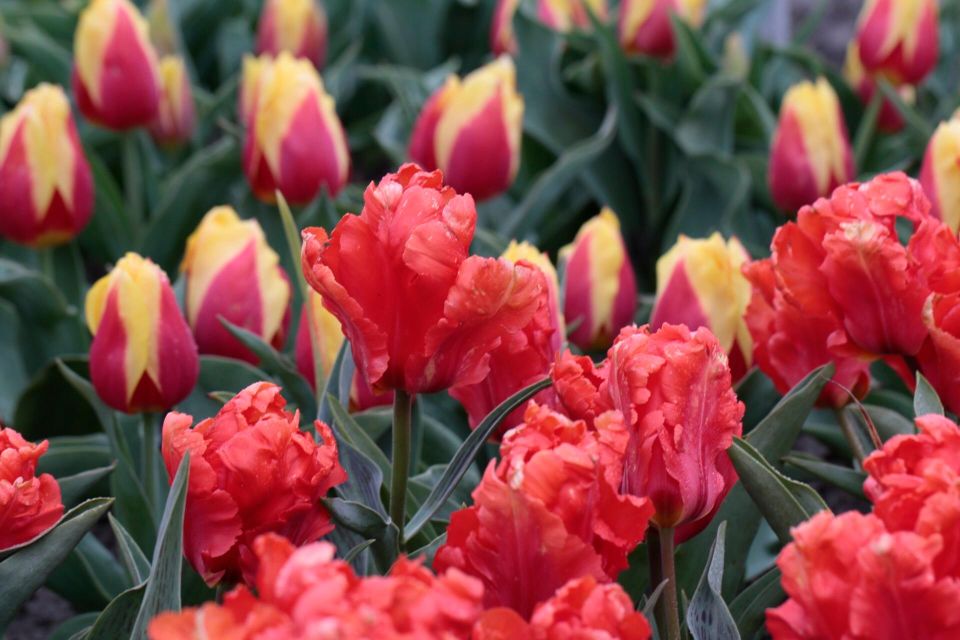
Expect to see spring stars: hyacinths, daffodils, and tulips, often with different varieties mixed across the landscape. Even when you think you know what a tulip looks like, you’ll usually spot differences once you’re actually standing among the plants—petal shapes, color depth, and how blooms cluster.
One small reality check: you’ll want comfortable clothes and good walking shoes. The field walk is part of the point, so skip anything restrictive. Also, this tour doesn’t allow baby strollers or luggage/large bags, so plan to travel light.



Leander’s tulip talk: history, cultivation, and what to look for
This tour stands or falls on the guide, and it sounds like Leander delivers. People consistently highlight that he’s friendly and funny, but also that he brings a lot to the story. You’re not just hearing dates. You’re learning why tulips are cultivated the way they are, and what makes the system work in the Netherlands.
In particular, the conversations cover the history of tulips in Holland and the practical “how” of growing and cultivating bulbs—plus the basics of propagation. If you like explanations that connect farming to the final colors you’re seeing, you’ll appreciate this.
Leander also seems to be good at the details that help during the photos. One review specifically calls out that he takes great pictures, which matches the feeling of a guide who understands you want proof of the experience, not just memories.
What I’d suggest to you: treat the field walk like a guided scavenger hunt. When Leander points out cultivation or variety differences, slow down and actually look. Then, when you do photos, you’ll frame shots with meaning instead of only color.
And yes, you’ll still get beauty. The guide’s storytelling just helps you notice more of it.
Coffee and Dutch apple pie at De Tulperij, Voorhout
About halfway through, you’ll stop at De Tulperij, Voorhout for a break. This is one of those tour moments that you’ll remember longer than the coffee shop itself, because it resets your energy and gives you a real taste of Dutch comfort food.
The stop includes Dutch apple pie, plus tea and coffee. The tour also mentions local snacks, so it’s not just a rushed coffee fix. It’s a proper pause in the middle of a spring field day.
Why I like this setup: when you’re outside in spring, the day can shift quickly—wind, chill in the morning, and lots of standing still for photos. A warm drink and something sweet is a simple fix that keeps you from turning impatient halfway through.
Also, this break lets you digest what you’ve seen so far. You’ll likely start the day treating the fields like stunning scenery. Then you take the pie break, and suddenly the tulip talk clicks into something more grounded: you’re seeing an industry, not just a postcard.
If you’re tempted to skip the pie because you’re trying to stay light, I’d say don’t. This is the kind of included food stop that feels worth it.
Second photo stop near Voorhout: take your best shots, then go
After the coffee break, you head back through the bulb region with another photo stop in Voorhout (again, about 15 minutes). This is your chance to capture whatever you missed earlier.
By now, you’ll probably have figured out your favorite angle:
- Wide rows for the “how far can this go?” feeling
- Color contrast for showing different varieties
- Close-up details to highlight the shapes and tones
This second stop matters because tulip season can shift your expectations. One area might be heavier on color density. Another might show blooms in a different stage. With two planned stops, you get more chances to land a photo you actually love.
Then it’s the drive back to Amsterdam. You’ll end where you started at Oosterdokskade 4, and the van ride keeps you out of the “what bus do I take now” problem that independent travel often creates.
Price and value: what $200 buys in a 5-hour day
At $200 per person for about 5 hours, you’re paying more than the classic cheap bus tour. So the question is: what are you getting for the extra money?
Here’s what the price covers based on what’s included:
- Roundtrip transportation by van from Amsterdam
- Water onboard
- A Dutch apple pie stop, plus tea and coffee
- A live English guide
- A small group limited to 7 participants
So you’re not just paying for scenery. You’re paying for access (van routing into areas big buses can’t reach), time on foot in farm fields, and the guide-led learning that makes the pictures more interesting later.
If you love authentic experiences and hate feeling rushed, this is good value. If you only care about a quick tulip snapshot and you’re fine with big group vibes, you might find cheaper options elsewhere. But if you want the fields plus a real Dutch food break plus explanations from someone like Leander, the math starts to make sense.
One practical note: because the tour is relatively short, bring your expectations for a half-day. It’s a focused outing, not an all-day immersion where you also do museums and canals. Think spring-field morning, not full Dutch itinerary.
Who should book this flower-field van tour
This tour is a strong fit if you want:
- A small-group spring trip with room for questions
- Real walking in bulb fields and a farm visit
- A guide who connects what you see to how tulips are cultivated
- Included comfort food—especially Dutch apple pie
It may be a poor fit if:
- You need wheelchair accessibility (it’s not suitable for wheelchair users)
- You travel with a lot of luggage or want a stroller (both aren’t allowed)
- You prefer long, unstructured wandering. This is guided and scheduled, just not overly stiff.
I’d also say it’s perfect for first-time visitors to Amsterdam who want to experience a very Dutch spring without dedicating a full day. It hits countryside culture fast, then brings you back.
And if you’re a photography person, you’ll appreciate that there are multiple photo stops and a guide who helps with pictures.
Should you book this Tulip Fields of Holland Tour?
If you’re planning your spring trip and you want something that feels more personal than the big-bus flow, I think this is an easy yes. The combination of van access, farm-field walking, and Leander’s explanations makes it more than just a color tour. Add the Dutch apple pie stop, and it feels like a day you’ll actually remember.
Book it especially if you’re traveling in the sweet spot from April 7 to April 30, when the bloom show is at its best. If you’re traveling outside that window, you can still enjoy the countryside and learning, but you’ll want to be flexible about how peak the fields look.
FAQ
Is the tour duration really 5 hours?
Yes. The tour is listed as a 5-hour experience.
How many people are in the group?
It’s a small group with a maximum of 7 participants.
What’s included besides the van ride?
You get roundtrip transportation from Amsterdam by van, water onboard, Dutch apple pie, and coffee and tea, plus an English live tour guide.
Where do I meet in Amsterdam?
Meet at Lot61 (Coffee Place) under the Hilton DoubleTree Hotel. If you’re using public transportation, the guidance mentions stopping at Grand Central Station and walking east to Lot61.
What flowers can I expect to see?
The tour description says you’ll see blooming hyacinths, daffodils, and tulips with different varieties.
What time of year is best for viewing the fields?
The best time to view the fields is April 7 through April 30.
Is the tour wheelchair accessible?
No. It’s not suitable for wheelchair users.