REVIEW · AMSTERDAM
Amsterdam’s Countryside Half-Day Bike Tour in Small Group
Book on Viator →Operated by We Bike Amsterdam · Bookable on Viator
Bike out of Amsterdam for real life. This half-day countryside ride heads into the Waterland region north of town, where Dutch water control, farms, and quiet villages roll by at a human pace. I especially like the small-group limit, because it keeps the ride interactive, and I also like that the route is planned so you see Dutch countryside details you’d struggle to string together on your own.
The only real drawback to plan for is that you’ll spend at least some time cycling near city streets before you fully escape, and the tour depends on good weather, so wind or rain can change how comfortable you feel.
In This Review
- Key highlights worth your time
- Riding Beyond Amsterdam Toward Waterland’s Polders
- The Small-Group Cap That Makes It Feel Personal
- Start Smart at Spuistraat: Bikes, Helmets, and the First Push Out of Town
- Waterland Polders: What You Actually Learn While You Pedal
- Holysloot Break at het Schoolhuis and Why Apple Pie Matters
- Ransdorp Tower Stop: History You Can See from the Road
- Windmill Finale at Krijtmolen d’Admiraal (1792)
- Practical Stuff You’ll Want to Know Before You Go
- Ride style and fitness
- Weather matters more than you think
- What’s included (and what isn’t)
- Language
- Price and Value: What You’re Really Paying For
- Who This Tour Fits Best (and Who Might Skip It)
- Book It or Pass: My Decision Guide
- FAQ
- How long is the Amsterdam countryside half-day bike tour?
- How many people are in the group?
- What’s included in the price?
- Is the tour offered in English?
- Where do I meet, and where does the tour end?
- What time does the tour start?
- What fitness level do I need?
- Is coffee or apple pie included?
- What happens if weather is poor?
Key highlights worth your time
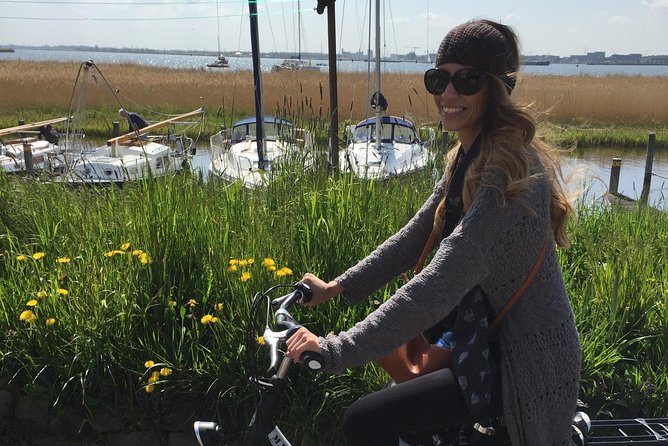
- Waterland polder scenery and water management stories on flat, bike-friendly terrain
- Small-group cap (11 max) that makes it easy to ask questions and keep a steady pace
- Holysloot break at het Schoolhuis with a well-known apple-pie stop (a major reward halfway through)
- Ransdorp tower and 80-Years War context that turns photo stops into real understanding
- Windmill views at Krijtmolen d’Admiraal (1792) for a classic Dutch finale
Riding Beyond Amsterdam Toward Waterland’s Polders
If Amsterdam is all canals and museums, this tour gives you the Dutch “how we live here” side of the country. You ride north into Waterland, a low-lying region of farms and waterways shaped by the constant job of water control. Even if you’ve seen Dutch dikes in photos, it’s different when you’re biking past the systems that make everyday life possible.
What I like is that the guide doesn’t just name places. The stories connect the scenery to the practical reality: land below sea level only works because people manage water—carefully, consistently, and for generations. You’ll also get the feel of how Dutch countryside moves: quiet roads, farm edges, and small villages where life is built around water.
You’ll come back with more than photos. You’ll understand why the Netherlands looks the way it does, and why “flat” doesn’t mean “simple.”
You can also read our reviews of more cycling tours in Amsterdam
The Small-Group Cap That Makes It Feel Personal
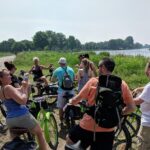
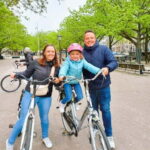
This tour is capped at 11 people, which is the sweet spot for a bike experience. You’re not stuck in a long line where the slowest rider disappears, and you’re not in a tiny private bubble where you can’t compare notes with others.
I like that your guide can actually manage the group in real time. In the same departure style, I’ve seen guides adapt pace when someone needs a breather, and people help each other stay together. That matters because biking in the Netherlands is easy for many riders—but it still takes attention, especially when you’re learning the flow of bike lanes and crossings.
The group mix can be varied too. I’ve noticed the departures often include a wide age range, and solo riders tend to fit in naturally because there’s no reason to hide behind headphones. The result is a tour that feels social without feeling chaotic.
Start Smart at Spuistraat: Bikes, Helmets, and the First Push Out of Town
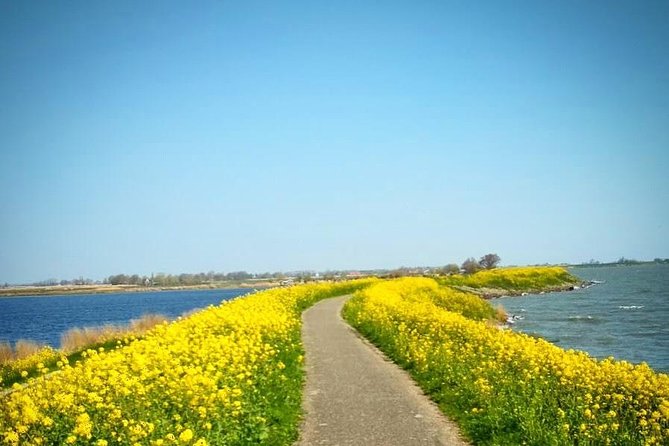
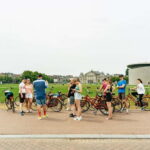
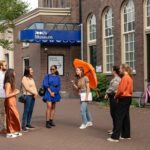
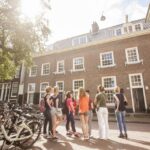
You start at Spuistraat 30 (1012 TS) in Amsterdam, with the tour beginning at 9:30 am. The meeting location is near public transportation, so you’re not forced into a long taxi detour before your ride.
You’ll be given a bike and a helmet as part of the tour. In practice, this takes pressure off the first minutes: you don’t have to guess whether the rental will fit, or whether the brakes are up to the task.
Here’s what to expect in the first stretch: a short ride that gets you oriented, and often an early water crossing by ferry before the route opens up north. That transition is a big part of the charm. You’re in Amsterdam long enough to get moving, and then you’re out of the density fast.
One note: the start can feel a little “busy” for riders who aren’t used to city cycling. It’s usually manageable because the guide keeps you together, but if you’re sensitive to traffic, take it slow during the initial urban segment. Once you’re out in Waterland, conditions usually feel calmer and more relaxed.
Waterland Polders: What You Actually Learn While You Pedal
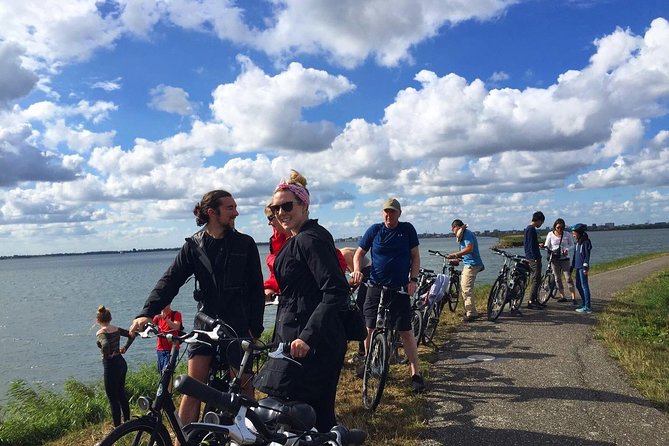
This is where the tour becomes more than scenic biking. The Dutch countryside around Amsterdam is shaped by water engineering, and the guide’s explanations help you read what you’re seeing.
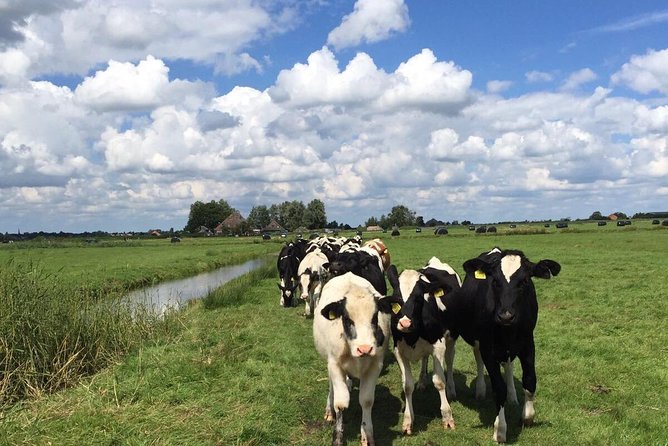
As you ride, you’ll pass through typical polder farmland—areas kept usable through constant water management. The guide will explain how the Dutch live below sea level, and how water control isn’t a one-time project. It’s ongoing maintenance, rules, and community effort.
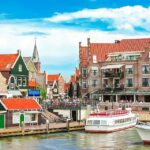
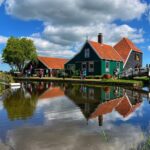
You’ll also pedal through the kind of villages that grew around water access—old fishermen villages where waterways weren’t just views. They were infrastructure. That context turns a “cute street” photo into a better story: why a settlement is where it is, and why the Dutch treat water as both friend and responsibility.
It’s also a smart way to learn because you’re moving. If you tried to read this at a museum, it might stay in your head as facts. On a bike, it sticks because you’re constantly connecting story to scenery.
Holysloot Break at het Schoolhuis and Why Apple Pie Matters
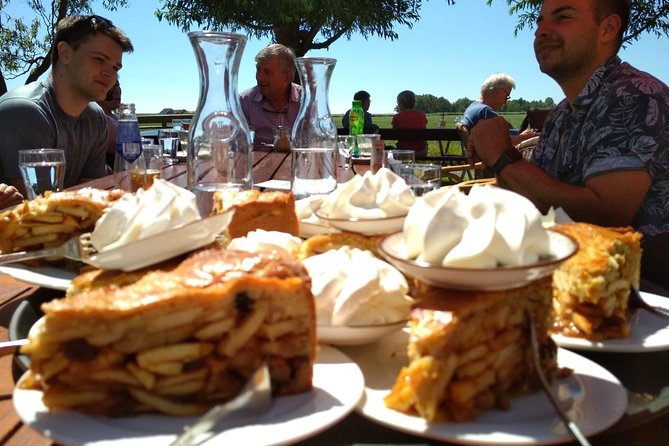
Halfway through the ride, you stop in Holysloot, a tiny farming village in the middle of the countryside. This stop is built for a real rest, not a quick photo break. You’ll have about 30 minutes here.
The big draw is het Schoolhuis, a love restaurant that sits in the former school of the village. The featured comfort food is the local apple pie, and it’s often described as world-famous in the area. Whether you’re a sweet-tooth or not, it’s a smart fuel stop: pastry + tea/coffee vibes are exactly what you want before the final stretch.
This is also the easiest moment to reset your posture. Even if you’re riding mostly flat roads, a few hours on a bike makes your legs and back want a break. The stop makes sure you don’t have to “power through” just because the tour schedule moves.
If you’re watching your budget, note that coffee and/or tea isn’t included, and the apple pie is an optional expense. But many riders treat the pie as part of the fun. It’s not a random tourist gimmick—it’s tied to the village itself.
You can also read our reviews of more tours and experiences in Amsterdam

Ransdorp Tower Stop: History You Can See from the Road
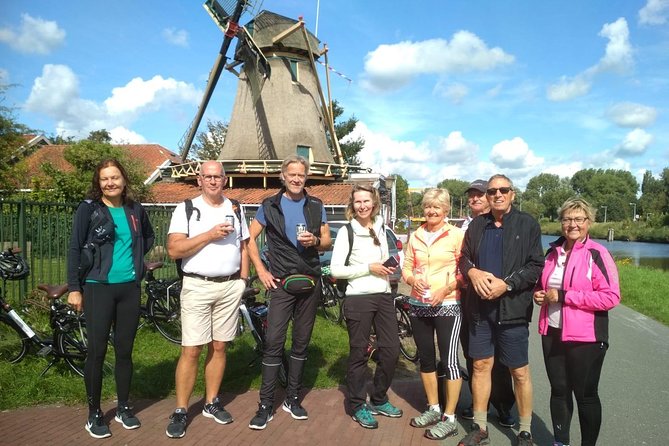
After Holysloot, the ride continues with a quick stop in Ransdorp. This one is shorter—about 15 minutes—but it’s meaningful because it has a clear visual anchor: the tower of Ransdorp.
The guide points out the tower as the oldest building in the area, and connects it to the 80-Years War between Holland and Spain. You get a history lesson with a real place to attach it to, which is exactly how you retain info while traveling.
Even if you’re not a history super-fan, this stop works because it answers a practical question: why do Dutch villages look the way they do? The tower isn’t just old; it signals how communities organized themselves, survived conflict, and kept functioning.
And because the stop is short, you don’t lose momentum. It’s a break for context, not a detour that steals time from biking.
Windmill Finale at Krijtmolen d’Admiraal (1792)
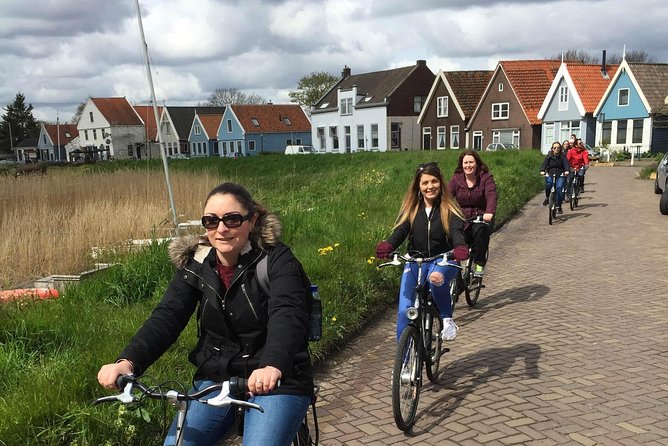
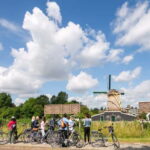
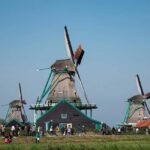
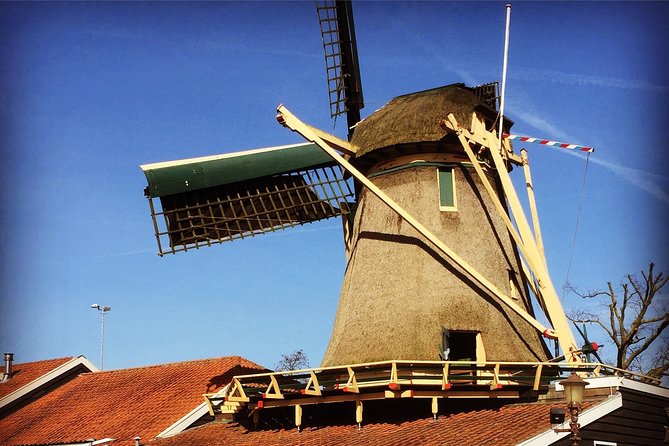
Every Dutch countryside bike tour worth its salt needs a windmill. Here, you’ll pass by Krijtmolen d’Admiraal, a windmill dating to 1792.
You typically spend about 15 minutes at this kind of stop window. That’s enough time to get photos, check out the structure from a comfortable angle, and hear the guide’s explanation of what the mill used to do for the local industry.
Why I like ending with a windmill: it’s an instantly recognizable symbol of Dutch ingenuity. And when the guide connects it back to water management and local industry, it stops feeling like a postcard. It becomes part of the bigger picture of how Dutch systems—wind, water, and land—worked together.
Also, it’s a satisfying “wrap” before the ride brings you back toward Amsterdam.
Practical Stuff You’ll Want to Know Before You Go
Ride style and fitness
You only need moderate physical fitness for this tour. The good news is that the countryside around Amsterdam is known for flat riding, and the pace is usually set to keep the group comfortable. I’ve seen departures where guides pace well enough for a wide age range.
That said, you still have to be comfortable cycling for stretches at a steady speed. If you’re brand-new to bikes, or you get nervous balancing at speed, you’ll want to think twice. Even when roads are calm, you’re still riding for a few hours.
Weather matters more than you think
The tour requires good weather. That doesn’t mean you’ll never see rain—some departures include wet conditions—but it does mean the operator will make decisions based on safety and comfort.
If the forecast looks grey, bring a rain layer and consider waterproof gloves or a jacket with a hood. Wind can also be a factor out in open countryside, so a light windbreaker is smart.
What’s included (and what isn’t)
Included is the guided 4-hour bike tour, your guide, the bike, and a helmet. You also get the free admission tickets connected with the stop points.
Not included: coffee and/or tea, plus the apple pie is optional at your own expense. Plan your snack budget accordingly. Even if you skip the extras, you still get the planned breaks.
Language
The tour is offered in English, which makes it an easy half-day plan even if your Dutch is limited.
Price and Value: What You’re Really Paying For
At $48.37 per person, this is one of those deals that feels fair once you see what’s included. You’re not paying extra for a bike rental or a guide-led route. You’re also getting structured stops with local context—dikes and below-sea-level living themes, plus the tower and windmill explanations.
If you were to assemble a similar outing yourself, you’d likely spend money on bike rental, then still struggle with the route sequencing and which local sites are worth stopping for. The tour handles the logistics so you can focus on riding and absorbing the meaning behind what you see.
Also, the small group cap adds value. You’re paying for a guide who can keep the group together and adjust pace. That’s the kind of detail that changes the experience from “interesting” to “actually enjoyable.”
Who This Tour Fits Best (and Who Might Skip It)
I think this tour is a strong fit if you want:
- a half-day escape from city streets without losing the chance to learn something real
- an easy way to see Dutch countryside north of Amsterdam without guessing your route
- a small-group format where you can ask questions and stay engaged
It may be less ideal if you:
- hate any chance of city-street cycling at the start
- can’t handle steady bike time for a few hours, even on flat routes
- need guaranteed dry weather (the tour runs based on conditions)
Book It or Pass: My Decision Guide
Book it if your ideal Amsterdam day includes fresh air, flat-country biking, and guided stories about water management, fishermen villages, and the places that shaped life below sea level. The Holysloot stop at het Schoolhuis is a great midway reward, and the windmill finish gives you a classic Dutch finale.
Consider skipping if you’re uncomfortable with biking near Amsterdam streets early on, or if cycling sounds fun only when everything is perfectly calm and dry.
If you’re planning a packed trip and want one high-value, low-stress outdoors block, this is exactly the kind of half-day that refreshes the rest of your stay.
FAQ
How long is the Amsterdam countryside half-day bike tour?
It runs for about 4 hours.
How many people are in the group?
The tour is a small group capped at 11 travelers.
What’s included in the price?
The price includes the 4-hour guided bike tour, the guide, use of the bicycle, and a helmet.
Is the tour offered in English?
Yes, the tour is offered in English.
Where do I meet, and where does the tour end?
You meet at Spuistraat 30, 1012 TS Amsterdam, and the activity ends back at the same meeting point.
What time does the tour start?
The start time is 9:30 am.
What fitness level do I need?
You should have moderate physical fitness.
Is coffee or apple pie included?
Coffee and/or tea are not included. Apple pie is available as an optional purchase at your own expense.
What happens if weather is poor?
The tour requires good weather. If it’s canceled due to poor weather, you’ll be offered a different date or a full refund.