REVIEW · AMSTERDAM
Amsterdam: Once Upon a Time Clock Exhibition Ticket
Book on GetYourGuide →Operated by Once Upon a Time · Bookable on GetYourGuide
A clock exhibit in Amsterdam with a storybook twist. The Once Upon a Time ticket gets you into Museumplein’s clock gallery, where French 19th-century craftsmanship is shown through fairytale-like scenes. I like how this isn’t just about telling time—it’s about looking closely at the details that make each piece feel theatrical.
Two things I really like: the gilded-bronze clock collection and its shiny, gold look, and the built-in audio guide that helps you understand what you’re seeing as you move room to room. One thing to plan for: if you’re relying on step-free routes or wheel access, this isn’t suitable for wheelchair users or people with mobility impairments.
In This Review
- Key Points to Know Before You Go
- Finding Once Upon a Time at Amsterdam’s Museumplein
- Price and Value: What $19 Gets You in Real Terms
- Entering the Once Upon a Time Clock Exhibition: Your Walk-Through Plan
- The Audio Guide: How to Use It Without Overdoing It
- French 19th-Century Clock Craft and the Stories in the Scenes
- The Museum Café Break: Views Over Museumplein
- Practical Notes That Actually Change Your Visit
- Who This Ticket Suits Best (And Who Might Skip It)
- Should You Book Once Upon a Time in Amsterdam?
- FAQ
- Where is the Once Upon a Time meeting point?
- How long is the ticket valid?
- What’s included with the ticket?
- Which languages are available for the audio guide?
- Are food and drinks included in the café?
- Is this experience suitable for wheelchair users?
- How far do you go during the activity?
- Can I cancel for a refund?
Key Points to Know Before You Go
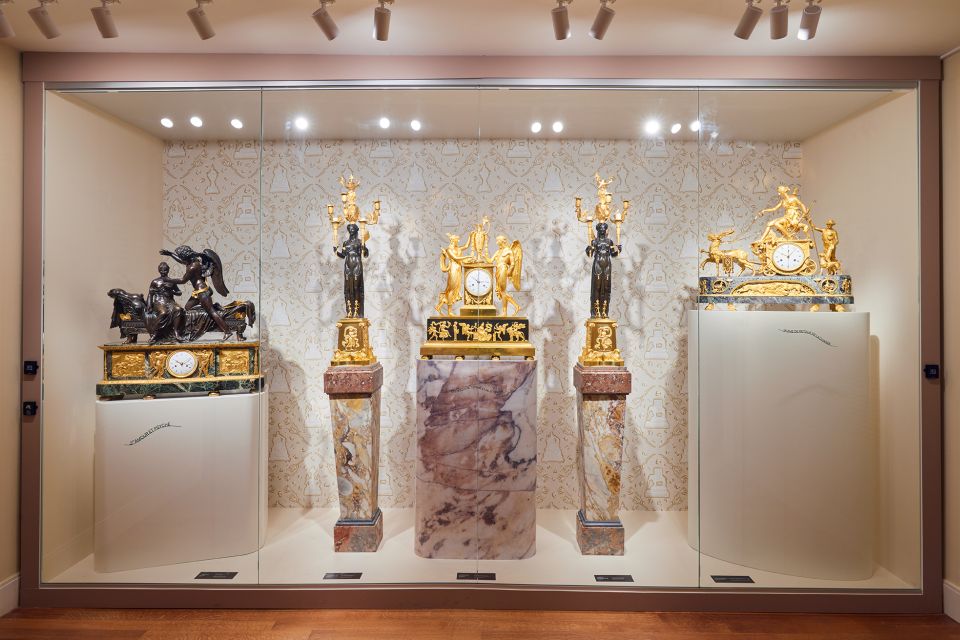
- Museumplein location, between Moco Museum and Van Gogh Museum: plan to use the big Once Upon a Time banner to find it fast
- Audio guide included: available in Dutch, English, French, and German
- Gilded-bronze clocks with story scenes: you’ll see fairytale themes like tales of antiquity and rare animals
- Museum café access after the gallery: stop for a hot drink with views over the square
- Not wheelchair accessible: movement restrictions are a real factor here
Finding Once Upon a Time at Amsterdam’s Museumplein
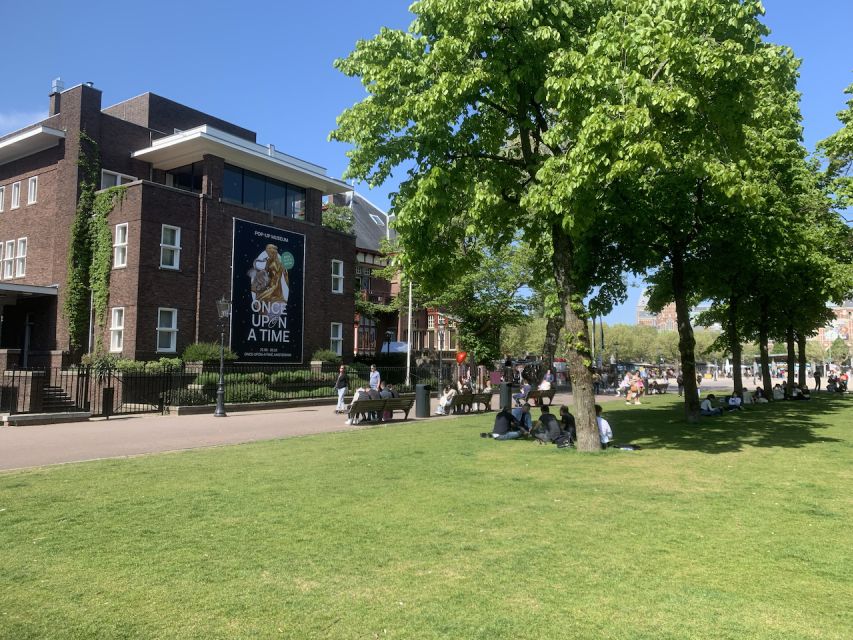
This ticket starts at a very specific spot, and that matters because Amsterdam museums can blur together quickly. Your start point is at the building with the Once Upon a Time banner, placed between the Moco Museum and the Van Gogh Museum on Museumplein. If you show up with a mental map of the two big-name neighbors, you’ll do fine.
Here’s the practical tip I’d use: walk right up to the banner area before you start looking at anything else. Some people get stuck just because they’re hunting the wrong entrance. Once you’re standing by the correct building, everything gets easier—ticket redemption (as applicable) and getting into the exhibit.
Also note the experience ends back at the meeting point. That’s useful if you like a clean plan for the rest of your day—this isn’t one of those “follow the leader across the city” events.
You can also read our reviews of more tours and experiences in Amsterdam



Price and Value: What $19 Gets You in Real Terms
At about $19 per person, you’re paying for one-day access to the Once Upon a Time exhibition plus an audio guide and café entry. That’s a straightforward value setup: you’re not paying extra for the guide itself, and you’re not forced to spend money on drinks inside.
What makes the pricing feel fair is that the exhibition is designed for slow looking. You’re meant to walk through multiple rooms of clocks, take in the craft, and then use the audio guide to connect the visual details to the stories behind them. For a fixed ticket price, that pacing can feel like good “time per ticket” value—especially in a museum area where you might otherwise bounce between stops.
One consideration: food and drinks are not included. You can still use the café area, but you’ll need to budget for what you order.
Entering the Once Upon a Time Clock Exhibition: Your Walk-Through Plan
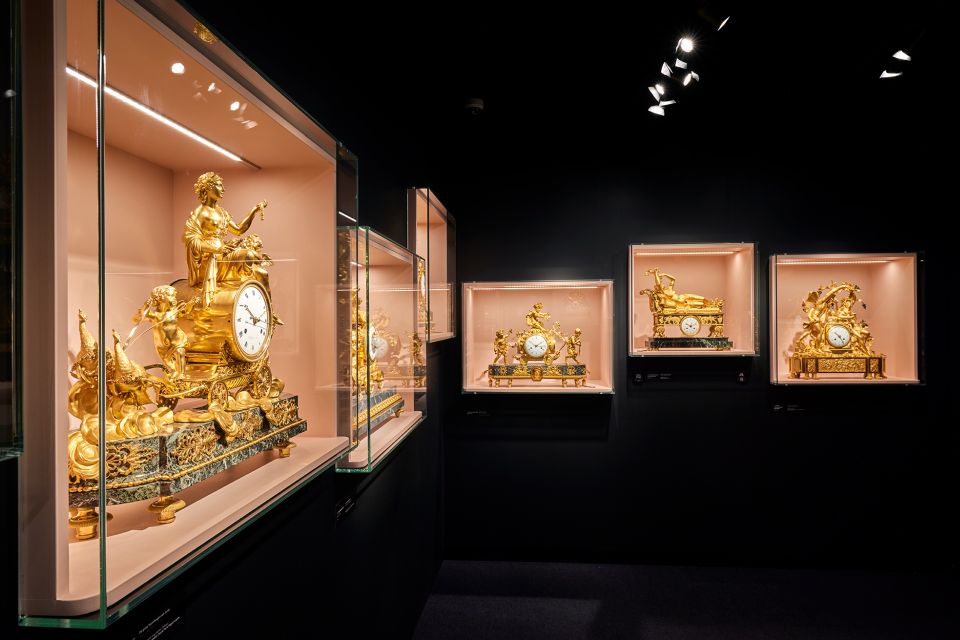
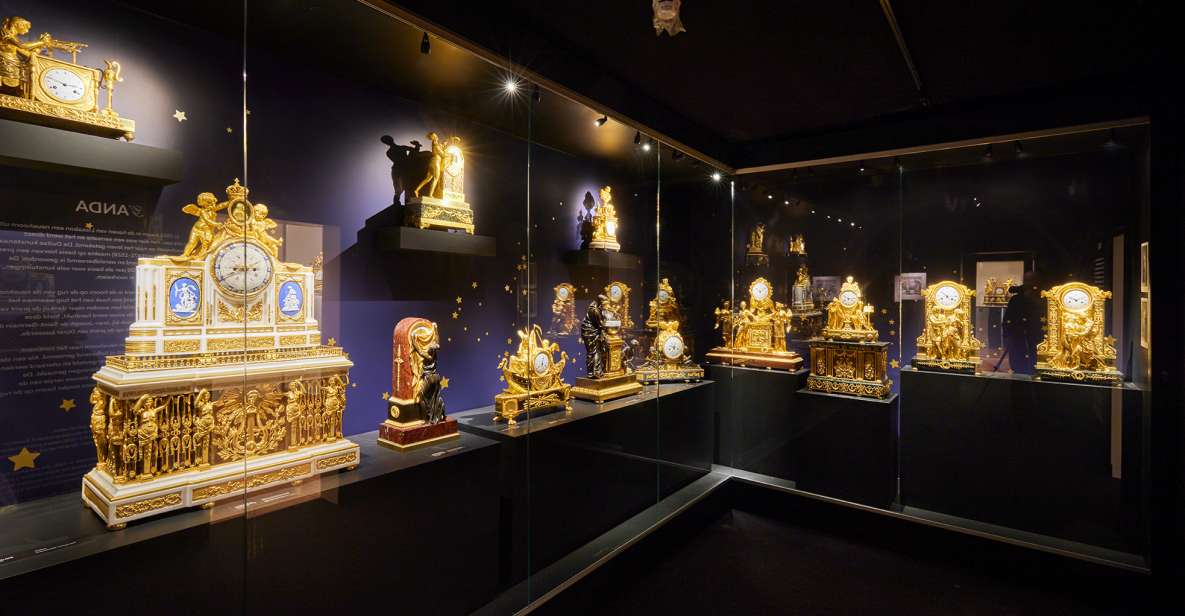
Once you’re inside, the experience centers on one main thing: the clock collection. The exhibit focuses on gilded-bronze timepieces with a shimmering, gold-like look. From the start, the feel is part museum collection and part fairytale gallery—so don’t rush. If you tend to skim museums, this is the type where slowing down actually pays off.
What you can expect as you move through:
- You’ll see a series of beautifully crafted clocks, displayed so you can walk along and observe them from different angles.
- The themes aren’t random decoration. The exhibit includes clocks that depict tales of antiquity and scenes with rare animals, which helps you understand why the makers put so much visual work into the scenes.
- The clocks are described as coming from French clockmakers of the 19th century, which adds an extra layer if you like craft and historical design.
The rhythm is simple: see a clock, listen to the audio guide for context, then look again. The second look usually hits harder because you now know what the story elements are trying to show.
The Audio Guide: How to Use It Without Overdoing It
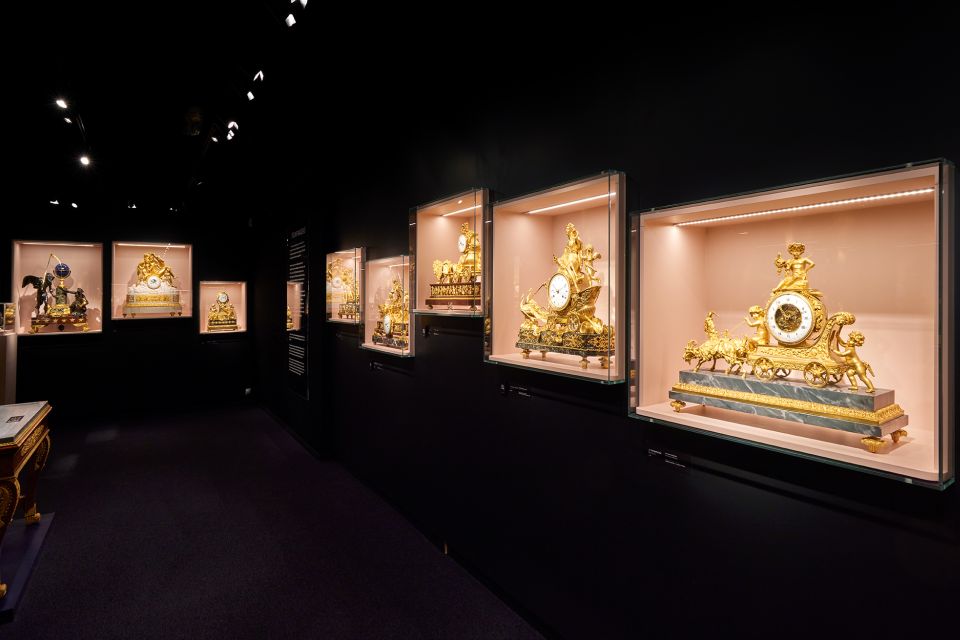
The audio guide is included, and it’s available in Dutch, English, French, and German. That means you can pick the language that fits you best and stay focused while you walk.
If you want to get the most out of it, use a light-touch approach:
- Pick a clock and listen to the explanation fully.
- Then glance around at nearby pieces before moving on, so you notice patterns (materials, story styles, and the way themes repeat).
- Don’t try to capture everything in one pass. The goal is understanding what you’re seeing, not collecting facts like souvenirs.
If you’re the type who enjoys “why does this look like that,” the guide is the reason this exhibition feels more than just pretty clocks. It connects the visual narrative to the craftsmanship.
French 19th-Century Clock Craft and the Stories in the Scenes
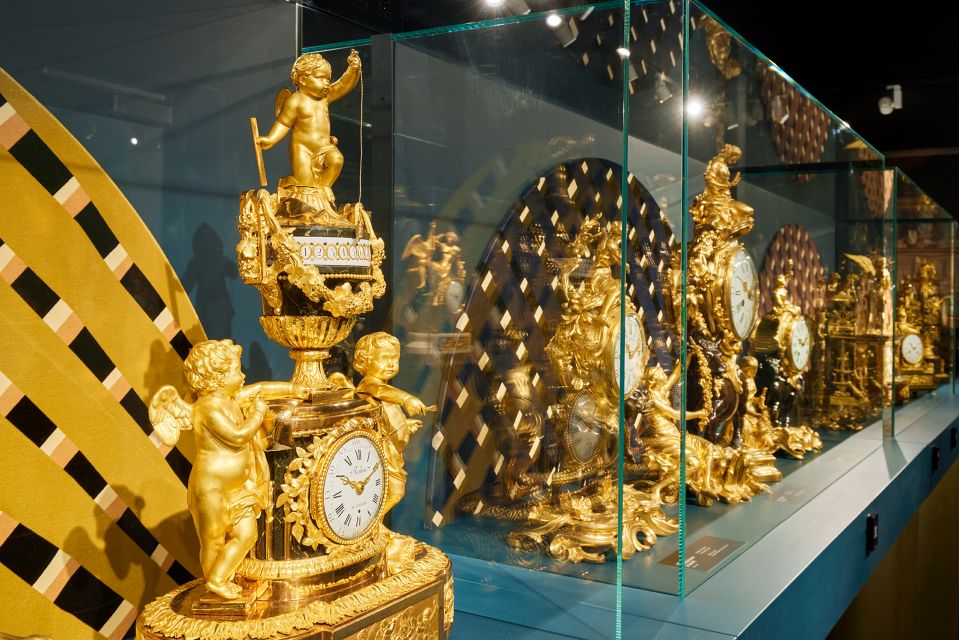
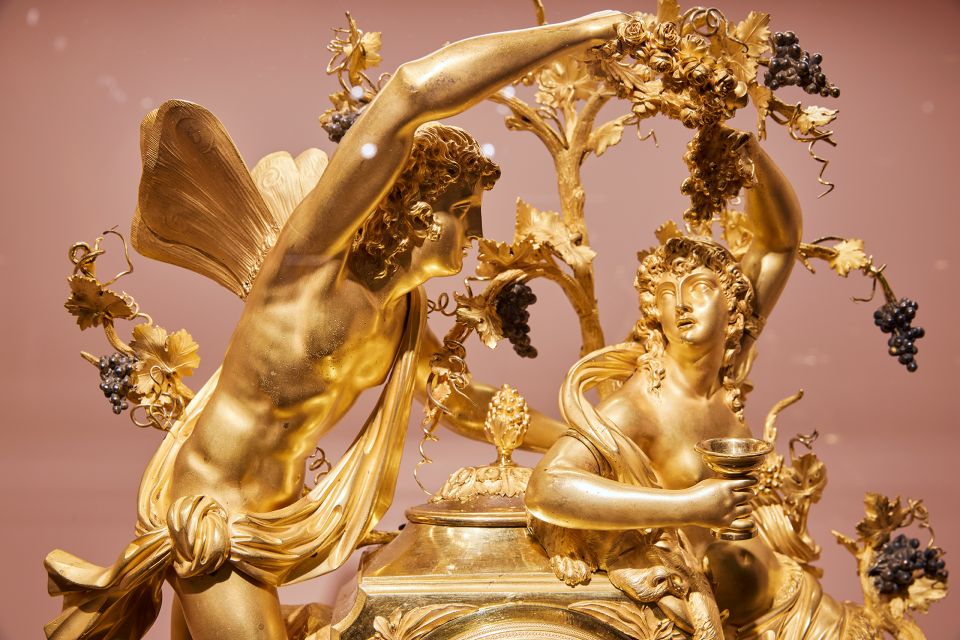
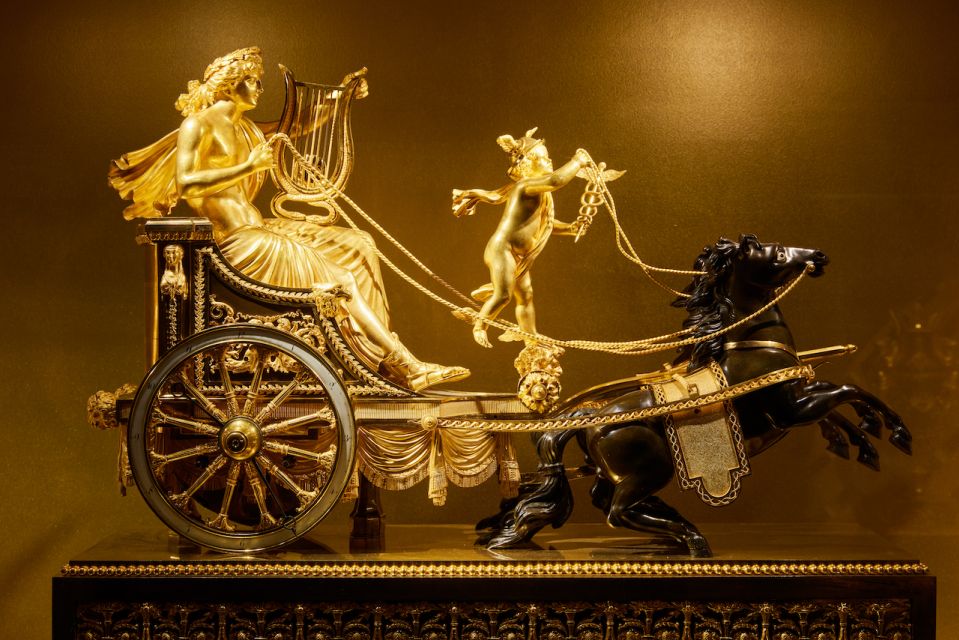
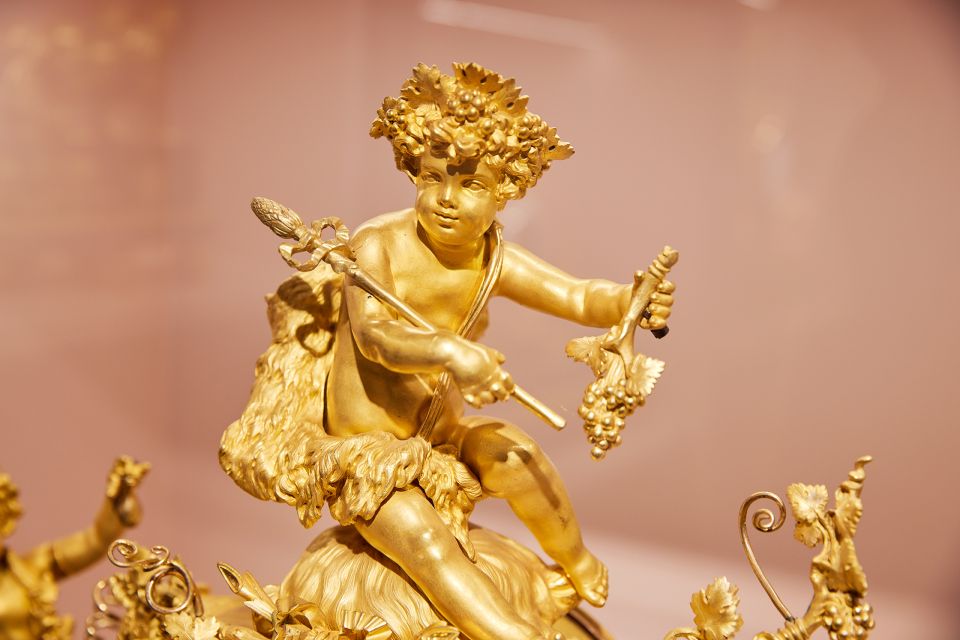
The headline attraction is the craftsmanship. These clocks aren’t just functional objects; they’re built like artwork. The description emphasizes gilded-bronze pieces and a shining, gold collection—so expect a lot of visual intensity.
But what makes the exhibit more engaging is the way it uses storytelling. You’ll encounter clocks that illustrate:
- Tales of antiquity, which gives the designs a legendary or historical flavor
- Rare animals, which makes the scenes feel more like folklore than standard decoration
- Themes described as showing universal beauty, meaning the display aims for an emotional reaction, not just technical appreciation
This matters for your visit because it changes your viewing. Instead of treating each clock as a standalone object, you start looking for narrative cues: what scene is being depicted, how the maker used figures and ornamentation, and how the clocks communicate a mood.
If you like art that has a clear theme, you’ll likely enjoy this more than a typical “glass case and label” museum stop.
You can also read our reviews of more museum experiences in Amsterdam






The Museum Café Break: Views Over Museumplein
When you finish the gallery, you have access to the museum café. Food and drinks are not included, but the café access is part of the ticket value. This is a smart move in Amsterdam museum-land because your brain needs a pause after close looking.
The best part is the setting. You can sit with a hot drink and take in great views over the main square. Museumplein is one of those places where the architecture and people-watching keep things lively, even if you’re just resting.
Use the café time to do two simple things:
- Write down which clocks you found most interesting before the details blur.
- Decide if you want to pair this stop with another nearby museum (you’re already in the right zone).
Practical Notes That Actually Change Your Visit
A few details from the activity info are worth treating as “visit reality,” not fine print:
- Starting times: The ticket is valid for 1 day, and you should check availability to see starting times. That means this works best if you’re already planning a Museumplein block on your schedule.
- Languages: The host/greeter is in Dutch and English, and the audio guide also covers Dutch, English, French, and German. If you prefer a non-English language for the guide, you can choose it.
- Mobility: It’s not suitable for people with mobility impairments or wheelchair users. If you have any mobility constraints, plan around that before you commit.
And one more small but important thing: the exhibit is easy to mix up if you’re scanning the area without committing to the correct building. Since the start is tied to the banner between major museums, treat wayfinding as your first task.
Who This Ticket Suits Best (And Who Might Skip It)
This experience fits best if you enjoy:
- Artful museum exhibits where craftsmanship is the main event
- Story-based design, especially when objects are built with fairytale or thematic scenes
- Slower museum pacing with an audio guide guiding your attention
It’s also a solid pick for people who want an Amsterdam museum experience that feels playful, not stuffy. You’ll still get the craft details, but the scenes help keep things emotionally engaging.
Who might skip:
- If you need wheelchair-friendly access, this isn’t the right option.
- If you’re looking for a very active, hands-on activity, this is primarily a viewing experience with audio support.
Should You Book Once Upon a Time in Amsterdam?
I’d book this if you want a museum stop that combines gorgeous gilded clock craftsmanship with an audio guide that explains the stories behind what you’re seeing. At around $19 for one day, with café access included, it’s priced in a way that feels practical for a Museumplein afternoon.
I’d think twice if you’re having trouble with museum walking routes or if mobility is a key concern. Also, do yourself a favor and plan to find the correct building between Moco and Van Gogh using the Once Upon a Time banner—getting lost before you even start is the easiest way to turn a good visit into a frustrating one.
FAQ
Where is the Once Upon a Time meeting point?
Look for the building with the Once Upon a Time banner, between the Moco Museum and the Van Gogh Museum on Museumplein.
How long is the ticket valid?
The ticket is valid for 1 day. You’ll need to check availability to see starting times.
What’s included with the ticket?
The ticket includes entry to the Once Upon a Time exhibition, an audio guide, and access to the museum café.
Which languages are available for the audio guide?
The audio guide is available in Dutch, English, French, and German. The host or greeter is in Dutch and English.
Are food and drinks included in the café?
No. Food and drinks are not included, though café access is part of your ticket.
Is this experience suitable for wheelchair users?
No. It’s listed as not suitable for wheelchair users and people with mobility impairments.
How far do you go during the activity?
The activity begins at the meeting point and ends back at the meeting point.
Can I cancel for a refund?
Yes. Free cancellation is available up to 24 hours in advance for a full refund.