REVIEW · AMSTERDAM
Amsterdam: ARTIS-Micropia Microbe Museum Entry Ticket
Book on GetYourGuide →Operated by ARTIS · Bookable on GetYourGuide
Microbes are everywhere, even in Amsterdam. At ARTIS-Micropia, you get an up-close look at the living world you normally miss, using microscopes, interactive stations, and stories from the lab team. It’s in the ARTIS complex, so the setting feels like a calm pocket of science in the middle of the city.
I like the hands-on approach most. You can do a self-scan to discover microbes on and inside you, and then you collect stamps as you move through the museum, turning a walk into a scavenger-style experience. I also appreciate that it works for curious adults and for kids who need something to do besides read labels.
One thing to consider is price versus how much you want to do in one sitting. At about $21 per person, some people feel the museum could be bigger for the cost, so go in expecting focused exhibits, not a full-day mega-attraction.
In This Review
- Key things to know before you go
- Why Micropia feels different from any museum in Amsterdam
- Getting there: ARTIS gardens, Plantage Kerklaan, and your best arrival time
- Ticket value: what your $21 buys in a 1-day experience
- Your walkthrough: scanner results, stamp trail, and the living exhibits
- The self-scan: the moment it clicks
- Microscopes and interactive displays: see what you can’t see
- Stamp collection: a route that keeps you moving
- Living culture displays and an ant farm-style curiosity
- Daily lab talks at the Laboratorium: when to time your visit
- Spring break Micro Mission (free): the workshop that makes it extra family-friendly
- Pairing options inside ARTIS: Micropia + Groote Museum + Zoo
- Practical pacing: how long you should stay and what to prioritize
- Who should book Micropia, and who might want a different type of museum
- Should you book ARTIS-Micropia tickets?
- FAQ
- Is ARTIS-Micropia the only microbe museum in the world?
- Where is the meeting point for ARTIS-Micropia?
- What are the opening hours?
- How old do kids need to be?
- Do children get free entry?
- What’s included with the ticket?
- Is there anything interactive besides exhibits?
- Are there any daily programs?
- Is there a workshop for kids?
- Can I cancel or pay later?
Key things to know before you go
- World’s only microbe museum: a very specific theme, done seriously
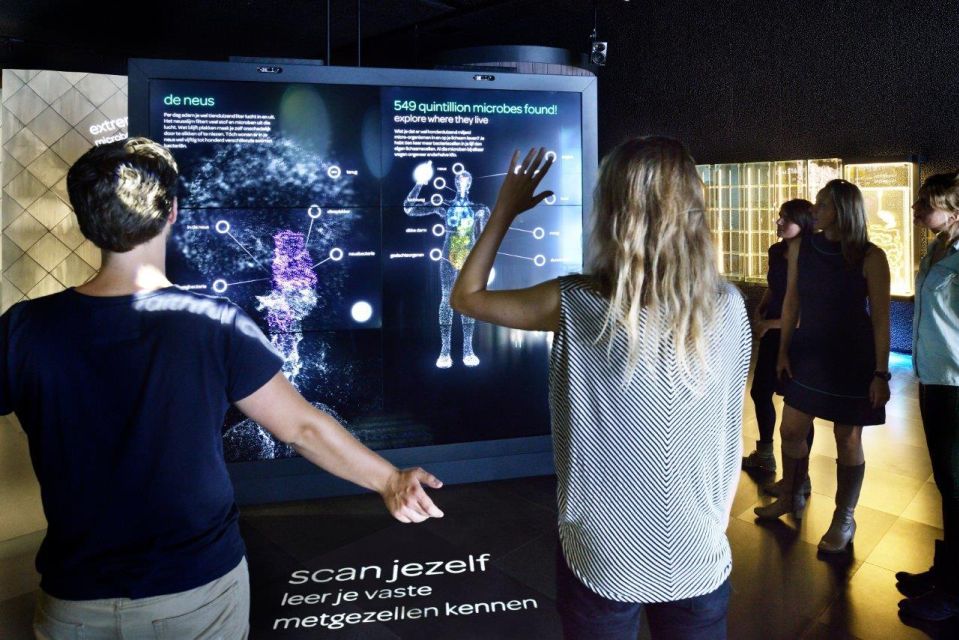
- Scan yourself: find out what lives on and in you
- Stamp collection: a simple goal that makes the route feel organized
- Daily lab talks in front of the Laboratorium: useful if you time your visit right
- Spring break Micro Mission for kids: a free workshop window when it’s running
- Good family pricing: children up to 12 enter free, with an age-8+ recommendation
Why Micropia feels different from any museum in Amsterdam
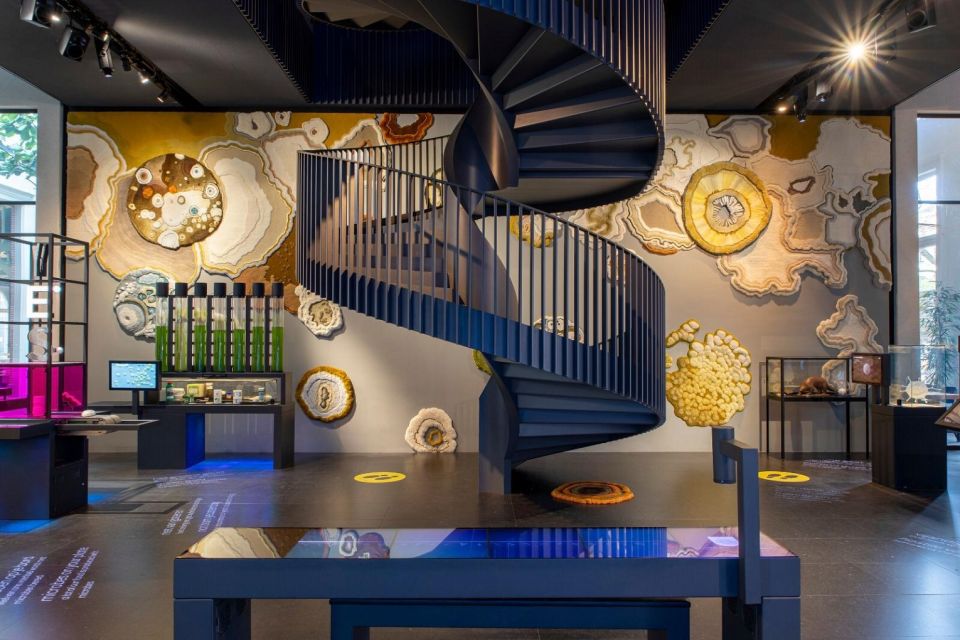
Micropia is built around a simple idea: the most important life on Earth is often invisible. You’ll see how microbes connect to health, food, and nature, but the museum doesn’t rely on heavy lecturing. It uses living examples, interactive tech, and explanations that keep the tone practical.
What makes it work is the balance between wonder and instruction. The exhibits are designed so you can keep moving, notice patterns, and still leave with facts you can repeat to friends. If you like science that feels hands-on instead of textbook-only, this is a strong fit.
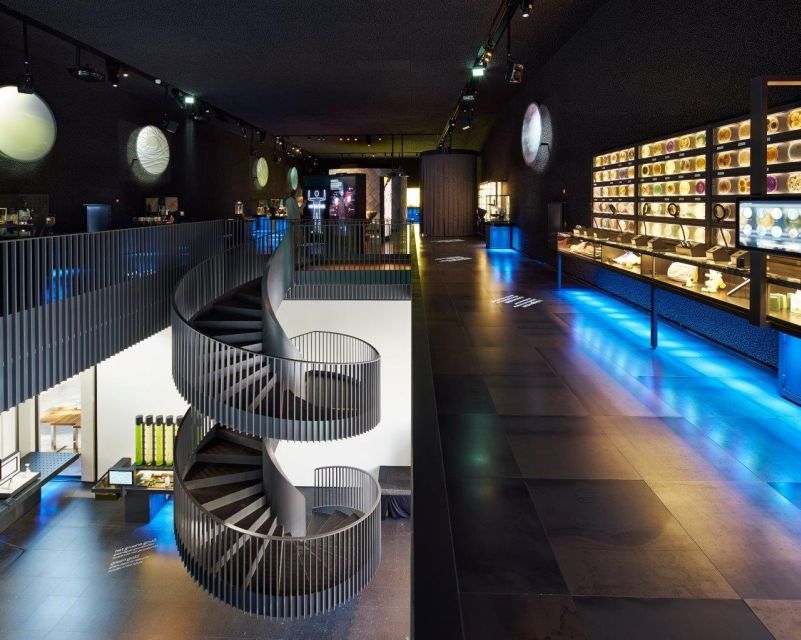
It also helps that the museum sits inside the ARTIS area. You’re not arriving somewhere bare and industrial. You walk into a lively campus vibe—gardens, paths, and casual places to pause—so the whole day feels easier than squeezing one activity into a hurried schedule.
You can also read our reviews of more tours and experiences in Amsterdam


Getting there: ARTIS gardens, Plantage Kerklaan, and your best arrival time
Micropia’s meeting point is Plantage Kerklaan 38-40. It’s also about a 10-minute walk from Amsterdam’s city center, so you can pair it with other nearby stops without needing complicated transit plans.
I’d aim to arrive close to opening time if you can. The museum runs daily from 10:00 to 17:00, and there are things like daily lab talks that can shape your visit. Even if you miss a talk, arriving earlier usually means less pressure to fit everything in.
If you’re visiting during school breaks, plan for extra energy from kids because the museum runs a themed Micro Mission workshop during spring break (details below). That doesn’t ruin the experience. It just changes the feel—more hands-on activity, more movement, and more family chatter.
Ticket value: what your $21 buys in a 1-day experience
The ticket is roughly $21 per person and covers admission to ARTIS-Micropia. That’s the full scope of what you’re paying for here, so it’s worth deciding if you want the microbe theme for long enough to justify the price.
In practice, you’re looking at about 45 minutes to nearly 2 hours, depending on how much you stop to read, watch, and interact. The museum rewards curiosity: if you do the self-scan, follow the interactive stations, and take time with the visuals (like the microscope-based displays and living culture examples), you’ll get your money’s worth faster.
For families, the value is noticeably better. Children age 0–12 enter for free, and the museum is explicitly set up to keep young visitors engaged. Adults-only visits can still be excellent—especially if you enjoy hands-on science—but you may want to go with realistic expectations about how “big” a microbe museum can be.
Your walkthrough: scanner results, stamp trail, and the living exhibits
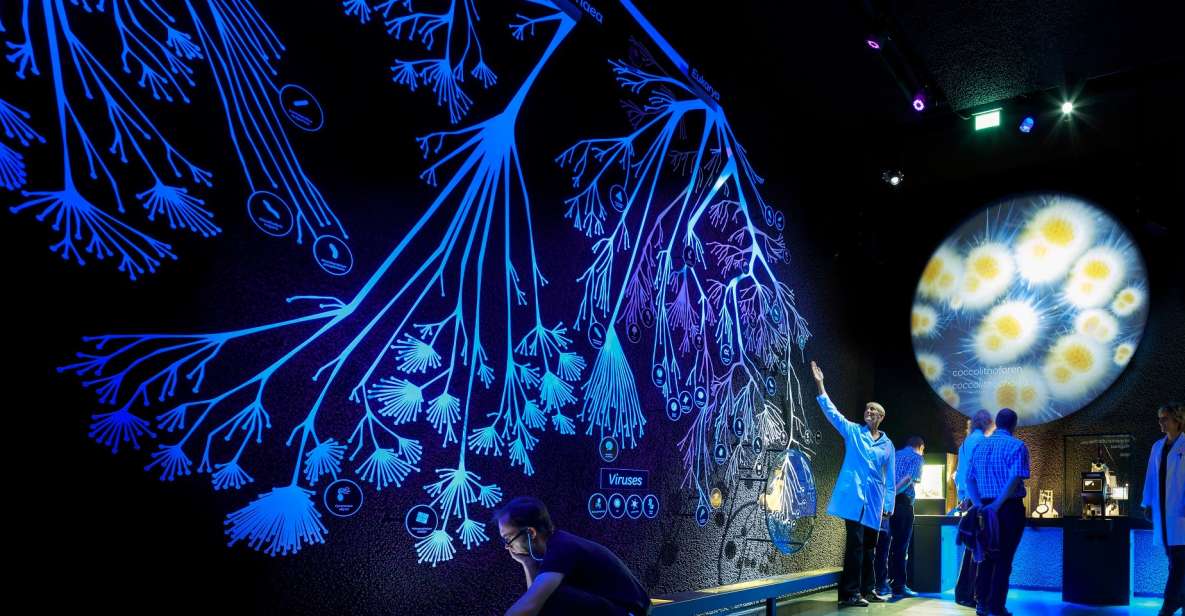
Think of your Micropia visit as moving through a series of “micro stories.” You’ll see microbes presented in ways that connect to daily life: where they live, what they do, and why they matter.
The self-scan: the moment it clicks
One of the biggest draws is the scan-yourself station. You uncover microbes living on and inside you, and the results can be surprising in a fun, slightly alarming way. It’s the kind of interactive setup that works even if you’re not a science person. You’re engaged because you’re the subject.
Just be ready for a results moment that feels personal. Don’t plan this if you’re rushed or if you’re uncomfortable with the idea of checking what’s on your body. Otherwise, it’s a big part of why the museum is memorable.
You can also read our reviews of more museum experiences in Amsterdam




Microscopes and interactive displays: see what you can’t see
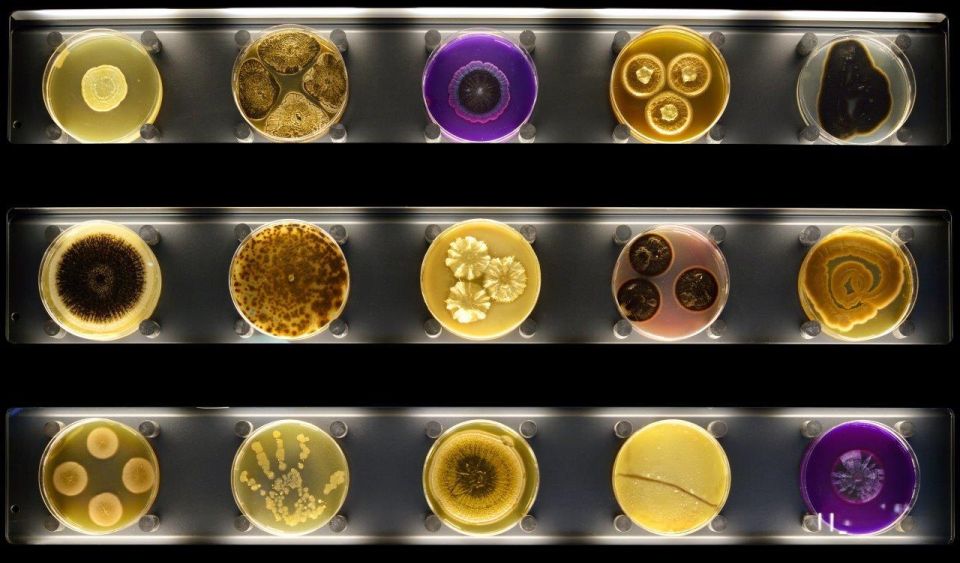
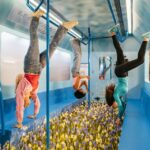
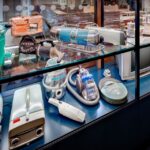
The museum includes microscopes and interactive features that make the invisible visible. You won’t just read panels—you’ll use displays designed for close looking. In reviews, highlights include sculptures of bacteria and viruses, microscope-style viewing, and displays that show how microbes can take over food matter like molds.
Stamp collection: a route that keeps you moving
As you explore, you can collect microbe stamps. It’s a small mechanism, but it changes how you experience the museum. Instead of drifting from room to room, you follow a path and gather proof you’ve seen the stops.
If you’re going with kids, this is especially helpful. The stamps turn curiosity into a game: keep going, finish the trail, and you’ll know you didn’t miss the best parts.
Living culture displays and an ant farm-style curiosity
Some exhibits lean into the dramatic side of microbiology. Reviews mention plates with growing moulds and an ant farm concept that uses small creatures to communicate ecological relationships. Those kinds of displays are great for kids and also for adults who like seeing science in action, not just concept diagrams.
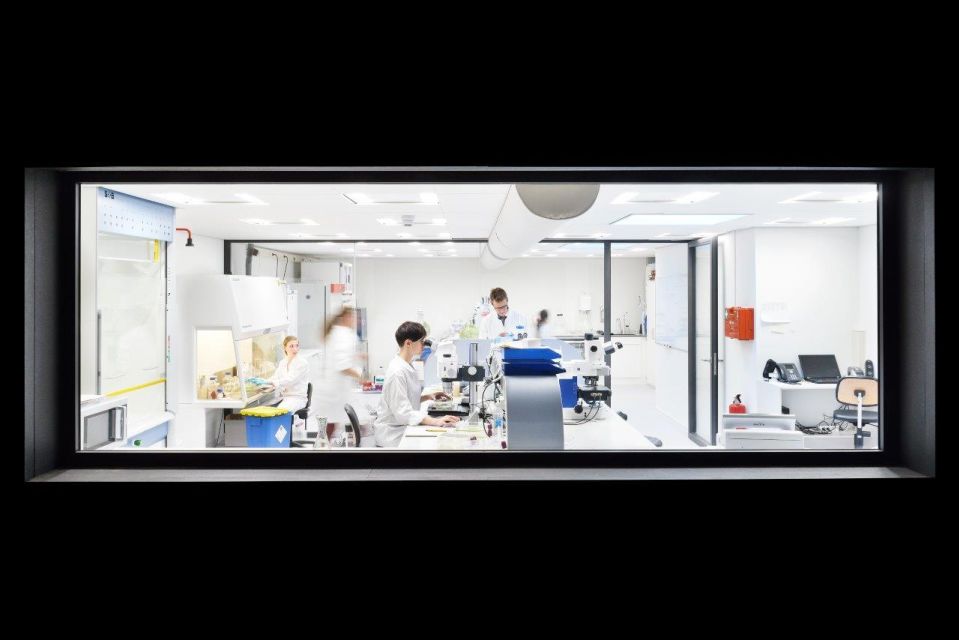
Daily lab talks at the Laboratorium: when to time your visit
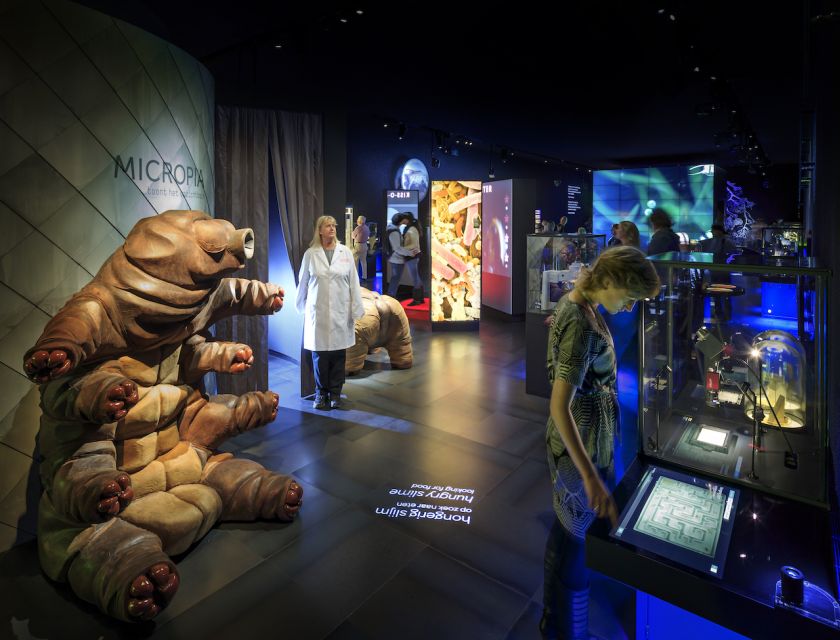
Micropia has daily lab talks in front of the Laboratorium. The museum’s open hours are 10:00–17:00 (with holiday exceptions), but the talks are the kind of thing that can give structure to your day.
If you’re trying to get the most out of limited time, look for a lab talk window when you arrive. Even if you don’t speak with every lab staff member, these talks help you connect the dots between exhibits.
This is also where you can get context for the science you’re seeing. Microbes can feel abstract until someone explains how they affect digestion, health, and environmental balance. The lab talk format is built to make those connections.
Spring break Micro Mission (free): the workshop that makes it extra family-friendly
During spring break, Micropia runs a program called Micro Mission for kids. It’s available every day during spring break between 10:00 and 17:00, and you can collect it for free at the ticket desk.
The Micro Mission focuses on how plants, animals, and microbes work together in nature. There’s a clear explanation of why microbes matter for everyday processes—one example mentioned is how gut microbes help digest food.
If you’re traveling with kids and your dates line up, this workshop is a strong reason to choose Micropia over a more general science museum. It gives kids an active role, not just viewing time.
If you’re not visiting during spring break, you’ll still get plenty to do through the interactive exhibits. But you’ll miss this “guided by a mission” feel, so plan a little more time to explore at your own pace.
Pairing options inside ARTIS: Micropia + Groote Museum + Zoo
Micropia can be done as a standalone ticket, but you also have the option of combining it with other ARTIS experiences.
You can visit the ARTIS-Groote Museum with a combination ticket. The big idea there is connection—how everything relates: human, animal, plant, and microbe. Even if you’re mainly there for microbes, that broader framework can make your Micropia visit feel more complete.
You can also step outside into ARTIS Zoo. Some visitors report getting a zoo discount afterward, so it’s worth checking what combination offers are available for your exact day and ticket type. Don’t assume it’s automatic, but it’s a nice “if available” bonus.
If you plan a full day, put Micropia earlier. The interactive exhibits and self-scan can take mental energy. Then you can switch to the quieter rhythm of gardens, exhibits, or animals.
Practical pacing: how long you should stay and what to prioritize
With the museum’s open hours and the typical visit length you’ll see, I’d plan on about 1.5 hours as a comfortable middle ground. That gives you time for the self-scan, the stamp trail, and at least part of the lab talk experience if you time it.
If you’re fast-moving and just want the highlights, you can likely do it in under an hour. If you stop for every interactive, read enough to understand what you’re seeing, and take in the living displays, stretching closer to two hours is very normal.
Also, plan for a quick break in the ARTIS area. There are cafés and green space around the complex, which makes it easier to turn this into a relaxed half-day or full-day science outing rather than a stressful checkbox.
One practical note: a few people mention cleanliness issues in museum bathrooms. I can’t predict what you’ll experience, but if restrooms are a big deal for you, it’s worth being prepared and maybe using facilities as early as possible after arrival.
Who should book Micropia, and who might want a different type of museum
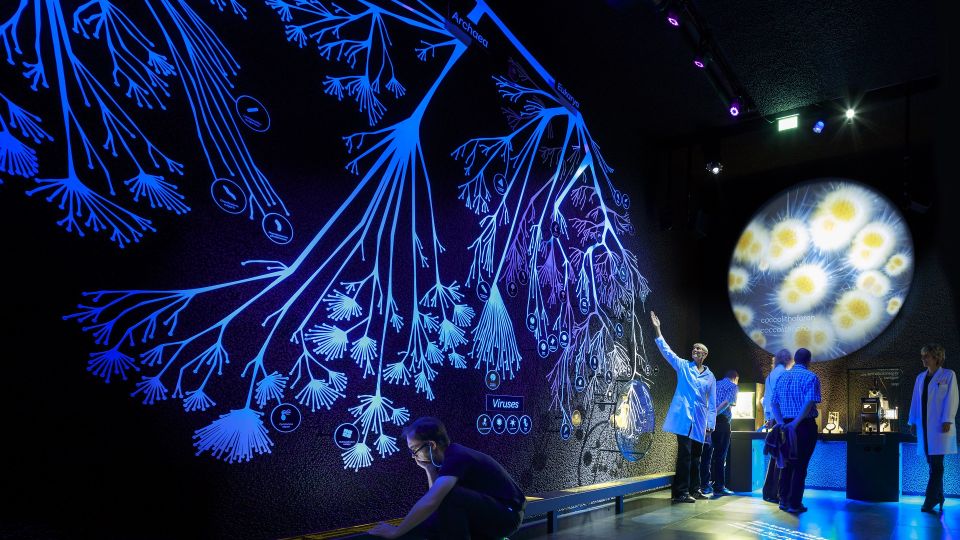
Micropia is a strong match if you like interactive science. It’s ideal for families, especially when you can catch Micro Mission during spring break. It’s also a great option if you’re the type who reads labels, enjoys microscopes, and wants your curiosity answered with real examples.
Kids often enjoy the stamp trail and the self-scan experience because it turns microbes into something personal and concrete. Adults can enjoy it too, even without a science background, because the museum explains the “why” behind the “what.”
Where it might not be ideal is if you want a large museum with lots of variety outside the core theme. This is sharply focused on microbiology, so if you’re only mildly interested, you may feel the pricing doesn’t match the amount of time you need.
Should you book ARTIS-Micropia tickets?
If your trip includes even one day for something hands-on and a little strange in a good way, I’d book Micropia. The combination of self-scan, interactive microscopes, stamp trail, and daily lab talks gives you multiple ways to learn without feeling stuck reading.
Book it even more confidently if you’re traveling with kids, especially during spring break for the free Micro Mission. And if you’re combining it with the ARTIS-Groote Museum and/or ARTIS Zoo, Micropia becomes part of a larger “connections” day, not just a single-ticket stop.
Only hesitate if you’re strictly looking for a huge, all-day museum footprint. Micropia is focused, and some people find it a touch pricey for the time it takes. If you align your expectations—plan about 1 to 2 hours and focus on the interactive parts—you’ll likely feel it’s a smart, memorable use of your Amsterdam time.
FAQ
Is ARTIS-Micropia the only microbe museum in the world?
Yes. Micropia is described as the world’s only microbe museum.
Where is the meeting point for ARTIS-Micropia?
The meeting point is Plantage Kerklaan 38-40.
What are the opening hours?
Micropia is open daily from 10:00 to 17:00. Holiday hours also apply on 24, 25, and 26 December, 31 December (9:00–16:00), and 1 January (10:00–17:00).
How old do kids need to be?
The recommended age is 8 years or older.
Do children get free entry?
Yes. Children age 0–12 can enter for free.
What’s included with the ticket?
Your ticket includes admission to ARTIS-Micropia.
Is there anything interactive besides exhibits?
Yes. You can scan yourself to uncover microbes living on and inside you, and you can collect microbe stamps throughout the museum.
Are there any daily programs?
There are daily lab talks in front of the Laboratorium.
Is there a workshop for kids?
During spring break, there is a Micro Mission workshop available daily between 10:00 and 17:00. You can collect it for free at the ticket desk.
Can I cancel or pay later?
The entry ticket offers free cancellation up to 24 hours in advance and reserve now & pay later so you can keep plans flexible.