REVIEW · AMSTERDAM
Amsterdam Archery Tag: The Ultimate Group Activity
Book on GetYourGuide →Operated by UP Events · Bookable on GetYourGuide
Foam arrows meet dodgeball in Amsterdam. At UP Events in Amsterdam West, you play a strategy game with protective masks and foam-tipped arrows, plus an instructor/referee who keeps things moving. I love how the setup is safe and social at the same time, so the group chaos stays fun and orderly.
One thing to consider: this is active, competitive play. If your group wants a slow, sit-down activity, Archery Tag may feel a bit too high-energy.
In This Review
- Key Points You’ll Care About
- Amsterdam Archery Tag at UP Events: Why This Game Feels Different
- Finding UP Events at Loods 2 in Amsterdam West
- Gear Up: Masks, Foam Arrows, and the Safety Briefing
- First Round: Learning How the Tagging Actually Works
- Game Modes That Mix Strategy With Dodgeball Energy
- How Long Is 30 Minutes to 1 Hour, and What You Get in That Time
- Price and Value: Is $23 Actually a Good Deal?
- UP Events Is Built for Parties, Teams, and Family Fun
- Private Group Energy: Why That Matters More Than You Think
- What I’d Pair It With for a Full Day in Amsterdam
- Reviews That Point to What You’ll Feel in the Moment
- Who Should Book Amsterdam Archery Tag at UP Events
- Should You Book This Archery Tag Session?
- FAQ
- What is the duration of Amsterdam Archery Tag at UP Events?
- Where do we meet for the session?
- What’s included in the price?
- Is food and drink included?
- How old do you need to be?
- What group size is required?
- What languages are the instructors?
Key Points You’ll Care About
- Foam-tipped arrows and protective gear keep the game playful, not scary
- Instructor/referee guidance makes rules easy and keeps gameplay fair
- Archery plus dodgeball creates nonstop action and quick decisions
- Multiple game modes let you rotate strategies, not just throw arrows
- Works for groups from 6 and suits families, friends, and teams (8+)
Amsterdam Archery Tag at UP Events: Why This Game Feels Different

Archery Tag is what happens when you mix the calm focus of archery with the chaos of tag games. You’re aiming, yes, but you’re also watching movement, calling out, and adjusting on the fly. That combo turns a half hour into something that feels like more because you’re constantly engaged.
At UP Events in Amsterdam West, the experience is built around quick rounds and clear guidance. That matters, because group activities can get awkward when people don’t know the rules or nobody wants to “start.” Here, you get the structure up front, so you can get to the fun faster.
You can also read our reviews of more tours and experiences in Amsterdam.



Finding UP Events at Loods 2 in Amsterdam West
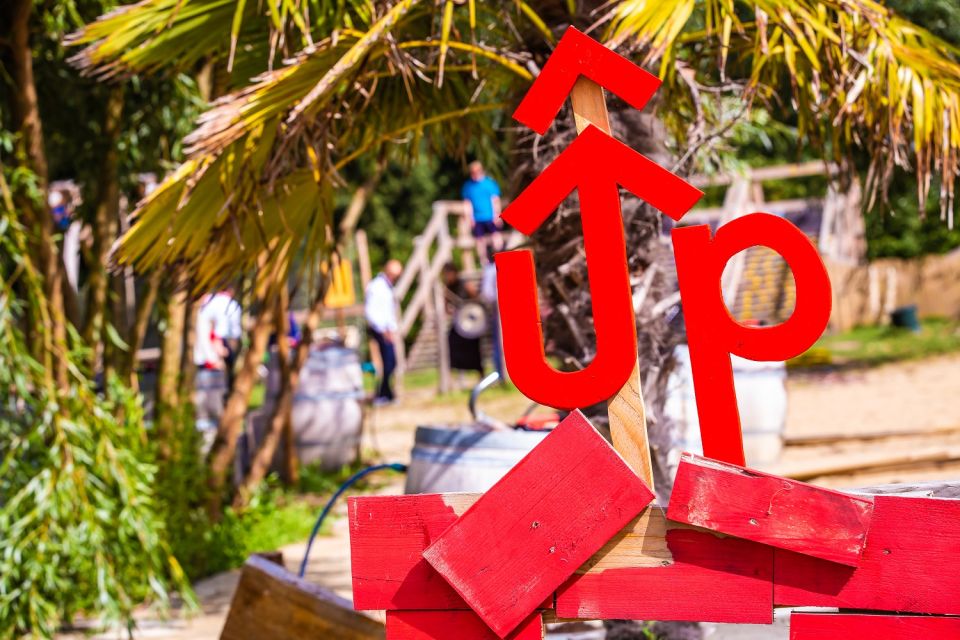
Your visit starts with a simple meet-up. Look for the signs for Loods 2, then follow them to the host who welcomes your group. It’s one of those details that saves time, especially if your group arrives as a cluster.
Amsterdam West is a good fit for this kind of action game. The surroundings feel peaceful enough that the activity stands out without feeling trapped in the middle of the city. You’re there to play, not to hunt for your spot.
If you’re doing this as a team-building outing, I’d still show up a few minutes early. With a group of 6 or more, being “just on time” can still mean waiting while gear gets handed out.
Gear Up: Masks, Foam Arrows, and the Safety Briefing

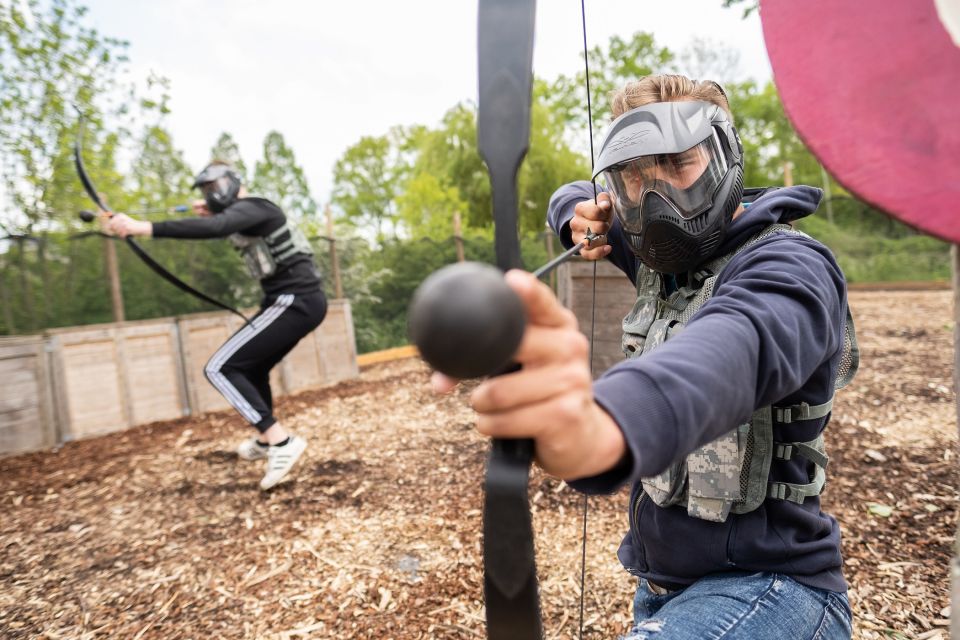
Before anyone starts firing, you’ll be equipped and coached. The key is that Archery Tag uses foam-tipped arrows and protective masks, plus you get an instructor/referee to oversee play.
That safety setup changes the whole tone of the activity. You can aim without the nervous energy that sometimes comes with “real” weapons sports. It’s still competitive, but the game stays within clear boundaries.
You’ll also learn the basics fast. Rules aren’t treated like homework; they’re taught so you can start playing quickly. The point is to focus on strategy and tagging, not figuring out how to score.
First Round: Learning How the Tagging Actually Works
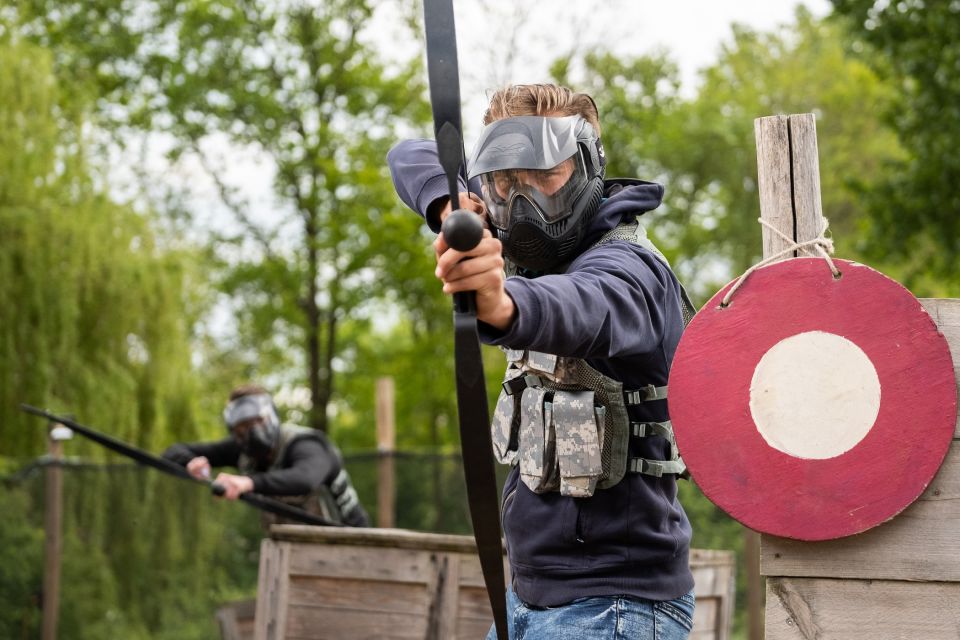
Once you’re geared up, the first round is all about getting your bearings. You’ll split into teams and compete to outscore the other side. The gameplay is simple in concept but has real tactics in practice.
What you’ll notice right away is how movement matters. Standing still feels like asking to get tagged. So you’re constantly deciding: push forward, hold position, or flank. Even if you’re new to archery-style games, you’ll probably pick up a rhythm quickly because the action keeps coming.
The instructor/referee also helps keep the flow going. That’s a big deal for group value. When the rules are clear and the game stays timed, everyone gets a chance to play rather than waiting too long.
Game Modes That Mix Strategy With Dodgeball Energy

The signature idea here is the mix: archery meets dodgeball. That doesn’t just mean it’s fun. It changes how you play.
In practice, you’re combining range and accuracy with the constant motion of a team tag game. You might take shots from safer positions, then shift when the other team closes in. You’ll also rely on team spacing more than you might expect.
The experience also includes various game modes, which is how they keep it from becoming one long “same thing” session. Different modes typically nudge you toward different tactics, like more tagging pressure versus more careful aiming. Either way, the variety helps groups stay engaged through the whole slot.
And if your group likes trash talk, this is one of the rare activities where it feels friendly. Everyone understands you’re trying to tag. Nobody is trying to win a silent, dignified sport.



How Long Is 30 Minutes to 1 Hour, and What You Get in That Time
Sessions run 30 minutes to 1 hour, depending on availability and starting times. For a visitor, that range is useful: it lets you match your energy level and your schedule.
In that timeframe, the key is that you’re not just watching. You’re actively playing under guidance. You’ll have time for:
- a briefing and gear up
- at least a few rounds or a full game experience (timing depends on session length)
- enough gameplay to feel satisfied, not rushed
If your group has mixed ages (still 8+), the shorter end can feel ideal. Everyone gets a taste without turning the experience into endurance sport.
Price and Value: Is $23 Actually a Good Deal?
At $23 per person, you’re not just paying for “access to a game space.” You’re paying for the full package of guided play: an instructor/referee and all materials are included.
That’s why the value works. Equipment and supervision are usually the cost drivers for active sports. Here, you don’t need to bring your own gear, and you don’t need to figure out rules with guesswork. The result is less friction, which is what makes group activities worth it.
If you compare this to other group events, the big advantage is that you get a structured, high-energy activity rather than something where half the group ends up waiting their turn. The format naturally spreads participation across the team.
UP Events Is Built for Parties, Teams, and Family Fun
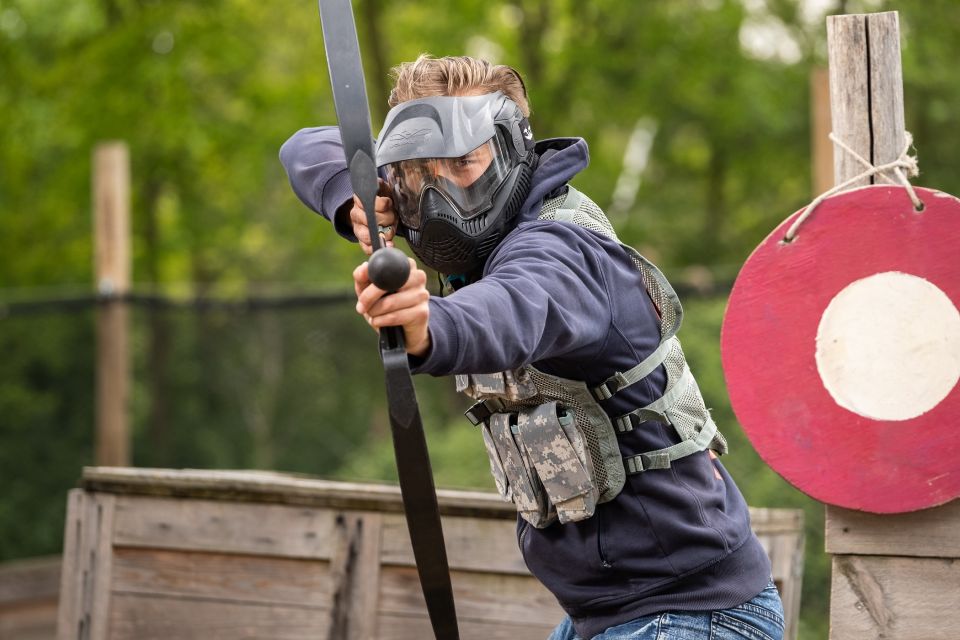
This is one of those activities that can suit very different groups without changing the core appeal. It’s ideal for:
- corporate team-building where you want laughter plus teamwork
- parties where you want everyone moving
- family fun where kids and adults can join under the age guidance
The age rule is clear: 8+ is the target, and children under 8 aren’t suitable. That’s a good sign for safety and expectations. You can plan without worrying about whether the activity will be scaled down so much that it loses the fun.
Also, your group needs at least 6 people to fit the setup. If you’re traveling in a smaller group, this might mean you’d need to join a larger private group or reconsider another activity.
Private Group Energy: Why That Matters More Than You Think
This is a private group experience. For many groups, that’s the difference between tolerable fun and genuinely great fun.
Private format means your group plays with your people, not random strangers. It lowers awkwardness and raises comfort. In competitive games, that’s huge because people relax faster when they don’t feel like they’re being judged.
It also makes it easier for families. Everyone understands who their team is, and the staff can guide you all together.
The language of instruction is Dutch and English, so you can expect support even if your Dutch is limited. That helps a lot for visitors who don’t want to stand around while rules get translated slowly.
What I’d Pair It With for a Full Day in Amsterdam
Archery Tag is usually best as the “anchor activity” in a schedule. It gives you a strong starting point, especially if you want the rest of the day to feel lighter.
UP Events also offers other activities you can combine with this session, such as:
- Bubble Football
- Axe Throwing
- Free-Roam VR
If your group has a range of comfort levels, this combo strategy works well. Some people love the physical chaos of Bubble Football, while others prefer the more controlled focus of axe throwing or VR. You can build a day where more personalities feel included.
Food and drinks are also available. The info you should remember is that drink and food aren’t automatically listed as included in every basic setup, but they are included in packages depending on your option. So check what package you pick, then plan your meal timing accordingly. After a game with lots of movement, you’ll probably appreciate a snack break.
Reviews That Point to What You’ll Feel in the Moment
The standout theme in the feedback is simple: the staff and instructors are friendly, and the experience is genuinely fun.
One review highlights how cool it was, and how nice the staff were. Another says the instructors were great. That kind of consistency matters. In activities like this, the staff can make or break the mood. Here, the guidance seems to do its job: you get set up properly, rules stay clear, and the vibe stays upbeat.
So if you’re the type who worries that group games can get tense or confusing, this is the kind of activity where the staff approach helps prevent that.
Who Should Book Amsterdam Archery Tag at UP Events
Book it if you want:
- a group-friendly activity with real participation
- a game with strategy and movement (not just “shoot and wait”)
- an experience that feels safe thanks to foam arrows and protective masks
- a plan you can build into a longer group day at the venue
Consider skipping or choosing something else if:
- your group wants a calm, low-energy outing
- you have anyone under 8 in the group
- you’re traveling with fewer than 6 people and can’t make the group size work
It also fits well if you’re traveling as a couple with friends or a mixed-age family unit. Just make sure everyone is comfortable with active play.
Should You Book This Archery Tag Session?
If you’re looking for a memorable group activity in Amsterdam West that mixes laughs, teamwork, and real movement, I think it’s an easy yes. At $23, the value holds because the important pieces are included: instructor/referee oversight and all materials. That’s what keeps the session smooth and makes it worth your time.
Just go in with the right expectation. This isn’t a quiet museum break. It’s a playful competition where you’ll be aiming, ducking, and strategizing with your team. If that sounds fun, book a session and plan to spend the rest of the day eating and comparing who tagged the most.
FAQ
What is the duration of Amsterdam Archery Tag at UP Events?
Sessions run from 30 minutes up to 1 hour, depending on the available starting times.
Where do we meet for the session?
You should follow the signs for Loods 2, where a host will welcome you.
What’s included in the price?
The session includes an instructor/referee and all materials.
Is food and drink included?
Drink and food are not listed as included in the basic items, but they are included in some packages. You’ll want to check which option you select.
How old do you need to be?
The activity is suitable for ages 8 and up. Children under 8 are not suitable.
What group size is required?
It’s suitable for groups from 6 people.
What languages are the instructors?
The instructor/referee language support is Dutch and English.