REVIEW · AMSTERDAM
Workshop ‘Paint your own Delft Blue Tile!’
Book on Viator →Operated by Heinen Delfts Blauw De Munt · Bookable on Viator
There’s something satisfying about making a Delft blue tile in Amsterdam. This hands-on workshop pairs a quick primer on Dutch blue-and-white pottery with time at your own painting station, all in a small group in the De Munt building near Muntplein.
I especially like the small group size (max 15), which keeps the class personal and makes it easier to get help with brush technique. I also like that you start with coffee, tea or lemonade plus a Dutch treat, so the workshop feels like a calm afternoon activity, not a rushed sales pitch.
The one catch: your tile isn’t finished on the spot. Because it needs glazing and firing, you pick it up about 14 days later (or ship it for a small fee).
In This Review
- Key highlights
- Entering De Munt: the simple setup before you paint
- Coffee first, then Delft blue context you’ll actually use
- Your design starts with technique, not talent
- Painting your Delft blue tile: what the 90 minutes feels like
- What happens after class: glazing, firing, and the 14-day wait
- Pickup options in Delft, Amsterdam, or Putten (and shipping)
- Price and value: is €39 (or $72 listed) a good deal?
- Who this Amsterdam tile workshop suits best
- Quick practical checklist before you book
- Should you book this Delft Blue Tile workshop?
- FAQ
- What time does the workshop run in Amsterdam?
- How long is the Delft blue tile workshop?
- Where do I meet for the workshop?
- What’s included in the price?
- Can kids join the workshop?
- How big is the group?
- Can you ship the finished tile?
- Is it possible to cancel and get a refund?
Key highlights
Small group coaching: capped at 15 people, so you’re not stuck copying in silence.
Start-to-finish process: learn the Delft blue basics, paint your design, then see it through firing.
Easy, guided painting: professional painters help you get the look right, even if you’re not an artist.
Wait for the real color: the classic blue look shows up after firing, not while you’re painting.
A practical Amsterdam souvenir: something you made yourself that’s ready to collect (or mail) later.
Entering De Munt: the simple setup before you paint
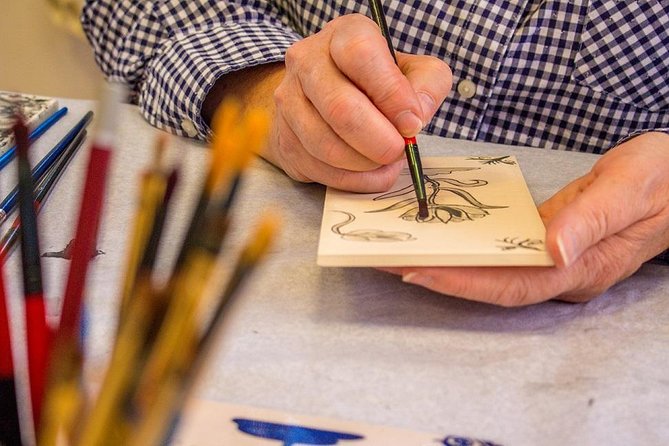
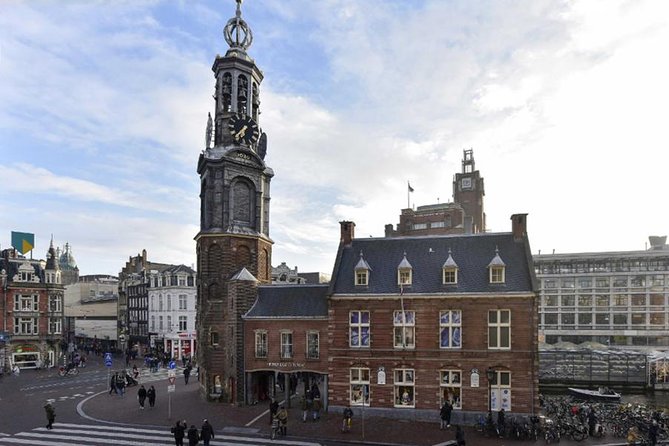
This workshop takes place in the De Munt building on Muntplein in central Amsterdam (meet at Muntplein 12, 1012 WR). It’s easy to fit into a day in town because you’re right where lots of sightseeing already happens, and you’re near public transportation.
The class runs about 1 hour 30 minutes, and it operates Wednesday through Sunday at 2:30 p.m. You’ll use a mobile ticket, so you can keep your plans paper-free and move quickly once you arrive.
The vibe is relaxed. You’re not trekking across the city with supplies. You walk in, get welcomed, settle in, and then you get to work at a real tile—something sturdier and more “keepsake-worthy” than typical souvenir crafts.
One small timing note that matters: you won’t leave with a finished fired tile that same day. Plan for a later pickup (or shipping), and the workshop becomes the “make it now, enjoy it later” kind of souvenir.
You can also read our reviews of more tours and experiences in Amsterdam


Coffee first, then Delft blue context you’ll actually use
Right at the start, you’ll be offered coffee, tea, or lemonade plus a Dutch treat. It sounds small, but it changes the whole feel. You’re comfortable before the painting begins, and you can pay attention to instructions without feeling rushed.
Then you’ll get a short introduction to Delft blue pottery—enough background to make your work feel connected to a real tradition. In practice, this isn’t a lecture that tries to turn you into a ceramics expert. It’s the kind of context that helps you understand why the designs look the way they do.
You’ll also learn how the process works. The big idea you’ll want to remember is that the tile goes through more than one stage. What you paint isn’t the final color result you’ll see after firing. That’s why people walk out impressed even before the pickup date arrives.
Your design starts with technique, not talent
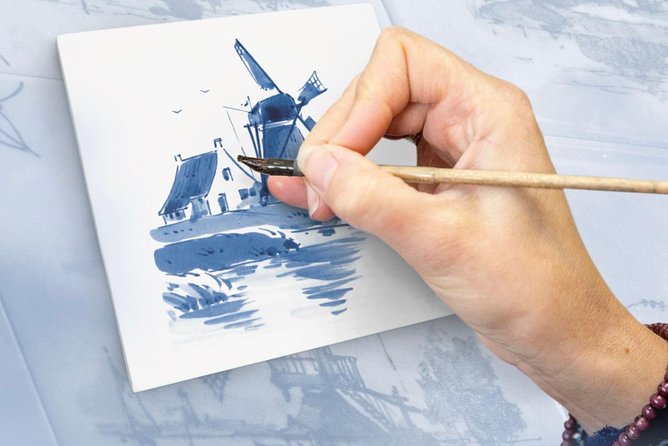
A Delft blue tile looks simple from a distance. Up close, it’s all about control: brush pressure, spacing, and using consistent lines. The good news is you don’t need natural drawing talent to do well here.
In sessions like this, you typically begin with a practice tile to get a feel for the brush and the painting technique. After that, you choose or work with a template/pattern for your actual tile design. This matters because it removes the hardest part—blank-page stress—without removing your chance to make something personal.
You’ll have help from a professional painter. People in the workshop have been able to succeed across skill levels, from confident artists to first-timers who can barely trace lines. The coaching focuses on what to do next, not what you did wrong.
One of the most useful takeaways: you learn that the classic blue look doesn’t fully show until the tile is fired. While you’re painting, it can look less dramatic than you expect. After firing, the colors “lock in,” and that’s when your tile starts looking truly Delft.
Painting your Delft blue tile: what the 90 minutes feels like

Once you’re painting, the workshop becomes very hands-on and surprisingly calming. You’re focused on one small object, not trying to do a dozen things in a crowded museum.
Here’s how it generally unfolds in the workshop environment:
- You get initial instructions on how to handle the brush and follow the pattern/template.
- You work through your design step by step, with the professional painter available to correct technique and help you make confident strokes.
- You take your time enough to feel proud of the result, even if you’re going slowly.
Because the group cap is 15, you’re not stuck waiting for attention. You can get quick guidance at the moment you need it—especially helpful if you’re trying to match the look of Delft blue patterns and keep your lines steady.
If you’re curious about what makes Delft blue feel “authentic,” look for small details like repeating elements, balanced spacing, and the way designs stay readable at a tile size. The workshop’s guidance helps you make those choices without needing years of experience.
Instructors can vary by day, but people have highlighted teachers such as Barbara, Joao, and Maartje for making the process comfortable and instructional. Whoever you get, the goal is similar: help you leave with a tile you’d actually want to hang up or display.
What happens after class: glazing, firing, and the 14-day wait
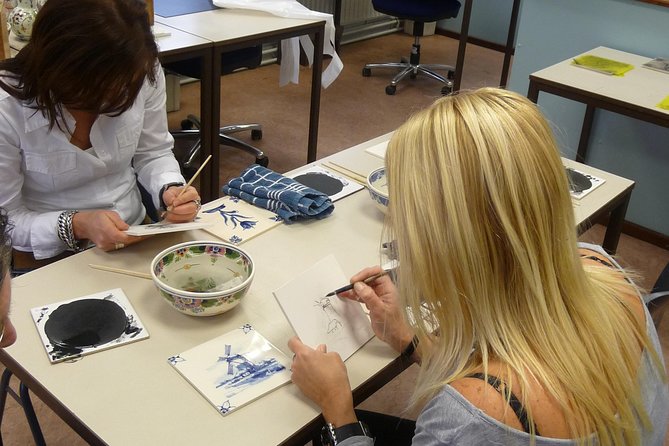
Here’s the behind-the-scenes part that makes this workshop worth it. You paint the tile, but the studio finishes the job.
After you finish painting, the team continues with glazing and firing. That’s also why you can’t take the finished piece immediately. The schedule is designed so the kiln work happens safely and consistently, giving you a real Delft blue final look.
The payoff time is clear: your tile is ready for collection about 14 days later. You can pick it up at one of the studio’s branches in Delft, Amsterdam, or Putten.
This is where the workshop becomes more than a fun craft. It’s a souvenir with an actual production process behind it. You’re participating in the same steps that turn paint into a durable ceramic piece.






Pickup options in Delft, Amsterdam, or Putten (and shipping)
You’ve got two main choices once the tile is fired:
- Pick up in person about two weeks later at a branch location (Delft, Amsterdam, or Putten).
- Shipping for a small fee, if you’d rather not travel for collection or if you’re leaving soon.
If you’re leaving Amsterdam quickly, shipping can be a lifesaver. The only tradeoff is that you’ll wait until the tile is ready and then until it arrives at home.
If you’re spending time in the Netherlands after your Amsterdam stop, pickup can feel especially satisfying. Delft is a natural fit since Delft blue pottery is tied to that town’s identity, but the fact that there are multiple branches gives you flexibility.
A practical tip: treat this like a delayed souvenir. It’s easy to forget about it mid-trip. Put a reminder on your phone for around two weeks after your class, so the pickup or shipment doesn’t sneak up on you.
Price and value: is €39 (or $72 listed) a good deal?
Pricing here is simple on paper, but the value comes from what you get for that money.
You’re paying for:
- Guided professional painting support
- An actual Delft blue-style process that includes glazing and firing
- A finished tile you keep as a personal souvenir
- Coffee, tea or lemonade plus a Dutch treat
- A small-group format capped at 15 people
Adults are listed at €39.00 (the experience summary shows $72, so double-check the final checkout price). For kids ages 6 to 12, the workshop is €29.00 when accompanied by an adult.
Compared to generic souvenirs, you’re not buying a mass-made item. You’re making something with time, coaching, and a real finishing process. That’s why people who aren’t confident artists still feel it’s worth it: the workshop is structured so the outcome looks good even if you start unsure.
It’s also a good value if you’re looking for a break from museums. At about 90 minutes, it’s a focused activity that doesn’t require long transit or a full day commitment.
Who this Amsterdam tile workshop suits best
This workshop fits best if you want a hands-on cultural activity with an easy pace.
It’s a great match for:
- Couples who want something different from typical museum time
- Visitors who enjoy crafts but don’t want to be thrown into a “freeform” situation
- People who like souvenirs they can explain, not just photograph
- Families with kids who are old enough to stay engaged during a structured activity (kids 6–12 can join with an adult)
It may be less ideal if:
- You need a finished, take-home item the same day
- You dislike waiting for delayed collection/shipping
- You want a long event (this one is focused and about 1.5 hours)
Quick practical checklist before you book

- Book for the 2:30 p.m. slot Wednesday through Sunday.
- Pick up (or shipping) is tied to the about 14 days after firing schedule.
- Bring curiosity and patience. The best tiles come from steady strokes, not speed.
- If you’re not an artist, that’s fine. The workshop is built around guidance and templates.
Should you book this Delft Blue Tile workshop?
I’d book it if you want a calm, creative break that still feels genuinely Dutch. The combination of small-group attention, professional help, and the fact that your tile gets glazed and fired makes this more than a quick souvenir stop. It’s also a rare Amsterdam activity where the “real magic” happens after you leave—so you get a fun story now and a finished piece later.
Skip it if you absolutely can’t handle delayed gratification or you need a take-home item the same day. Otherwise, this is one of those experiences that turns a classic Amsterdam idea into something you can hold, hang, and remember.
FAQ
What time does the workshop run in Amsterdam?
Workshops run from Wednesday through Sunday at 2:30 p.m.
How long is the Delft blue tile workshop?
The class lasts about 1 hour 30 minutes.
Where do I meet for the workshop?
Meet at Muntplein 12, 1012 WR Amsterdam, Netherlands. The workshop is in the De Munt building on Muntplein.
What’s included in the price?
Coffee and/or tea are included, along with lemonade and a delicious Dutch treat.
Can kids join the workshop?
Yes. Children ages 6 to 12 can join for €29.00 when accompanied by an adult.
How big is the group?
The group is capped at 15 people (and can include as few as 2 participants).
Can you ship the finished tile?
Yes. Shipping is available for a small fee.
Is it possible to cancel and get a refund?
You can cancel for a full refund if you cancel at least 24 hours before the experience start time. If you cancel within 24 hours, the amount paid is not refundable.