REVIEW · AMSTERDAM
Van Gogh Museum Skip the Queue with Audio Guide
Book on Viator →Operated by Julia Private Tour Trips · Bookable on Viator
If you like art, this museum is a must. You get timed-entry tickets and an official audio guide, so you can see Van Gogh’s world without racing.
Timed-entry is the big win, and the audio commentary keeps the galleries moving at your pace. The main catch: you still do the mandatory security check, and there’s no live guide inside.
The museum is built for a long, thoughtful visit—most people land around 1.5 to 2 hours. You start with his Dutch period, then follow the shift to brighter colors and looser, more expressive brushwork after he moved to France.
One more consideration: skip-the-line mostly means you avoid the on-site ticket buying line. You’ll still want to arrive a little early for security, especially at busy times.
In This Review
- Key things to know before you go
- Museumplein entry: arriving with a plan
- Skip-the-line tickets: what you truly avoid (and what you don’t)
- Audio guide reality: how to make it work without a live guide
- The museum’s big story: Dutch roots to French breakthroughs
- The masterpieces you’ll want to target first
- Time, pace, and where families usually get the hang of it
- Price and value: what you’re paying for
- Should you book this Van Gogh Museum audio visit?
- FAQ
- Is this really a skip-the-line ticket?
- Do I get a live guide inside the museum?
- Where do I get the audio guide?
- How long can I stay in the museum?
- Can I take photos of the paintings?
- Do I need to print my ticket?
- When will I receive the tickets?
- What’s the audio guide age guidance?
Key things to know before you go
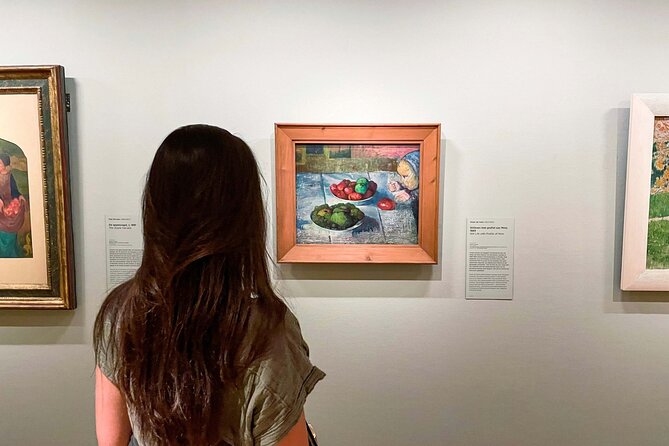
- Timed-entry tickets let you pick a slot and walk in faster than day-of general admission.
- Official audio guide in your language turns paintings into stories and techniques, room by room.
- Self-paced visit (1–2 hours is typical) means you can linger over Sunflowers-type favorites.
- Chronological layout helps you see how Van Gogh changed, not just what he painted.
- Photo rules are clear: no flash, lamps, tripod, or selfie stick.
- Audio device pickup is inside at the information desk, after you clear security.
Museumplein entry: arriving with a plan
The Van Gogh Museum sits on Museumplein, Amsterdam’s cultural district—easy to spot once you’re in the right neighborhood, and convenient if you’re hopping between sights. Your ticket is tied to a selected time slot, so you’re not stuck waiting for the next open window like you would with basic entry.
In practice, this timed approach does two things. First, it reduces stress when the museum is busy. Second, it gives you a simple rhythm: security, ticket check, audio device, then galleries. If you’re pairing this with other Museumplein stops, having a booked window makes your day feel more controllable.
When you arrive, follow the flow to security and ticket validation. After that, you begin your visit using the official audio guide rather than a live lecturer. That’s ideal if you like looking first, then listening, or if you’re traveling with kids who need breaks.
You can also read our reviews of more guided tours in Amsterdam



Skip-the-line tickets: what you truly avoid (and what you don’t)

This experience is marketed as skip the line, and the useful part is that you avoid the long on-site ticket purchase line. You still have to clear the museum’s mandatory security check, which can have its own queue during peak periods.
So think of it like this: you’re skipping the “buy a ticket” slowdown, not the “get checked” step. If you arrive at your exact minute, you might still end up waiting at security. If you arrive 10–20 minutes early, you’re usually in a better position to start smoothly.
The other practical note is that dated tickets can’t be changed and refunds aren’t offered for this experience. That means the time slot you pick matters. If you’re the type who enjoys spontaneous detours, build in a little buffer so you don’t feel pressured to sprint through the museum.
Audio guide reality: how to make it work without a live guide
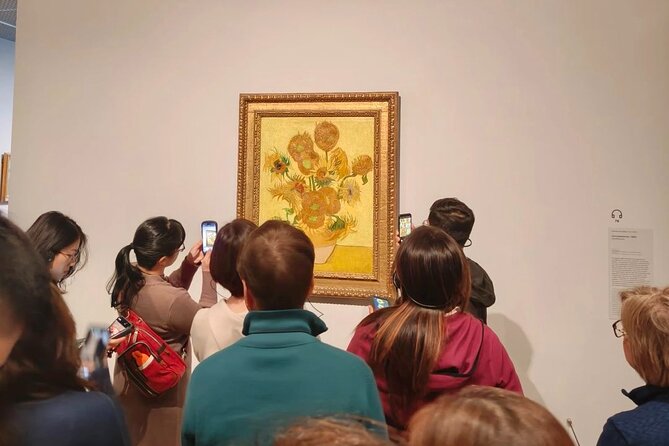
Inside, you collect the audio guide at the information desk. Then you explore independently. There isn’t a live guide inside the galleries, which is exactly what some people want—silence when you’re staring at brushwork, and audio when you want context.
The audio format matters. You’ll hear background that tracks Van Gogh’s development: the darker early Dutch period and the later burst into brighter color and more expressive marks after moving to France. You’ll also get details about the stories and techniques behind specific works, which is especially helpful if you’re not sure what to look for beyond the obvious beauty.
A simple strategy that helps: don’t try to hear every single track back-to-back. Instead, pick a cluster—maybe start with early Dutch pieces, then shift to the France rooms, then return to a favorite like Sunflowers. That keeps the audio from feeling like background noise.
Also, the audio guide is generally recommended from age 13. Younger children can still enter, but may not receive an audio device. In that case, you can still use the audio vibe by reading or listening together at the most famous paintings, then taking breaks in calmer areas.
The museum’s big story: Dutch roots to French breakthroughs
The Van Gogh Museum is arranged to show growth over time, which changes how the paintings hit you. You start with his early Dutch period—often darker toned, rooted in rural themes and his early influences. If you expect the bright flower-and-sun image right away, you might have a small moment of surprise. That’s actually part of the point: you’re seeing how the artist’s eye and approach evolve.
As you move through the galleries, the shift becomes obvious. Colors open up. Brushwork feels more urgent. The museum structure makes it easier to connect what you’re seeing to the choices Van Gogh made, not just to label it as famous.
The audio guide supports this with commentary that frames paintings as steps in his artistic development. You’re not just standing in front of objects—you’re learning what came before, what changed, and why it mattered. That helps you understand why some works feel quieter at first, then more explosive later.
There are also personal letters in the museum’s display. The correspondence with his brother Theo is a key part of how you understand what Van Gogh was thinking and how his art lined up with his life. For me, that emotional context is what keeps the museum from feeling purely visual.
The masterpieces you’ll want to target first

If you only have 60–90 minutes, don’t wander randomly. Hit the major icons while you still have energy. Here are the ones that anchor the visit:
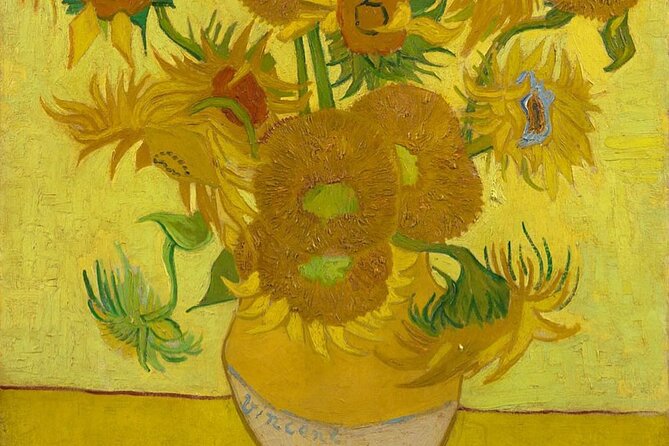
- Sunflowers: This is the painting most people came for, and it looks different up close. The details become less like an image and more like a surface—strokes, layering, and color relationships you just can’t fully feel from a distance.
- The Bedroom: It’s a great example of how Van Gogh used composition and mood, not just subject matter. You can sense tension and stillness at the same time, and the audio helps you frame why that matters.
- Almond Blossom: Expect a feeling of brightness and motion even if you don’t know the context. With the audio, you can connect the work to the broader arc of his life and artistic phases.
Also, keep an eye out for temporary exhibitions, if your date includes them. Even when your main mission is the permanent collection, a temporary display can add context to his life and legacy.
Photo rule tip: you can take photos of the paintings as long as you don’t use flash, lamps, a tripod, or a selfie stick. That means you can capture memories, but you still have to play nice with the museum rules.
You can also read our reviews of more museum experiences in Amsterdam






Time, pace, and where families usually get the hang of it
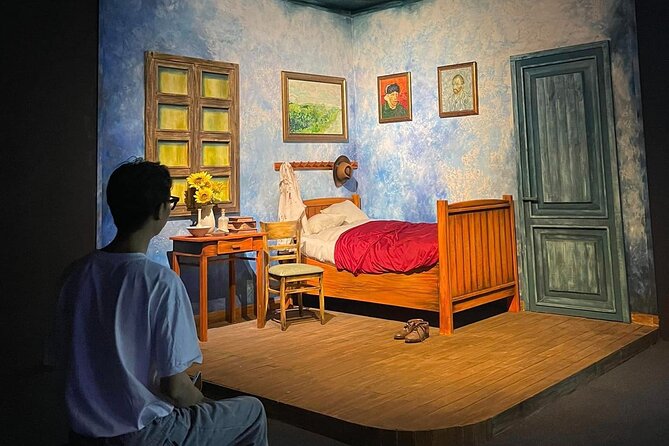
Plan for about 1.5–2 hours for a satisfying visit. The ticket lets you stay as long as you like until closing time, but in real life, most people hit their rhythm around the 90-minute mark—especially if you’re stopping to read letters and listen through key sections of the audio.
This is also one of the few major museums in Amsterdam that works well even if you’re not “museum people.” The audio guide gives you a reason to stop at each room. And because you aren’t tied to a schedule of a live guide, you can pause when something catches your eye.
Families often like that the museum experience isn’t just standing still. Some families reported kid-friendly areas and interactive elements, including play-type spaces and activity prompts that keep young visitors engaged. Even if you don’t plan a full family program, it helps to know that kids tend to do better here than in museums that feel like one long hallway.
One practical pacing trick: take a short break when you switch halves of the museum. The early-to-late change is emotional and visual. A coffee stop or a sit-down moment keeps everyone from getting tired right when the best stuff is still ahead.
Price and value: what you’re paying for

At about $111.74 per person, this isn’t the cheapest ticket line in Amsterdam. So the key question is: what value are you getting besides access?
You’re paying for:
- Timed-entry tickets, which reduce wasted time during busy periods.
- An official audio guide, which changes the visit from looking to understanding.
- A smoother arrival experience, since you don’t have to stand in the ticket purchase line.
If you’re visiting during a peak travel month or traveling with kids and limited patience for queues, the “less waiting” value can be real. Reviews also point out that getting tickets in advance reduces last-minute stress—something you’ll appreciate if your Amsterdam day is packed.
That said, it’s worth being honest about the trade-off. Some people feel the overall price is high, especially when comparing to what certain tickets cost directly. Your best defense is planning: pick the correct date, choose a slot that matches your energy, and use the audio guide fully so you actually get your money’s worth.
Should you book this Van Gogh Museum audio visit?
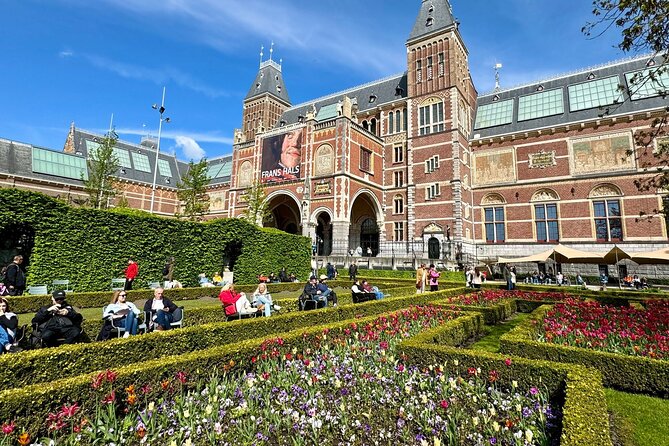
Book it if you want a self-paced museum visit with timed entry and official audio guidance in your language. It’s a strong fit for art lovers, first-timers, and families who want to keep control of their pace. If you’re squeezing Van Gogh into a tight Amsterdam itinerary, timed tickets are a big practical win.
Skip booking (or consider another option) if you’re the kind of visitor who enjoys wandering without any schedule and you’re okay taking your chances with on-site lines. Also, if you’re expecting a live docent in the galleries, know that this is audio-only once you’re inside.
If you do book, pick your time slot carefully and arrive early enough to handle security without rushing. Then take your time with the paintings—Van Gogh rewards attention, not speed.
FAQ
Is this really a skip-the-line ticket?
It skips the ticket purchase line because you have timed-entry access already. You still need to pass the museum’s mandatory security check, which can have a queue at busy times.
Do I get a live guide inside the museum?
No. This is an audio guide visit. You explore independently using the official museum audio guide.
Where do I get the audio guide?
The audio guide is collected inside the museum at the information desk.
How long can I stay in the museum?
You can stay as long as you like until closing time. Most visitors spend about 1.5–2 hours.
Can I take photos of the paintings?
Yes, you can take photos as long as you do not use flash, lamps, a tripod, or a selfie stick.
Do I need to print my ticket?
You can print it, but you don’t have to. You can also show the ticket on a mobile device for the entrance check.
When will I receive the tickets?
After you confirm your attendance, you’ll receive your tickets at least 1 day in advance of the start date.
What’s the audio guide age guidance?
The audio guide is generally recommended from age 13. Younger children can still enter, but may not receive an audio device.