REVIEW · AMSTERDAM
Van Gogh Museum Guided Tour with Entry Ticket
Book on Viator →Operated by Amsterdam in tour · Bookable on Viator
Van Gogh Museum tours can feel either rushed or vague. This one hits the sweet spot: a short, guided start inside the museum, then you’re free to linger with the paintings. It’s also designed for speed, so you’re not stuck playing “guess the line” on a popular day. Small-group size (max 15) helps, and the English introduction gives you a strong footing fast.
I especially like the structure. You meet at the museum entrance area, enter with your guide as one group, and get about 30 minutes of Van Gogh context (works plus museum history) before you wander on your own. A second thing I like is the time flexibility: once the intro ends, you can stay in the museum as long as you want, which makes the tour feel less like a checklist.
One consideration: the museum can get crowded, and even with a guided start you may see tight clusters around famous paintings. If you dislike crowds or you’re hoping to take calm, close-in photos, you’ll want a plan for when and where you pause.
In This Review
- Key things to know before you go
- Where you meet and how the tour actually starts
- The prepaid skip-the-line value (and why it’s worth it)
- The museum intro: what you get in your first 30 minutes
- Self-guided time after the guide leaves you
- What a small-group tour changes for you
- Works to expect your attention will go to
- Timing: how to plan your day in Amsterdam
- Who this tour suits best
- Price and what you’re getting for $84.28
- A few practical tips for enjoying it more
- Should you book the Van Gogh Museum guided tour?
Key things to know before you go

- Prepaid, skip-the-line entry saves time right where it matters at a top museum.
- Max 15 people keeps the group feel manageable and makes questions easier.
- 30-minute guide introduction in English sets up what you’re about to see.
- Go at your own pace after the intro since you can stay as long as you want.
- Meet outside the group entrance (Paulus Potterstraat 7) and don’t enter on your own.
Where you meet and how the tour actually starts
You start at Paulus Potterstraat 7, 1071 CX Amsterdam. That’s your key “don’t miss it” detail. The meeting point is outdoors near the museum’s group entrance area, and you should wait for the guide rather than walking in first.
This matters more than it sounds. The whole flow depends on your group entering together once everyone is assembled. If you go in alone, you’ll break the timing and could end up waiting. I like that the instructions are clear here: be on time, and if you can’t make it, let the operator know.
The tour is offered in English and runs about 1 hour 30 minutes total. That time includes the guided intro and the group entry experience. After that, you transition into self-paced museum time.
You can also read our reviews of more tours and experiences in Amsterdam



The prepaid skip-the-line value (and why it’s worth it)
At $84.28 per person, this isn’t a bargain ticket. But in Amsterdam, a guided museum visit can pay for itself when you subtract the real cost of frustration: time, confusion, and waiting in lines you’d rather spend with art.
Here’s what you’re paying for, in practical terms:
- A mobile ticket (so you’re not juggling printed papers).
- Skip-the-line admission using that prepaid setup.
- A small-group format that usually means less chaos right at the entrance.
- A guided start that helps you look more carefully once you’re inside.
Even if you’re a confident self-guided museum person, that 30-minute intro can change how you experience the rooms. You’ll likely move through the museum faster because you understand what to look for and how the pieces connect.
The museum intro: what you get in your first 30 minutes
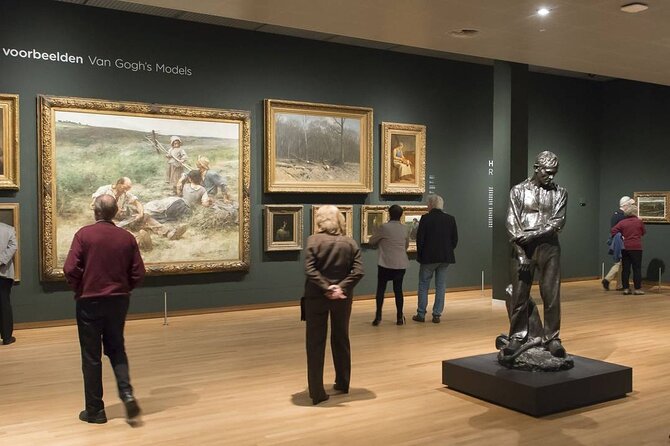
Once you’re inside, you get a 30-minute introduction in English. This is the core of the value. The guide sets context about Van Gogh’s works and also about the history of the museum itself—so you’re not just staring at paintings with no thread to follow.
From guide style examples, one thing pops up again and again: the storytelling sticks. There’s a clear focus on connecting the art to Van Gogh’s personal life, including his troubled period, and tying themes together so the paintings feel related instead of random.
Also, this intro happens before you’re released to explore. That sequencing is smart. You’re not wandering first, hoping the right insights will appear later. You start with a framework, and then the museum fills it in.
Self-guided time after the guide leaves you
After the intro, the guide leaves you inside and you can start your visit by yourself. The best part: you can stay as long as you wish.
This is where your personality comes in. If you love spending real time with one painting, you can. If you want to move quickly and pick your favorites—say the classic Sunflowers—you can do that too. I like this approach because it avoids the “walk fast, look once” rhythm that some tours fall into.
You’ll want to be aware of one realistic factor: the museum may be full. One review-style note you should take seriously is that crowding can happen around popular works. That doesn’t ruin the experience, but it does mean you’ll get the best enjoyment if you:
- Slow down where you can find breathing room.
- Accept that some works draw clusters.
- Be flexible—if one room feels packed, shift your focus to another and come back.
What a small-group tour changes for you
Max 15 people is not a random number. It tends to change the whole feel of your visit.
With a smaller group:
- you’re more likely to hear explanations clearly,
- questions are easier to ask,
- and the guide can pace the opening section without herding everyone like a school group.
I also noticed examples of good practical guide behavior—like patience if someone has trouble finding the meeting point. For example, Aylee is cited as guiding people efficiently when they couldn’t locate the start area. That kind of calm handling is exactly what you want on a first-time visit to a busy museum.
You can also read our reviews of more guided tours in Amsterdam






Works to expect your attention will go to
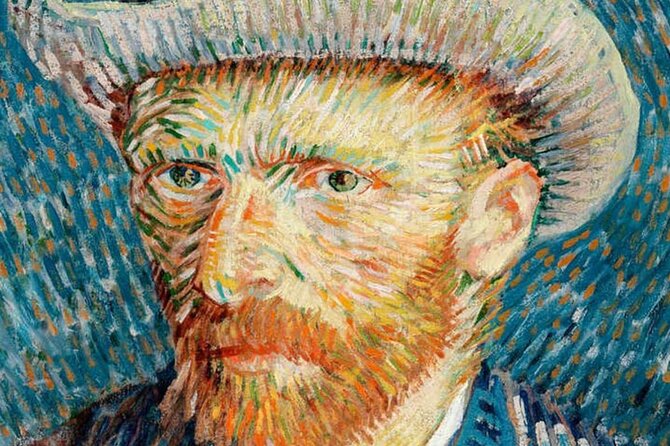
You’ll see the museum’s big-name hits during your time inside, and a couple specific favorites are repeatedly referenced: Sunflowers and The Bedroom.
You don’t need to arrive with a detailed checklist to enjoy those. The value of the guided introduction is that when you face those paintings, you’ll likely understand what makes them important—what they reveal about Van Gogh’s choices and how they connect to the story the guide started telling at the beginning.
Think of the intro as a set of lenses. Then the self-guided time lets you pick how to look through them.
Timing: how to plan your day in Amsterdam
This tour runs about 1 hour 30 minutes for the guided portion plus entry. But because you can stay longer, you should treat it as a “start and then continue” museum experience.
A practical way to plan your day:
- Give yourself extra buffer time afterward if you want to linger.
- Pair it with another museum visit only if you’re okay adjusting on the fly. When a museum is packed, your pace can shift.
- Build in time to walk back out—Amsterdam streets can make you feel like you’re moving faster than you actually are.
Also note that the tour is available on select dates and is typically booked around 8 days in advance on average. If Van Gogh Museum is high on your priority list, don’t wait until the last few days.
Who this tour suits best
This is a strong match if:
- You love Van Gogh but want help connecting the paintings to the story.
- You want skip-the-line entry and a smooth start.
- You prefer a small group over a big, noisy crowd.
- You’re happy with a structured opening and then freedom.
It’s also a good option if you’re traveling with kids or family members who enjoy art stories. One example mentions two sons enjoying the session—so if you have younger people with curiosity, the guide’s narrative style can land well.
Where it may be less ideal:
- If you hate any crowd at all, even small groups can’t control museum density.
- If you only want a fully self-guided museum visit with zero guidance, you might decide the extra cost isn’t worth it.
Price and what you’re getting for $84.28
Let’s make the price feel real.
You’re paying for:
- a prepaid ticket that helps you avoid line friction,
- a live guide who provides a 30-minute introduction in English,
- and small-group handling (max 15).
If you’ve ever tried to do major museums solo during peak hours, you know how much time gets swallowed by logistics. This tour is built to reduce that pain. The guide intro also improves value because it changes how you experience what you see next.
If you’re already the type who loves reading about art before you go, you might feel the guide portion is optional. If you’d rather learn while you’re in front of the paintings, this is exactly the setup that makes the time worth it.
A few practical tips for enjoying it more
These are simple, but they make a noticeable difference:
- Arrive a little early so you can find the group entrance area calmly.
- Wear comfortable shoes. The museum visit becomes more about your pace than the clock.
- Have a short list of what you want to spend time on. Popular works draw crowds, so deciding in advance helps you manage that reality.
- If you’re sensitive to crowding, plan to move between rooms instead of staying fixed near the most famous painting.
Should you book the Van Gogh Museum guided tour?
If you want your Van Gogh visit to start with context and flow smoothly into self-paced wandering, I’d book it. The combination of skip-the-line entry, a focused 30-minute English introduction, and the ability to stay as long as you want is a solid value for an art-packed museum day.
I’d skip or reconsider if you’re set on a purely independent museum experience and you’re comfortable handling entry lines without help. And if crowds stress you out, go in knowing that the museum can be full around top works—you’ll still enjoy it, but your “quiet close look” might take patience.
Bottom line: this is a smart way to see Van Gogh with less hassle at the start, and more freedom once the guide’s job is done.