REVIEW · AMSTERDAM
The Anne Frank Tour (Jewish Neighborhood & Amsterdam during WWII)
Book on Viator →Operated by Guided Tour Holland · Bookable on Viator
Anne Frank’s Amsterdam hits different than a museum. This small-group WWII walk gives you the setting around the Secret Annex, with outside-only views of the Anne Frank House, not the ticketed interior. I love how the guide connects everyday streets to specific moments in Anne’s diary, and I also love the pace: you cover key places in about two hours without feeling rushed. The main drawback is simple: if you’re expecting to enter the Anne Frank House on this tour, you’ll need separate tickets elsewhere.
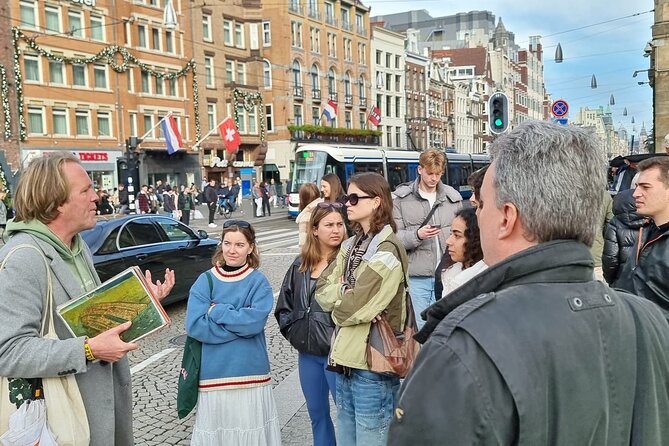
In practice, this tour is about understanding. You hear how Amsterdam changed under Nazi occupation, then you look at landmarks like Dam Square and Westertoren through Anne’s lens. Several guides named in past groups—like Sebastian, Marius, Luc, Craig, and Max—were praised for storytelling and for using visuals such as documents or maps to make the history feel concrete.
You meet at the National Monument by Dam (11:00 am), and the tour ends back where you started. You should plan for a real walking rhythm, and bring weather-ready layers—because Amsterdam will do what it does.
In This Review
- Key Things That Make This Walk Work
- A WWII Walk Through Anne Frank’s Amsterdam (Without Entering the House)
- Meeting at Dam Square: Timing, Mobile Ticket, and What to Expect
- Stop 1: Anne Frank House Exterior and the Secret Annex Context
- Stop 2: Dam Square and the Post-Liberation Turning Point
- Stop 3: Westertoren Churchbells and What Anne Could Hear
- Stop 4: The Final Hour in Anne’s Neighborhood Through Her Diary
- Guides Matter: Storytelling That Keeps the Hard Parts Human
- Price and Value: A Small Up-Front Fee Plus a Big Context Payoff
- Who Should Book This Tour (and Who Might Not Love It)
- Quick Tips Before You Go
- Should You Book the Anne Frank Tour?
- FAQ
- Does this tour include admission to the Anne Frank House?
- How long is the Anne Frank Tour?
- Where do I meet the guide?
- What language is the tour offered in?
- Is this a small group tour?
- Are there extra tickets needed for Dam Square or Westertoren?
- Is cancellation free?
Key Things That Make This Walk Work
- A true small group (max 10) keeps questions flowing and the pace human.
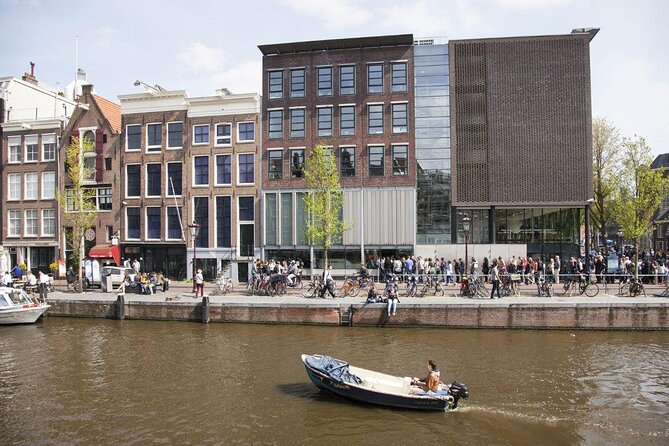
- Anne Frank House exterior only still teaches you what the hiding meant—sound, sightlines, and streets.
- Dam Square adds the post-liberation chapter, not just the occupation years.
- Westertoren churchbells connect a skyline detail to what Anne could hear.
- WWII focus on Amsterdam’s Jewish neighborhood gives you context you won’t get from the building alone.
- English-speaking, story-led guiding (with multiple guides praised for clarity and adaptability) makes the route easier to follow.
A WWII Walk Through Anne Frank’s Amsterdam (Without Entering the House)
This tour works for people who want the Anne Frank story tied to real geography. You’ll stand outside the Anne Frank House and learn what life in hiding likely meant from the street level—where the building sat, what kind of quiet or danger the area represented, and how the city around it shifted during the Nazi occupation.
It’s also a smart option if you’re visiting Amsterdam but can’t secure Anne Frank House entry tickets in time. Even with the house itself off-limits during this walk, the tour is designed to help you “read” the neighborhood. You’ll connect the diary’s themes—fear, stubborn hope, dignity, and resistance of the spirit—to the places you can actually see.
Just don’t treat this as a shortcut to the museum. The tour specifically does not include admission to the Anne Frank House. The ticketed house experience is something you book separately, on their own website.
You can also read our reviews of more tours and experiences in Amsterdam.



Meeting at Dam Square: Timing, Mobile Ticket, and What to Expect
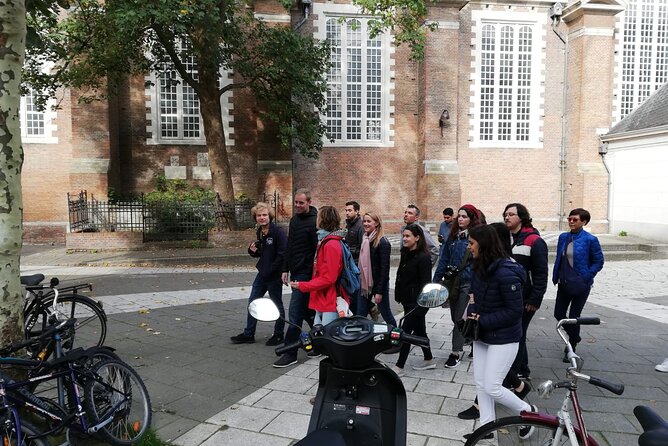
Your starting point is the National MonumentDam at Dam (1012 JS Amsterdam). The tour begins at 11:00 am and runs about two hours total.
A few practical notes that matter:
- You’ll use a mobile ticket for the tour.
- The group is kept small, with a maximum of 10 travelers.
- It’s near public transportation, so it’s easy to reach even if you’re hopping between neighborhoods.
- If you’re late, the tour won’t wait and you can’t just catch up later—you’d need to book a new time slot.
For comfort, wear shoes you can walk in for a good chunk of time. This is a city-walking day, not a sit-and-stare timeline.
Stop 1: Anne Frank House Exterior and the Secret Annex Context
The first stop is the Anne Frank House—outside only. The goal here isn’t to retell every museum fact. Instead, it’s to frame what the house meant while people were hiding inside it.
From the street, your guide brings in Anne’s diary as a kind of anchor. You’re not just hearing history in general; you’re getting the story of everyday living under extraordinary pressure. Expect talk about:
- what hiding meant in practical terms (privacy, fear, silence, routine),
- how the outside city felt different under occupation,
- and how the diary’s ideas link to what a person might notice from within.
A key part of the setup is the surrounding wartime context. The tour’s narrative includes references to the Resistance Museum and the idea of hidden spaces around Amsterdam—places where people sheltered, organized, and survived. You’re essentially learning how the city’s wartime geography worked, so when you move on, the next landmarks don’t feel random.
Admission isn’t included here because the tour is not entering. The value is interpretation: you’ll leave with a clearer sense of where Anne’s words fit into the physical world around her.
Stop 2: Dam Square and the Post-Liberation Turning Point
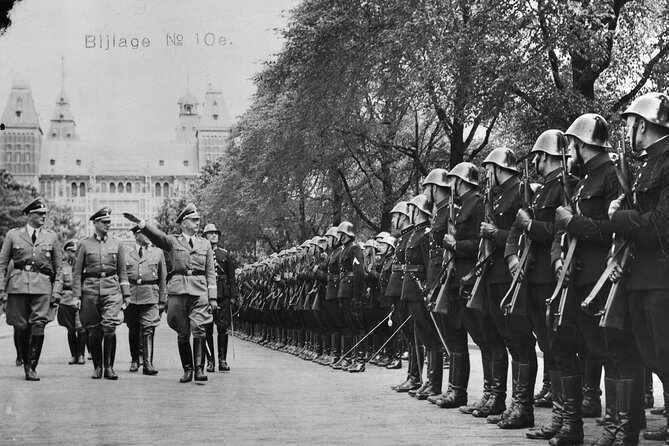
Next up is Dam Square. This stop is brief—about 20 minutes—and the theme shifts from occupation to what happened right after liberation.
You’ll learn about the shooting that took place in Amsterdam following liberation. It’s a darker reminder that “free” didn’t suddenly mean “safe,” and that public spaces—like Dam Square—carry layered meanings across different eras.
Even if you’ve seen Dam Square on other days, this reframes it. Instead of only thinking of it as a central meeting place or tourist hub, you’ll start reading it like a historical stage: events occurred here, and the city’s story kept evolving even after the occupation ended.
Stop 3: Westertoren Churchbells and What Anne Could Hear
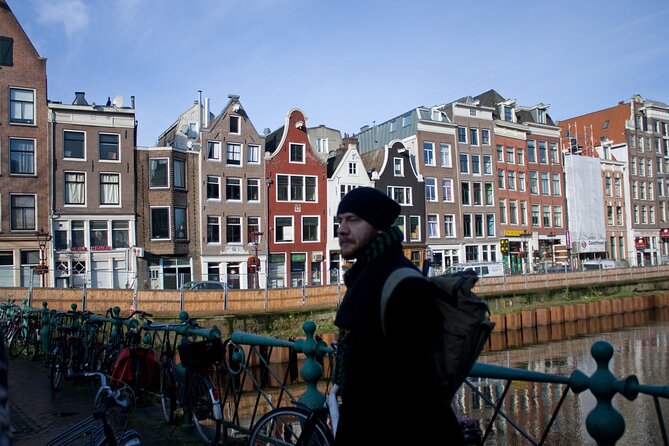
The third stop is Westertoren, the church tower with churchbells that Anne Frank could hear from her hiding place.
This is one of those smart guiding choices that turns history into something you can picture. You’re not relying on an exhibit label. You’re using the city’s soundscape as a clue. Your guide connects the tower to the idea of daily life in hiding—what a person might hear, how sound travels through neighborhoods, and how even small details can become emotionally loud when everything else is uncertain.
You’ll spend about 20 minutes here. Admission is free for this stop, so you’re not scrambling for tickets or paywalls. The payoff is the way the guide ties an architectural feature to Anne’s lived experience.


Stop 4: The Final Hour in Anne’s Neighborhood Through Her Diary
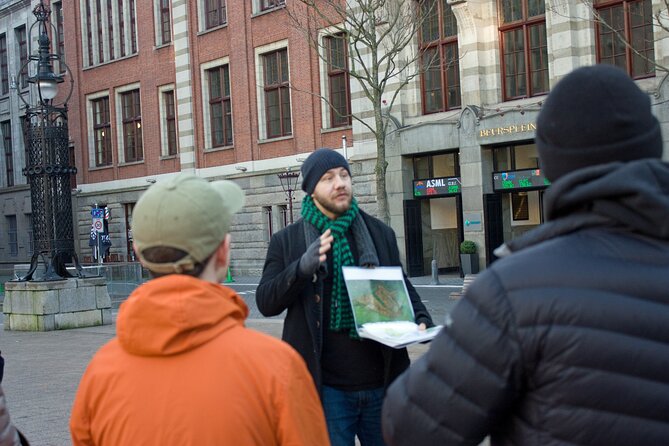
The last stretch is about one hour walking through the area where Anne Frank lived before and during the years of WWII, including her period in hiding.
This is where the tour becomes less about separate “sites” and more about the bigger picture: you’ll ask what Anne could see from her hiding place, what she could hear, and what the outside world likely looked like to someone writing her diary while locked away.
This part matters because it turns the story from a sequence of events into a sense of place. You start noticing how streets and corners shape daily movement. You also get a clearer view of how the neighborhood identity changed as occupation tightened.
If you like tours that help you get your bearings fast, this section is the one that really does the job. After it, Amsterdam feels less like a blur of canals and more like a map of human stories—some documented, some carried through testimony.
Guides Matter: Storytelling That Keeps the Hard Parts Human
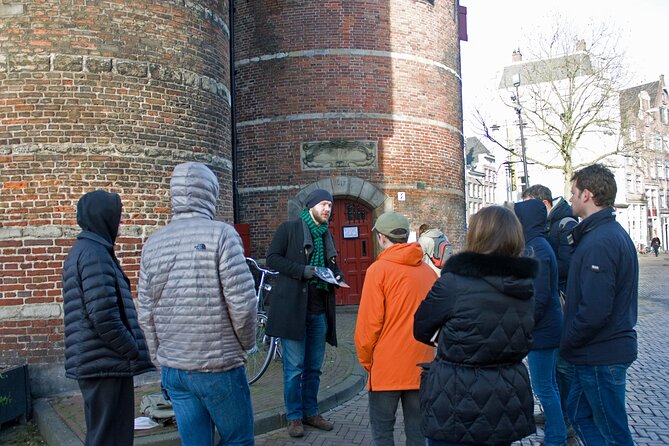
What stands out across the strongest examples from past groups is the guide performance. Names that came up include Sebastian, Marius, Luc, Craig, Max, Miesch, Iris, Jasmine, Wendy, and Maurice.
The common thread in the praise:
- Guides explained the story with a local sense of place.
- Several used historical visuals like documents or maps to make connections.
- Many struck a balance between serious content and moments that kept the walk engaging.
One detail I really appreciate: adaptability. I saw notes that a guide like Craig adjusted the pace and level for a younger child when some details were too upsetting. Maurice was also noted for making accommodations for a guest using crutches. Those may sound like small things, but they’re the difference between a tour you tolerate and a tour you actually absorb.
This matters in a topic like this, where the subject is heavy. Good guiding doesn’t soften the facts. It just keeps the group steady enough to stay present and thoughtful.
Price and Value: A Small Up-Front Fee Plus a Big Context Payoff
The price shown is $3.61 per person. On paper, that sounds almost too low for a guided historical walk.
Here’s how I think about the value:
- You’re paying for an English-speaking guide, plus WWII and Jewish community context delivered through storytelling.
- The “free” stops (Dam Square and Westertoren) reduce the pressure of additional costs during the route.
- The big thing not included is the Anne Frank House entry itself. If you want the interior visit, you’ll need separate tickets.
Also, tipping comes up. The provider’s responses indicate the booking fee is paid online, and at the end you’re free to tip the guide based on your experience. That makes the tour feel closer to a traditional community-style walking tour—great when it’s handled respectfully, messy only when expectations aren’t clear.
So my practical advice: treat this as a context tour that pairs perfectly with a separately booked Anne Frank House visit. If you can’t get house tickets, this still gives you a lot—just not the interior.
Who Should Book This Tour (and Who Might Not Love It)
This tour fits you best if:
- you want to connect Anne Frank to the streets of Amsterdam during WWII,
- you’re looking for an organized walking route that gives context quickly,
- you may not have Anne Frank House entry tickets (or you already visited and want more meaning),
- you like guides who explain with examples and visuals.
You might feel disappointed if:
- your main goal is touring the Anne Frank House interior during this exact experience,
- you’re booking expecting a full ticketed museum day.
The good news is that the tour is honest about what it does and doesn’t include: you can stand at the exterior, hear the diary-linked context, then decide whether to add the house visit.
Quick Tips Before You Go
A few simple things will help your experience land better:
- Bring a small layer for Amsterdam’s weather. The walk is outdoors.
- Come with at least a basic familiarity with Anne Frank’s story so the diary references click faster.
- If you’re planning to visit the Anne Frank House interior separately, do it either before for continuity or after for stronger meaning from what you learned on the walk.
- If the topic feels intense, it’s okay to set expectations with your guide at the start. Several guides have shown they can adapt.
Should You Book the Anne Frank Tour?
Yes, if you want meaning, not just a checklist of sites. This walk is built to help you understand Amsterdam during WWII through Anne Frank’s perspective—Dam Square for the post-liberation moment, Westertoren for churchbells that could carry to the hiding place, and the final hour that ties streets back to what she might have seen and heard.
Book it especially if:
- you’re traveling with limited time and want a strong introduction,
- you’re pairing it with an Anne Frank House visit you’ll book separately,
- you value guided storytelling from a small group.
Skip (or at least adjust your expectations) if your top priority is simply entering the Anne Frank House interior during the same tour.
FAQ
Does this tour include admission to the Anne Frank House?
No. You visit the Anne Frank House from the outside, and admission to the house is not included. You can book house entry separately on their own website.
How long is the Anne Frank Tour?
It lasts about 2 hours.
Where do I meet the guide?
The meeting point is at National MonumentDam, 1012 JS Amsterdam, Netherlands.
What language is the tour offered in?
The tour includes an English-speaking guide.
Is this a small group tour?
Yes. The maximum group size is 10 travelers.
Are there extra tickets needed for Dam Square or Westertoren?
Admission is listed as free for both Dam Square and Westertoren on this tour.
Is cancellation free?
Free cancellation is available if you cancel up to 24 hours in advance of the experience start time for a full refund.
If you tell me your travel dates and whether you already have Anne Frank House tickets, I can help you choose the best order for this walk.