REVIEW · AMSTERDAM
“The 10 Most Polluted Masterpieces: A Sustainable Digital Tour”
Book on Viator →Bookable on Viator
This digital tour turns art conservation into a guided, clickable story about what happens when paintings get dirty. I like that the tour is short and scheduled, so you can fit it around a real Amsterdam day without losing half a morning or afternoon. I also like the format: you follow an avatar guide with sustainability and conservation focus instead of just watching a slideshow.
The one thing to keep in mind: this is online, so if you want a hands-on gallery visit with physically seeing paintings up close, this won’t scratch that itch.
In This Review
- Key highlights you’ll feel fast
- Price and logistics: what you’re really paying for
- How the tour works: a guided run through 10 conservation lessons
- The “10 polluted masterpieces” experience, stop by stop
- Spotlight 1: Setting the pollution stakes
- Spotlight 2: What “pollution” looks like on a surface
- Spotlight 3: Why conservation is more than cleaning
- Spotlight 4: Looking at art through environmental impact
- Spotlight 5: The tension between visibility and preservation
- Spotlight 6: Measuring harm over time
- Spotlight 7: Materials matter
- Spotlight 8: Sustainability in the real world
- Spotlight 9: Conservation choices and trade-offs
- Spotlight 10: Your take-home conservation lens
- The avatar guide format: good for focus, not for wandering
- Amsterdam timing: best ways to fit this into your day
- Who this tour suits best (and who should skip it)
- About the reviews: what matters most from the praise
- Should you book the 10 Most Polluted Masterpieces digital tour?
- FAQ
- How long is this experience?
- What language is the tour offered in?
- Is it a private tour?
- Where does the experience meet?
- When is it available?
- Do I need a mobile ticket?
- Are service animals allowed?
- Is it near public transportation?
- What is the cancellation policy?
Key highlights you’ll feel fast
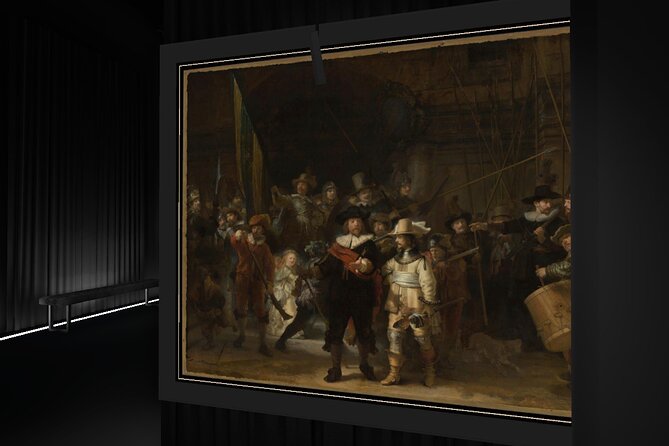
- 10 polluted masterpieces, one guided sequence: the experience is organized around the “top 10” concept, with each section pushing a new conservation takeaway.
- Avatar-led sustainability angle: a guide account appears as an avatar and steers you through what to notice and why it matters.
- English mobile ticket: it’s built for quick access—use your phone and plan for a short session.
- Private by default for your group: only your group participates, which usually means a calmer, more focused experience.
- Built around a tight time slot: it runs Monday–Friday in the late afternoon, so you’re not guessing when to show up.
Price and logistics: what you’re really paying for
At $12.51 per person for 10 to 30 minutes, this is priced like an add-on you can squeeze into a travel day. That matters, because you’re not paying museum-level money for a long, wandering visit. You’re paying for a focused guided experience: a short run through the most polluted masterpieces, framed through sustainability and conservation.
The timing is also pretty “plan-it-and-go.” The activity is offered Monday through Friday from 5:00 PM to 5:30 PM (during October 2026). So you’re not juggling multiple daily departures. Pick the slot, show up at the scheduled time, and you’re done—no full-day commitment.
One more practical note: the experience uses a mobile ticket and is English. If you prefer reading less and following along while you watch/listen, this format is friendly. And because it’s listed as private, you won’t be packed into a large crowd where you can’t hear what the guide is pointing out.
You can also read our reviews of more tours and experiences in Amsterdam.


How the tour works: a guided run through 10 conservation lessons
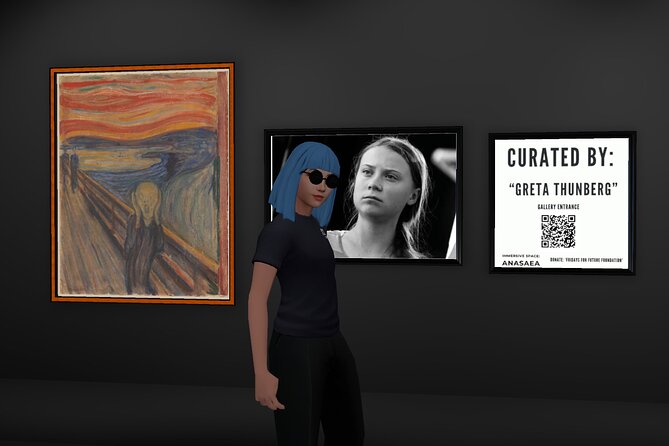
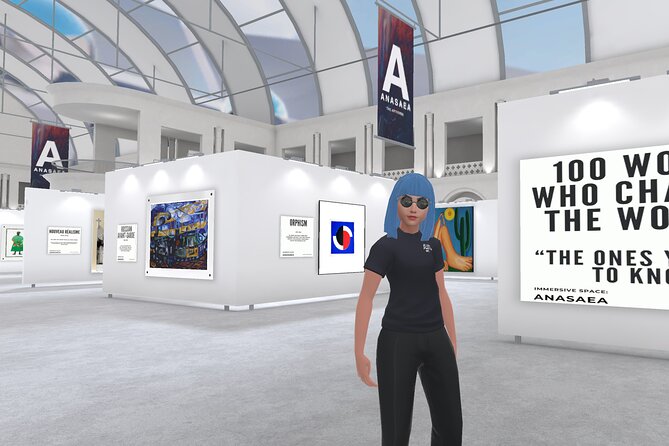
This isn’t presented as a general art quiz. It’s built around a clear theme: the 10 most polluted masterpieces, presented in a digital, interactive environment. You’ll be guided by a sustainability-focused avatar who leads the experience step by step, timed to your scheduled entry.
Here’s what that usually means for your attention span: you don’t need to know art history in advance. You’re meant to learn by being directed—what to look for, what kinds of pollution affect artworks, and why conservation isn’t just about cleaning. Conservation is also about prevention, long-term stability, and slowing down damage.
Because there are 10 “spots” (based on the title and structure), the tour likely feels like ten short lessons rather than one long talk. That’s a good thing. If you only have a bit of energy left in the day, you still get a complete arc: idea in, understanding out.
The “10 polluted masterpieces” experience, stop by stop
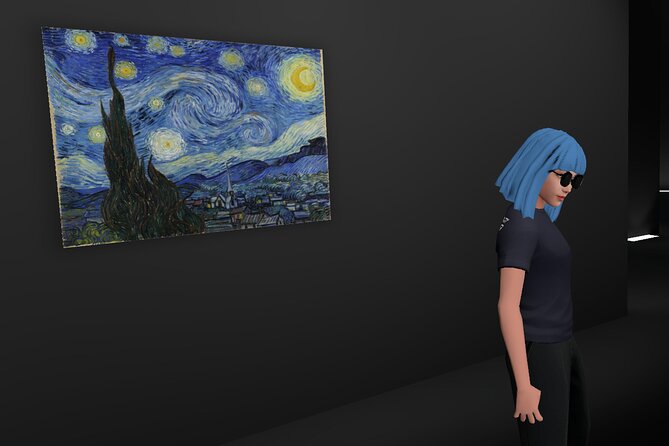
Even though there’s only one listed “stop” on the outline, the experience is clearly organized around 10 separate masterpieces. Think of these as ten chapters. Here’s what each chapter style is likely to do for you—and what to watch for so you get real value, not just a passive viewing.
Spotlight 1: Setting the pollution stakes
The first segment is your orientation. You’re usually given the core framing: why artwork pollution is a conservation problem, and what the guide wants you to notice. This chapter matters because it sets the lens for the rest—otherwise later sections can feel like random facts.
Potential drawback: if you’re expecting deep, technical language from minute one, you might find it more conceptual than lab-level.
Spotlight 2: What “pollution” looks like on a surface
Second chapter tends to be about recognition—what pollution can do to the visible surface of a painting. You’ll likely focus on how marks change over time and what conservation teams try to protect against.
Tip for you: slow down here. If you miss the guide’s “what to notice” cues early, you’ll keep replaying the same questions later.

Spotlight 3: Why conservation is more than cleaning
The third segment often shifts from appearance to process. This is where conservation becomes about decision-making: what to do, what not to do, and why irreversible steps are avoided.
Why it’s valuable: it turns sustainability into something practical, not just a slogan. Conservation decisions involve care, materials, and long-term planning.
Spotlight 4: Looking at art through environmental impact
By chapter four, you’re probably connecting the artwork problem to a larger environmental story—how air quality, soot, and general grime can turn into long-term damage. The guide’s avatar format keeps your focus on meaning, not just images.
Possible consideration: because it’s digital, you won’t see texture at the same scale you might in person, so rely on the guide’s prompts rather than expecting museum-level detail.
Spotlight 5: The tension between visibility and preservation
Mid-tour usually hits a classic conservation tension: viewers want paintings to look “fresh,” but conservation aims for stability and authenticity. Expect the guide to steer you toward questions like what’s gained, what’s risked, and what “restoration” really means.
Spotlight 6: Measuring harm over time
A sixth chapter often leans into time—pollution effects aren’t just instant. They accumulate, react, and age in ways that affect how conservators plan treatment.
If you like cause-and-effect thinking, this is where the tour becomes genuinely satisfying. You start seeing patterns instead of isolated problems.
Spotlight 7: Materials matter
Next, you tend to get a materials-focused lesson: why different painting surfaces and layers respond differently to pollution. Even without technical terminology, you’re likely guided to understand the idea that not all artworks suffer the same way.
Why you’ll enjoy it: it makes conservation feel like science plus ethics.
Spotlight 8: Sustainability in the real world
Chapter eight is where the tour’s “sustainable” theme should click. Conservation is framed not only as fixing old harm, but also preventing new harm—reducing the need for aggressive treatment and choosing methods responsibly.
Practical angle: sustainability isn’t just about the future planet. It’s also about how you extend the life of what already exists.
Spotlight 9: Conservation choices and trade-offs
Nine often becomes decision-focused: conservators can’t do everything, and they can’t reverse time. The guide likely highlights trade-offs: visibility vs. intervention, speed vs. caution, and what evidence is needed before any step.
If you enjoy thoughtful dilemmas, this chapter is likely one of the strongest.
Spotlight 10: Your take-home conservation lens
The last chapter usually brings it back together. You’re not only “shown” ten cases; you leave with a way to look at paintings and understand why care matters.
This ending is especially good for short tours. You get closure fast—no wandering required.
The avatar guide format: good for focus, not for wandering
One of the defining features is that the guide logs in as an avatar and leads you interactively. That format can be great when you want clear prompts and a steady pace. You’re less likely to drift into random clicking, because the tour is structured around the 10-masterpiece theme.
That said, it’s still a digital format. You won’t roam at your own pace like you might in a museum. You’ll follow the guide’s flow and timing. For many people, that’s exactly the point: you get value quickly.
Amsterdam timing: best ways to fit this into your day
Amsterdam can chew up time fast—one tram connection turns into one more stop. Because this experience is capped to a very specific late-afternoon window, I’d treat it like a bookable “reset button.”
A good plan:
- Schedule it on a day when you already have your main museum hit.
- Use the slot for a brain-friendly activity: short, focused, and English.
- Pair it with an early dinner nearby after the session ends back at the meeting point.
Also, it’s listed as near public transportation, which helps. Even if the experience is online, you’ll likely still be near a practical meeting reference point in the city.
Who this tour suits best (and who should skip it)
This experience is a strong match if you:
- like art but don’t want a long, heavy commitment
- care about conservation and sustainability in a practical way
- prefer guided learning rather than self-guided browsing
- want something you can do in a short window around other Amsterdam plans
You might skip it if you:
- want to physically see paintings in a museum setting
- need a longer experience that lets you roam freely
- expect the kind of on-site detail that comes from seeing brushwork in person
About the reviews: what matters most from the praise
The overall rating is 5 based on the short set of reviews provided. The common praise themes are that the tour is informative, and that the guide’s explanations make the experience feel more thoughtful than a simple exhibit walk-through. There’s also praise for the experience feeling like an eye-opener—meaning it changes how you look at art and its care.
One caution: the review snippets shown don’t provide clear, matching details about the Amsterdam setup. So use them as a signal of the learning style (clear explanations, thoughtful framing), not as proof of exact Amsterdam logistics.
Should you book the 10 Most Polluted Masterpieces digital tour?
If you want a short, guided Amsterdam art-and-sustainability session that doesn’t eat your whole day, I’d book it. The price-to-time ratio is the big win: you’re paying for focused guidance through 10 themed conservation lessons in English, using a mobile ticket.
But if your dream Amsterdam day includes physically seeing paintings up close in a gallery, don’t replace that with this. This works best as a smart add-on—an evening learning moment that keeps the art world connected to the real issue of conservation and sustainability.
FAQ
How long is this experience?
The duration is listed as approximately 10 to 30 minutes.
What language is the tour offered in?
It’s offered in English.
Is it a private tour?
Yes. It’s listed as a private tour/activity, with only your group participating.
Where does the experience meet?
The start location shown is Paleisstraat 107, 1012 ZL Amsterdam, Netherlands, and it indicates the activity ends back at the meeting point. The experience is also described as meeting online at the scheduled time.
When is it available?
For October 2026, it’s available Monday through Friday from 5:00 PM to 5:30 PM.
Do I need a mobile ticket?
Yes. A mobile ticket is included.
Are service animals allowed?
Yes, service animals are allowed.
Is it near public transportation?
Yes, it’s listed as near public transportation.
What is the cancellation policy?
Free cancellation is offered. You can cancel up to 24 hours in advance for a full refund.