REVIEW · AMSTERDAM
Stedelijk Museum Amsterdam: Modern and Contemporary Art
Book on Viator →Operated by Stedelijk Museum Amsterdam · Bookable on Viator
Skip the scramble and see modern art fast. This is a smart way to visit Amsterdam’s Stedelijk Museum with mobile ticket entry, plus access to both the permanent collection and temporary exhibitions, including Erwin Olaf’s big show (through March 1, 2026). You’ll move through art and design ideas tied to social movements, not just a random pile of paintings.
I especially like the way the collection is organized, using themes and a loose chronology so you can follow how modern art and design evolve over time. The included audio tour also helps you slow down and look longer, with language options in NL and EN (and this offering is listed for English too).
One thing to consider: modern and contemporary art can be intense or conceptual, so if you prefer calm, traditional museum viewing, you may need to pick your stops and pacing carefully within the 1 to 1.5 hour window.
In This Review
- Key points before you go
- Stedelijk Museum Amsterdam: modern art in a practical 90 minutes
- Phone-scan entry and timing: how to make this ticket work for you
- Inside the museum: the permanent collection’s theme-based way of seeing
- Design movements and social change: Amsterdam School and Bauhaus context
- What’s on view right now: Erwin Olaf – Freedom until March 1, 2026
- Audio tour (NL/EN) that helps you look smarter, not longer
- If modern art feels risky: a simple way to enjoy it anyway
- A break when you need one: the museum café option
- Price and value: why $27.01 can make sense
- Who should book this Stedelijk Museum ticket bundle
- Should you book this? My honest call
- FAQ
- How do I use the mobile ticket at the Stedelijk Museum?
- What’s included in the ticket price?
- How long should I plan for this visit?
- What languages are available for the audio tour?
- What are the museum opening hours?
- Is food or drinks included?
- What is the cancellation policy?
Key points before you go
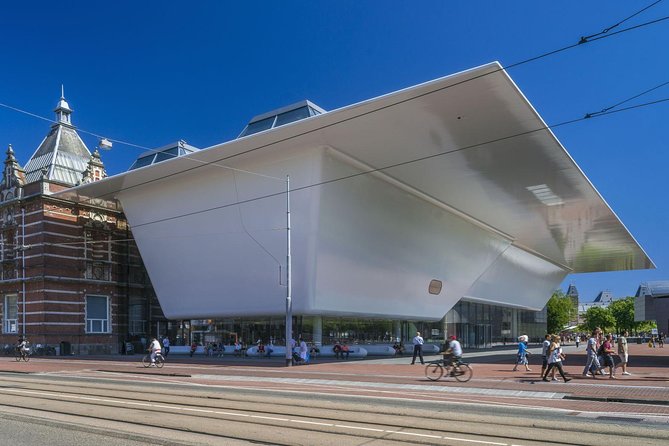
- Phone-scan admission helps you get through quickly at the museum door.
- Permanent + temporary access means you’re not stuck in one room.
- Theme-and-era approach ties artists and design movements to bigger social change.
- Erwin Olaf – Freedom is the star temporary exhibition until March 1, 2026.
- Audio tour included (NL/EN) so you can understand what you’re seeing without reading walls.
Stedelijk Museum Amsterdam: modern art in a practical 90 minutes
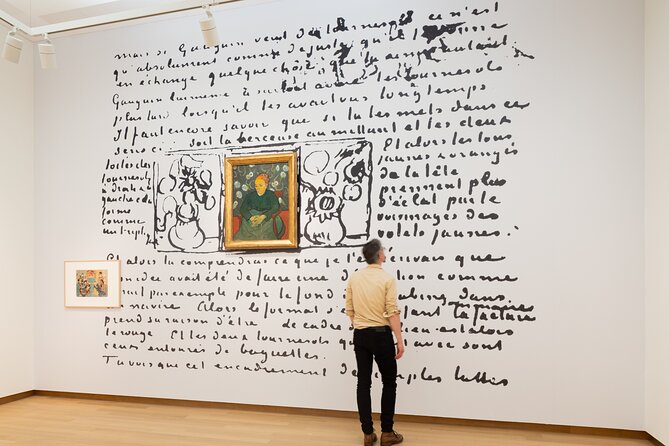
If you want a high-impact dose of modern and contemporary art without turning your day into a full marathon, this visit fits nicely. The tour window is listed at about 1 hour to 1.5 hours, which is enough time to see highlights and a temporary exhibition—if you move with intention.
Plan on using the audio tour as your guide for what matters most in each area. When you do that, you don’t just pass by big names like Mondrian or Warhol—you also get the why behind the style.
The museum’s setup also encourages a different kind of looking. Instead of strict “artist-by-artist” wandering, the museum organizes much of its material around themes, with a loose timeline that helps you sense change over decades.
You can also read our reviews of more museum experiences in Amsterdam



Phone-scan entry and timing: how to make this ticket work for you
The biggest practical win is the mobile admission ticket. You scan your phone for entry, which cuts out the hunt for paper tickets and reduces friction at the door.
The Stedelijk Museum is open daily from 10:00 AM to 6:00 PM, and that daily schedule matters. You’re not trapped into a narrow time slot, so you can match your visit to your Amsterdam rhythm—mornings for lighter crowds, afternoons if you want a longer lunch-and-museum flow.
You’ll also be glad it’s near public transportation. That’s useful in Amsterdam, where hopping between neighborhoods is usually part of the plan. Aim to arrive a little before your preferred start time so you’re not juggling transit delays mid-visit.
Inside the museum: the permanent collection’s theme-based way of seeing
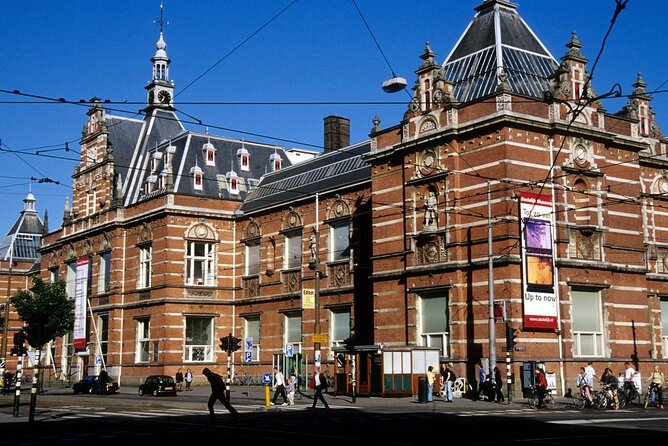
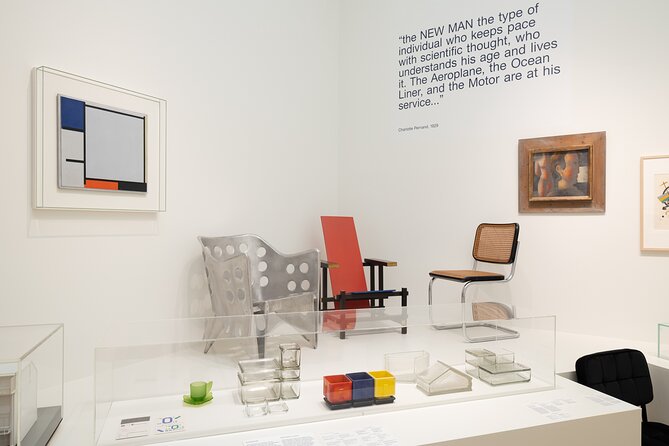
One of the most helpful things about this experience is how the permanent collection is framed. It’s organized thematically and in a loose chronology, with emphasis on how art and design develop alongside social movements.
That approach changes your viewing experience in a good way. You start noticing patterns—how style connects to politics, identity, technology, or shifts in daily life—rather than treating each work like an isolated object.
You also get a broad sweep of major figures across styles and eras. The museum’s highlights you can expect include names like Vincent van Gogh, Marc Chagall, Piet Mondrian, Yayoi Kusama, Andy Warhol, Marlene Dumas, Henri Matisse, Jackson Pollock, Gerrit Rietveld, and Charley Toorop.
Even if modern art is not your default taste, seeing these artists under a theme umbrella can help you find entry points. You might feel more confident choosing what to focus on: color and abstraction, the role of design, or how personal stories and social change show up in the work.
Design movements and social change: Amsterdam School and Bauhaus context
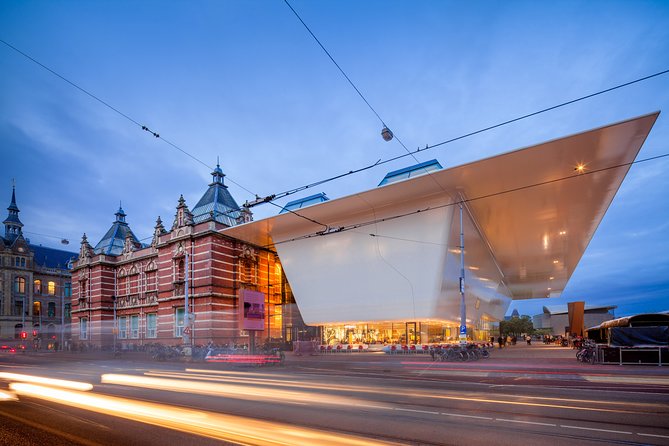
This museum doesn’t treat modernism like a style-only story. It connects it to larger movements, including the Amsterdam School and the Bauhaus influence (and more beyond those).
That context is useful because these movements can feel confusing if you only see the results. With the thematic framing, you’re better positioned to understand why certain design choices happened—how industrial changes, new materials, and shifting ideas about society shaped what artists made.
If you love architecture or design (or you’ve ever tried to make sense of why buildings and interiors changed so much in the 1900s), this is a strong match. Even if you don’t, the museum’s approach helps you build a simple mental map: modern art didn’t appear randomly; it came from real changes.
What’s on view right now: Erwin Olaf – Freedom until March 1, 2026
The current temporary exhibition is a major reason to go. Erwin Olaf – Freedom runs until March 1, 2026, and it’s described as the first museum retrospective since his unexpected death two years ago.
What makes it feel worth your time is the way it covers more than just the iconic images. The exhibition aims to show Olaf’s full creative process and includes videos and sculptures, along with commercial photography and personal archive material.
Then it builds toward a strong final note: the presentation culminates with his last work, an unfinished video. That ending matters because it shifts the exhibition from a greatest-hits format to a story about how an artist worked and changed over time.
If you like modern art that communicates through clear visual storytelling (even when it’s provocative), this kind of retrospective structure can be an easy win. It gives you a narrative thread so you don’t feel lost.






Audio tour (NL/EN) that helps you look smarter, not longer
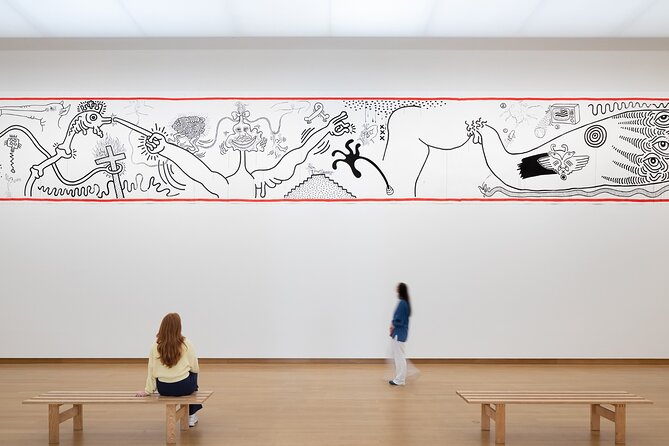
This experience includes an audio tour, and it’s available in 2 languages: NL and EN. If you’re relying on English, you’ll still want to glance at what’s offered for your session, since language options can vary by device or program.
Here’s the practical way to use the audio tour. Don’t listen start-to-finish like a podcast. Instead, use it to choose 3–6 works or corners you care about, then listen closely there, skimming when you’re just transitioning.
That keeps the visit enjoyable, especially in modern museums where you can accidentally spend 30 minutes reading labels that don’t match your interests. With the audio, you can keep your curiosity pointed.
If modern art feels risky: a simple way to enjoy it anyway
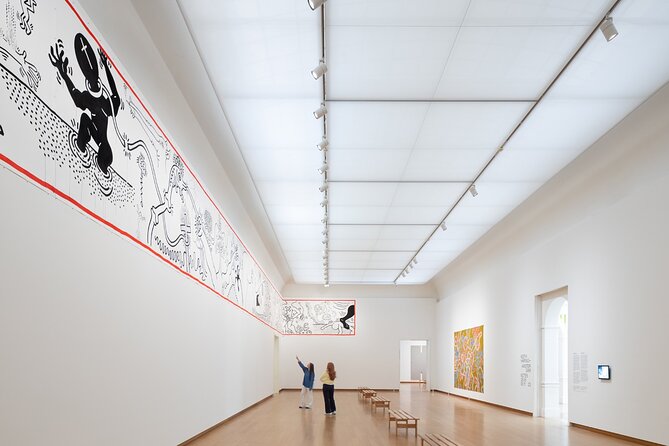
Not everyone starts out loving modern and contemporary art. That’s normal. What helps is focusing on how the museum connects art and design to society, because that theme gives you a way in even when a style surprises you.
I also like that the collection includes both famous names and contemporary artists, which lets you compare eras. If you’re overwhelmed, you can lean on the big recognizable pieces first, then branch into the adjacent themes when you’re ready.
Another “comfort trick” is to decide your visit goal before you start. You might aim to understand one theme (identity, movement, social change), or you might choose one artist focus from the modern era. Either method keeps the museum from turning into a blur.
A break when you need one: the museum café option
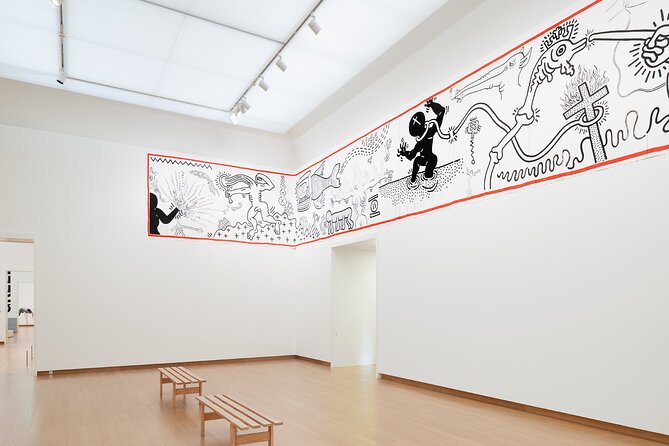
Food and drinks are not included, but you won’t be stranded. The museum has a café, and one cited menu set included items like lentil soup, gazpacho, and apple tart.
This matters because a modern art visit can be mentally tiring. A quick lunch break also helps you keep your attention for the temporary exhibition afterward.
If you’re planning a single 1–1.5 hour visit only, consider a light snack first. Then you can enjoy the art without turning your stomach into your attention rival.
Price and value: why $27.01 can make sense
The price is listed at $27.01 per person, for a visit that includes museum admission, an audio tour, and all temporary exhibitions.
That’s not just a ticket to the building—it’s a ticket to a full museum day slice. When a museum visit includes the audio and temporary shows, you’re paying for more than entry. You’re paying for context and variety, which is exactly what you want when time is short.
Also, the timing matters. With only 1 to 1.5 hours, you want “coverage” without extra steps. This package gives you that, because you’re not forced to pick between permanent galleries and the show on view.
Who should book this Stedelijk Museum ticket bundle
This works well for people who want a focused introduction to modern and contemporary art. If you like named artists—Warhol, Kusama, Mondrian—but you also want explanation beyond the signature style, the audio support helps.
It’s also a good option for design-minded travelers. The emphasis on how art and design develop alongside social change fits well if you enjoy Bauhaus-era thinking, graphic ideas, or how architecture influences taste.
Finally, it’s straightforward enough for most visitors since participation is listed as broadly open. You can also go solo or in a small group and still get value out of the audio tour structure.
Should you book this? My honest call
Book this if you want an efficient, high-value Stedelijk Museum visit that covers both the permanent collection and a major temporary exhibition like Erwin Olaf – Freedom. The mobile ticket approach is built for speed and simplicity, and the included audio tour helps you make sense of what you’re seeing without digging for information mid-walk.
Skip (or rethink) if you only want one small subset of modern art and you’re the type who prefers long, slow museum reading with no audio pacing. In that case, you might spend more time than planned and wish you had a longer visit window.
If you’re aiming for a smart Amsterdam culture stop that doesn’t eat your whole day, this is a solid choice.
FAQ
How do I use the mobile ticket at the Stedelijk Museum?
You use the mobile admission ticket by scanning your phone at the museum entry.
What’s included in the ticket price?
The experience includes museum admission, an audio tour, and all temporary exhibitions.
How long should I plan for this visit?
The experience is listed at about 1 hour to 1 hour 30 minutes.
What languages are available for the audio tour?
The audio tour is available in 2 languages: NL and EN.
What are the museum opening hours?
The museum is open daily from 10:00 AM to 6:00 PM.
Is food or drinks included?
No. Food and drinks are not included.
What is the cancellation policy?
You can cancel for a full refund up to 24 hours in advance of the experience start time.