REVIEW · AMSTERDAM
Rembrandt House Museum Amsterdam Entrance Ticket
Book on Viator →Operated by Rembrandt House Museum · Bookable on Viator
Rembrandt’s house feels like time travel, minus the machine. This ticket lets you walk through his home, studio, and 17th-century world while a multimedia guide tells the story of his rise and hard financial turns.
I like that the visit is built around Rembrandt’s process, not just his fame—studio insights and how painting was made are front and center. I also like that the museum adds live moments to the self-guided flow, including daily etching and painting demonstrations.
One thing to keep in mind: this is a self-paced experience, so you may hit audio loading delays and a bit of head-scratching when matching rooms to the guide.
In This Review
- Key highlights you’ll actually feel during the visit
- What the Rembrandt House Museum ticket includes (and why it’s good value)
- Step inside: the preserved house and studio vibe you can’t fake
- The multimedia tour: your 13-language storyline (and how not to get lost)
- New after 2023 reopening: what the extra rooms add to the story
- Etching attic and the drawings/etchings view: learn the method behind the art
- Daily demonstrations: the closest you’ll get to Rembrandt’s studio rhythm
- Timing and pacing: how long to budget in a house with lots of stairs
- Is this worth it for you? Who this ticket suits best
- Price and logistics check: paying $26.01 for a guided, tech-assisted house
- Should you book the Rembrandt House Museum entrance ticket?
- FAQ
- How much is the Rembrandt House Museum entrance ticket?
- How long should I plan for the visit?
- Is the ticket mobile?
- What languages are available?
- Are demonstrations included with admission?
- Is there a family-focused tour option?
- Where is the museum located?
- What’s the group size limit?
- When do I receive my confirmation?
- What’s not included in the ticket price?
Key highlights you’ll actually feel during the visit
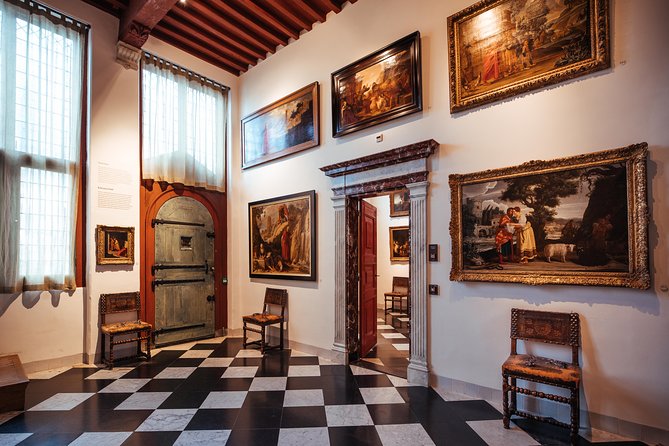
- Go room by room in his real studio setting, where the museum focuses on how he worked.
- Free multimedia guide in 13 languages, plus a family-focused version.
- Daily live demonstrations, including etching and painting process sessions.
- New spaces after the 2023 reopening, such as an epilogue room and the etching attic.
- Drawings and etchings collection time, so you connect finished works to techniques.
- Small max group size (15), which helps the day feel calmer and less rushed.
What the Rembrandt House Museum ticket includes (and why it’s good value)
For about $26.01 per person, you’re buying more than entry to a house. You get a free multimedia guide in 13 languages, which matters because Rembrandt’s story is personal and specific. You’ll get context for why rooms, objects, and artworks mattered in 17th-century Amsterdam—not just a generic art talk.
Duration is listed as about 1 hour, but I’d treat that as a minimum. The museum’s own storytelling is designed to make you slow down, and the live demonstrations take time. In practice, plan on around 2 hours if you want to read, listen, and catch at least one demo.
The experience is offered in English and also supports multiple languages through the multimedia setup. That’s a big deal if your group has mixed comfort levels with English or if you want the option to switch language without losing the thread.
Logistically, it’s a mobile ticket experience and the museum is near public transportation. The smaller maximum group size (up to 15) also helps keep lines and crowd noise more manageable than at big blockbuster museums.
You can also read our reviews of more tours and experiences in Amsterdam



Step inside: the preserved house and studio vibe you can’t fake
The core of this experience is walking through the well-preserved home and studio of Rembrandt van Rijn. This isn’t a museum display that recreates a mood from far away. It’s close quarters, real rooms, and the kind of layout where you feel how an artist’s day might have unfolded.
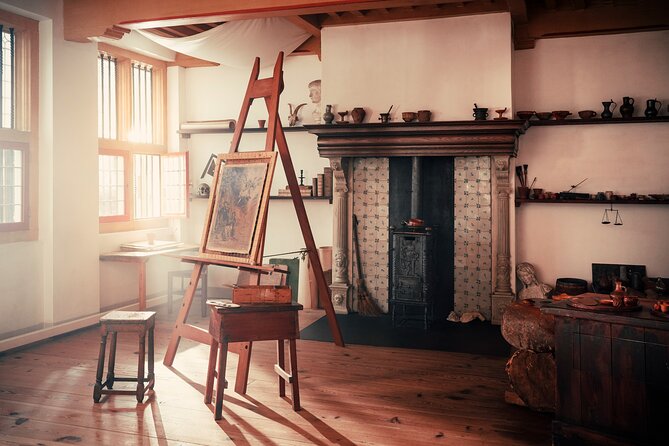
Rembrandt’s studio is the emotional anchor. You’ll be directed to the exact place where he created masterpieces, and the museum adds a practical angle: you don’t just hear that he painted—you learn about how he made his paint. That shift turns the house from a biography stop into a “how it was done” visit.
The museum also frames Rembrandt’s life in the buildings themselves. That’s why the period furnishings and artifacts matter: they help you picture the daily rhythm of a famous artist living amid the pressures of the era.
A quick heads-up: even though the story feels intimate, the physical reality is that this is a house with steep staircases. Narrow stairs show up in multiple experiences of visitors, so bring sensible footwear and plan for slower movement when you’re moving between levels.
The multimedia tour: your 13-language storyline (and how not to get lost)

Here’s the secret sauce: the museum’s multimedia tour makes the house and 17th-century Amsterdam feel connected. The format follows Rembrandt’s arc, from his arrival as an ambitious celebrity artist to his forced departure tied to accumulating debts.
You’ll also get multiple layers of learning at once:
- the guided story of his life
- details about objects and rooms
- and technique-focused segments
There’s an audio guide available in 10 languages listed as a feature, but the ticket information also emphasizes a multimedia guide in 13 languages. Either way, you’re covered for multiple options, and the experience is offered in English for sure.
Now the practical catch: a lot of people run into audio devices that load slowly, so don’t assume you’ll be at full speed the second you step into each new room. If you arrive and try to sprint through the house, you may get frustrated when the audio lags behind your pace.
Also, this is a self-guided flow through multiple spaces. One consistent tip: keep an eye on how the museum labels or cues each area as you move. When room identification isn’t obvious, you can feel stuck continuing forward because backtracking can be awkward once you’ve committed to the route.
New after 2023 reopening: what the extra rooms add to the story
The museum re-opened on March 18, 2023 with 30% more Rembrandt. Translation: the museum didn’t just refresh signage; it expanded the experience with new spaces and added more ways to experience his techniques.
Some of the additions you should look out for:
- an epilogue room, which gives you a “what happened next” sense
- an etching attic, which puts technique at the center
- a third exhibition room, adding more context and viewing time
These additions matter because Rembrandt’s story isn’t only about finished paintings. The museum is leaning hard into how his career evolved and how printmaking techniques fit into his broader artistic life.
The epilogue framing is helpful if you want more than a highlight reel. It gives you the sense that the museum is trying to tell the whole arc of his career, not just the peak years.
Etching attic and the drawings/etchings view: learn the method behind the art
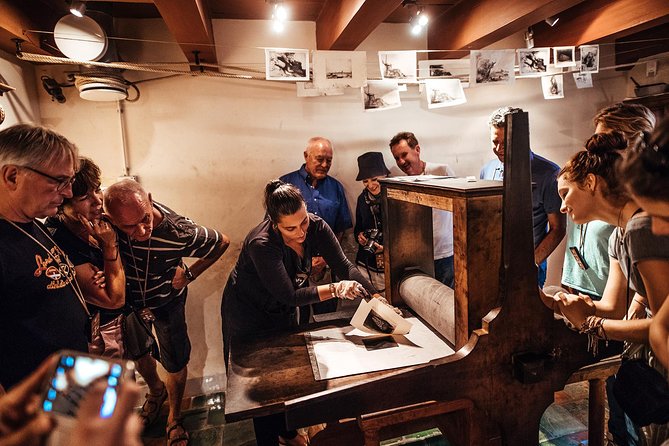
This isn’t a museum where you just stand and admire. You’ll browse a collection of etchings and drawings by Rembrandt and his contemporaries. That’s a smart choice because etching and drawing were the connective tissue of how artists studied, experimented, and shared ideas.
In the etching attic, the museum focuses on Rembrandt’s etching techniques. This is where the experience becomes hands-on in spirit, even if you’re not physically making the print. You’re learning enough process that the images start to make more sense.
One practical benefit: when you can see how technique works, you’re less likely to miss the “why” of what you’re looking at. Even if you’re not a die-hard art person, technique sections help you understand what to pay attention to.
If you want your visit to feel more active than passive, aim to spend time here instead of treating it like a quick detour. This is where the museum’s storytelling shifts from biography to craft.
You can also read our reviews of more museum experiences in Amsterdam






Daily demonstrations: the closest you’ll get to Rembrandt’s studio rhythm

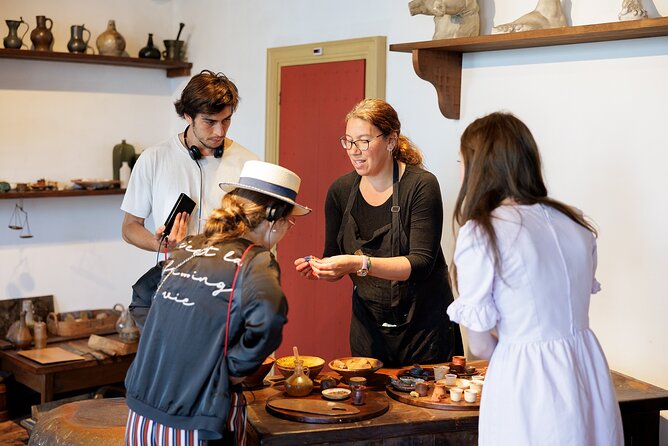
A major reason this ticket earns strong marks is the daily live demonstrations/workshops. You’re not just watching a slideshow. You can catch real-time explanations of process, including etching and painting demonstrations.
The museum also highlights the “look over his shoulder” idea by focusing on how he worked in his studio—especially around making paint and the technique behind printmaking.
Some visitors specifically call out print demonstrations that show how prints are made from copper plates. Even if the exact pacing varies day to day, the overall point stays consistent: you get a technical snapshot that’s hard to reproduce in a normal gallery setting.
Timing matters here. If you show up late, you might miss the demonstration slot you hoped for. If you’re flexible, hang close to the demo area during your visit so you don’t feel like you’re always sprinting to the next room.
Timing and pacing: how long to budget in a house with lots of stairs
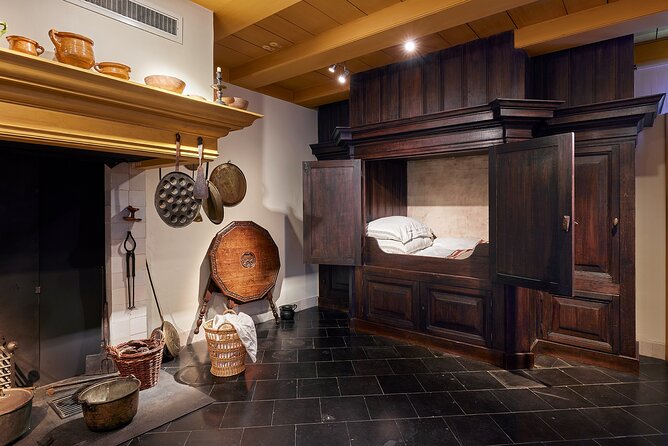
The ticket lists the visit as about 1 hour, but the smarter plan is to budget extra time. The multimedia tour is structured as a story with multiple stops, and the audio may take a moment to load at each transition.
I’d plan for:
- 1.5 to 2 hours if you want to actually listen and read
- extra time if you’re stopping for demonstrations and want to watch fully
Then there’s the movement reality: the house has steep staircases and narrow paths. That isn’t a deal-breaker for most people, but it does mean you’ll move slower than you might in a flat museum. Comfortable shoes help, and don’t assume you can zip through.
A small but important tip: if your audio starts lagging, don’t keep flipping between rooms quickly. Wait for the device to catch up. Your brain works better when the narration and the space match.
Is this worth it for you? Who this ticket suits best
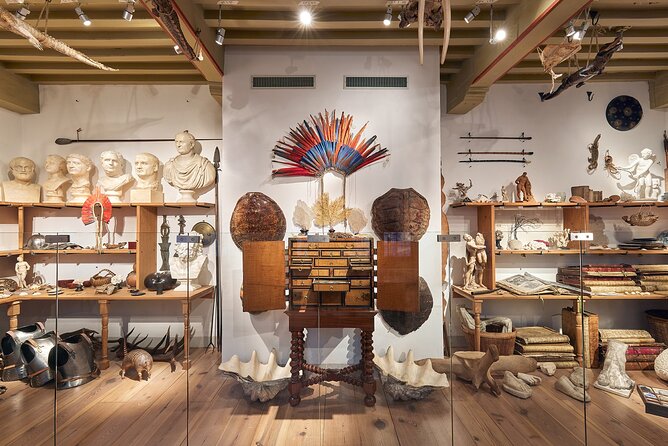
This ticket fits best if you like your art history with real-world texture—rooms, objects, and the craft side of painting and printmaking. You’ll also enjoy it if you’re curious about Rembrandt as a person, including his financial struggles and how they shaped his life path.
It can also work well for non-specialists because the museum’s approach focuses on understandable context: how it was done, where it was done, and what Rembrandt’s life looked like around the work.
The one “maybe” group is anyone who strongly depends on step-free routes. While the museum says most travelers can participate, multiple experiences flag steep stairs as a challenge. If stairs are a hard no for you, consider checking day-of conditions or choosing a different visit.
Price and logistics check: paying $26.01 for a guided, tech-assisted house
Let’s talk value plainly. At $26.01, you’re not just paying for access to a historic building. You’re getting:
- a free multimedia guide in multiple languages
- daily live demonstrations
- extra spaces added after the 2023 reopening
- a structured Rembrandt story that guides what to notice
That blend matters because it reduces the risk of visiting a small museum and feeling like you “ran out of things” quickly. The demos and technique areas keep you learning even after the novelty of walking in the house wears off.
The main value risk isn’t the museum itself. It’s your setup on arrival. Make sure your mobile ticket is ready to scan, and if you used a reseller, keep your confirmation details accessible. Some people report friction with ticket codes that slow entry down, so don’t leave this to last-minute scrambling.
Should you book the Rembrandt House Museum entrance ticket?
Yes—if you want Rembrandt’s story tied to the rooms and the craft. I think this is one of those Amsterdam stops where a multimedia guide actually earns its keep, and the daily demos turn it from a “look and go” visit into a “watch and understand” one.
Book it if:
- you like learning how art is made, not just what it looks like
- you want an art-history experience that feels personal and local
- you’re okay with stairs and a self-paced route
Skip it (or be cautious) if:
- you need step-free access
- you know you’ll get impatient with audio tech that can load slowly
- you’re looking for a short, sit-down museum experience only
If you match your expectations to the house format, this ticket is a smart use of time in Amsterdam.
FAQ
How much is the Rembrandt House Museum entrance ticket?
The price is listed as $26.01 per person.
How long should I plan for the visit?
Duration is listed as about 1 hour, but it’s smart to budget extra time to use the multimedia guide and account for live demonstrations.
Is the ticket mobile?
Yes. The ticket is a mobile ticket.
What languages are available?
The experience offers audio/multimedia support in multiple languages. It is offered in English, and the multimedia guide is listed as free in 13 languages.
Are demonstrations included with admission?
Yes. Daily live demonstrations/workshops are included.
Is there a family-focused tour option?
Yes. There’s a multimedia tour especially for families with children included.
Where is the museum located?
The experience is in Amsterdam, Netherlands, and it’s near public transportation.
What’s the group size limit?
The experience has a maximum of 15 travelers.
When do I receive my confirmation?
Confirmation will be received at the time of booking.
What’s not included in the ticket price?
The information provided lists nothing as not included.