REVIEW · AMSTERDAM
Learn to Make Dutch Pancakes in a Beautiful Amsterdam Canal House
Book on Viator →Operated by eatwith · Bookable on Viator
Flip Dutch pancakes in a canal-house kitchen. You’ll learn sweet and savory batter work from host Fusina on the Amstel, then eat what you make with classic Dutch sides and a glass of wine. I love the hands-on flipping part, and I also love that this happens in a real Amsterdam canal house, not a classroom. One possible drawback: the meeting-point directions can be a little fussy, so arrive on time and double-check the exact address.
Dutch pancakes here land in the middle: thicker than French crêpes, thinner than American-style stacks. Expect a small-group vibe (up to 7 people) and an English-led class with plenty of food, from farmers cheese and apple syrup to Dutch white wine and apple pie.
In This Review
- Key Points That Make This Class Worth Your Time
- A Canal House Kitchen on the Amstel: How This Feels in Real Life
- Meet Fusina and Get Oriented Before You Start Cooking
- Dutch Pancakes 101: Sweet and Savory, Plus the Thickness Trick
- The Real Dutch Starters: Herring, Farmers Cheese, and Apple Syrup
- The Main Meal: Your Pancakes, Your Flips, and Your Table Moment
- Dessert: Appleschnitt and the Comfort of Family Recipes
- Price and What You Really Get for $108.47
- Where This Works Best (and When to Skip It)
- Practical Tips for a Smooth Morning at a Private Home
- Should You Book This Dutch Pancake Class in Amsterdam?
- FAQ
- How long is the Dutch pancake class?
- What time does the experience start?
- Is the class in English?
- How many people are in the group?
- What’s included in the price?
- What food will I eat during the experience?
- Where do I meet the host?
- What is the cancellation policy?
Key Points That Make This Class Worth Your Time
- Up-close cooking, not watching from the sidelines: you’ll make, bake, and flip your own pancakes
- A real Dutch menu beyond pancakes: herring, cheese, and apples in classic combinations
- Canal-house setting on the Amstel: mornings in a home kitchen beat a sterile studio
- Small-group cap for interaction: you can actually ask questions and get feedback
- English instruction with a personal host: Fusina’s home-style teaching keeps it relaxed
- A meal built into the price: lunch, tea/coffee, and a glass of wine are included
A Canal House Kitchen on the Amstel: How This Feels in Real Life
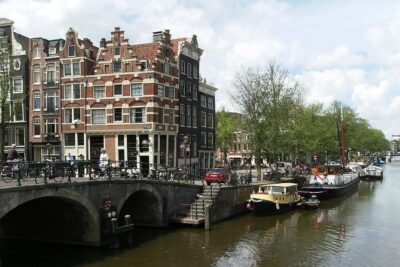
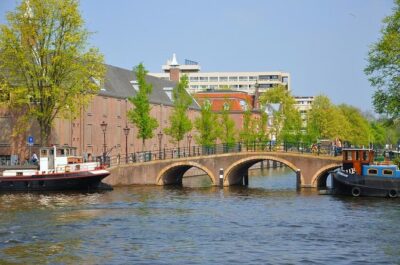
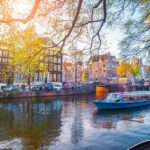
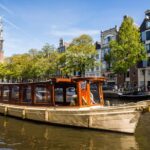
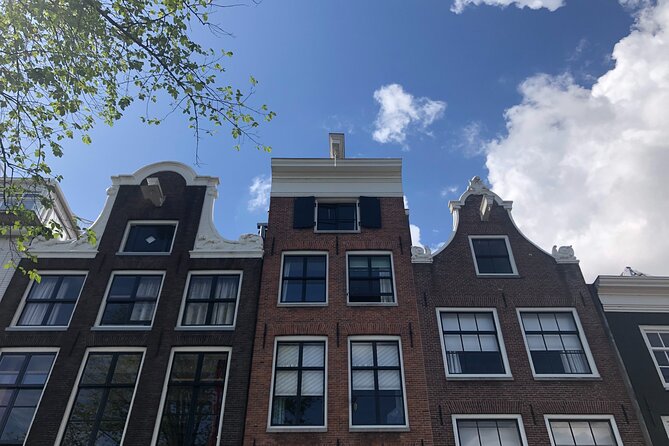
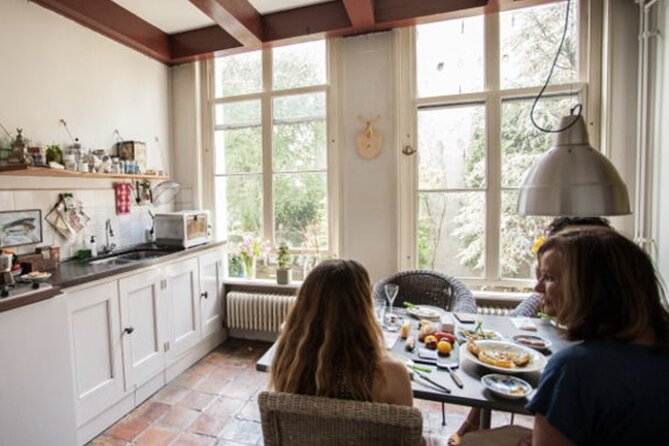
The first thing you’ll notice is the setting. This isn’t a commercial cooking school; it’s a private canal house experience along the Amstel River. That matters, because you’re not just learning a recipe. You’re stepping into how Dutch people live—at least for a couple of hours.
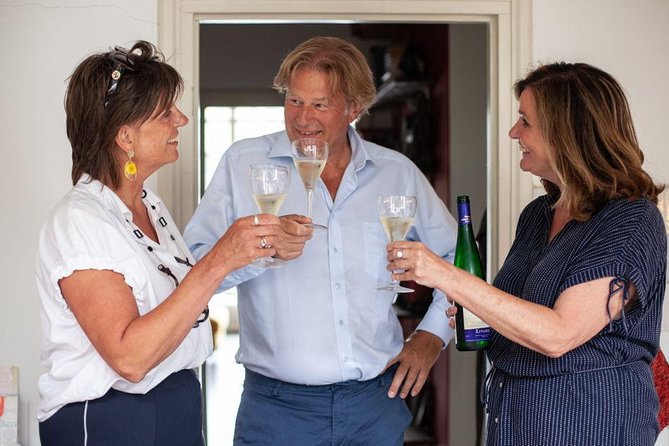
Most people come hungry for “Dutch pancakes,” but you’ll also get the social part: a bit of conversation before you cook, plus time to sit down and eat together. One reason this works so well is that it’s built around a small table, not a big assembly line. With a group size capped at 7 travelers, the pace stays human.
There is one practical catch. The exact meeting point matters here. If you arrive late, you can feel the class momentum moving without you. So I’d treat the address like it’s as important as the pan you’re flipping.
You can also read our reviews of more tours and experiences in Amsterdam.

Meet Fusina and Get Oriented Before You Start Cooking
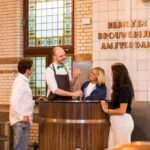
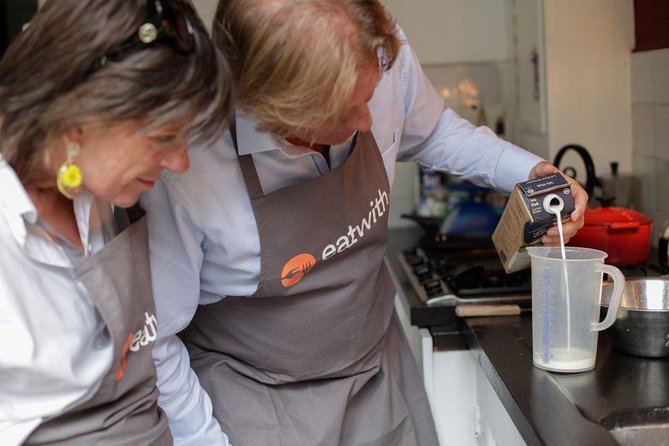
Your host for the class is Fusina, and she leads the session from her home kitchen. Before any batter hits the pan, you’ll settle in and get the basics—how the pancakes should look and how to handle the flipping without turning your first attempt into modern art.
This kind of start is more useful than it sounds. If you’ve never made Dutch-style pancakes before, knowing what the batter consistency should be and what texture you’re aiming for helps a lot. Then when you’re standing at the stove, you’re not guessing—you’re checking.
Also, the teaching tone tends to be personal. Most experiences describe Fusina as welcoming and patient, and that’s what you want in a hands-on class. Still, since it’s a home, you should expect a more informal flow than a professional studio with strict script and identical stations for everyone.
Dutch Pancakes 101: Sweet and Savory, Plus the Thickness Trick
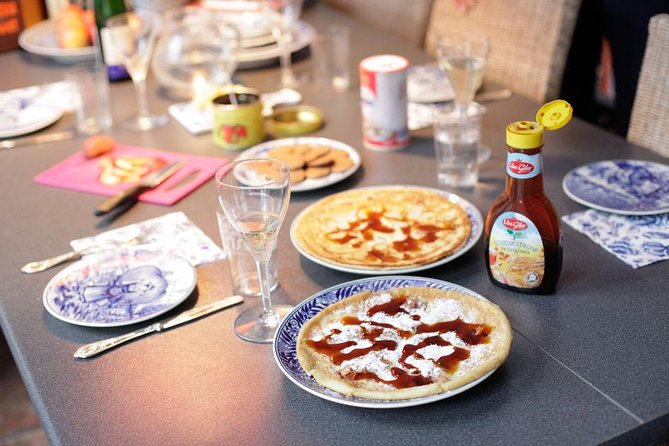
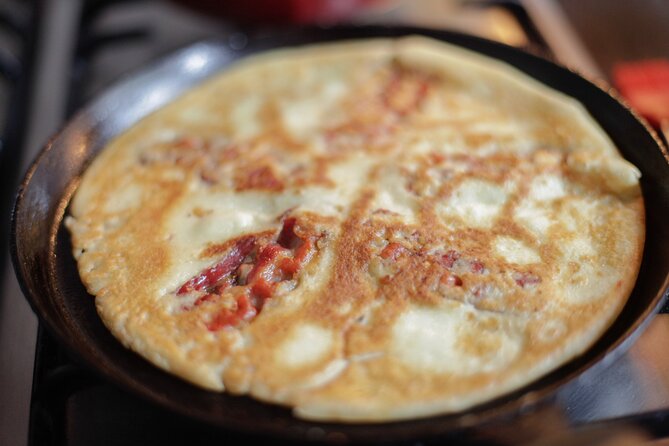
Here’s the key Dutch pancake idea: these aren’t the thin, lacy kind, and they’re not tall and fluffy either. You’ll hear the comparisons clearly—thicker than French crêpes but thinner than American pancakes. That thickness sweet spot is part of why Dutch pancakes are their own category.
You’ll work on the full cycle: making batter, baking it on the pan, and flipping. In the main session you’ll focus on Dutch pancakes topped with apple and bacon. If you’re worried about cooking skills, don’t. This class is designed for people who want to learn, not people who already run a brunch kitchen.
What you’ll likely enjoy most is the moment you realize you can control the texture. When the batter is right and the pan is hot enough, the pancake sets properly without getting dry. When you flip, you’re not just doing a stunt—you’re aiming for an even golden surface.
A note for expectation-setting: because this is a shared home-kitchen experience, you may not get the kind of one-to-one, take-home-ready portioning you’d expect from a big commercial class. I’d go in aiming to learn technique and enjoy the meal as a shared event, not as a strict “each person gets a full plate exactly like the photo” situation.
The Real Dutch Starters: Herring, Farmers Cheese, and Apple Syrup
One of the best parts of this class is that the food doesn’t stay stuck in pancake-land.
You start with:
- Grass cheese with applesyrop (a sweet applesauce-style pairing)
- Herring with pickles and onions (often described as Dutch street-food flavor, the classic salty bite-and-bright combo)
The grass cheese/Applesyrop pairing is the kind of Dutch contrast that makes you understand why people rave about Gouda and aged flavors. It’s creamy, then sweet, and the applesyrop adds the gentle “soft landing” that makes the cheese feel less intense.
The herring starter is a different adventure. It’s salty, tangy, and oniony, with pickles to keep things lively. If you’re a seafood person, you’ll likely love it. If you’re not, treat it like a try-and-taste moment rather than a commitment to a lifelong obsession.
The overall menu choice works well for a beginner class. It gives you multiple Dutch flavors in one morning—so even if pancakes aren’t your thing, the meal still delivers.
The Main Meal: Your Pancakes, Your Flips, and Your Table Moment
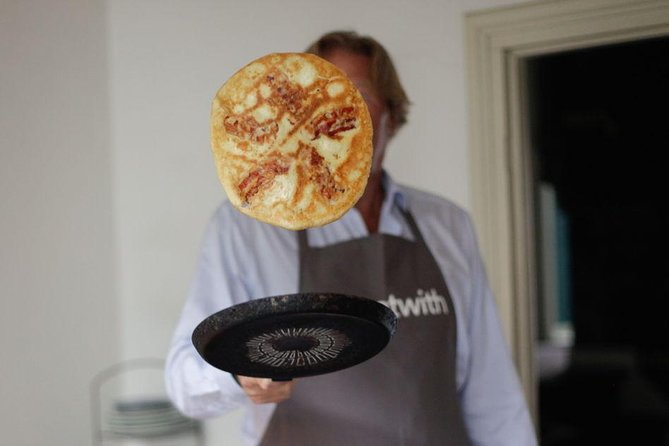
After your pancake work, you sit down and eat what you made. This is where the class stops feeling like a lesson and starts feeling like a shared Dutch meal.
Your pancake format centers on apple and bacon. You’ll see how the flavors balance:
- Apple brings sweetness and aroma
- Bacon brings salty depth
- The pancake texture ties it together so it doesn’t become too heavy
And yes, flipping is part of the fun. You’ll get hands-on practice, and if you do it right, you’ll end up with that classic Dutch look—golden, set, and sturdy enough to top without collapsing.
Food here also includes lunch elements and drinks. The menu includes tea, coffee, and a glass of wine, and the wine is described as Dutch white wine. That’s a nice value add because you’re not paying extra for drinks after class.

Dessert: Appleschnitt and the Comfort of Family Recipes
To close, you’ll have dessert: Appleschnitt, a homemade apple pie using Fusina’s grandmother’s recipe. That detail matters. When a host includes a family-style recipe, it usually feels less like tourist food and more like something passed down because it’s worth making.
Apple dessert also fits the pancake theme. Even if you skipped breakfast that morning, you’ll still leave feeling like you got a full Dutch-style meal—not just a snack and a show.
Price and What You Really Get for $108.47
At $108.47 per person, this might look pricey if you only think you’re buying pancakes. But you’re buying a lot more than that.
You’re paying for:
- A 2-hour, hands-on cooking class in an actual canal house kitchen
- A multi-course Dutch menu (starters, pancakes/lunch, and dessert)
- Tea, coffee, and a glass of wine included
- An English-led host experience with a small group cap
In other words, it’s not just a recipe lesson. It’s a hosted meal with cooking instruction layered in. That tends to be the sweet spot in city experiences: you learn something, you eat well, and you get to do it in a private home setting.
Also, this experience is often booked in advance (on average 56 days). If you’re traveling during peak season, booking early is smart because small-group classes like this can fill up fast.
Where This Works Best (and When to Skip It)
This class is ideal if you:
- want a morning activity that mixes food and culture
- enjoy hands-on cooking, even if you’re a beginner
- like intimate, small-group experiences
- want a Dutch menu sampler without planning a whole food crawl
It’s also a strong family-friendly option in spirit—hands-on cooking and a cozy home setting are often easier for kids than a fancy restaurant meal.
I’d consider skipping or choosing something else if:
- you hate hunting for exact meeting addresses (double-check the voucher and plan buffer time)
- you expect a professional cooking-station setup (this is a home kitchen)
- you want huge individual portions like a sit-down restaurant platter (this is more about learning and tasting together)
Practical Tips for a Smooth Morning at a Private Home
Here’s how to set yourself up for the best outcome:
- Read the confirmation address carefully and follow the Before You Go instructions closely. One common hiccup is that canal-house directions can be easy to misread if you skim.
- Arrive a little early. Give yourself time to find the door and get settled so the class can start smoothly.
- Wear comfortable clothes. This is a kitchen environment, but it’s still someone’s home—so think tidy and movable.
- If you have allergies or dietary needs, message them ahead of time. The experience asks for food restrictions to be communicated in advance.
- Bring your curiosity for herring and cheese. You’re in Amsterdam; part of the point is trying classic Dutch flavors you might not order at home.
- Consider requesting recipe notes. Some participants report getting recipe instructions afterward, and it’s a good idea to ask what you’ll receive before you leave.
Should You Book This Dutch Pancake Class in Amsterdam?
I think this is a great booking for most people who want something more personal than a standard food tour. The canal house setting, the hands-on pancake flipping, and the full Dutch menu (herring, cheese, apple pie) make it feel like you’re getting a genuine Amsterdam morning, not a quick stop for photos.
Book it if you’re the kind of traveler who likes learning a skill, eating well, and leaving with a story that isn’t just canal bridges and bikes.
Skip it if you only want a simple brunch or you’re very particular about portion size and professional equipment. Also, treat the location details seriously—arrive early and you’ll avoid the most common frustration.
If you want, tell me your travel month and whether you prefer sweet or savory. I can help you decide the best time of day to schedule this in your Amsterdam plans.
FAQ
How long is the Dutch pancake class?
It runs for about 2 hours.
What time does the experience start?
The start time is listed as 11:00 am.
Is the class in English?
Yes, it’s offered in English.
How many people are in the group?
The experience has a maximum of 7 travelers.
What’s included in the price?
It includes the cooking class, local delicacies, lunch, tea, coffee, and a glass of wine.
What food will I eat during the experience?
You’ll make Dutch pancakes (apple and bacon), and you’ll also have starters like grass cheese with applesyrop and herring with pickles and onions, plus dessert called appleschnitt (apple pie).
Where do I meet the host?
The full address is provided on your confirmation voucher in the Before You Go section.
What is the cancellation policy?
Free cancellation is available. You can cancel up to 24 hours in advance of the experience for a full refund.
If you’re traveling with dietary restrictions, share them with the organizer ahead of time so they can plan accordingly.