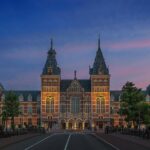
REVIEW · AMSTERDAM
Classic Salonboat Tour in Amsterdam Including Cheese and Wine
Book on Viator →Operated by Captain Jack Amsterdam · Bookable on Viator
Cheese and canals in one hour. This classic Amsterdam canal boat sails the canal ring with an English guide, turning landmarks into quick stories. I like the Dutch cheese and wine setup, and I also like how the hosts keep it funny and easy while you glide past bridges and canal houses. One drawback to plan around: it’s weather-dependent, so the best views can depend on how the wind and rain behave.
The meeting point is Westermarkt 20 (1016 GV). This helps you get started fast, and the group stays small, with a maximum of 25 people, so you’re not stuck in a loud crowd shuffle. You may hear different guide styles on different days, with names like Greta, Maxim, Dara and Jeroen popping up in accounts of how the stories get told.
In This Review
- Key takeaways before you go
- Why the Cheese-and-Wine Salonboat Ride Works So Well in Amsterdam
- Getting to Westermarkt and Finding Your Classic Boat
- The On-Board Setup: Windows, Comfort, and the Cheese-and-Drink Moment
- Main Sights on the Water: Magere Brug, the UNESCO Canal Ring, and Jordaan
- Prinsengracht and Keizersgracht: Canal Engineering You Can Actually See
- Houseboat Museum and Life on the Water (Plus a Kid-Friendly Bonus)
- 9 Straatjes and Leidseplein: Boutique Streets and Nightlife Energy
- Spiegelkwartier, Galleries, and the Rijksmuseum View Angle
- Anne Frank Area from the Water: What You Can Expect
- Begijnhof Quiet Rules: A Courtyard You’ll Learn About, Not Join
- The Amstel River Moment: From Ancient Origins to Modern Amsterdam
- Stopera, Opera, and the Old-World Meets New-Buildings Feel
- Churches, Museums, and Quieter Details You’ll Notice After
- Neighborhood Texture: De Pijp, Market Bites, and Rembrandtplein
- Price and Value for About One Hour: Is $41.06 a Smart Use of Time?
- Who This Tour Suits (and Who Might Prefer Something Different)
- Quick Tips for Better Views and Less Stress
- Should You Book This Classic Salonboat Tour?
- FAQ
- What’s the duration of the classic salonboat tour?
- How much does it cost per person?
- Is the tour offered in English?
- Where does the tour start?
- How large is the group?
- What’s included besides the canal cruise?
- Is a mobile ticket used?
- Is the tour weather-dependent?
- FAQ
- Do you need to cancel ahead of time?
- What happens if weather cancels the tour?
Key takeaways before you go
- Cheese and wine while you cruise so the tour feels like a treat, not a history lecture
- Small group, up to 25 which usually means more relaxed pacing and better photo time
- Iconic sights from the water including Magere Brug (Skinny Bridge) and the canal ring
- English narration with guides mixing canals, culture, and practical city context
- Clear-window boat setup that helps in rain or cold, with options to improve viewing
Why the Cheese-and-Wine Salonboat Ride Works So Well in Amsterdam
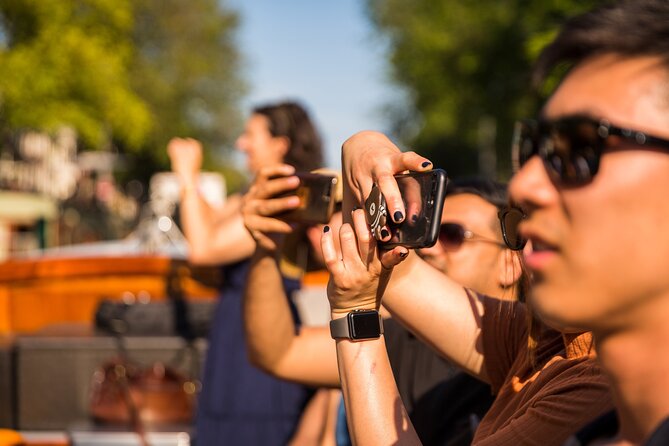
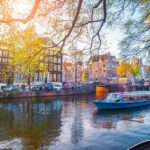
Amsterdam is made for water views. Straight streets feel touristy fast. But the canals give you the city’s real face: the crooked shapes, the tight bridges, the tall canal houses leaning over the water like they own the place.
What makes this tour click is the combo. You get the classic “ride down the canals” experience, plus a food and drink moment in the middle. The cheese part is a big deal here. It’s not just a token snack; it’s the main event for a lot of people, and it pairs naturally with a slow cruise when you’re looking at grachtengordel architecture.
I also like the tone. Guides tend to balance facts with humor, so you come away with more than just pretty water reflections. It’s the kind of city orientation that helps you understand where things are, and why Amsterdam looks the way it does.
You can also read our reviews of more wine tours in Amsterdam
Getting to Westermarkt and Finding Your Classic Boat
The start point is Westermarkt 20. That’s a practical choice because it’s connected to the city’s transit network, and you’re close enough to other central stops to keep your day flexible.
One thing to watch: confusion can happen when several similar boats operate in the same area. A simple tactic helps. Before you commit to a boat, look for the crew’s bright orange jackets and confirm the branding on the boat itself. If your directions feel vague, that visual check saves time.
Also, don’t wait until the last second to arrive. With a small boat and a short route, you want to get your spot and settle in before the tour starts moving. Ten minutes early is peace of mind.
The On-Board Setup: Windows, Comfort, and the Cheese-and-Drink Moment
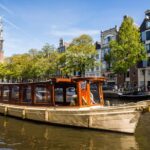
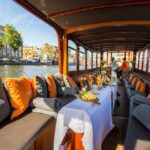
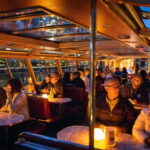
This is a classic salonboat style experience, and comfort matters because the ride is about enjoying the views, not just surviving them. A key plus is the boat’s window setup. You’ll have clear windows for sightlines, and on nicer days you can sometimes get a better angle for photos by adjusting what you need for visibility.
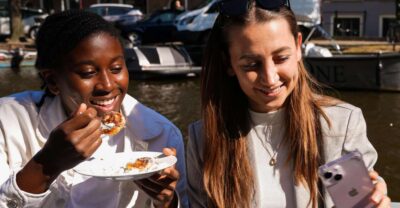
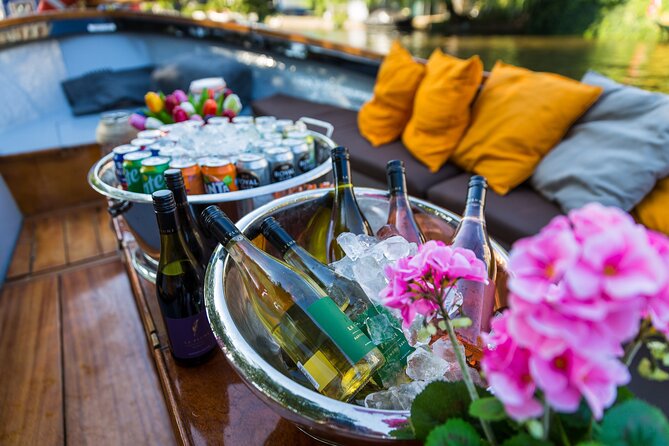
You’ll also have the cheese-and-drink setup during the cruise. From accounts of this experience, the cheese is a strong highlight, with people enjoying multiple types of Dutch cheese, and the drinks add the relaxed “we’re on holiday” feeling that makes a one-hour ride feel longer.
If you care about timing, do this: order early and plan to pace yourself. There’s not a lot of time on a one-hour canal loop, so waiting can cut into your enjoyment.
Main Sights on the Water: Magere Brug, the UNESCO Canal Ring, and Jordaan
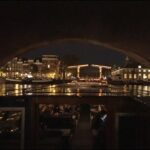
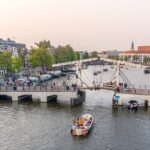
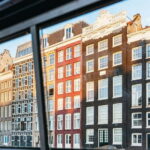
The tour’s route centers on Amsterdam’s canal structure, and the big star early on is Magere Brug—the romantic drawbridge people often call the Skinny Bridge. From the water, you get the full effect: the narrow-looking span, the classic wooden bridge feel, and that “love bridge” reputation that tourists repeat for a reason. It’s also a great anchor point for understanding the city’s bridges: Amsterdam doesn’t do straight-line infrastructure. It does character.
From there, you roll through the Amsterdam Canal Ring, known for the big-name canals: Herengracht, Prinsengracht, and Keizersgracht. These canal belts were dug in the 17th century during the Dutch Golden Age, and the result is a layered city plan that you can literally see as concentric rings. The canal ring area is also recognized as a UNESCO World Heritage Site, so you’re not just passing scenery—you’re watching a world-famous urban design in motion.
Then comes the Jordaan feel. Jordaan is where Amsterdam starts to look lived-in: smaller streets, charming canal edges, and a neighborhood personality that doesn’t rely on giant monuments. Even the naming connection is part of what guides explain, including the idea that it relates to gardens. The key for you: Jordaan is one of the best places to walk after the cruise, because you’ll already understand the geography once you’ve seen it from the water.
Prinsengracht and Keizersgracht: Canal Engineering You Can Actually See
Two canals get special attention as the boat glides along: Prinsengracht and Keizersgracht. These aren’t random waterways. They’re part of the city’s long-term plan from the Dutch Golden Age.
Prinsengracht is historically tied to a starting push around 1612, with planning attributed to people involved in city design and surveying. As the city expanded, sections developed across time, including stretches like the Nieuwe Prinsengracht. That kind of detail sounds academic until you’re on the canal itself. Then it clicks: Amsterdam’s wealth didn’t just build buildings; it built a precise water-based framework.
Keizersgracht fits the same story. The guides typically connect the canal geometry—those belts—with why so many historic buildings line the water. When you can see the scale of it, it’s easier to understand why Amsterdam became famous as the Venice of the North.
You can also read our reviews of more tours and experiences in Amsterdam
- Zaanse Schans Windmills, Clogs and Dutch Cheese Small-Group Tour from Amsterdam
★ 4.5 · 2,369 reviews


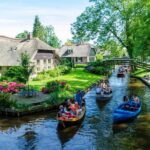


Houseboat Museum and Life on the Water (Plus a Kid-Friendly Bonus)
One of the most memorable pass-by sights is the Houseboat Museum area along the Prinsengracht. This is where Amsterdam’s canal identity turns from “pretty skyline” into “how people actually live.”
If you’re traveling with kids, this is a strong segment because it’s concrete and visual: you can look at houseboats and instantly imagine daily life on the water. Even without entering anywhere, the vibe of the area makes the concept easy to grasp.
If you’re an adult, it’s still valuable because Amsterdam’s charm isn’t only architecture. It’s also the practical reality that the canal system is part of daily living.
9 Straatjes and Leidseplein: Boutique Streets and Nightlife Energy
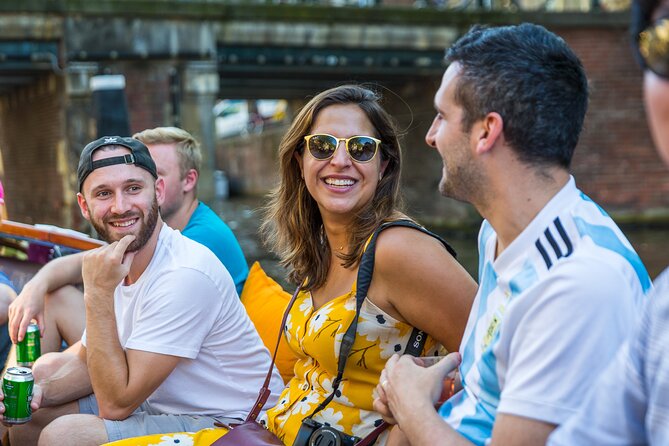
As you cruise onward, you pass through zones that are fun for two very different reasons.
9 Straatjes (Negen Straatjes) is the boutique-and-vintage lane kind of Amsterdam. This is the area with smaller stores, local designers, and independent eateries—not the giant chain grab. From the canal, you don’t shop from the boat, but you get enough orientation to know what streets to follow afterward.
Then there’s Leidseplein, Amsterdam’s entertainment hub. Think bars, restaurants, clubs, and music venues clustered around a central square feel. If you like a city that doesn’t go quiet at night, this is one of the places where you’ll sense that energy.
Practical tip: if you want to shop or snack after, plan it. The tour is short, so you’ll want to move quickly from the water to the streets while the route is fresh in your head.
Spiegelkwartier, Galleries, and the Rijksmuseum View Angle
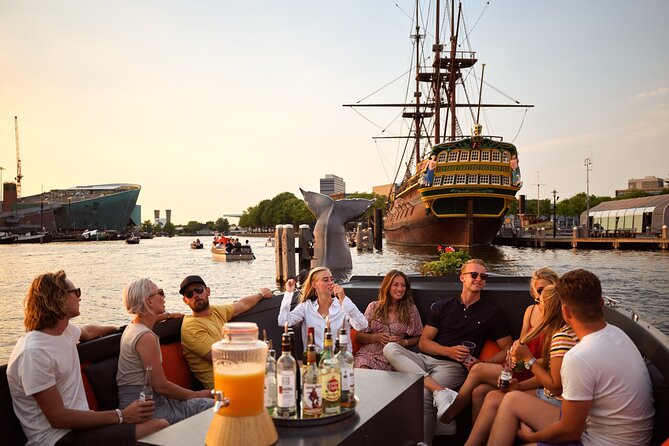
Spiegelkwartier is where the canal ride starts to connect art with real city geography. You get canal-side views toward the Rijksmuseum area, and the vibe shifts from “shopping streets” to “art streets,” with galleries and antique shops associated with the neighborhood.
This segment is great if you’re the kind of person who likes to understand where big museums sit in relation to everything else. From the water, it’s easier to see why people talk about art walks in Amsterdam: the canal system lines up so many short routes.
Anne Frank Area from the Water: What You Can Expect
The cruise route includes the Anne Frank area, including views tied to where her family hid and later remembrance. You’ll see references in the direction of the canal where her story is anchored.
Important for your planning: a one-hour canal cruise isn’t a museum visit. It’s a way to get oriented and to understand the geography and context from a viewpoint that’s very hard to recreate on foot. If you want to go inside the house museum, this tour is still useful because it helps you place the area instantly.
Begijnhof Quiet Rules: A Courtyard You’ll Learn About, Not Join
The boat passes near the Begijnhof, the quiet courtyard space known for silence and rules around group access. The key detail for you is that this is a private possession and it’s not open to groups and excursions in the same way major public sites are.
So what you get here is not entry—it’s explanation. The guide’s talk helps you understand the courtyard’s role and why you should treat it differently than a normal plaza. If you ever visit afterward, you’ll know what to respect.
The Amstel River Moment: From Ancient Origins to Modern Amsterdam
As the route stretches, the focus shifts to the broader Amstel area. The Amstel is the river that helped shape the city, and guides often connect the early idea of a dam and settlement with the city’s name. You’ll also hear how the name connects to beer, because Amsterdam loves word links that travel through centuries.
This is also where the cruise begins to feel more “big-city center” than “historic lanes.” You’ll pass the kind of cultural and civic institutions that sit right along the water.
Stopera, Opera, and the Old-World Meets New-Buildings Feel
One of the cultural anchors you pass is the Dutch National Opera & Ballet housed in the Stopera building. It’s a modern-feeling structure compared to the older canal houses, and that contrast matters. You’re seeing how Amsterdam balances centuries-old layouts with newer architecture for performances and public life.
Near this part of the route you also catch the sense of other nearby institutions, including major theaters and cultural venues. Even without stepping inside, the canal view gives you a “map in your head” for where to go next if you’re building a theater night or a museum day.
Churches, Museums, and Quieter Details You’ll Notice After
A canal tour can easily become a blur of landmarks, but this one tends to slow down in the right places.
You’ll hear about churches with layered meanings, such as De Duif, tied to an earlier hiding church concept, and other religious buildings that reflect the city’s shifting eras. You’ll also pass through areas associated with cathedrals and church architecture—less for worship, more for understanding how neighborhoods and history are stitched together.
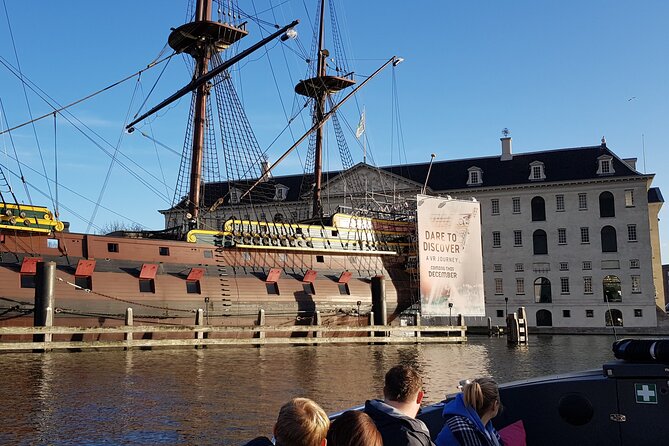
On the museum side, the route includes names like the Museum of the Canals, plus spots related to the Hermitage Amsterdam (H’ART Museum) and various specialized museum concepts (like cheese and tulips). Even if you don’t go in during the cruise, these references are useful. They give you a shortlist of what’s worth your time later.
And yes, there are playful concepts on the list too, like the Cat Cabinet. Amsterdam can be serious and silly in the same day, and the canal route helps you remember that.
Neighborhood Texture: De Pijp, Market Bites, and Rembrandtplein
Towards the later stretches, the tour floats past areas where the mood shifts from “museum and monument” to “food and streets.”
De Pijp is the neighborhood vibe: cafés, pubs, and lots of smaller places to snack and browse, with the Albert Cuyp Market area nearby for classic market energy. If you’re hungry, this is the part of the cruise that turns appetite on.
Then there’s Rembrandtplein—a central square that feels like a meeting point for nightlife and daytime wandering. It’s a helpful mental waypoint because it’s easy to use as a base after the canal tour.
Price and Value for About One Hour: Is $41.06 a Smart Use of Time?
At $41.06 per person for roughly one hour, the key question is: what’s bundled into that hour?
You’re paying for three things:
- a guided canal narrative (not just sitting on a boat),
- the classic water-view route through the historic core,
- and the Dutch cheese and beverages that keep the experience from feeling purely observational.
Compared to paying separately for multiple short attractions, this tends to feel like a value-first day activity—especially if it helps you connect different parts of the city in one shot. Multiple accounts highlight that it’s good for the money because the hosts balance entertainment with enough history to make the city click.
If you hate guided talking, this might still be fine if you enjoy a light, story-based ride. But if you want museum-depth stops or hands-on visits, you’ll need to pair the cruise with later walking or ticketed attractions.
Who This Tour Suits (and Who Might Prefer Something Different)
This cruise is ideal if you’re:
- visiting Amsterdam for the first time and want quick orientation
- the type who likes your history with humor and practical context
- interested in Dutch food culture, especially cheese and the way it’s celebrated
- traveling with mixed ages, because the houseboat concept works well for kids
You might choose something else if you:
- want long stops where you can exit, explore, and return repeatedly
- hate any group narration and prefer total silence
- plan to spend most of your day in one-ticket museums (this won’t replace that)
Quick Tips for Better Views and Less Stress
A few small habits improve the whole ride:
- Dress for wind. Even with clear windows, the canal air can feel sharp.
- Bring your camera but don’t fight for the perfect angle. Clear windows and viewing adjustments help, but motion is motion.
- If you notice window blinds or covers during the cruise, ask the crew about adjustments for view.
- Arrive a bit early at Westermarkt so you can find the right boat without last-minute panic.
- Order your drinks early so you don’t lose time waiting mid-cruise.
Should You Book This Classic Salonboat Tour?
I’d book it if you want an hour that feels like Amsterdam itself: canals, bridges, and a story guide who keeps the energy easy, plus Dutch cheese and beverages that make the whole thing more satisfying than a simple sightseeing loop.
I wouldn’t book it if you’re already confident about Amsterdam geography and you’d rather spend your short time doing ticketed museum time only. But for most people, this is the fast, friendly way to get your bearings, learn a few key facts you’ll remember on later walks, and enjoy one of the city’s best settings: water.
FAQ
What’s the duration of the classic salonboat tour?
It runs for about 1 hour.
How much does it cost per person?
The price is $41.06 per person.
Is the tour offered in English?
Yes, it’s offered in English.
Where does the tour start?
The meeting point is Westermarkt 20, 1016 GV Amsterdam.
How large is the group?
The maximum group size is 25 travelers.
What’s included besides the canal cruise?
You’ll have Dutch cheese and beverages during the tour.
Is a mobile ticket used?
Yes, this experience uses a mobile ticket.
Is the tour weather-dependent?
Yes. It requires good weather, and if it’s canceled due to poor weather you’ll be offered a different date or a full refund.
FAQ
Do you need to cancel ahead of time?
You can cancel up to 24 hours in advance for a full refund.
What happens if weather cancels the tour?
If it’s canceled due to poor weather, you’ll be offered a different date or a full refund.