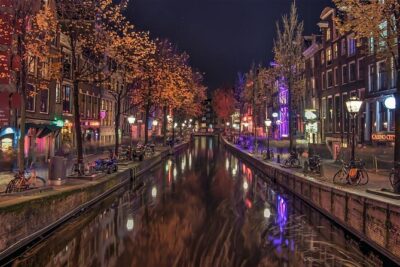
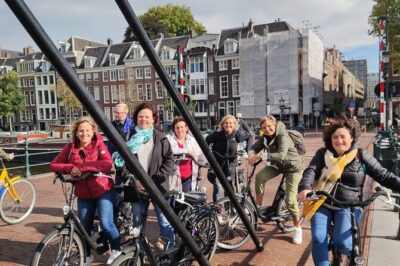
Amsterdam’s secrets fit in your two-hour walk. This 750 years walking tour strings together the big turning points and the strange small details that explain how the city grew, survived floods, and changed its ideas over time—all guided by Antonis with warmth and a very specific kind of enthusiasm. I like that the stories aren’t just dates. They help you read what’s around you, from the first dam and dikes to the scars of World War II.
I also like the human scale of this experience: a max 12-person group keeps the walk conversational, not chaotic. You’ll finish with an archive-inspired handwritten postcard from historic A’Dam with a Dutch stamp, which turns the tour into something you can actually send (or keep).
One consideration: it’s designed for listening and looking, not filming. Video recording isn’t allowed, so if you’re used to recording everything, plan to take notes and rely on your camera for photos.
In This Review
- Key Things You’ll Remember From This Amsterdam Facts Walk
- The Real Hook: 750 Years of Amsterdam Secrets, Told as a Story
- Where You Meet (Bull!!) and How to Prepare for a Two-Hour Walk
- How the Tour Flows: From First Dikes to World War II Without Losing the Plot
- The Mud and Leaning Houses Lesson: Why Amsterdam Looks Like It Does
- Golden Age Trade Meets Real Ideals: Old Religions and Liberal Revolutions
- World War II in Context: How the City Endures and Rebuilds
- The Adonis Effect: Why Antonis’s Style Makes the Facts Stick
- The Handwritten A’Dam Postcard: A Souvenir With a Story Attached
- Price and Value: Is $28 Worth It?
- Who This Tour Is Best For (and Who Might Prefer Something Else)
- Should You Book Amsterdam’s Hidden Facts: 750 Years of Secrets?
- FAQ
- How long is the tour?
- What does the tour cost?
- Where do I meet for the walking tour?
- Does the tour end at the same meeting point?
- How big is the group?
- What languages are available?
- What’s included in the price?
- What should I bring?
- Is video recording allowed?
- Is pickup included from hotels?
Key Things You’ll Remember From This Amsterdam Facts Walk
- Antonis tells history like a story, mixing deep knowledge, humor, and a bit of obsession so it sticks.
- 750 years of Amsterdam in 2 hours means tight, fast-moving storytelling with lots of “why that?” moments.
- You’ll learn why houses lean and how Amsterdam’s mud foundation shaped building and survival.
- The walk covers major eras you’ve heard of—Golden Age, World War II—but connects them to everyday systems and decisions.
- You’ll get an A’Dam handwritten postcard with a Dutch stamp, like a tiny piece of the archive made personal.
- It’s small-group touring (max 12), so you can ask questions instead of yelling over crowds.
The Real Hook: 750 Years of Amsterdam Secrets, Told as a Story
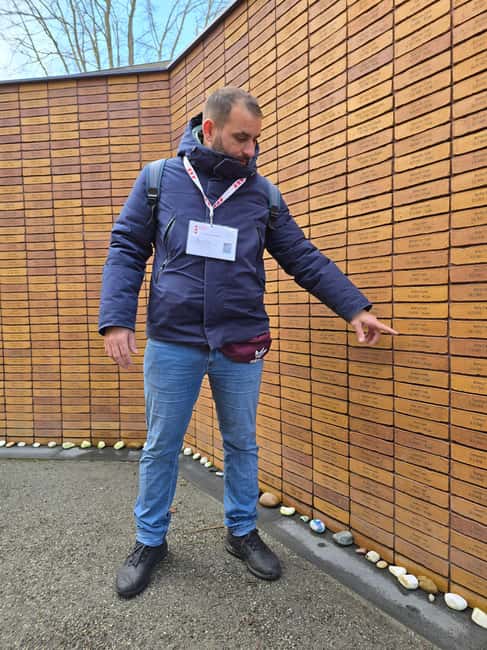
This tour works because it treats Amsterdam like one long cause-and-effect chain, not a list of landmarks. You start with the earliest settlers, then move through the city’s foundation story—dams and dikes—and how people learned to live with water that could also destroy them. From there, the “why” keeps unfolding: trade, growth, religious and political shifts, and the darker pressure points like World War II.
The best part is that the guide doesn’t lecture. Antonis frames the facts as narrative: what happened, why it mattered, and how the city’s residents responded with systems and ideas that made survival possible. You also get those strange-but-true prompts that turn a normal walk into a puzzle—like houses that lean and odd markings you’ll spot in Amsterdam streets.
For me, the payoff is mental, not just visual. You leave with a head full of details that explain how Amsterdam became Amsterdam: a city built on trust, resilience, and radical ideas. That’s a useful lens for the rest of your trip. Even if you only catch a few new streets after the walk, you’ll start noticing patterns instead of moving randomly from photo spot to photo spot.
You can also read our reviews of more tours and experiences in Amsterdam.


Where You Meet (Bull!!) and How to Prepare for a Two-Hour Walk
You meet in front of the Bull!! and the tour ends back at the same meeting point. That simple loop matters. You don’t need extra planning for transport or an awkward last-minute scramble.
For the experience itself, the practical prep is straightforward:
- Bring comfortable shoes. This is a walking storytelling tour, and you’ll want your feet to agree with you.
- Bring water. Two hours is short, but you’ll still want a sip between segments.
- Dress for weather-appropriate conditions. Amsterdam can change its mind quickly.
- Have your camera ready, because photos help you remember what you were taught to look for.
One rule to plan around: no video recording. If you’re the type who documents everything, shift to photos and notes instead. You’ll still capture the big takeaways—you just won’t be allowed to record video.
The tour runs in English and Greek, with Antonis as the live guide. Small-group size (up to 12) also means you’ll feel more part of the discussion.
How the Tour Flows: From First Dikes to World War II Without Losing the Plot
You’re basically walking through Amsterdam’s timeline in story form. The tour is structured around defining moments, and you’ll hear how each era affects the next one. Think of it like chapters, not stations.
Early on, you focus on the city’s beginnings and how the very idea of building there took planning. You’ll hear about the first dam and dikes, and why those aren’t just engineering trivia. They’re the reason Amsterdam could grow at all.
Then the walk moves into expansion and change. You’ll connect the rise of trade and prosperity to what people built and how they organized life. This is where the tour leans into the “why” behind the city’s look, not just the dates on a plaque.
The guide also covers the Golden Age—but again, with emphasis on what people believed and how decisions shaped daily survival and civic life. That matters because Amsterdam isn’t only famous for beauty. It’s famous for systems: how residents managed risk, protected their city, and debated what a good society should be.
Later chapters bring the pressure of World War II into the story. The tone shifts toward resilience and the human side of history, helping you understand how the city lived through devastating interruption and later rebuilt its place in the world.
By the end, you get a full-circle feel: religion and politics, floods and survival, trade and growth, and the big modern identity of a city built on trust and radical ideas.
The Mud and Leaning Houses Lesson: Why Amsterdam Looks Like It Does
This is one of the tour’s most memorable threads because it’s so practical. You’ll get explanations for two linked questions: why houses lean and why Amsterdam is built on mud.
This isn’t just “interesting trivia.” It reframes what you see across the city. Once you understand that the ground itself is part of the story, you start looking at buildings differently—how they sit, how they were made, and why older Amsterdam can feel slightly strange in a way that’s actually logical.
You also learn why the city’s survival wasn’t luck. Amsterdam learned to manage water and risk through systems that saved the city. That theme pops up repeatedly, from early dikes to later solutions. The result: Amsterdam stops looking like a miracle postcard and starts looking like an engineered, civic project sustained by choices.
That’s a powerful shift in perspective, especially if you’ve been sightseeing for a day or two without connecting the dots. This walk does the connecting for you.
Golden Age Trade Meets Real Ideals: Old Religions and Liberal Revolutions
Amsterdam’s big reputation includes art, wealth, and trade. But the tour doesn’t treat the Golden Age as a sealed-off museum period. It ties it to ideas and tensions that shaped the city’s development.
You’ll hear about old religions and also liberal revolutions, with an emphasis on how Amsterdam’s identity formed through debate and change. The guide frames these shifts as part of how Amsterdammers built trust and kept pushing boundaries, even when the world around them was unstable.
That’s a useful balance. Lots of history tours give you one flavor—either political, economic, or architectural. This one blends them so you can see the full picture. Trade and prosperity are explained alongside the social and cultural forces that supported growth and helped people negotiate difference.
If you like history that connects to human behavior—how people persuade, adapt, and argue this is your kind of tour. The stories are built to make you think, not just memorize.



World War II in Context: How the City Endures and Rebuilds
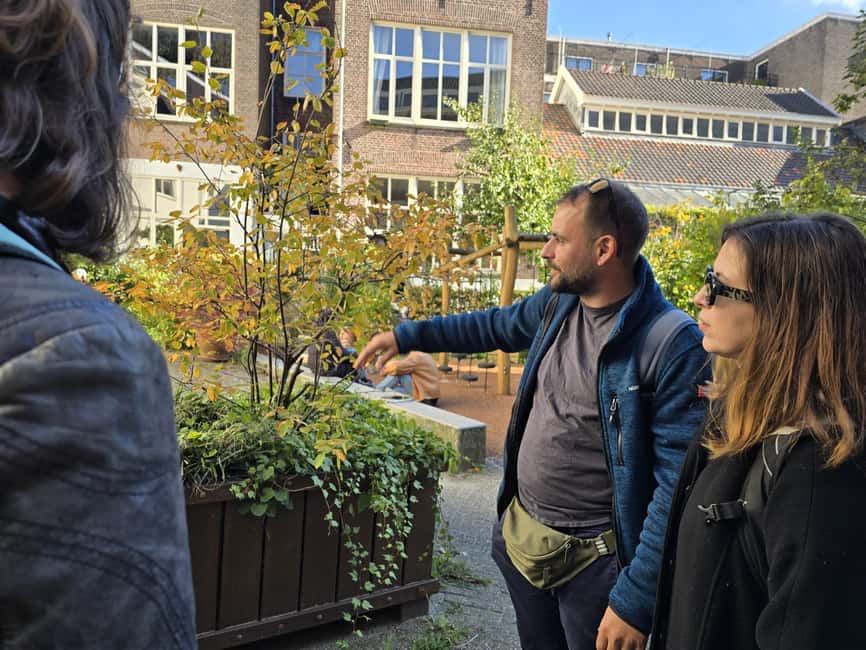
World War II shows up as a defining moment, but it’s not dropped in like a shock without context. The tour places it inside the broader arc: a city that had already learned hard lessons about survival and rebuilding.
You’ll hear how Amsterdam was impacted, and how the city’s resilience and problem-solving mindset carried forward. The guiding idea is that the city doesn’t only survive disasters because of infrastructure. It survives because residents rebuild with determination and sometimes with radical shifts in how society works.
This part of the tour also helps you interpret modern Amsterdam with less surface-level thinking. After you’ve heard how earlier crises reshaped civic life, present-day Amsterdam starts to make more sense. You’ll recognize the theme of adaptation in everything from the city’s planning mindset to its continued appetite for debate and new ideas.
The Adonis Effect: Why Antonis’s Style Makes the Facts Stick
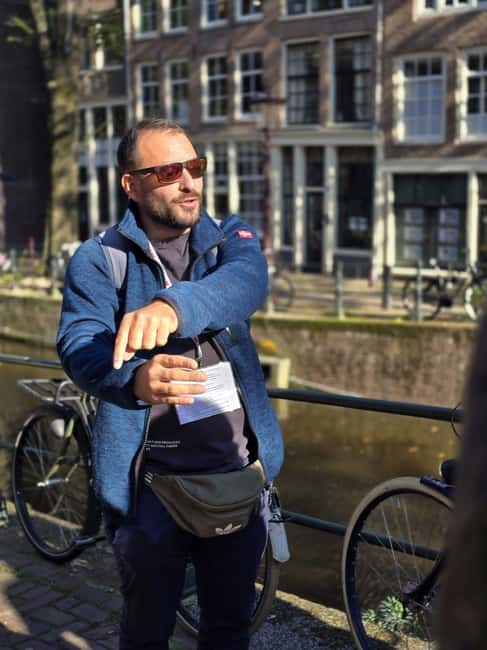
A lot of tours claim they’re fun. This one is fun in a specific way: the guide’s delivery matches the tour’s content. Antonis blends deep knowledge with warmth and humor, and you’ll hear the history in a way that feels personal rather than robotic.
There’s also a sense that Antonis is genuinely invested in the city—so the tour feels like you’re hearing stories from someone who lives with these details daily, not someone reciting a script. In a small group, that energy matters. You can follow along without feeling dragged forward by a fast pace.
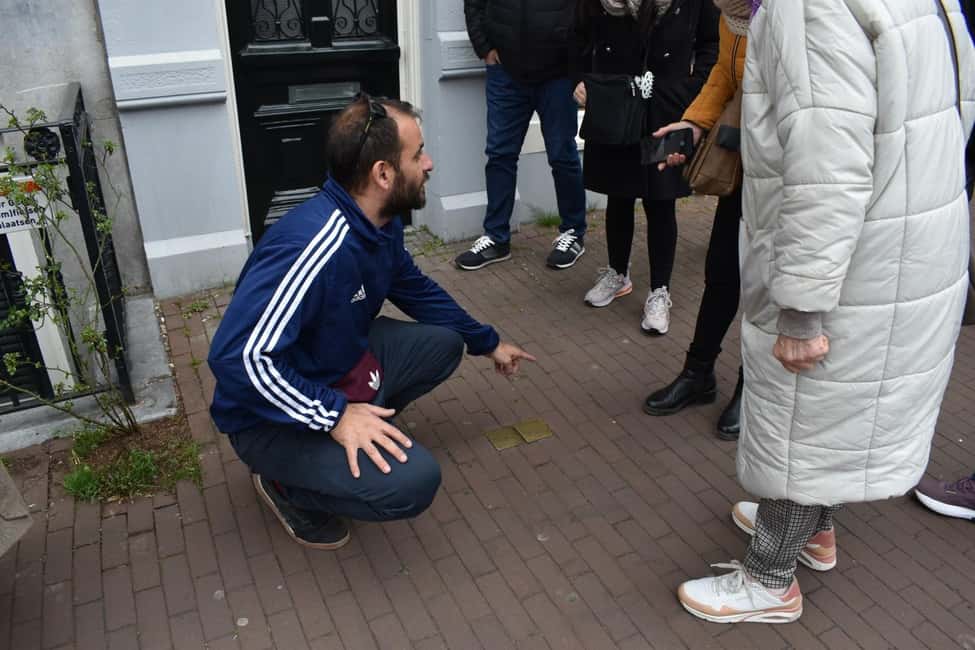
You’ll also benefit from the “facts you won’t forget” approach. Questions like why houses lean, what’s with the multiple XXX details you’ll notice, and why the city’s foundation matters are the kind of prompts that keep your attention up. You don’t leave with a vague sense that Amsterdam has a history. You leave knowing what that history changes about the way you interpret streets, buildings, and symbols.
The Handwritten A’Dam Postcard: A Souvenir With a Story Attached
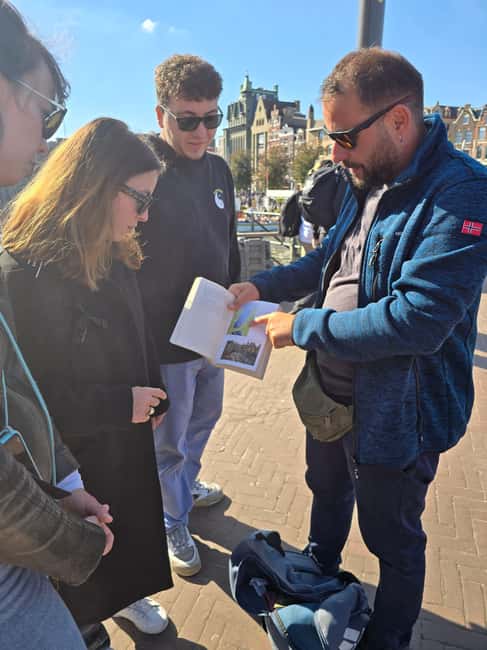
At the end, you get a handwritten postcard with a Dutch stamp from historic A’Dam. This isn’t just a token you toss into a drawer. It connects to the tour’s archive style, like you’re sending a message from a specific moment in the city’s story.
What I like about this is the choice it gives you. You can send it and make your trip feel ongoing, or you can keep it as a reminder of the themes you learned. Either way, it’s a small “receipt” for your attention.
It’s also a nice way to end a walk that’s all about memory. Two hours of story can blur. The postcard acts like a bookmark, turning the experience into something you can hold.
Price and Value: Is $28 Worth It?
At $28 per person for a 2-hour guided walking tour, the value depends on what you want from Amsterdam.
If you came for architecture photos and canal views only, you could spend your time cheaper on your own. But if you want your sightseeing to make sense—if you enjoy explanations for odd details like leaning houses, mud foundations, dams and dikes, and the city’s shifts in ideas—this price looks fair. You’re not paying just for walking. You’re paying for a guide who connects 750 years into a narrative you can actually remember.
Small-group size (up to 12) is also part of the value. In a crowd, you don’t get conversation. Here, the format supports questions and back-and-forth, which can dramatically improve how much you take in.
And the included souvenir is real value in practice: a handwritten postcard and Dutch stamp. Even if you don’t send it, it’s part of the experience rather than a generic flyer.
Who This Tour Is Best For (and Who Might Prefer Something Else)
This tour is ideal for you if:
- You like story-driven history more than monument-hopping.
- You enjoy asking the basic questions while sightseeing: why is this like that?
- You want an off-the-beaten-track feel, with emphasis on origins, expansion, and unusual places.
- You’re traveling solo, as the tour runs as a personal experience even when you’re not in a paired group.
It may be less ideal if:
- You’re hoping for a highly structured itinerary with lots of specific named stops and long photo breaks.
- You depend on filming video during tours.
- You want only a light overview instead of getting lots of facts in a short window.
The sweet spot is curiosity plus comfort with walking.
Should You Book Amsterdam’s Hidden Facts: 750 Years of Secrets?
Yes, if you want Amsterdam explained in a way that sticks. This is a facts tour that doesn’t feel like studying. With Antonis leading the way, you’ll get a tight story arc from dams and dikes through the Golden Age and into World War II, with memorable “why” answers about mud, leaning houses, and the city’s systems for survival.
I’d book it when you’re ready to connect your sightseeing to meaning. If you’ve already seen a few central sights and want the deeper thread, this walk is a strong next step. It’s also a good choice if you like small-group interaction and you don’t mind that the rules favor listening and looking over filming.
If you’re on a tight schedule but still want real context, 2 hours is a manageable commitment. Bring comfortable shoes, keep your phone for photos (not video), and treat the walk like a guided conversation with the city.
FAQ
How long is the tour?
The tour lasts 2 hours.
What does the tour cost?
It costs $28 per person.
Where do I meet for the walking tour?
You meet in front of the Bull!!.
Does the tour end at the same meeting point?
Yes, the tour ends back at the meeting point.
How big is the group?
The group is limited to a maximum of 12 guests.
What languages are available?
The live guide speaks English and Greek.
What’s included in the price?
Included are the professional guide and a handwritten postcard with a Dutch stamp.
What should I bring?
Bring comfortable shoes, a camera, and water, plus weather-appropriate clothing.
Is video recording allowed?
No, video recording is not allowed.
Is pickup included from hotels?
No, hotel pickup and drop-off are not included.