REVIEW · AMSTERDAM
Amsterdam Treasure Hunt: The Mystery of a Secret Sender
Book on Viator →Operated by Mystery City Games · Bookable on Viator
A secret code turns Amsterdam into a game. You’ll tackle an interactive scavenger hunt built around Golden Age sights, using puzzle clues tied to real architecture and local stories. One thing to factor in: you’re on a 3km city-center route, so it’s not a sit-and-read kind of activity.
I like that this one stays flexible. You choose a start time that fits your day, grab a mobile ticket, and move at your own pace while you solve the “A Secret Sender” mystery. It’s designed to keep kids and teens engaged, but the walking still matters—especially if your group is larger or slower-paced.
In This Review
- Key things I’d circle before you go
- How the Secret Sender mystery works (and why it feels fun)
- Price and value: is $30.25 worth it?
- Where you start: the Zwanenburgwal meeting point and the 3km walk
- Stop-by-stop: from Oude Kerk to Amsterdam Museum
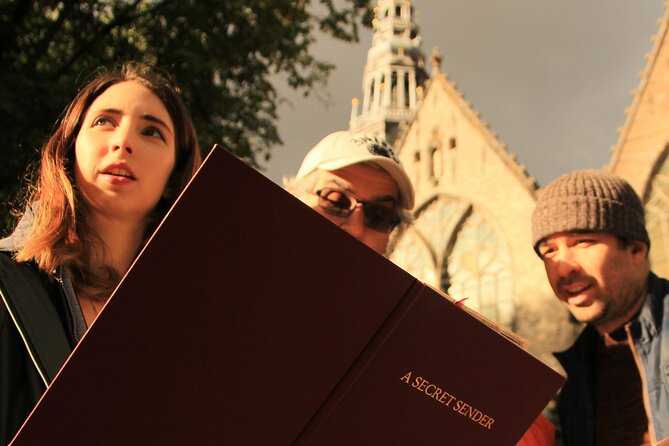
- Oude Kerk: start with a landmark that sets the tone
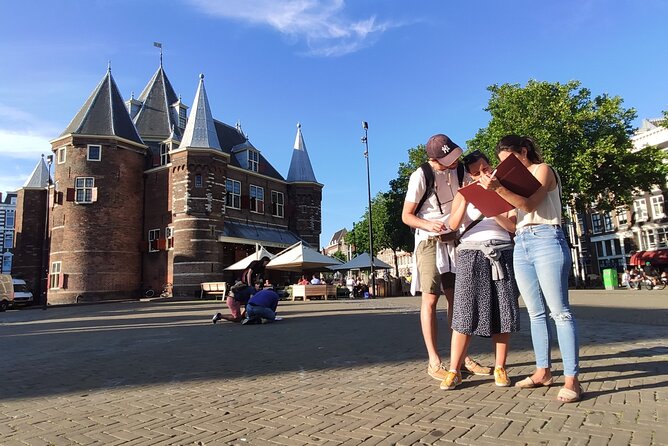
- Nieuwmarkt: shift from church grandeur to city life
- Westerkerk: another iconic skyline marker, another chance to spot details
- Torensluis: where canal geometry meets puzzle logic
- Amsterdam Museum: end with context and a reason to remember
- Why the puzzles feel smarter than typical scavenger hunts
- Who this suits best (and who should reconsider)
- Language options and self-paced timing
- What you’ll actually do during the 2 hours
- Staff and local feel: friendliness at start and finish
- Should you book Amsterdam Treasure Hunt: The Mystery of a Secret Sender?
- FAQ
- How long is the Amsterdam Treasure Hunt game?
- What is the price per person?
- Is it self-guided or guided with a tour leader?
- Where do I meet for the experience?
- What languages are available?
- Can I cancel and get a refund?
Key things I’d circle before you go
- A 2-hour, 3km format that’s long enough to feel like an adventure but short enough for a casual afternoon.
- Five landmark stops that string together central Amsterdam in a smart order.
- Self-paced play with puzzles that keep you thinking while you’re out in the streets.
- History through problem-solving, not lectures: clues come from buildings, monuments, and context.
- Private group time (only your group participates), which makes it easier to coordinate as you go.
- Multilingual options (English and more), so you can match your group’s comfort level.
How the Secret Sender mystery works (and why it feels fun)
This experience turns Amsterdam into a puzzle box. The premise is simple: a secretive group called the Order of the Rosy Cross is recruiting, and your job is to prove you’re worth it by solving an ancient mystery. You uncover the identity of one historic member known to you only as A Secret Sender.
Instead of following a script, you’re given puzzle prompts as you walk. That’s the key magic trick here: you’re sightseeing, but your brain is doing something active. You’ll be scanning facades, looking for details, and using the clues to keep the story moving.
The “self-guided” part also changes the vibe. You’re not stuck listening to a long commentary. If you want a quick photo and move on, you can. If your group gets stuck on a clue and needs extra time, you can slow down without feeling like you’re holding up a schedule.
You can also read our reviews of more tours and experiences in Amsterdam.



Price and value: is $30.25 worth it?
At $30.25 per person for about 2 hours, this is priced like an activity, not a basic museum ticket. And that’s exactly what it is: you’re paying for a game, puzzle materials, and a route that guides you through major sights without you having to plan every step.
For value, I look for three things:
- You get something you can’t easily DIY. In this case, you get the mystery structure and puzzle flow.
- It saves decision fatigue. You don’t have to map out which spots to visit in what order.
- It keeps more than one person interested. The format is built to engage kids and teens, and it still works for adults who just want something different than another walking tour.
If you’re visiting Amsterdam for the first time, I also think it’s a good “get your bearings” style activity. The route hits central areas so you come out with a better sense of where things are—plus you’ve got stories and context tied to what you saw.
Where you start: the Zwanenburgwal meeting point and the 3km walk
You meet at Zwanenburgwal 178, 1011 JH Amsterdam. The experience ends back at the same meeting point, which is convenient when you’re planning dinner afterward.
The route is about 3km through the city center. That’s a comfortable distance for many people, but it’s also long enough that you’ll feel it after a day of canals and museums. I’d treat this like a real walking event: wear shoes you trust, and don’t plan for a last-minute train sprint right after.
Because you can choose your start time, you can also pick the moment that suits your group. If your group is slower, starting earlier in the day can help you avoid that late-afternoon “everyone is tired” spiral.
This is also listed as private—only your group participates. That’s a big plus if you’ve got teens who don’t want to compete for attention, or if you prefer to stay together and solve as a team.
Stop-by-stop: from Oude Kerk to Amsterdam Museum
The game uses five stops to connect Amsterdam’s Golden Age look with puzzle clues. Here’s what each location adds to the experience, and what to watch for while you’re there.
Oude Kerk: start with a landmark that sets the tone
Your first stop is Oude Kerk. It’s the kind of building that immediately signals old Amsterdam energy. As your first puzzle cue, it’s a smart opener: you can ground the story quickly, before you move into more canal-and-church scenery.
Practical tip: when your first clue appears, don’t rush. The fastest way to get stuck later is to ignore details early. Take a moment to look around the area, not just at one angle.



Nieuwmarkt: shift from church grandeur to city life
Next you’re at Nieuwmarkt. This area gives you a different flavor than a single monumental building. In puzzle terms, it’s often where you’ll need to connect the setting to the clue—like recognizing a location feel or using surrounding context rather than only reading one object.
Drawback to note: squares can be busy with foot traffic. If your group gets easily distracted, assign one person to keep the puzzle moving while others take photos and short looks.
Westerkerk: another iconic skyline marker, another chance to spot details
Stop three is Westerkerk. It’s an instantly recognizable name in Amsterdam, and it works well in a scavenger hunt because landmark visibility helps you stay oriented. Plus, churches and their surroundings often hold lots of architectural cues that puzzle creators love to use.
What to do: slow down at the edges of the area, not just center-frame shots. A clue might be referencing something you only notice when you step sideways.
Torensluis: where canal geometry meets puzzle logic
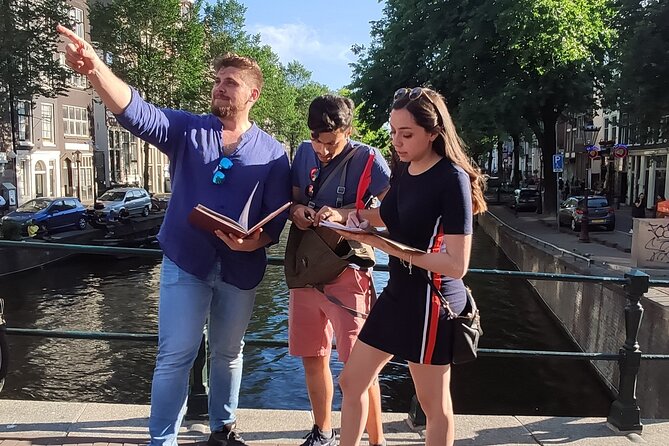
You’ll hit Torensluis next. This is where the walk leans into Amsterdam’s canal-and-bridge character. For puzzles, canal-side spots can reward observation: lines of sight, nearby structures, and how the streets and water relate.
Practical note: canal areas are flat but can be slippery if it’s damp. If you’re visiting in cooler months or after rain, watch your footing while you’re taking a closer look.
Amsterdam Museum: end with context and a reason to remember
Your final stop is the Amsterdam Museum. Ending at a museum spot makes sense because it gives you a natural “wrap” for the story you’ve been solving. Even if you’re not planning to go inside, it helps your brain file the trip under real place-based history instead of just “fun puzzles.”
If your group wants to keep the afternoon going, you’ll likely be in the right mood to continue exploring nearby. If you want downtime, you’ve got a clean finish back at the meeting point.
Why the puzzles feel smarter than typical scavenger hunts
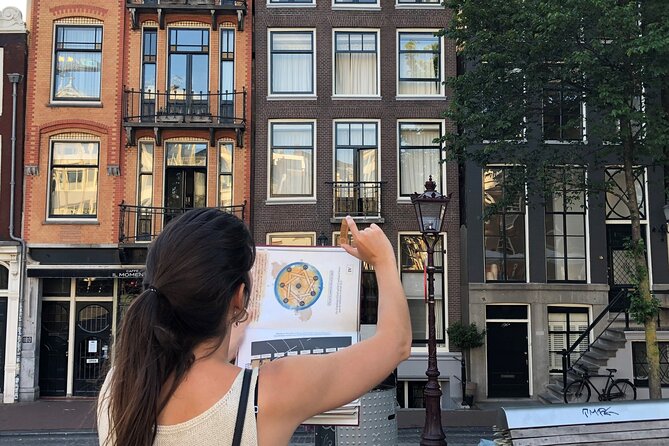
The mystery theme isn’t random. The premise is tied to the Order of the Rosy Cross and the hunt for identity—so your job is less about speed and more about matching clues to what you’re seeing. That’s what makes it work for both younger participants and adults.
I also like that the experience is built to teach through the walk. You’re not just checking boxes. You’re getting true stories from the city’s history while you solve. That matters because it turns the route into a memory you can explain later, not just a list of stops.
One review note that lines up with how this feels in practice: the clues are just challenging enough. They push you to look closely, but they don’t turn the whole walk into frustration. That balance is exactly what keeps teens engaged—especially if they’re the type who get bored when a tour becomes too lecture-like.
Who this suits best (and who should reconsider)
This is a strong fit for:
- Families with teens who want something interactive, not another passive outing
- First-time visitors who want a structured way to explore the center
- Couples or small groups who like teamwork and don’t mind walking
- People who enjoy puzzles and architectural details
It can be less ideal if:
- You want minimal walking. The 3km loop adds up.
- Your group has very mixed mobility or stamina. Because it’s self-paced and you’re responsible for your pace, you’ll feel that immediately in how the group moves.
- You expect a classic guided tour with long narration. This is a game-forward experience.
The upside is that it’s designed to be fun. One review even highlights how well it works for a teenager—plus another points out it’s a great afternoon for a couple. That matches the structure: you can play as a team, and you don’t have to coordinate with a large crowd.
Language options and self-paced timing
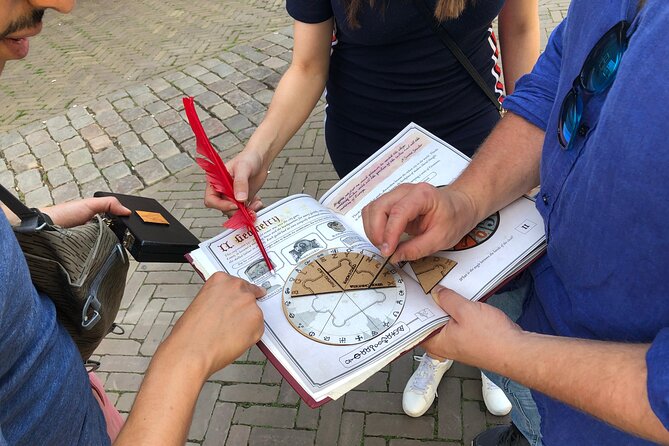
The experience is available in English and several other languages: Dutch, French, German, Spanish, and Italian. That’s helpful if you’ve got mixed language comfort levels in your group.
Being self-paced also changes how you manage timing. If you want to stop for a snack mid-route, you can. If you want to take one extra look at a façade because you think it might hold a clue, you can do that too.
Just remember: self-paced doesn’t mean effortless. Your group still needs time to read, think, and solve. If you start late, you may finish with less energy than you planned.
What you’ll actually do during the 2 hours
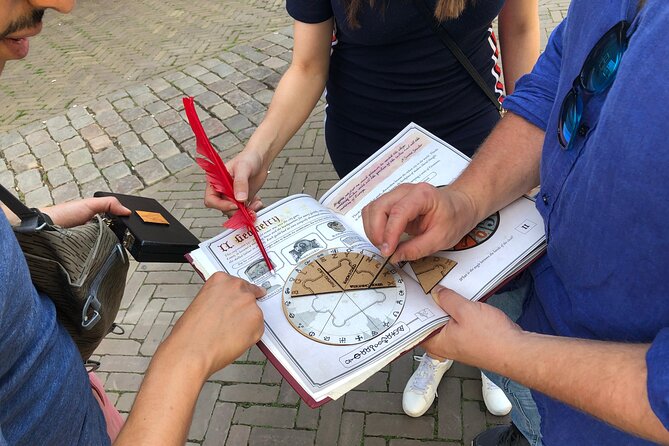
During the game you’ll:
- Walk a 3km route in the city center
- Spend about 2 hours play time
- Discover buildings and monuments along the way
- Solve puzzles with your friends
- Pick up true historical stories connected to the stops
It’s also “private activity” style, so your group isn’t competing for attention or getting separated by a guide’s schedule. That’s great for coordination, especially if you’ve got teens who want to move together and keep solving as a team.
One small practical detail: if you bring a backpack, think about how you’ll keep your game materials accessible. One review mentioned a backpack fit issue (buckle/unbuckle), so you may prefer something easy to manage while you’re walking.
Staff and local feel: friendliness at start and finish
The experience includes staff at the start and finish locations. The welcome tends to be friendly and chat-friendly, and one name that pops up in feedback is Ben—praised as a fabulous host. That kind of local, human touch matters because it helps you start the game with confidence rather than standing around wondering what to do first.
Even though the hunt is self-guided, you still get that helpful human anchor at the beginning and end.
Should you book Amsterdam Treasure Hunt: The Mystery of a Secret Sender?
If you’re the kind of traveler who likes puzzles, architecture, and a route with a purpose, I think this is a very smart booking. For the money, you’re buying a structured way to explore that can keep teens from zoning out. And because it ends back where you start, it’s simple to fold into an afternoon plan.
I’d skip it only if walking 3km in central Amsterdam sounds like torture, or if your group wants a traditional guided lecture. Otherwise, it’s a fun way to see the city’s landmarks while you’re actively learning, not just passing by.
FAQ
How long is the Amsterdam Treasure Hunt game?
It lasts about 2 hours, with about 2 hours of play time.
What is the price per person?
The price is $30.25 per person.
Is it self-guided or guided with a tour leader?
It’s self-paced self-guided, so you explore at your own pace during the game.
Where do I meet for the experience?
You start at Zwanenburgwal 178, 1011 JH Amsterdam, Netherlands and the activity ends back at the meeting point.
What languages are available?
It’s offered in English, Dutch, French, German, Spanish, and Italian.
Can I cancel and get a refund?
Free cancellation is available. You can cancel up to 24 hours in advance for a full refund. If you cancel less than 24 hours before the start time, the amount paid will not be refunded.