REVIEW · AMSTERDAM
Amsterdam: Red Light Tour Exclusive + Peep Show
Book on GetYourGuide →Operated by Amsterdamliebe · Bookable on GetYourGuide
One of Amsterdam’s most talked-about neighborhoods gets context. This 1.5-hour Red Light District tour takes you through the heart of the area with a small group, then adds a visit to a live peep show for a truly old-school Amsterdam moment. It’s candid, political, and designed so you’re not just rubbernecking.
I love the small group format up to 4 people, because it keeps the walk calm and your guide’s explanations clear even on busy streets. I also like that the tour takes a critical look at how the system works, including what sex workers face and how the city’s rules shape daily life. Depending on who you get, guides like Noemi or Ginevra are praised for mixing humor with a respectful tone while staying grounded in the real issues.
One consideration: the peep show itself costs extra (2€ entry), and cameras are not allowed, so you’ll want to be comfortable seeing things without documenting them. If you’re hoping for a light, casual stroll, this is more thought-provoking than that.
In This Review
- Key highlights worth your attention
- Why this Amsterdam Red Light tour feels different from a drive-by
- Starting at Dam Square: the quick orientation that saves your time
- Condomerie and Oude Kerk: landmarks used to talk power and policy
- Warmoesstraat and the narrow-alleys lesson: seeing the district as a real place
- Dancing Houses and Borstplaat in brons: architecture and memory in the same walk
- The Bulldog stop: coffeeshop history with a political lens
- Sex Palace live peep show: what it is and how it fits the tour
- Practical rules that keep the experience respectful
- Price and value: is 61€ fair for 90 minutes in the Red Light District?
- Should you book this Red Light District tour with peep show?
- FAQ
- How long is the Amsterdam Red Light Tour exclusive plus peep show?
- What does the $61 price include?
- Is the live peep show included?
- Where do I meet the guide?
- Are cameras allowed?
- What languages are available?
- Is the tour wheelchair accessible?
Key highlights worth your attention
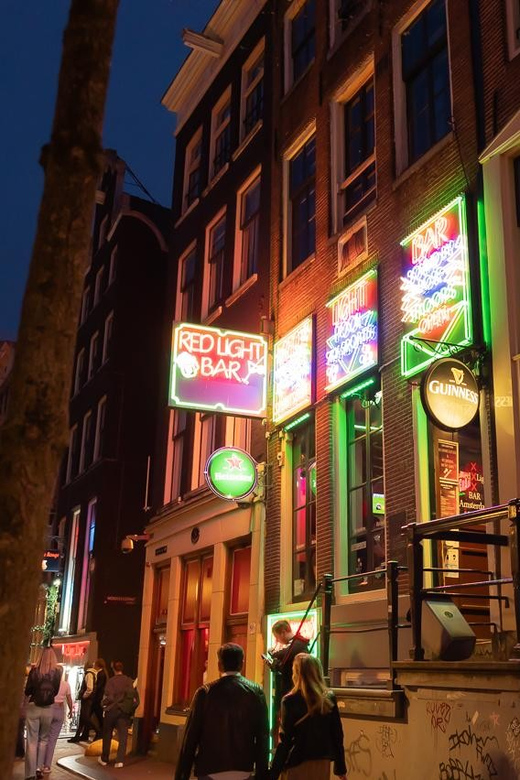
- Exclusive access in a small group: Amsterdam limits larger groups from walking straight through the district, so you get closer to what’s actually happening
- Up-close street-level orientation: short stops help you learn the layout fast, without feeling lost or rushed
- A critical, political framing: you’ll hear how the area’s history and rules impact sex work today
- A 70s live peep show: one of the last live formats you can still experience in Amsterdam
- Focused coffeeshop history, not a coffeeshop visit: you’ll see a famous spot from the outside and talk about the socio-political story around them
Why this Amsterdam Red Light tour feels different from a drive-by
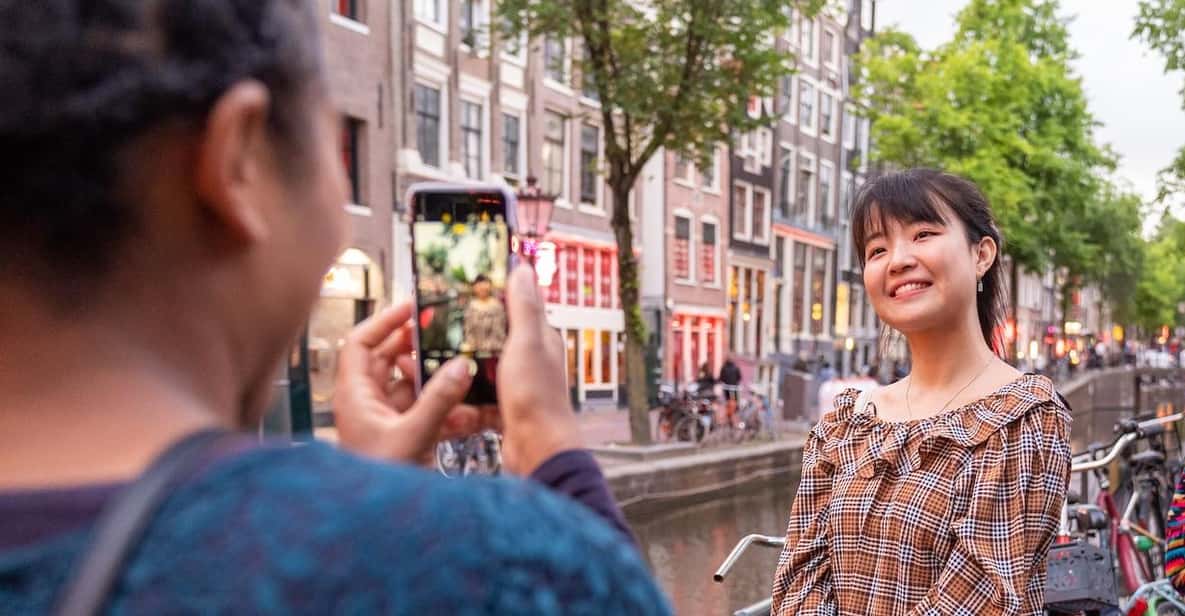
Amsterdam’s Red Light District can feel like two things at once: a tourist maze and a real workplace for people living their lives behind windows. This tour leans hard into the second part. You walk through the center with a German or English guide and you’re guided to understand what you’re seeing instead of treating it like a spectacle.
The biggest practical difference is the group size. With up to 4 people, you’re less jostled, your questions aren’t lost, and your guide can keep the tone steady. That matters here, because the subject is sensitive and the street context changes fast depending on crowds, events, and where you’re standing.
The tour also tries to balance entertainment with seriousness. You’ll get humor along the way, and you’ll also hear political and social explanations about sex work and the district’s role in Amsterdam. That mix is exactly why people say it feels respectful rather than exploitative.
You can also read our reviews of more tours and experiences in Amsterdam



Starting at Dam Square: the quick orientation that saves your time
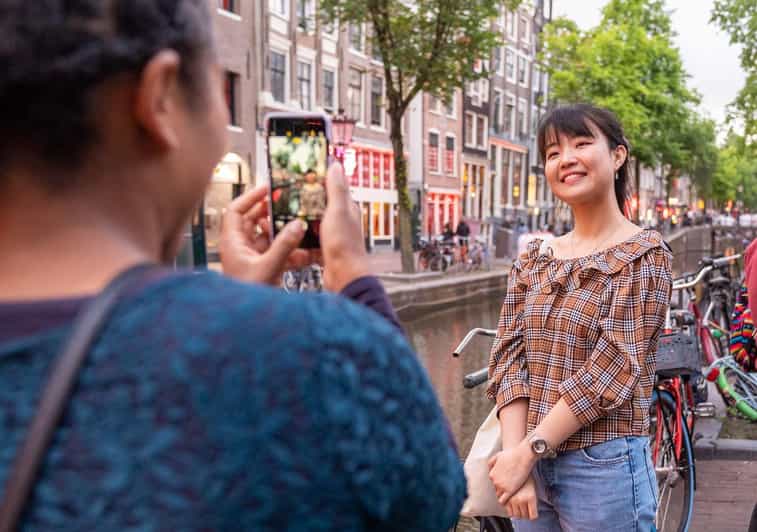
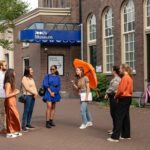
You meet at the steps of the National Monument on Dam Square, a white obelisk area with your guide wearing a red name tag. It’s an easy meeting point because you’ll already be in the Dam Square core when you arrive.
Dam Square itself isn’t where the Red Light action happens, but it’s where your brain needs to get calibrated. Early on, you’re guided to understand how the district fits into Amsterdam’s broader story—history, politics, and the city’s decision-making around the area.
You’ll also get used to the walking rhythm. The total walk is about 1.8 km (1.2 miles) at a comfortable pace, and it’s spread across short stops rather than one long slog. That structure is helpful when you’re dealing with a topic that needs mental space as you go.
Condomerie and Oude Kerk: landmarks used to talk power and policy
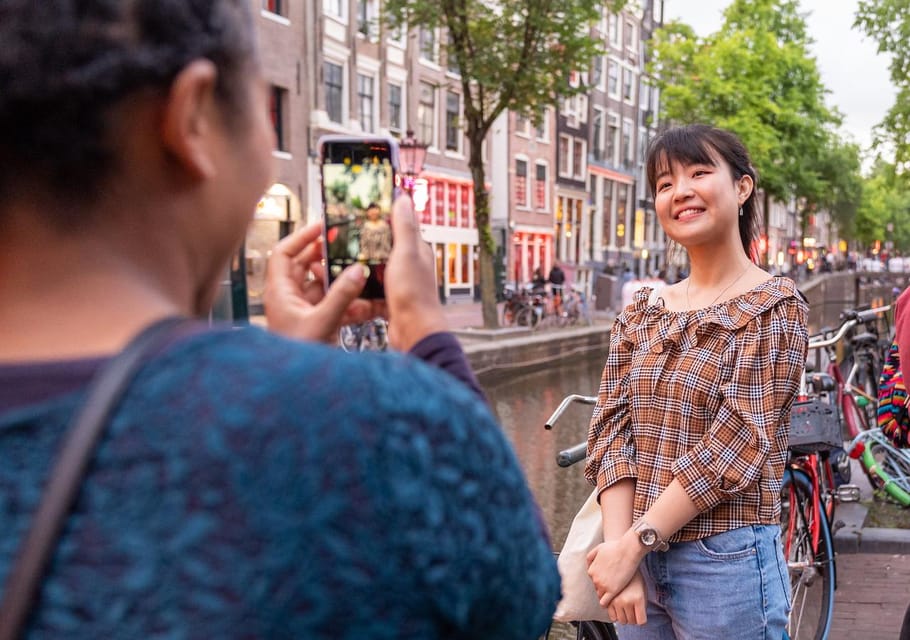
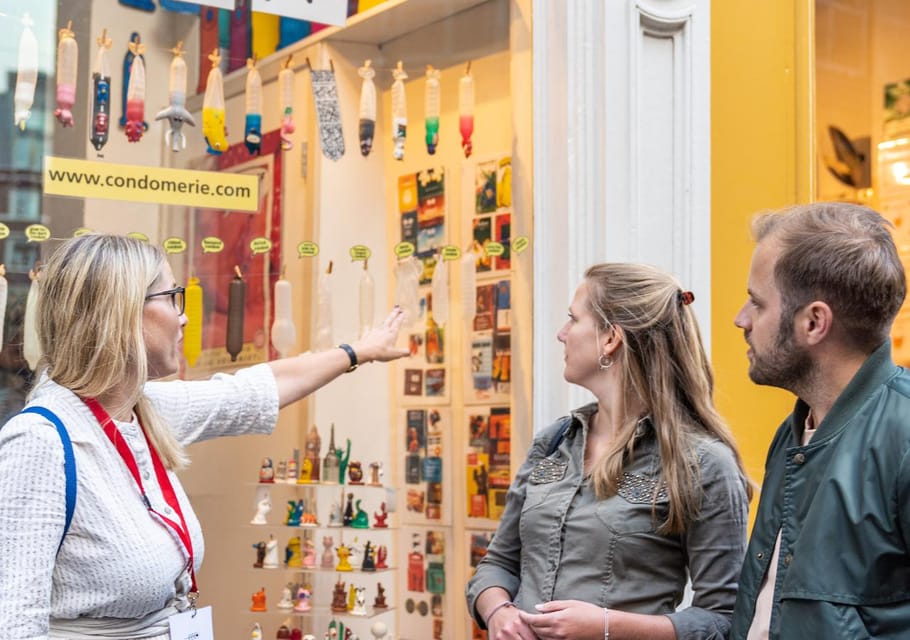
The stops around the Condomerie and the Oude Kerk aren’t random decoration. They’re there to anchor conversations in recognizable places, so the history doesn’t stay abstract.
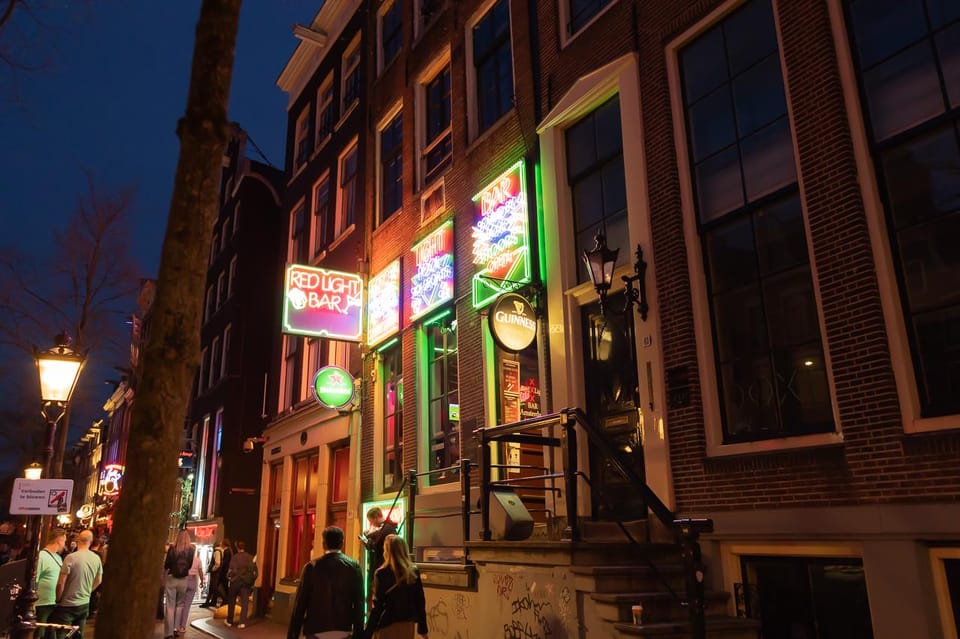
At the Condomerie stop, you’re set up for the tour’s core theme: Amsterdam doesn’t just have a red-light area; it has a system. You’ll hear about how the district is managed, how sex workers make a living, and what the city’s framework means in real terms.
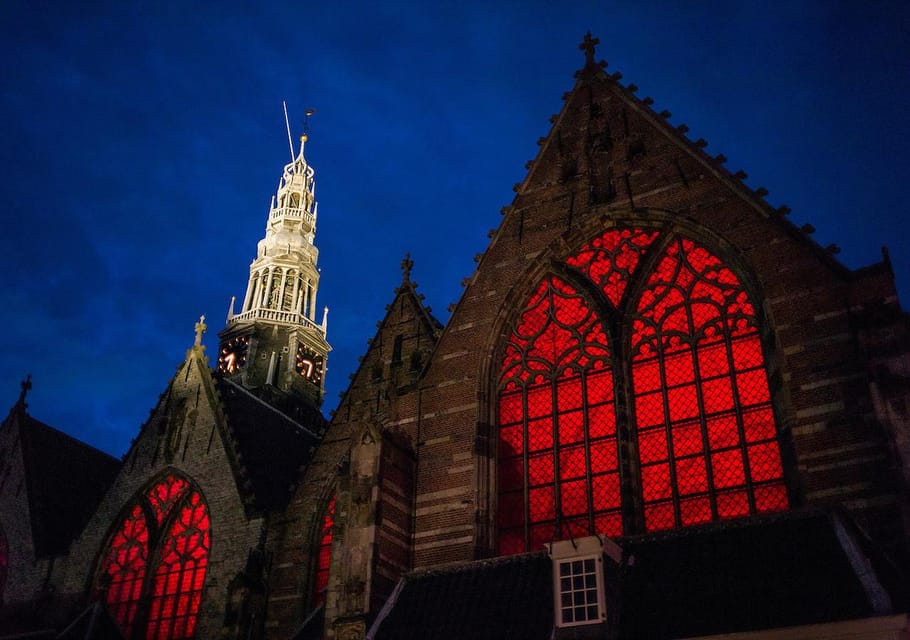
Then comes the Oude Kerk area. This is where the tone tends to shift from street-level noticing to bigger-picture understanding. If you’re trying to grasp why Amsterdam handles this topic the way it does, these moments help connect the dots between the city’s past and how the district functions now.
I’d keep one mindset: you’re not just observing a neighborhood. You’re learning how society negotiates morality, economics, and harm-reduction through rules and institutions.
Warmoesstraat and the narrow-alleys lesson: seeing the district as a real place
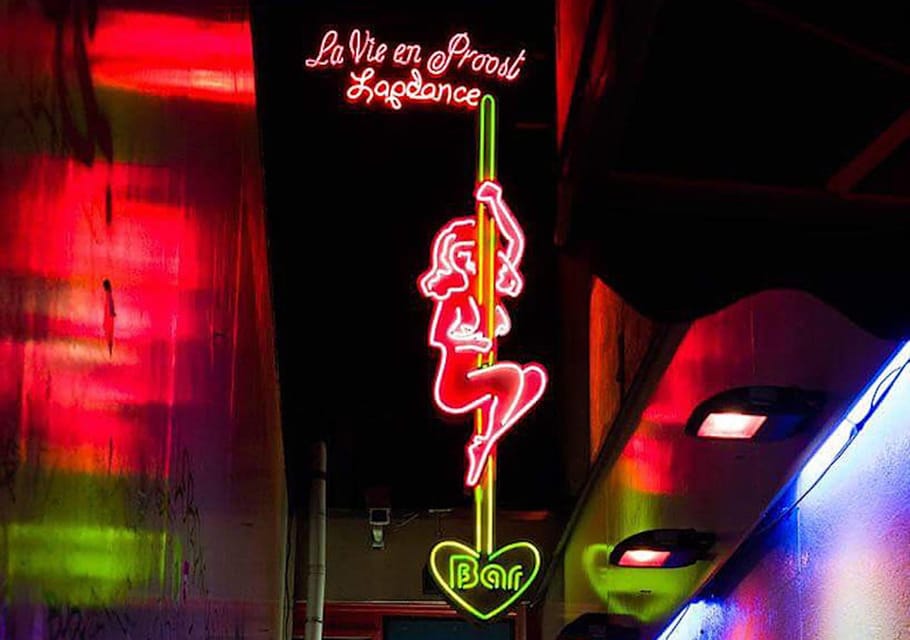
Warmoesstraat is one of the district’s main corridors, so you’ll get practical orientation there fast. You’ll also have a photo stop, which is useful if you want context shots for your trip—just remember cameras are not allowed during the tour, so you’ll need to follow the exact rules your guide gives you.
One of the tour’s standout threads is the attention to tight spaces. You’ll walk through very narrow alleys and hear why certain corners earned a reputation as particularly intense areas of the district. That kind of detail helps you understand how the environment shapes behavior—where people look, how movement works, and why privacy matters.
There’s also a consistent push for critical thinking. Instead of presenting everything as straightforward, your guide frames sex work with both the protections and the complications of legalization. That means you’ll hear the hopeful side (how the system tries to reduce harm) and the uncomfortable side (how the job can still be shaped by pressure, inequality, and enforcement choices).
Dancing Houses and Borstplaat in brons: architecture and memory in the same walk
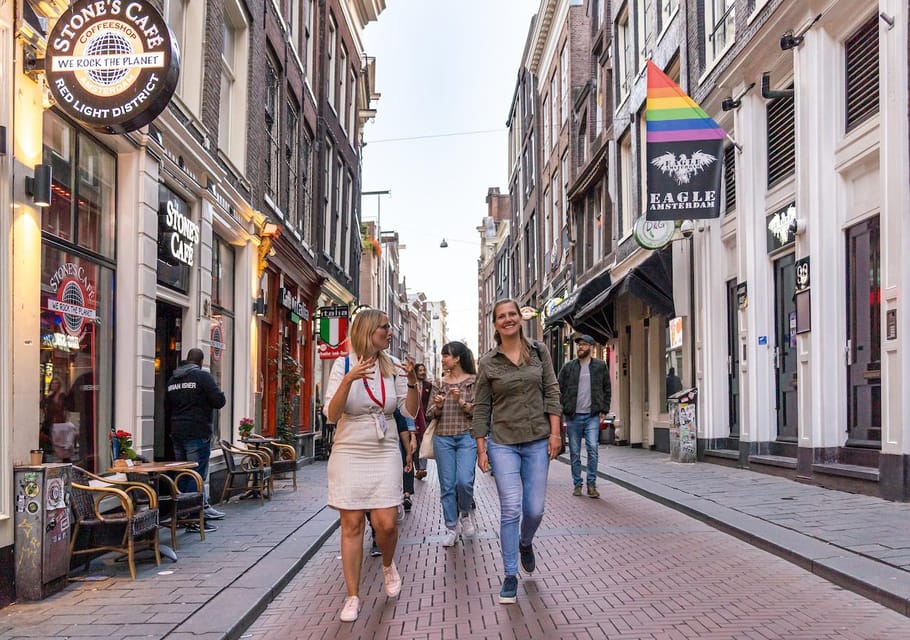
You’ll make another photo stop at the Dancing Houses area and then continue to a stop called Borstplaat in brons. Names like these matter because they point to the way the district is layered—part old Amsterdam, part modern acknowledgement of what’s happened here.
At the Dancing Houses, take the photo, then tune your eyes back to the street. The architecture is fun, but it also reminds you that you’re not in a theme park. People live and work nearby. Shops open, streets get cleaned, and the district’s look is shaped by the same urban forces as everywhere else—just with a very particular use of the storefront space.
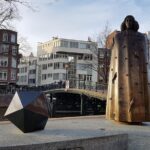
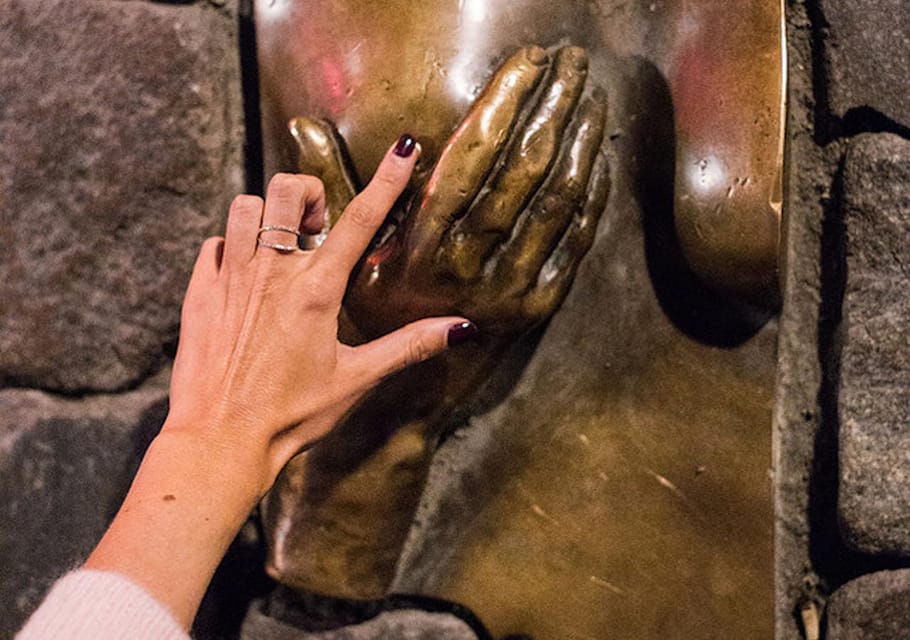
The bronze plaque stop (Borstplaat in brons) adds a different flavor: memory. It signals that Amsterdam doesn’t treat the Red Light District as a hidden topic. Instead, it acknowledges the place in public space—like it or not.
This kind of pacing—landmark, explanation, then back to the walk—keeps you from spiraling into either shock or numbness. You stay curious.


The Bulldog stop: coffeeshop history with a political lens
A major value point for many people is that the tour doesn’t only cover sex work. You also explore the socio-political history around coffeeshops—and you do it by visiting The Bulldog The First Coffeeshop as part of the guided walk.
Important: this is not an inside coffeeshop visit. You’ll see the place as part of the district’s landscape and talk about why coffeeshops became part of Amsterdam’s public identity in the first place. That framing helps you understand why the Red Light District isn’t just a single business model; it’s tied to how Amsterdam handles legality, public order, and tourism.
If you’re a history-minded traveler, you’ll appreciate that the guide connects the topic to politics and rules rather than treating it like a quirky local habit. And if you’re mainly here for the social story, this stop gives you a broader context for why the district feels like it has multiple layers of commerce.
Sex Palace live peep show: what it is and how it fits the tour
The tour ends at the Sex Palace, Live Peep Show, where you’ll visit and your guide explains what you’re about to experience. The format is a classic: a 70s live peep show, described as one of the last live options of this kind.
Plan for it to be short. It’s a fun 2-minute experience and, crucially, it does not involve any physical interaction with another person. It’s basically a window into a different era of adult entertainment—more performance and choreography than anything else.
Budget for it correctly: the peep show entry fee is 2€ and not included in the tour price. You’ll likely decide on the spot whether it feels worth your time, but the tour is built to make that choice easy.
If you’re uneasy about being in a space focused on sex, you can still keep the experience grounded in what the guide tells you. Think of it as a historical artifact inside Amsterdam’s entertainment ecosystem, not as personal participation.
Practical rules that keep the experience respectful
This is a tour where rules aren’t just “for enforcement.” They protect the people who live and work around the district and they protect the tone of the walk.
Cameras are not allowed, and you’re also forbidden to take photos of sex workers. Alcohol and drugs are not allowed, and you can’t show up intoxicated. Unaccompanied minors aren’t allowed, and that rule is age-dependent.
If you’re traveling with teens: 16–18 requires a parent or guardian accompaniment, and under 16 can only join on a private tour adjusted for age. If your group includes kids, this is usually not the right format for a public guided walk.
Weather also matters here because it’s an outdoor walk. The tour runs in any weather, so bring an umbrella if rain is in the forecast. Also note the day-of-week crowd factor: Friday and Saturday are busy, so if you want a quieter experience, pick another day.
Finally, choose your language carefully. The tour is either German or English, not bilingual, so don’t assume you’ll get both.
Price and value: is 61€ fair for 90 minutes in the Red Light District?
At $61 per person for about 1.5 hours, the real question is what you’re buying: access, context, and the format. Here’s the math that matters.
Your price includes:
- an experienced German or English city guide
- a guided walk through the district’s heart
- 1.50€ city tax per person
It does not include:
- 2€ peep show entry
- food and drinks
Where the value comes in is the “small group exclusive” element. Amsterdam’s newer rules limit bigger groups from walking straight through the district, so you’re paying for access that’s harder to replicate on your own. If you’ve ever tried to figure out the stories of this area while dodging crowds, you’ll understand why a guide changes the whole trip.
It’s also why people mention how guides keep the content respectful and well-paced. In the past, guides like Lili, Joschka, Deborah, Kubra, and Josh have been praised for keeping the tone careful while staying engaging—even in bad weather or during hectic moments like Pride day—plus answering questions without turning the street into a classroom on fast-forward.
One more practical point: because cameras are off-limits, you need to be okay with “mental photos,” not phone photos. If you’re looking for a quick photo-op tour, this probably won’t satisfy you. If you want understanding, it’s more than worth the time.
Should you book this Red Light District tour with peep show?
Book it if you want a guided walk that treats the Red Light District as a real social space with real rules—plus you’re curious enough to see a classic live peep show as part of Amsterdam’s adult-entertainment history. The small group up to 4 is a strong reason to choose this over generic tours, especially on days when the area gets crowded.
Skip it if you’re uncomfortable with adult-focused topics, you’re expecting a relaxed sightseeing loop, or you want to take photos. Also skip it if your schedule can only work on a Friday or Saturday and you hate busy streets—those days can feel louder outside your control.
If you go, go with the right mindset: watch, listen, ask thoughtful questions, and keep the rules. You’ll get a version of Amsterdam most visitors never understand—one street at a time.
FAQ
How long is the Amsterdam Red Light Tour exclusive plus peep show?
The tour lasts about 1.5 hours.
What does the $61 price include?
It includes an experienced German or English city guide, a tour through the heart of the red light district, and the 1.50€ city tax per person. The 2€ peep show entry fee and food or drinks are not included.
Is the live peep show included?
The tour includes the peep show visit, but the 2€ entry fee is not included in the tour price.
Where do I meet the guide?
Meet on the steps of the National Monument (a white obelisk) at Dam Square. The guide will be identifiable by a red name tag.
Are cameras allowed?
No. Cameras are not allowed on this tour.
What languages are available?
The tour is offered in either German or English, and it is not bilingual.
Is the tour wheelchair accessible?
Yes, the tour is listed as wheelchair accessible.