REVIEW · AMSTERDAM
Amsterdam Red Light District tour with a local guide
Book on GetYourGuide →Operated by Your Amsterdam's Red Light District guide · Bookable on GetYourGuide
Amsterdam tells its secrets at street level. This 2-hour Red Light District tour with Your Amsterdam’s Red Light District guide gives you both the local perspective and the history behind Amsterdam’s famously liberal reputation. I especially like the way the guide connects what you see in the windows and streets to how the neighborhood evolved over centuries, and I also like that the walk stays focused on real places instead of vague stories. One drawback to plan for: if you end up farther back in the group, the guide can be harder to hear, depending on the moment and crowd.
This is a guided walking tour in English, built for a small group. You’ll move through the district at a human pace, with time to pause, take photos where appropriate, and shop briefly along the way if the route allows it. For me, the best part is that it’s not just shock-and-awe sightseeing; it’s a structured look at how society, politics, and commerce intersect in one compact area.
Before you go, think about comfort. This neighborhood is about sex work, so even with context and a respectful tone, the subject can feel uncomfortable for some people. If you’re expecting a comfortable, sanitized stroll, you may want to adjust your expectations.
In This Review
- Key things that make this tour worth your time
- Walking With a Local Perspective in the Red Light District
- Zeedijk Street: Sailors, Prostitution Beginnings, and Why the Location Matters
- Napoleon-Era and Medieval Amsterdam: Stories That Make the Streets Feel Older
- Old Church Stop: Standing in the Center of It All
- Former Town Hall, Narrowest Street, and the First Coffee Shop Story
- Coffee Shops, Smartshops, and the Indoor Prostitute Street
- Hidden Local Details: Photos, Shop Stops, and Side Detours
- Price and Value: What $40 Buys You in Amsterdam
- What to Watch For on This 2-Hour Walk (Comfort and Etiquette)
- Who This Tour Fits Best
- Should You Book This Red Light District Walking Tour?
- FAQ
- How long is the Amsterdam Red Light District walking tour?
- How much does the tour cost?
- What language is the tour guide?
- Is this tour a walking tour?
- Is a small group available?
- What is included in the tour?
- Where does the tour start and end?
- Is there free cancellation?
Key things that make this tour worth your time
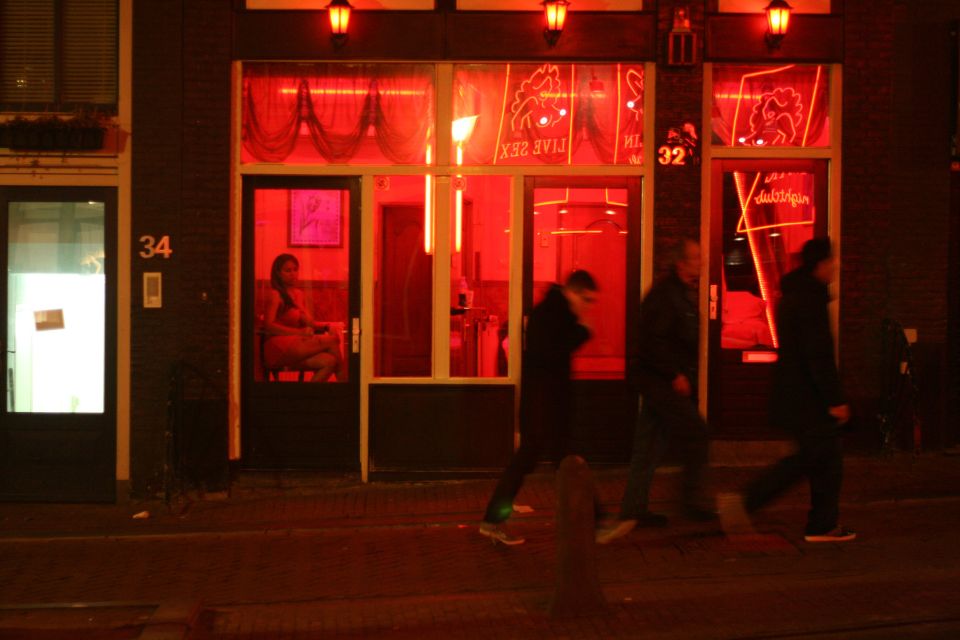
Local guide viewpoint in the Red Light District: You’re not just watching scenes; you’re getting street-level context.
Zeedijk Street context: The walk links the district to the older sailor neighborhood roots.
Old Church as the center of gravity: You’ll anchor your understanding at one of Amsterdam’s oldest buildings.
Coffee shop culture explained: You’ll get the why behind the district’s mixed rules and reputations.
Route includes sharp historical side notes: Some departures may include extra historical detours such as the harbor area or Chinatown.
Walking With a Local Perspective in the Red Light District
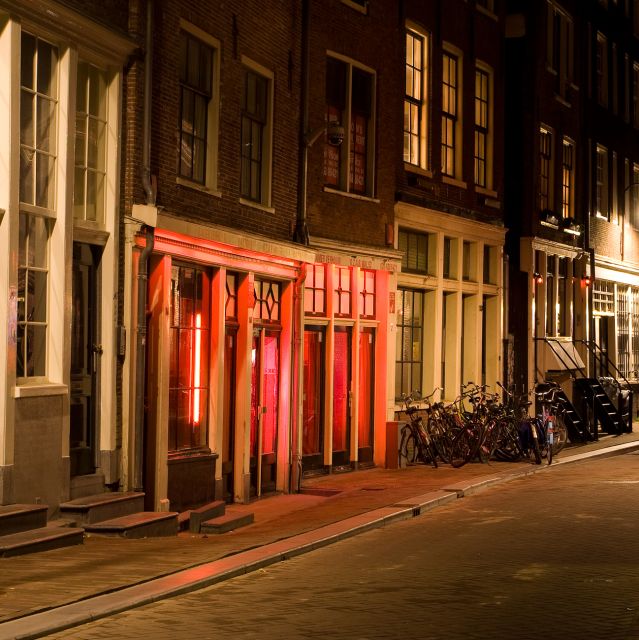
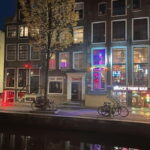
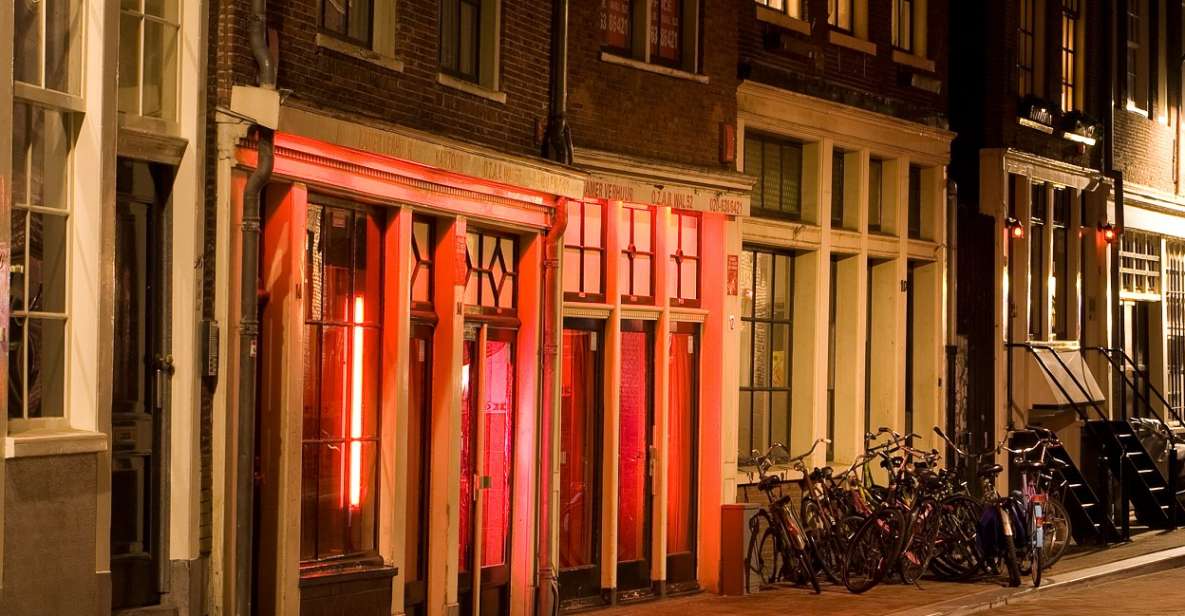
The Red Light District can feel like two things at once: a tourist magnet and a real neighborhood. That’s why I like starting with a local guide who can point out what most people rush past. You’ll see the famous red-tinted windows, brothels, and pubs, but you’ll also hear the logic and history behind why this area became what it is today.
The tour is built as a 2-hour walk, so it’s long enough to form a sense of place, but short enough that you can still enjoy the rest of your day in Amsterdam. The small group format matters here. It helps the guide keep the conversation moving and gives you a better shot at hearing the details—though, as noted, audio can be an issue if you’re not near the front.
Your guide—Your Amsterdam’s Red Light District guide—speaks English and is presented as a professional/local guide. That combination is practical: you’ll get the local angle, and you’ll get explanations that try to make the complex stuff understandable without turning it into a lecture.
You can also read our reviews of more guided tours in Amsterdam



Zeedijk Street: Sailors, Prostitution Beginnings, and Why the Location Matters
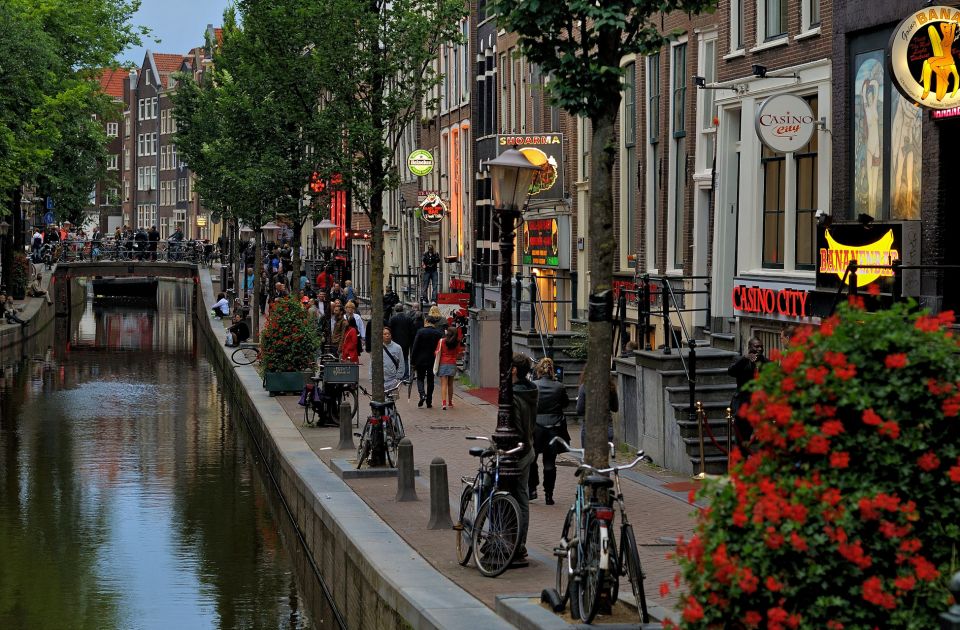
A big reason this tour clicks is its focus on geography, not just topics. One of your early shifts is toward Zeedijk Street, described as an old sailor neighborhood. That matters because sex work didn’t appear out of nowhere—it grew next to the movement of people, trade, and lodging that naturally clustered in older port-adjacent areas.
On this part of the walk, you’re set up to understand how prostitution “originally started” in the city, with the guide framing it as part of Amsterdam’s urban development rather than an isolated scandal. You also get a sense of how the district’s role changed over time, which makes the modern streets and windows feel less random.
What I like about this stop is that it gives you a foundation. Instead of treating the Red Light District like one big spectacle, you see it as a neighborhood with layers—some connected to maritime life, some connected to shifting rules, and some connected to how cities respond when money and bodies intersect.
If you’re short on time in Amsterdam, this kind of setup is valuable. It turns the rest of your city wandering into pattern recognition: you’ll notice street layout, building age, and the way public spaces shape private commerce.
Napoleon-Era and Medieval Amsterdam: Stories That Make the Streets Feel Older
Then the guide shifts into time travel—at street level. You’ll hear what the area used to look like in Napoleon-era times and during medieval times. That’s not trivia for trivia’s sake. In a place like Amsterdam, the street plan and building uses can echo older patterns, even when storefronts change.
This is where the tour’s tone matters. The goal isn’t to make you feel shocked. The goal is to help you understand how a city’s political and economic pressures produce specific kinds of neighborhoods, and how those neighborhoods become normalized over time. When the guide ties the current district to earlier eras, you start seeing today’s red windows and coffee culture as the latest chapter in a long-running urban story.
It’s also a useful mental reset. Many visitors walk into the Red Light District expecting it to be purely modern or purely scandal-driven. Even if you already know Amsterdam is liberal, it helps to hear the timeline—how long the area has been a magnet, how long society has argued with itself, and how long the city has tried to manage what happens here.
Old Church Stop: Standing in the Center of It All
One of the most important anchors on the route is the Old Church. It’s described as the oldest building in Amsterdam, and it sits right in the center of the Red Light District. You’re not just passing a landmark—you’re using it to understand the district’s weight.
When you’re at the Old Church, the neighborhood doesn’t feel like a theme park. It feels like what it really is: a working part of the city with historic bones. The guide uses this stop to connect the district’s past and present, which makes the surrounding streets easier to interpret.
From here, you’ll encounter references to the former town hall and learn about the narrowest street of Amsterdam. Those details might sound like sightseeing fun, but they do real interpretive work. Narrow streets and central civic buildings shape how people move, where commerce sets up, and how authorities respond. In other words, the architecture helps explain the social behavior.
The Old Church area is also where you’ll start to recognize the district’s mixed identity: religious history and commercial sex work living cheek-by-jowl, along with politics, policing, and day-to-day life that keeps going regardless of what tourists come to see.
Former Town Hall, Narrowest Street, and the First Coffee Shop Story
As you continue, the tour keeps one foot in the present-day streets and one foot in the district’s evolving rules. You’ll hear about one of the first coffeeshops, as well as the rise of smartshops. You’ll also be guided through the idea that coffee shop culture and prostitution culture are not separate worlds here—they’re part of the same broader conversation about tolerance, regulation, and public debate.
I like that the guide doesn’t treat coffee shops as just another attraction. Instead, you get it as a policy and cultural artifact—something that Amsterdam built, argued about, and maintained while shaping its global reputation. That’s helpful because visitors often group everything under the umbrella of Amsterdam is liberal, then stop there. This tour pushes you past that easy label.
You’ll also see details like the narrow street layout and civic leftovers. Even when you don’t notice every architectural cue on your own, the guide’s framing helps you connect street shape to social use. A city isn’t just what happens in it; it’s how the built environment channels behavior.
For me, this is the moment where the tour becomes more than a walk-through. It becomes an explanation of why people come here, why the debate persists, and why Amsterdam’s approach has always been complicated.






Coffee Shops, Smartshops, and the Indoor Prostitute Street
The route reaches an especially specific area described as an indoor prostitute street. You’ll learn about the history of this setup and the current situation of the Red Light District. That’s important context because it shifts the discussion from the purely visual to the structural.
Here’s what you can realistically expect: the guide will point out how different parts of the district are organized, how storefront rules and business types work, and how that ties into modern politics. Amsterdam’s policies and public arguments show up in the way the district is allowed to function and in the ways it gets managed.
You’ll also hear explanations about political issues. You don’t need to be a policy nerd to benefit. The practical value is that the guide helps you interpret signs, storefront behavior, and why certain activities are treated differently than others. Without that context, the district can feel like confusing theater. With it, it becomes a system.
I also like that this section keeps you grounded in respect. The guide’s job is to explain what you’re seeing, not to turn it into gossip. Still, it’s fair to say the subject matter is inherently personal and sensitive. If you’re easily uncomfortable with sexuality as a public topic, you may want to mentally prepare yourself for a direct conversation.
Hidden Local Details: Photos, Shop Stops, and Side Detours
One of the tour’s selling points is that it includes hidden gems locals are aware of. In practice, that means you’re more likely to notice things you’d miss on your own, like small street nuances, odd historical references, and practical explanations about how the neighborhood developed.
Some versions of the route may include side historical detours such as the harbor area and Chinatown. Not every visit will likely feel identical, but the value of a detour like this is consistency: the guide uses it to show how Amsterdam’s multicultural and trade-driven identity overlaps with what happens in the center.
A particularly positive note from past participants is that the guide makes room for photos and that there’s time to visit a few shops along the way. That’s not just fun—it helps you experience Amsterdam in a more normal way. You’re not only looking at windows and reading facts; you’re also briefly stepping into the district’s daily commerce.
Just remember that shop time and photo opportunities depend on the pace of the group and what’s open when you pass. If you’re set on capturing a particular scene, it’s smart to keep your expectations flexible and follow the guide’s timing.
Price and Value: What $40 Buys You in Amsterdam
At $40 per person for a 2-hour walking tour, this isn’t an impulse bargain, but it can still be good value if you want context. The cost is paying for three things you usually can’t get from a map: a local guide perspective, a structured explanation of the district’s history, and the ability to ask questions in real time.
It’s also practical value. You cover major anchor points without having to route-plan your own “Red Light District circuit.” The tour loops back to the meeting point, and it’s compact enough that you can fit it into a day of museum visits, canal walks, and neighborhood exploring.
Where the value shifts for you comes down to your expectations. If you want a quick photo walk, you’ll likely feel the price more keenly. If you want the “why” behind what you’re seeing—Napoleon-era and medieval references, the sailor neighborhood origin story, coffee shop and smartshop culture explained—then $40 makes more sense.
The tour’s strong rating (4.8 from 6 reviews) also signals that the guide style and content land well overall. Just keep the one caveat in mind: hearing can be a factor, so try to position yourself closer to the front if you can.
What to Watch For on This 2-Hour Walk (Comfort and Etiquette)
Because this tour is about prostitution and adult commerce, you should treat it like a thoughtful educational walk, not a party stroll. Keep your tone respectful in the street, and follow the guide’s cues about where to pause and what to photograph.
Audio matters. One past note points out that it can be difficult to hear the guide. So if you tend to lose words in noisy streets, don’t hide in the back. A small-group format helps, but it won’t fully cancel out ambient chatter from shops and crowds.
Also, don’t expect total uniformity in routes. The meeting point can vary by the option booked, and your walk may include slightly different historical side stops depending on pacing and timing. The core anchors—Red Light District windows, Zeedijk Street, Old Church, and the coffee shop and smartshop culture explanations—are what you should plan around.
If you want a balanced Amsterdam day, I’d pair this tour with a nearby quiet activity afterward. The district can feel intense. A canal walk, a cafe break, or a museum stop helps you reset mentally while the guide’s context is still fresh.
Who This Tour Fits Best
This tour suits you best if you want context, not just scenes. It’s also a strong option if you’re curious about how Amsterdam manages controversial topics through policy, commerce, and public debate.
I’d especially recommend it for:
- First-time Amsterdam visitors who want a guided introduction to the city’s most famous neighborhood
- Travelers who like history taught in the streets, not only in museums
- People who want to understand coffee shop culture and smartshops as part of the same broader social conversation
If you’re the type who gets uncomfortable with sexual topics or prefers strictly family-friendly sightseeing, you might skip this one or choose a different Amsterdam theme.
Should You Book This Red Light District Walking Tour?
Book it if you want a guided walk that explains what you’re seeing—windows, street culture, and the policy-and-history context behind it. The $40 price feels fair for a 2-hour local-led explanation, especially when you’re taking in Zeedijk Street origins, Old Church context, and the coffee shop/smartshop angle instead of just doing a quick photo loop.
Skip it if you’re mainly chasing atmosphere or you know you struggle to hear on walking tours in busy areas. Also skip if the topic of sex work will make you tense rather than curious.
If you’re on the fence, the tour’s high rating and the guide’s focus on history and clear explanations are good signs. This is Amsterdam street-level understanding, with a side of controversy and a lot more context than you’d expect.
FAQ
How long is the Amsterdam Red Light District walking tour?
The tour duration is 2 hours.
How much does the tour cost?
The price is $40 per person.
What language is the tour guide?
The live tour guide provides the tour in English.
Is this tour a walking tour?
Yes, it’s a guided walking tour.
Is a small group available?
Small group availability is offered.
What is included in the tour?
It includes a guided walking tour, a local guide, and a professional guide.
Where does the tour start and end?
The start meeting point may vary depending on the option booked, and the tour ends back at the meeting point.
Is there free cancellation?
Yes. Free cancellation is available up to 24 hours in advance for a full refund.