REVIEW · AMSTERDAM
Amsterdam: Red Light District & City Tour German or English
Book on GetYourGuide →Operated by Amsterdamliebe · Bookable on GetYourGuide
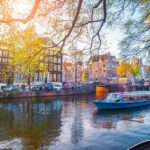
Amsterdam changes when the canals meet the red lights. I love how this canal-belt city tour keeps things relaxed and beautiful, with photo stops at landmarks like Dam Square and the Royal Palace. I also love the insider tips angle in the Red Light District portion, where the guide explains how the work actually functions day to day instead of keeping it vague.
One possible drawback: the Red Light District section is frank about sex work—interesting and factual, but not exactly light conversation if you want purely scenic sightseeing.
In This Review
- Key Highlights You’ll Actually Feel
- A 2-hour intro that blends canal beauty with Red Light District reality
- Choosing English vs German: it’s a real decision, not a checkbox
- From Dam Square to the Royal Palace: getting your bearings in the right order
- Beurs van Berlage and the Dancing Houses: where architecture teaches attitude
- Centraal Station, Chinatown, and a coffeeshop photo stop: the city’s mixed soundtrack
- Nieuwe Markt Square to the Red Light District: the story changes tone
- Inside Amsterdam’s Red Light District: routines, costs, and control mechanisms
- Ending at De Waag: what to do right after the walk
- Price and logistics: what you get for $271 per group up to 4
- Who this tour fits best
- Should you book Amsterdam: Red Light District & City Tour (German or English)?
- FAQ
- How long is the Amsterdam Red Light District & City Tour?
- Is this tour private?
- What languages are available?
- Where do I meet the guide?
- Where does the tour end?
- Does the tour run in bad weather?
- Is food or drinks included?
- What’s included in the price?
- Is the tour wheelchair accessible?
Key Highlights You’ll Actually Feel
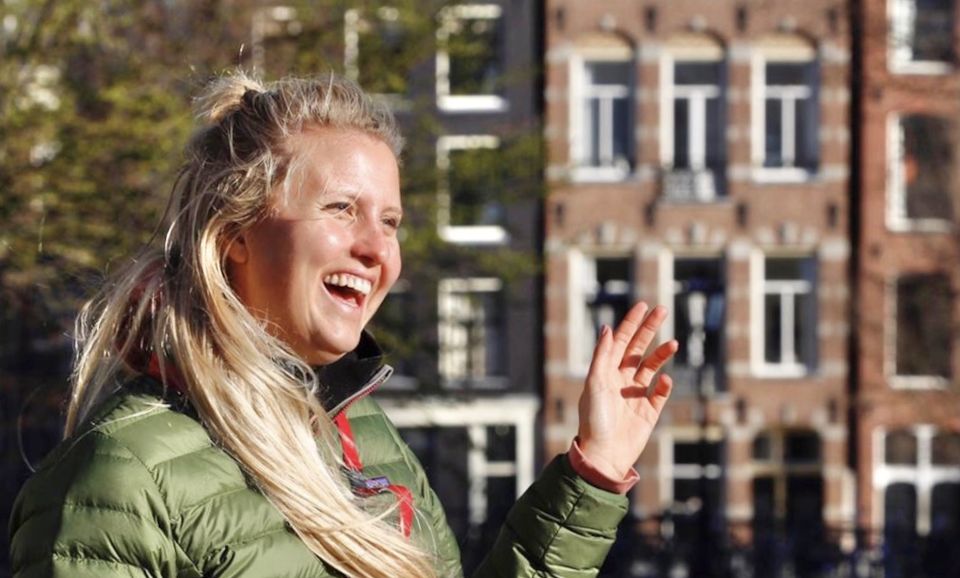
- Private, small-group pacing: you can ask questions and move at a human speed
- Canal-belt photo stops: Dam Square, Royal Palace, Nieuwe Kerk, Oude Kerk, and more
- Architectural pauses: Beurs van Berlage and the Dancing Houses are more than Insta backdrops
- Cross-neighborhood context: Centraal Station, Chinatown, and a coffeeshop stop help the story make sense
- Behind-the-scenes Red Light District briefing: negotiations, costs like room rent and taxation, and safety topics
- Rain or shine touring: you’ll want a coat, not a plan B
A 2-hour intro that blends canal beauty with Red Light District reality
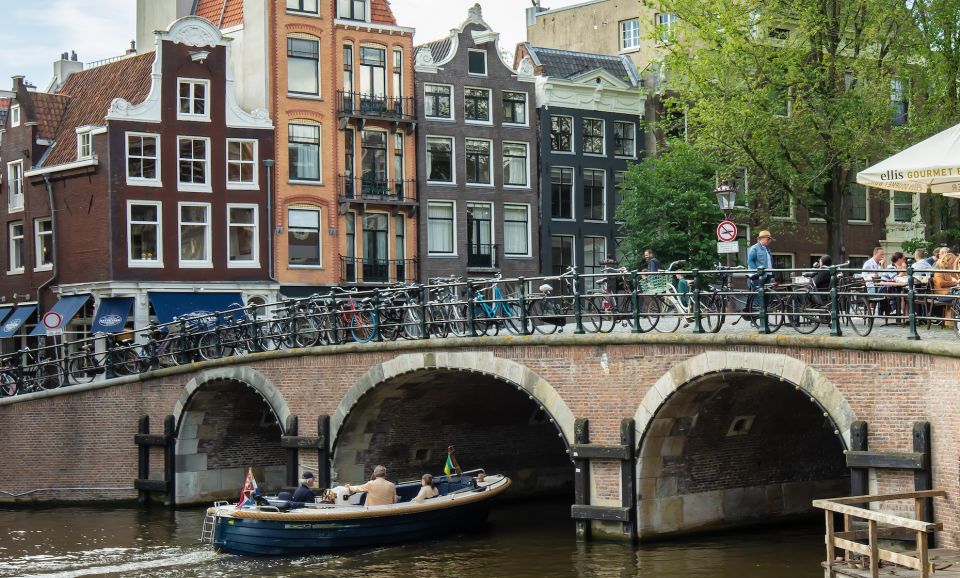
If you’re trying to understand Amsterdam fast, this tour is built for that. You get the classic center—squares, churches, and canal-house views—then you walk into a neighborhood that many visitors only treat like a rumor. The balance is what makes it work: sightseeing first, explanation second, and then you’re out before you feel like you’re trapped in one theme.
Timing matters here. Two hours is short enough that you won’t lose the plot, but long enough to connect the dots between old city life, today’s multicultural vibe, and the way sex work has been shaped by local rules. That’s the value for me: you’re not just looking at places, you’re learning what holds them together.
Now, about the price. It’s listed as $271 per group up to 4. That’s the big win if you travel with friends or family—share it and it becomes closer to a low-cost “private guide” feel rather than a solo-price excursion. And there’s a city tax included (listed as 1.50 per passenger), which prevents surprise add-ons later.
You can also read our reviews of more city tours in Amsterdam


Choosing English vs German: it’s a real decision, not a checkbox
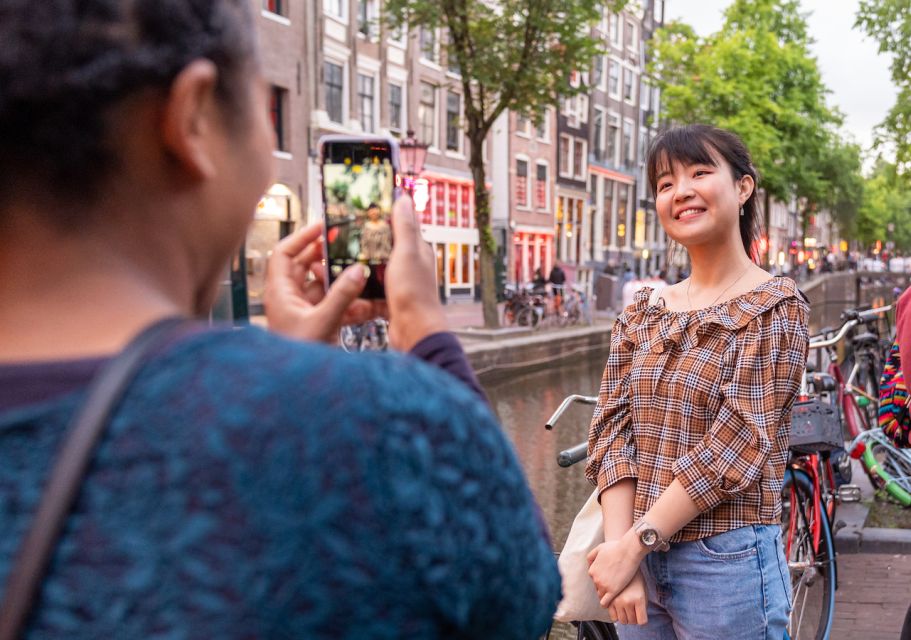
This tour is not bilingual. You’ll pick the language option in advance, and your guide will speak only that language during the walk. That’s smart, because it keeps the explanations clear and prevents the awkward, half-translated style that can make history lessons feel thin.
In the past, people have praised highly engaged German-guiding experiences—names like Shari and Chantal show up in the kind of feedback that points to strong storytelling. So if German is your comfort language, you’ll likely enjoy the confidence and rhythm. If English is your best bet, you’ll still get the same structure, just with a different delivery.
From Dam Square to the Royal Palace: getting your bearings in the right order

Most first-time Amsterdam walks start with the obvious places. This one does too, but it does them in a practical sequence that helps you orient your brain.
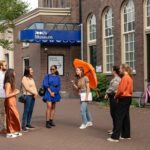
You begin at one of the Dam area options, depending on what you book. The commonly used meeting points are around Dam Square / the National Monument on Dam 3—right in the heart of the city center. From there you’ll spend time at:
- Dam Square: a short photo stop and guided context. Dam Square is the launchpad for Amsterdam’s political and cultural identity, so it sets the tone quickly.
- Royal Palace, Amsterdam: another photo stop with a guide-led explanation, which helps you understand why it matters beyond its looks.
- Nieuwe Kerk: a brief but useful stop that adds depth to the religious and civic layers of the city.
- Oude Kerk: the kind of church you can’t fully appreciate without someone pointing out what makes it historically significant.
What I like about these stops is that you’re not stuck in one spot. You’re moving through small streets with constant visual input—canals, facades, and street-level city life—so the history lands faster than if you only read plaques.
Possible drawback: the early part is compact. If you’re the type who wants long, slow time for photos, you might feel the pace is quick. But for an intro tour, that speed is usually a feature, not a bug.
Beurs van Berlage and the Dancing Houses: where architecture teaches attitude
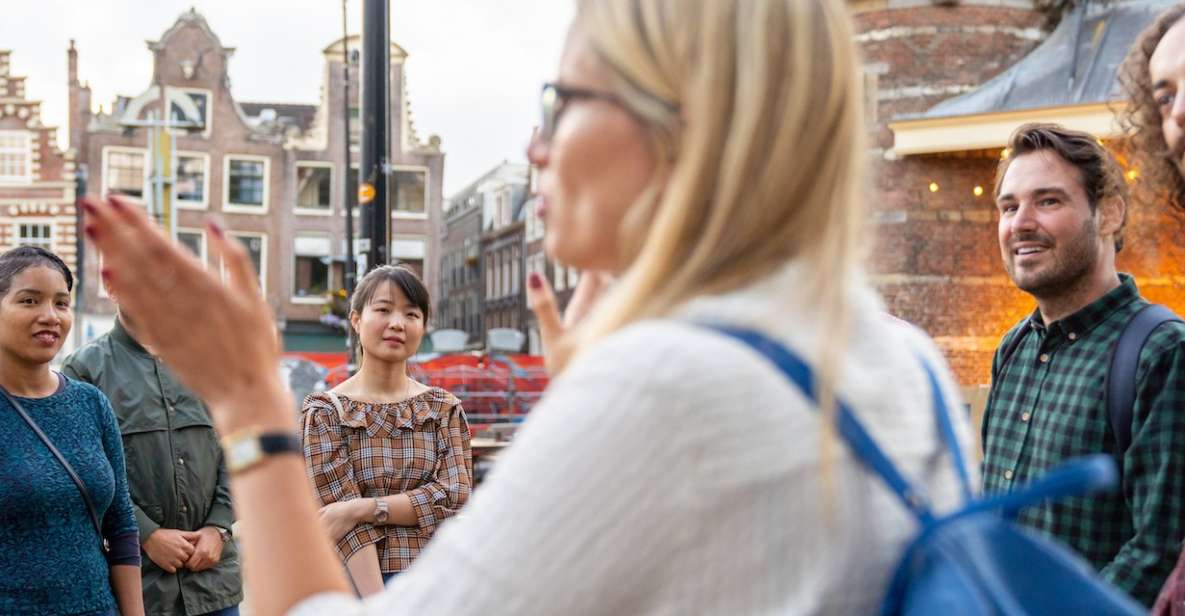
After you leave the church-and-palace zone, the tour leans into Amsterdam’s visual personality. This is where the city stops being a backdrop and starts becoming a character.
Two highlights in this stretch are:
- Beurs van Berlage: you’ll get a photo stop plus guided explanation. Even if you don’t know architectural terms, you’ll understand what made it important and why it fits Amsterdam’s identity.
- Dancing Houses: these are the kind of buildings you either spot and move on from, or you stop because they seem to misbehave. With a guide, they become a story about design, planning, and the odd genius you’ll keep seeing in Amsterdam.
If you like your history with visual proof, this part delivers. Amsterdam architecture often looks playful, but it’s usually built on serious planning and strong money at some point in time. Your guide ties the vibe to the why.
Centraal Station, Chinatown, and a coffeeshop photo stop: the city’s mixed soundtrack
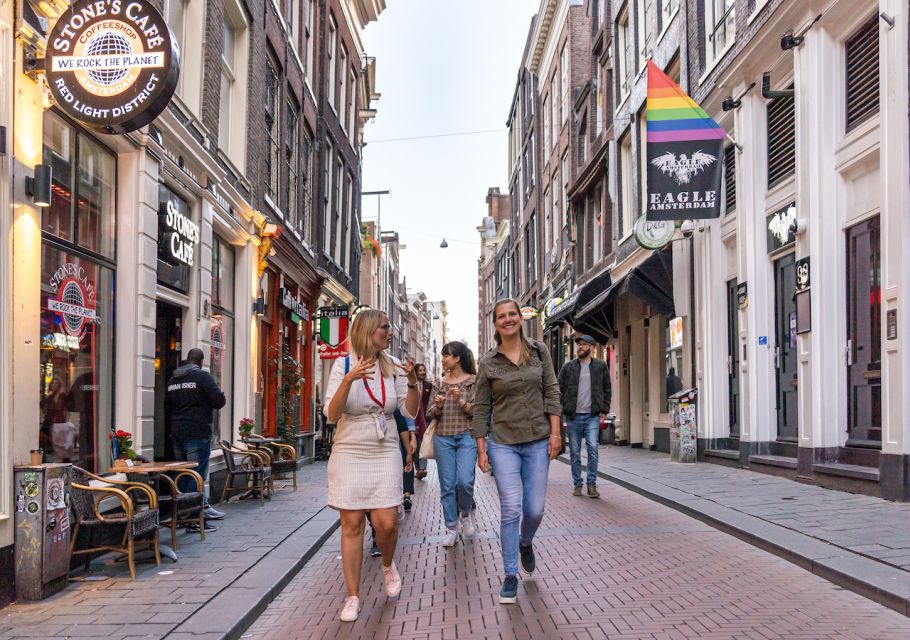
Then you shift to a more everyday Amsterdam mash-up.
You’ll hit:
- Centraal Station: a photo stop with short guided notes. It’s not just a transport hub—it’s one of those places that signals Amsterdam’s place in the world.
- Amsterdam Chinatown: guided tour time that helps you understand why this area exists and what it adds to the city’s cultural mix.
- Coffeeshop The Jolly Joker: another photo stop, with guidance included.
Two practical points for you here. First, the walking is real. You’re covering ground across neighborhoods, so wear shoes you can trust. Second, these stops give you a broader sense of Amsterdam beyond the canal-postcard view.
One caution: a coffeeshop is part of the visual itinerary, but it’s still just a photo stop in the tour format. If you’re hoping for a long hangout, this isn’t that kind of experience. It’s more about context and location.


Nieuwe Markt Square to the Red Light District: the story changes tone
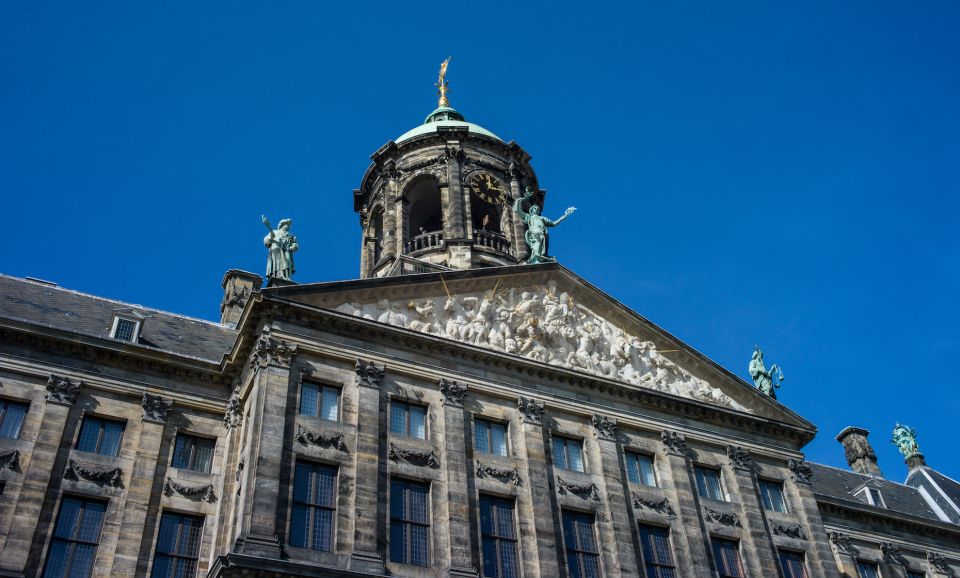
As you approach the Red Light District area, the guide’s role becomes more important. Amsterdam can feel calm and tolerant in one breath—then the city’s complicated reality shows up in another.
You’ll take Nieuwmarkt Square with guided time and a photo stop. That helps because it marks a transition zone: you’re moving from the classic tourist center toward the neighborhood that developed under different pressures and rules.
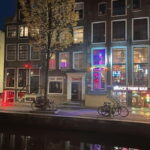
Then comes Amsterdam Red Light District with guided time, typically around 10 minutes in the walk rhythm. You’ll see what you came to see, but the value is how you see it. The guide doesn’t just point at windows; the explanation centers on how the neighborhood works as a system.
A useful expectation-setting point: you’ll hear about negotiations between punters and prostitutes, and you’ll get talk about income and expenses. That includes room rent and taxation, plus the topic of women’s safety. This is not gossip-style storytelling. It’s a structured attempt to explain the mechanics and the constraints.
Inside Amsterdam’s Red Light District: routines, costs, and control mechanisms
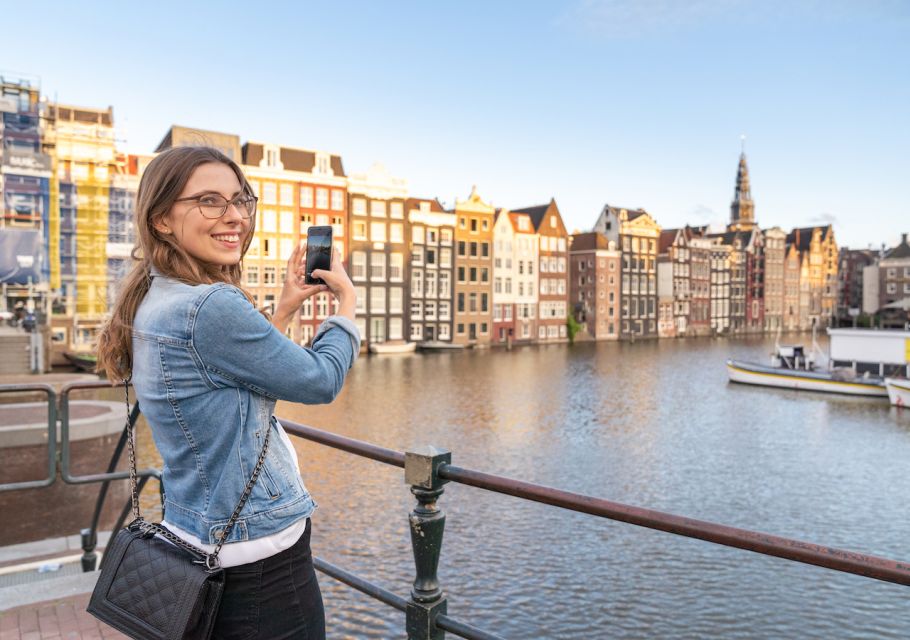
This is the heart of why this tour is worth considering. Many tours treat the Red Light District as a spectacle. This one tries to make it understandable.
Here’s the kind of information you can expect your guide to talk through:
- how sex work is organized in a neighborhood that grew over time
- the basics of daily work routines and how the financial side works
- the interplay of negotiation dynamics between clients and workers
- the role of costs like room rent
- how taxation is discussed as part of the broader system
- safety considerations for women working in the area
- neighborhood-level control mechanisms and the structures around sex work
I like that the tour doesn’t stop at windows. It asks you to think about systems: rules, money, safety, and power. You’ll also hear enough framing that you can walk away with your own opinion rather than a forced one.
And yes, the topic is sensitive. If you’re easily shocked, this might feel uncomfortable. If you’re curious and you want your trip to include the parts of Amsterdam people avoid discussing in polite conversation, this is exactly the kind of guided context you’ll appreciate.
Ending at De Waag: what to do right after the walk
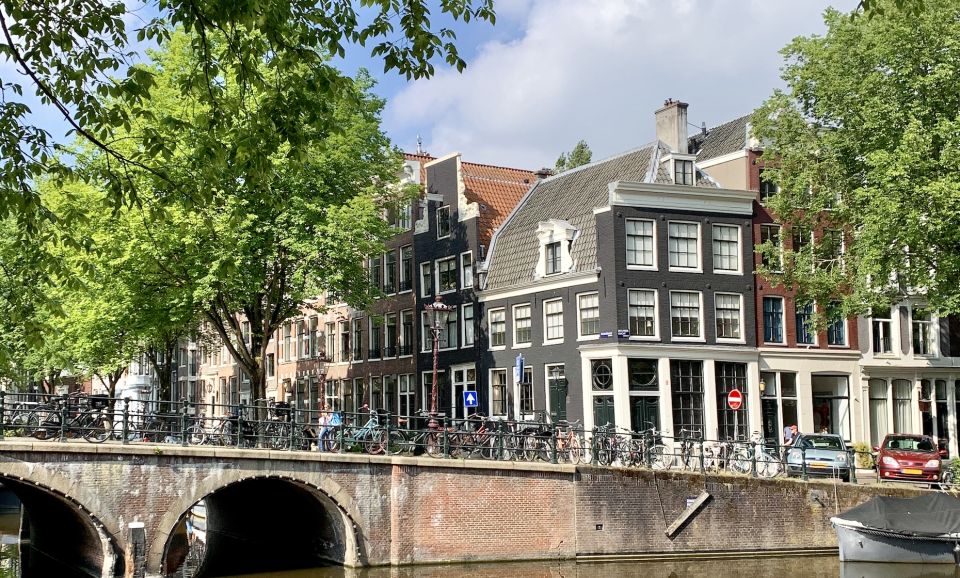
The tour finishes at De Waag, which is a smart endpoint. It puts you back in a central, walkable area where it’s easy to keep exploring on your own.
This is also where the guide’s “what to do next” tips matter. The tour format includes pointers for your additional stay, including which areas you might want to explore by bike and where to find culinary options. Amsterdam by bike can be amazing, but you’ll have a better experience if someone helps you pick sensible starting zones.
Practical tip: after a tour like this, your brain needs decompression. Plan a calm next step—coffee, a canal-side walk, or a museum hour—before you jump into busy nightlife.
Price and logistics: what you get for $271 per group up to 4
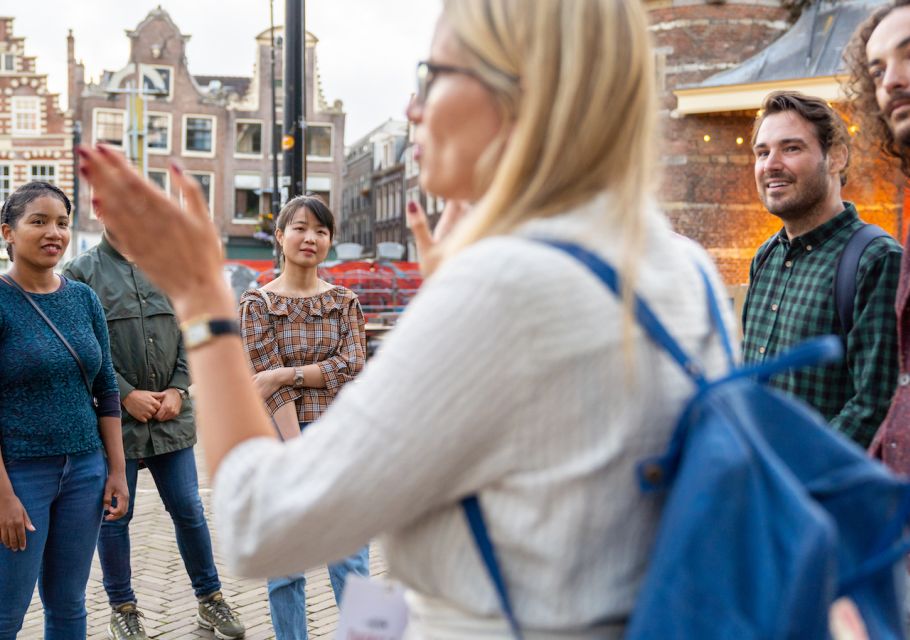
Let’s translate the numbers into real value.
You’re paying $271 per group up to 4, for a 2-hour guided walking tour. That means:
- If you travel as a pair, the cost per person is still reasonable for a private guide.
- If you travel as four, it starts to look like a bargain compared to paying guide prices for individual tours.
The tour includes a licensed, experienced guide, and the 1.50 city tax per passenger is included in the listed pricing. Food and drinks are not included, and gratuities aren’t included either, so you’ll want to budget for whatever you want to eat afterward.
You should also know the tour takes place rain or shine. That’s both good and honest. Amsterdam weather can change fast, so bring a coat and expect wet pavement.
Lastly: it’s wheelchair accessible. Walking tours can still feel long depending on the route and your pace, but it’s a positive signal that the operator is planning for accessibility.
Who this tour fits best
This tour is a strong match if you want:
- a fast introduction to Amsterdam’s canal center
- a guided explanation of the Red Light District that focuses on how the neighborhood functions
- a small-group/private format where you can ask questions
- clear photo-stop pacing at major landmarks without getting stuck in museums all day
If you want a purely family-friendly, PG-only Amsterdam day, you may not enjoy the Red Light District component. But if you’re an adult traveler who wants the real city—plus the postcard stuff—you’ll likely appreciate how the tour stitches it together in one walk.
Should you book Amsterdam: Red Light District & City Tour (German or English)?
I’d book it if you’re the type who likes your travel with context, not just sights. The best reason is the mix: you start with the classic center—Dam Square, Royal Palace, churches, and architectural stops—then you get guided, structured explanation in the Red Light District instead of vague or sensational storytelling.
Skip it if your priorities are only scenery or only light entertainment. The Red Light District portion includes frank details about how work is organized, and it’s still a walking tour with real urban atmosphere.
If you do book, pick the language you’ll understand best. And bring comfortable shoes. Amsterdam is beautiful, but it’s also a lot of steps.
FAQ
How long is the Amsterdam Red Light District & City Tour?
The tour lasts 2 hours.
Is this tour private?
Yes, it’s listed as a private group experience (up to 4 people per group).
What languages are available?
The tour is available in English or German. It is not bilingual, so you choose one option.
Where do I meet the guide?
The meeting point may vary depending on the option booked, with a common start near National Monument on Dam 3 / Dam Square.
Where does the tour end?
The tour ends at De Waag.
Does the tour run in bad weather?
Yes, the tour takes place rain or shine.
Is food or drinks included?
No. Food and drinks are not included.
What’s included in the price?
Included items are a licensed tour guide and the city tax listed as 1.50 per passenger.
Is the tour wheelchair accessible?
Yes, it is listed as wheelchair accessible.