REVIEW · AMSTERDAM
Amsterdam: Oude Kerk Entry Ticket
Book on GetYourGuide →Operated by Oude Kerk Amsterdam · Bookable on GetYourGuide
700 years fit in one church.
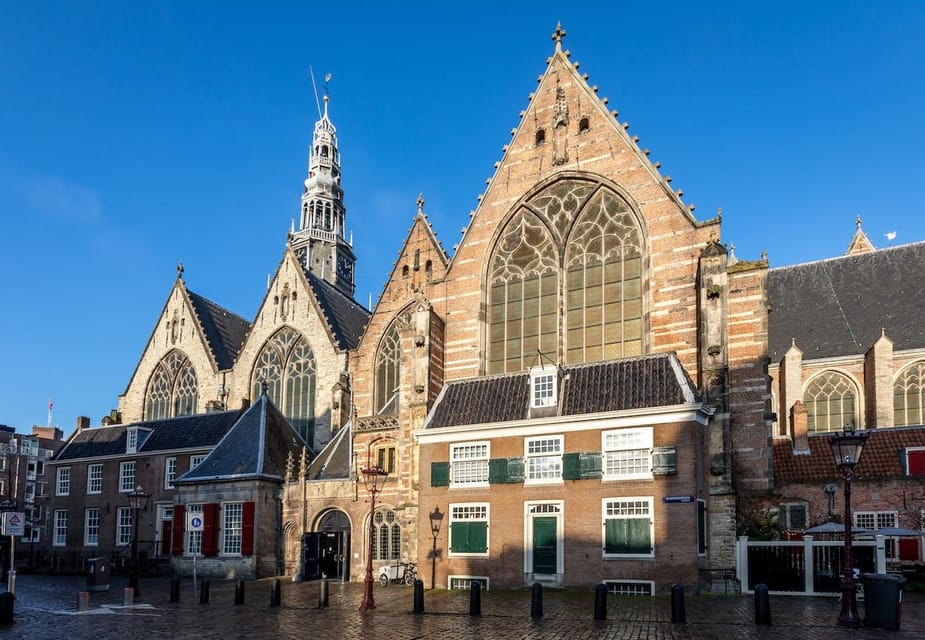
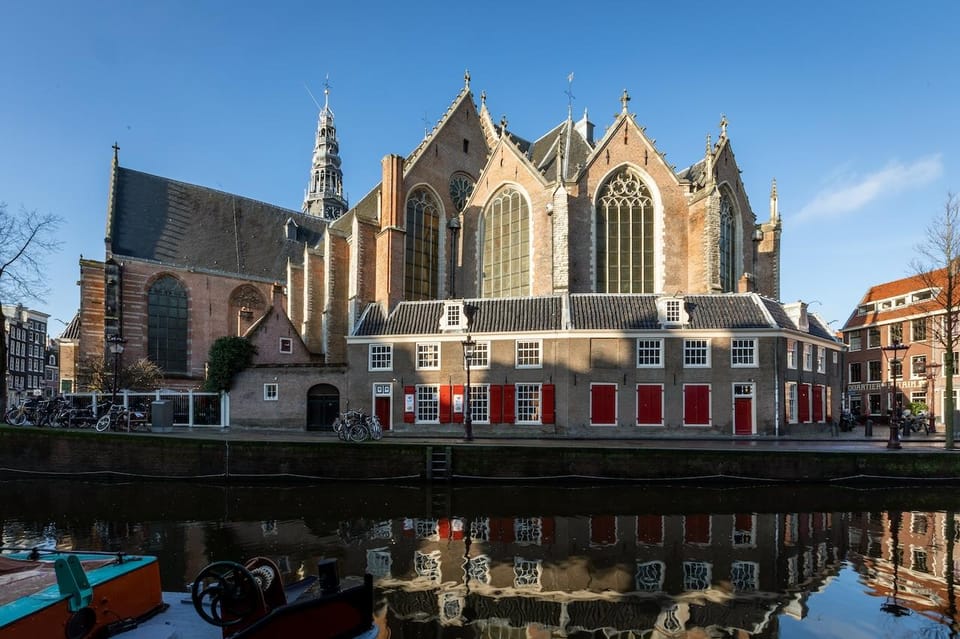
That’s the feeling you get at Oude Kerk, Amsterdam’s oldest building, where centuries of religious and civic life share space with rotating contemporary art. I like how the church tells stories you can read with your feet—wooden chapel origins around 1250, then a hall church by about 1570—while the art program keeps those old walls from feeling museum-still. I also like the practical audioguide, offered in several major languages, so you’re not stuck guessing what you’re looking at. One possible drawback: the atmosphere can feel intense, especially when sound and exhibitions lean dark for certain installations.
If you’re in the historic city centre, this is an easy “one-stop” add-on that still feels special. You’re not just walking through a church—you’re stepping into a place that has long served as a social meeting point (trade, concerts, even paperwork for weddings) and now hosts artists and musicians working specifically for this building. Plan it as part of a day of sightseeing, with a calm break nearby at the Koffieschenkerij in the church’s annexe if you want coffee and cake before heading back out.
In This Review
- Key things you’ll notice right away
- Amsterdam’s Oude Kerk: a church that also served daily life
- Rotating contemporary art inside centuries-old walls
- The Iron Chapel and the people whose names are still here
- Using the audioguide: the fastest way to get meaning
- Music series Silence, Monuments and the role of sound
- Tower views: worth a check if access is available
- Taking a break in the church’s annexe (Koffieschenkerij)
- Price and value: what you really get for about $16
- Who should book this, and who should think twice
- FAQ
- FAQ
- What is the Oude Kerk entry ticket for?
- How long is the experience?
- What’s included with the ticket?
- What languages are available for the audioguide?
- Is food or drinks included?
- Is a guide included?
- Is the Oude Kerk wheelchair accessible?
- Does the ticket cover contemporary art?
- Is the experience only in one language or one country style?
- What should I know about cancellation and payment timing?
- Should you book this Oude Kerk ticket?
Key things you’ll notice right away
- Old church, living program: Contemporary artists and musicians create works for the Oude Kerk space, not a generic gallery setup.
- You’re surrounded by change: The building’s evolution from about 1250 to a much larger hall church around 1570 is part of the experience.
- Small details matter: The church has long functioned as a civic hub, from city papers stored in the Iron Chapel to marriage certificates.
- Art + sound can get serious: Some programming can feel eerie or heavy in mood, depending on the current exhibition.
- Final resting places: You can see the final resting places of many renowned Amsterdammers.
- Audioguide keeps it on track: Pick your language and let the guide help you connect the art to the older setting.
Amsterdam’s Oude Kerk: a church that also served daily life
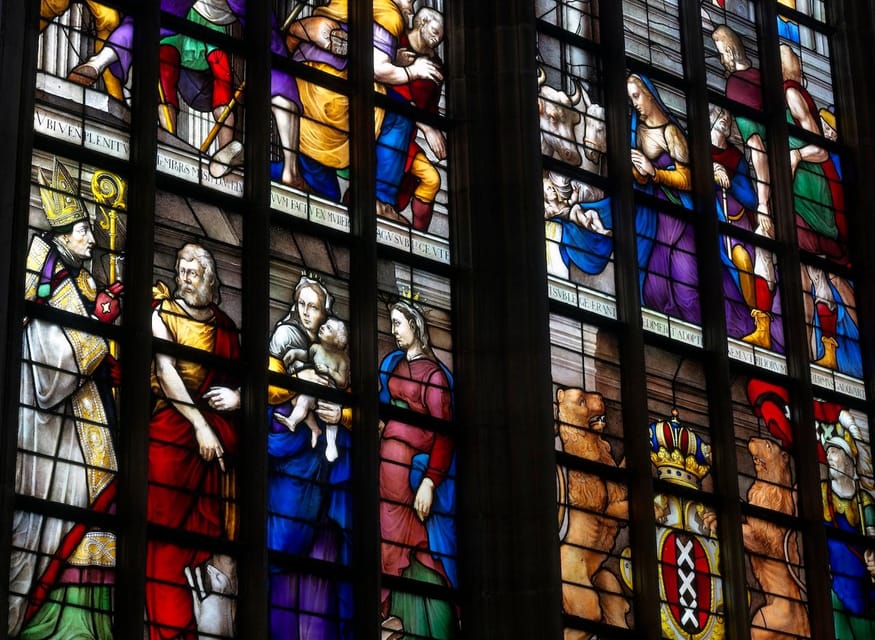
Oude Kerk isn’t just an old landmark. It’s old and useful, in the way real community places stay useful. Even before you get to the contemporary art, the space makes a point: this has been a social room for Amsterdam, not only a religious one.
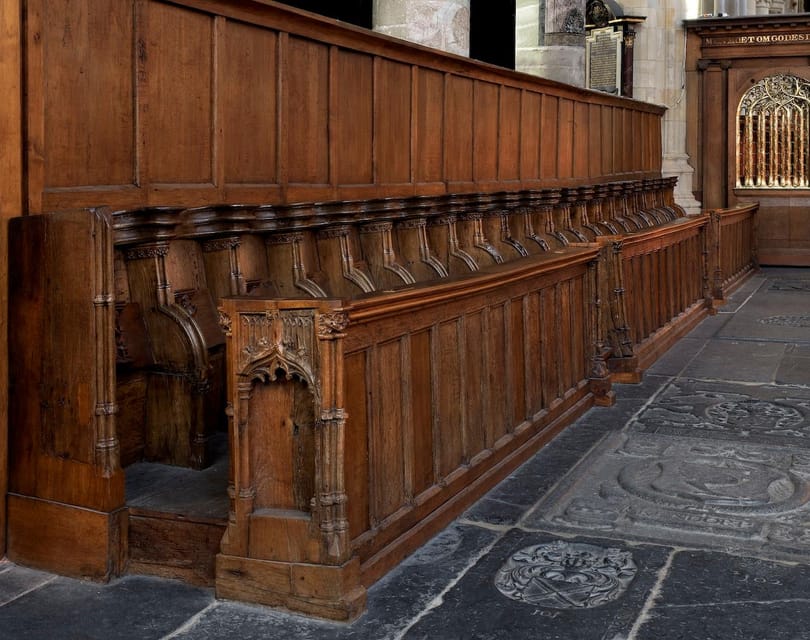
The building story alone is worth your time. You’re walking through a church that grew from a small wooden chapel (around 1250) into a hall church (around 1570). That shift matters because it changes the feeling of the interior—more space, more room for gatherings, and more room for art and performances today. It’s the kind of architecture that doesn’t politely separate past and present. The present is literally inside the older bones.
Then there’s the civic angle. Oude Kerk was a place for people to show up for more than worship: fishermen were said to mend nets and sails there, important city papers were kept in the Iron Chapel, and couples signed marriage certificates in the church. That means when you stand in the main hall, you’re not just imagining history—you’re in the same setting that once held practical, everyday moments.
You can also read our reviews of more tours and experiences in Amsterdam


Rotating contemporary art inside centuries-old walls
The heart of this ticket experience is the way the contemporary art exhibitions use the church as a real partner. The program invites artists to create new works exclusively for this location, so you’re not looking at art that was made elsewhere and “installed” here. The intention is that the art and the architecture talk to each other—past, present, and future in the same breath.
A helpful way to approach this: don’t try to force the art to match the church’s original purpose. Instead, treat it like a conversation. You’ll likely notice that some installations fit the space quietly, while others contrast with the historic setting. That contrast can be powerful, because it forces you to look at familiar features—like the height, the stone, the sense of enclosure—as something other than a backdrop.
This is also why rotating exhibitions work here. Every time you revisit (or if you catch it once during your trip), you get a different lens on the same structure. The art program is tied into a wider public schedule, including music events like Silence, Monuments, plus performances, guided tours, and artist talks.
One small reality check: since the ticket is for the church and exhibitions, your experience will depend on what’s on during your entry time. If you love contemporary art, that’s a plus. If you get uncomfortable with darker moods, keep reading—there’s a consideration section later.
The Iron Chapel and the people whose names are still here
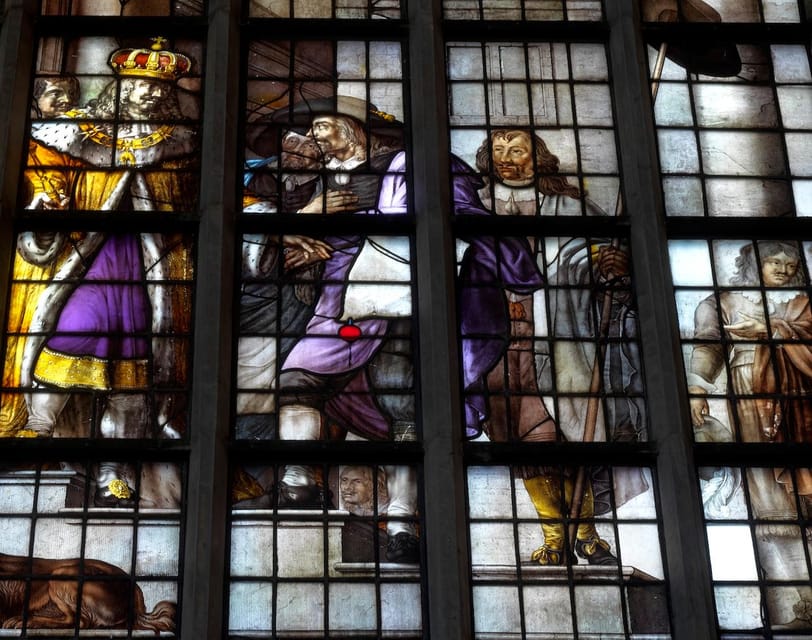
A lot of churches become famous for the building. Oude Kerk is famous for the people. The highlights call out the final resting place of many renowned Amsterdammers, and that’s a big part of what you should look for when you’re inside.
Even without turning it into a historical scavenger hunt, you can feel what this means: people didn’t treat this place as a vague monument. They treated it as a serious location for life events. The church’s long civic role connects the building to personal stories—marriages signed there, papers kept there, and working people using the space in practical ways.
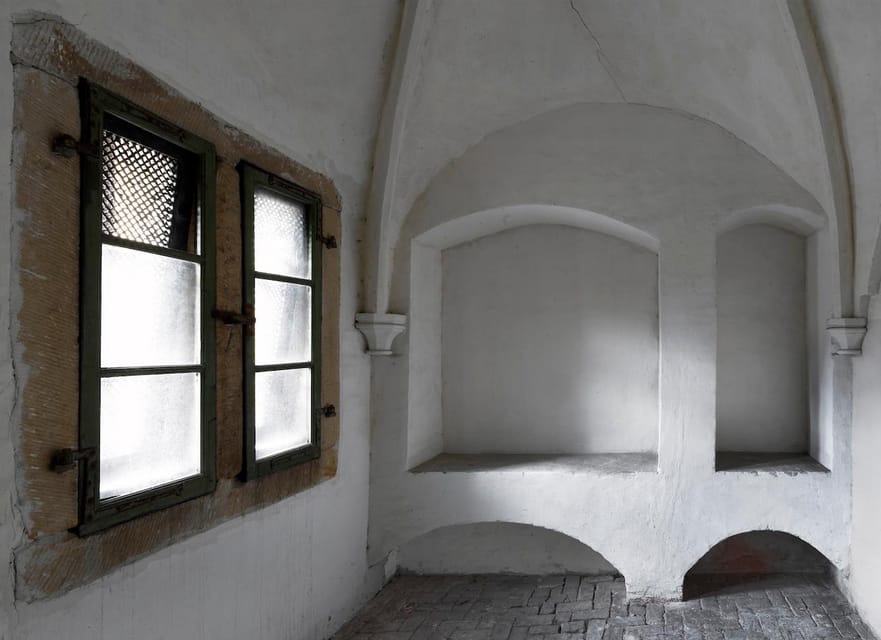
Then there’s the Iron Chapel detail. City papers stored in the Iron Chapel tells you something about how this space functioned when Amsterdam was growing and changing. It’s a reminder that the church wasn’t only spiritual infrastructure; it was also administrative infrastructure. When you see areas connected to that history, it adds weight to the contemporary works you’ll view afterward. The art starts to feel less like a random add-on and more like the latest chapter in a building that has always been used for public life.
Using the audioguide: the fastest way to get meaning
Included with your entry is an audioguide in Dutch, English, German, French, Spanish, or Italian. Even if you’re a strong “walk and look” person, I recommend using it. Not because you’ll need every detail, but because the audioguide helps you connect what you see: the old building fabric, the current exhibitions, and the idea that the art is meant to respond to the space.
A simple strategy works well:
- Start with the main flow of the church.
- When you reach an exhibition or artwork that feels confusing, let the audioguide steer you.
- Save any lingering questions for the end, when you can re-look at what you just learned.
If you’re traveling with someone who wants history and someone who prefers art, the audioguide also helps you meet in the middle. Both interests get served, because the guide is set up to connect the two.
Music series Silence, Monuments and the role of sound
Oude Kerk has a music identity in its larger public program. The information you’re given includes a series called Silence, Monuments, and it also notes that performances and guided tours can happen as part of the wider schedule.
Here’s how to use that practically: if your visit date lines up with any music or related event, it can add a lot to the atmosphere. Sound in a stone church doesn’t behave like sound in a modern hall. It can feel heavier, slower, more present. That’s a big part of why one of the experiences people describe can be intense.
And that leads to an honest consideration: one review described the church as having a spooky or frightening feel, with art and music creating a horror-movie-like mood. That doesn’t mean you’ll feel that way, but it’s a useful warning if you’re sensitive to dark, dramatic sound or themed installations.




Tower views: worth a check if access is available
One standout comment from a visitor focused on climbing the tower and enjoying views across Amsterdam. That’s a good reason to pay attention to tower access when you’re there.
Because the basic ticket you have is for entry and exhibitions, don’t assume the tower is always included. Still, when you arrive, look for any on-site signage about tower access hours. If it’s available during your visit, the view payoff can be great—Amsterdam from a height tends to make everything else you saw that day snap into place.
Taking a break in the church’s annexe (Koffieschenkerij)
This is one of those practical details that turns a good visit into a more relaxed one. The Oude Kerk has an annexe area where you can step into the Koffieschenkerij for coffee, teas, lemonade, and cake. There’s also a courtyard garden that’s open daily.
Even if you’re not there for a meal, this kind of pause matters in a city like Amsterdam, where you can spend hours moving from site to site. The courtyard gives you a chance to reset your head before you go back into the church for any final exhibition viewing.
Price and value: what you really get for about $16
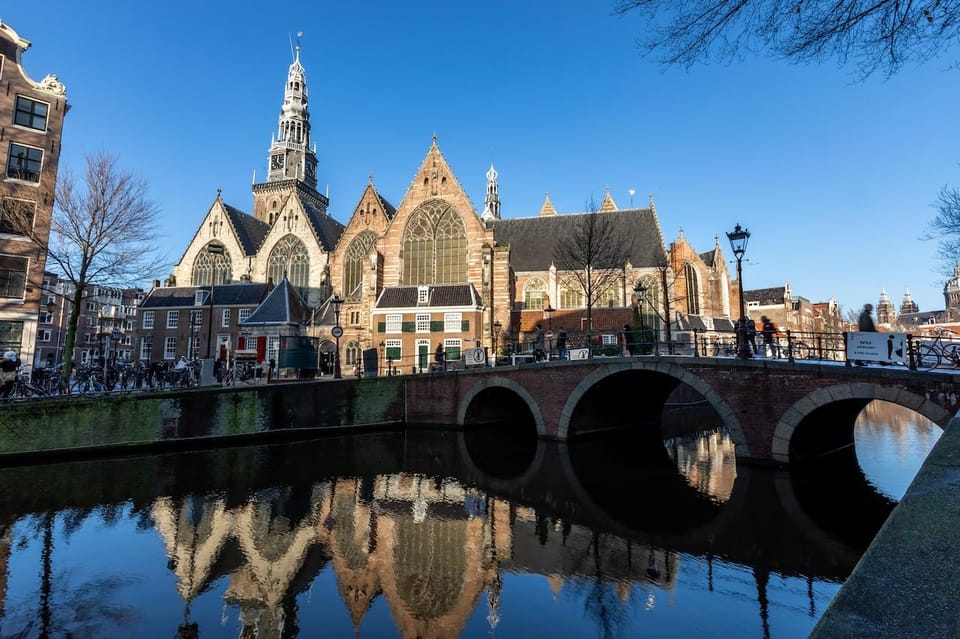
At around $16 per person, this ticket is mostly paying for three things:
- Access to the Oude Kerk and its exhibitions
- Contemporary art presented in a unique setting
- An audioguide in multiple languages
That combo is the value. If you were buying tickets at random museums, you might get art but not the connection to a working historical building. Here, the building is part of the interpretation. The audioguide lowers the friction of doing this independently.
Also, because the contemporary works are created for the location, you’re not just paying for “a church you can photograph.” You’re paying for a living program that uses the space as a creative tool. That’s the difference between ticking off a historic site and actually experiencing something made to happen here.
Who should book this, and who should think twice
This ticket is a strong match if you:
- Love the idea of history + contemporary art in one visit
- Like spaces where sound and atmosphere are part of the experience
- Want a manageable, self-guided stop in Amsterdam’s centre that you can shape to your interests
It’s worth thinking twice if:
- You strongly dislike intense mood, darker sound, or themed installations
- You’re expecting a purely traditional church visit with no contemporary program emphasis
If you’re somewhere in the middle—curious but cautious—go with a flexible mindset. It helps to treat the art like a set of perspectives rather than a “must like everything” situation.
FAQ
FAQ
What is the Oude Kerk entry ticket for?
It’s an entry ticket to the Oude Kerk church and the exhibitions inside.
How long is the experience?
The experience is listed as valid for 1 day.
What’s included with the ticket?
You get entry to the church and exhibitions, plus an audioguide.
What languages are available for the audioguide?
The audioguide is available in Dutch, English, German, French, Spanish, and Italian.
Is food or drinks included?
No. Food and drinks are not included.
Is a guide included?
No. A guide is not included.
Is the Oude Kerk wheelchair accessible?
Yes, it’s listed as wheelchair accessible.
Does the ticket cover contemporary art?
Yes. The church hosts contemporary art exhibitions, and artists create new works for the location.
Is the experience only in one language or one country style?
No. The ticket includes an audioguide in multiple European languages, so you can choose what works for you.
What should I know about cancellation and payment timing?
There is free cancellation up to 24 hours in advance for a full refund, and you can reserve now & pay later.
Should you book this Oude Kerk ticket?
Book it if you want a church visit that feels like more than sightseeing. For me, the best value is the mix: a genuinely old building, contemporary art made for the space, and an audioguide that keeps the meaning clear without forcing a group tour style.
Skip it—or at least go in with eyes open—if you tend to avoid intense sound and darker exhibition moods. One visitor described the atmosphere as spooky, and that’s enough of a caution sign to take seriously if that doesn’t suit you.
If you’re doing a multi-stop day in Amsterdam’s centre, this one is easy to fit in and rewarding to linger over. You’ll leave with the sense that you didn’t just look at history—you stood inside a place that has been part of Amsterdam’s public life for centuries, and is still actively writing new chapters today.