REVIEW · AMSTERDAM
Amsterdam: National Holocaust Museum Entry Ticket
Book on GetYourGuide →Operated by Jewish Cultural Quarter Amsterdam · Bookable on GetYourGuide
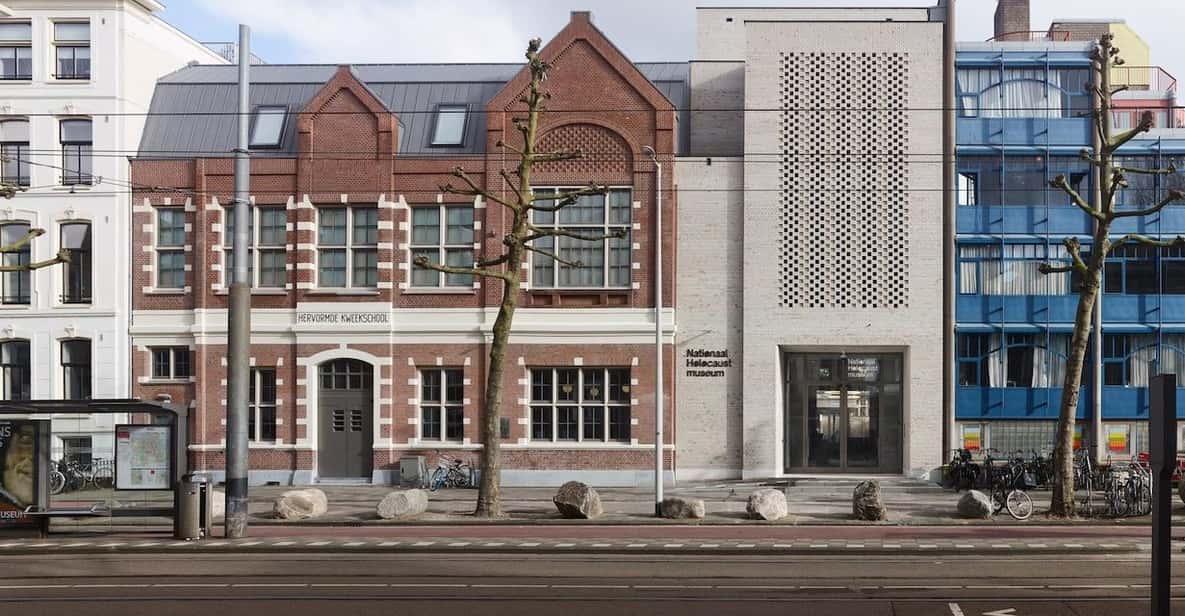
A former school building takes on new meaning. This ticket gets you into the National Holocaust Museum inside the Hervormde Kweekschool, where Jewish children were deported and where Henriëtte Pimentel helped hundreds escape. I really like how the exhibits connect daily life before the war to what persecution looked like in the Netherlands, and I also appreciate the museum’s insistence on showing real, identifiable faces rather than hiding behind statistics. One drawback to plan for: the material can feel like a lot all at once, so you may want more than one visit window or slow pacing.
You’ll move through a story that’s specific to the Netherlands—how Jews and non-Jews lived side by side with the same rights before WWII, how Nazi rule changed everything, and how Dutch society later handled Holocaust memory. If you like thoughtful, clearly arranged museum design, you’ll probably feel grateful for the way the museum builds context step by step. Still, a practical heads-up: reflective glass in some display cases can make certain items harder to see unless you find the right viewing angle.
In This Review
- Key things to know before you go
- Why the Hervormde Kweekschool makes this museum hit harder
- Museum flow: from pre-war daily life to persecution and liberation
- Interactive holograms and audio pacing for heavy topics
- Exhibits that don’t hide behind generalities
- A practical note: reflective glass and viewing limits
- Time planning: how long this takes in real life
- Hollandsche Schouwburg: the second entry that ties the story together
- Price and value: is $24 fair for two admissions?
- Who this ticket is best for (and who should slow down)
- Should you book this Holocaust museum ticket?
- FAQ
- Where is the meeting point for this experience?
- What’s included with this ticket?
- How long is the ticket valid?
- How much does the entry ticket cost?
- Is photography allowed inside the museum?
- Is the museum wheelchair accessible?
- How much time should you plan to spend?
- Are there interactive or audio features?
- What languages is the experience offered in?
- Can I cancel after booking?
Key things to know before you go
- You’re entering the Hervormde Kweekschool, a former school tied to the deportation of Jewish children.
- Henriëtte Pimentel’s story is central, including help for hundreds of children to escape.
- The museum focuses on the Netherlands, including the fact that about three-quarters of Dutch Jews were killed.
- Interactive holograms and an audio guide can help you pace and understand heavy themes.
- The ticket includes a second site: the Hollandsche Schouwburg National Holocaust Memorial.
- Plan half a day or more, because the exhibitions ask for your attention.
Why the Hervormde Kweekschool makes this museum hit harder
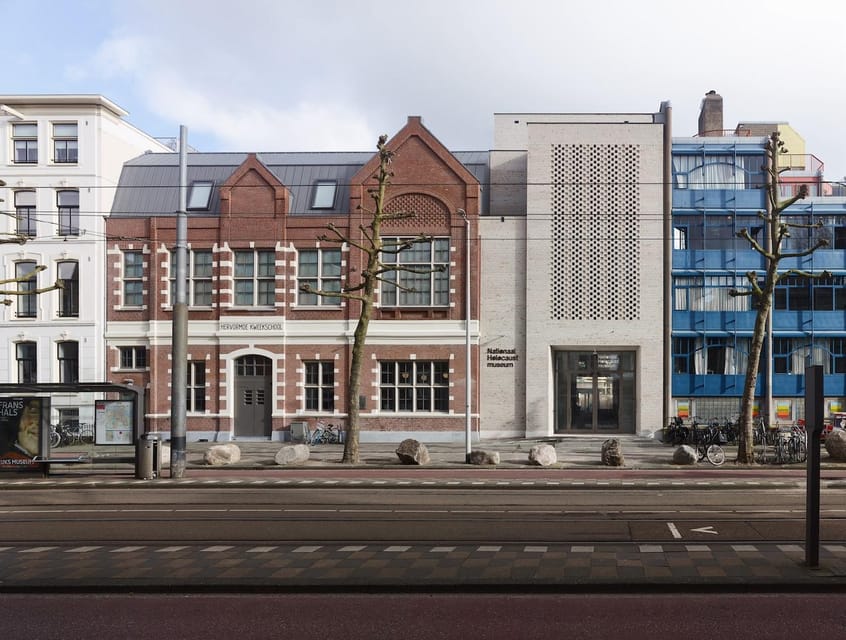
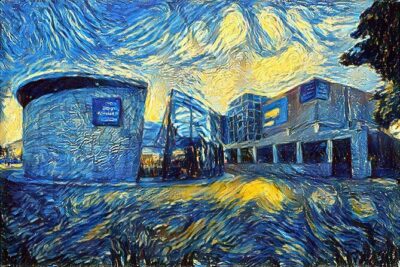
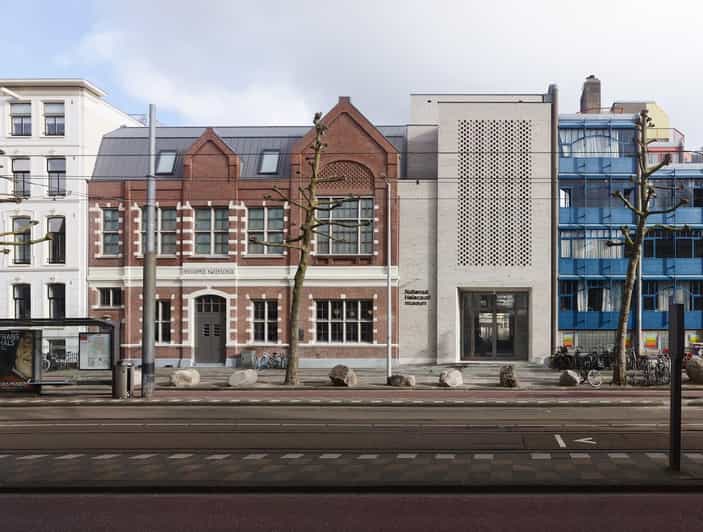
Walking into this museum isn’t like visiting a generic exhibit space. The National Holocaust Museum is housed in the former Hervormde Kweekschool (a school building), and that matters because the building itself connects the past to the present. Here, adjacent childcare facilities were used as a gathering and deportation point for Jewish children, so the walls aren’t just scenery.
I like that the museum doesn’t treat history as distant. It links everyday rhythms—students, teachers, shared spaces—with a system that turned ordinary life into a pipeline of persecution. And that’s where Henriëtte Pimentel’s role becomes especially important: her efforts are tied to the physical reality of the place.
This is also a museum about memory, not just events. You’ll see how the Holocaust was handled within Dutch national memory culture, which helps you understand how societies process trauma over time rather than only documenting what happened during the occupation.
You can also read our reviews of more tours and experiences in Amsterdam



Museum flow: from pre-war daily life to persecution and liberation
The experience is structured like a clear timeline, but it isn’t a cold lecture. You’ll start with how Jews and non-Jews lived alongside each other in the Netherlands before WWII, sharing rights and daily routines. Then the story shifts to occupation and persecution—step by step—so you can see how violence was built into systems, not just sudden chaos.
A key section centers on deportations involving Jewish children. The museum explains how the Nazis used the adjacent daycare space in connection with deportation processes, and it highlights escape efforts supported through the Kweekschool network. That combination—perpetrator system on one side, rescue and human decision-making on the other—keeps the subject from feeling purely abstract.
You’ll also encounter the idea of liberation and what liberation meant for Jewish people after years of terror. Even when the tone becomes very heavy, the museum keeps working toward understanding consequences: what was destroyed, what survived, and how people were remembered afterward.
Interactive holograms and audio pacing for heavy topics
You’ll probably notice quickly that this museum offers multiple ways to absorb information, and that’s a big deal here. Some displays are built to be interactive, including holograms where you can ask questions and receive answers. That format can be a relief if you get overwhelmed, because it lets you focus on what you still need to understand.
An audio guide also runs through the museum and helps tie together labels, rooms, and themes. I like that this reduces the pressure to “read everything perfectly” in one go. Instead, you can follow the story at a pace that fits you, then return to details when you’re ready.
One caution: the museum’s subject is intense, and the amount of information can feel like too much in a single session. If you’re the type who wants to process slowly, consider breaking your time into chunks—either using the ticket’s 7-day validity window or simply taking longer in the rooms that hit hardest.
Exhibits that don’t hide behind generalities
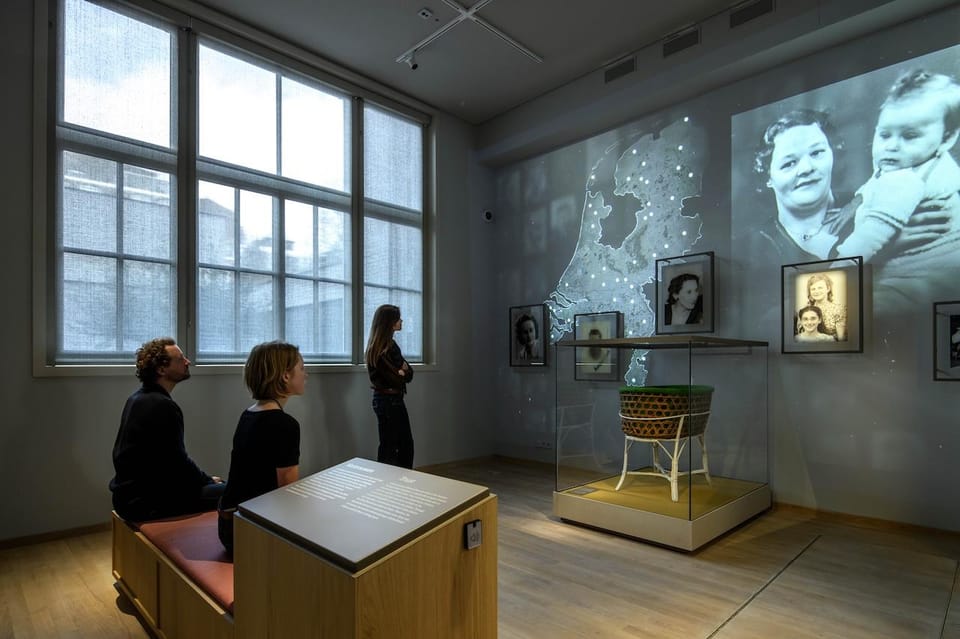
This is one of the museum’s strongest choices: it presents the history unflinchingly and gives victims recognizable faces. For me, that’s what makes the difference between learning facts and understanding what those facts mean. When a museum gives names, images, and personal context, your brain can hold the humanity of the story rather than letting it dissolve into numbers.
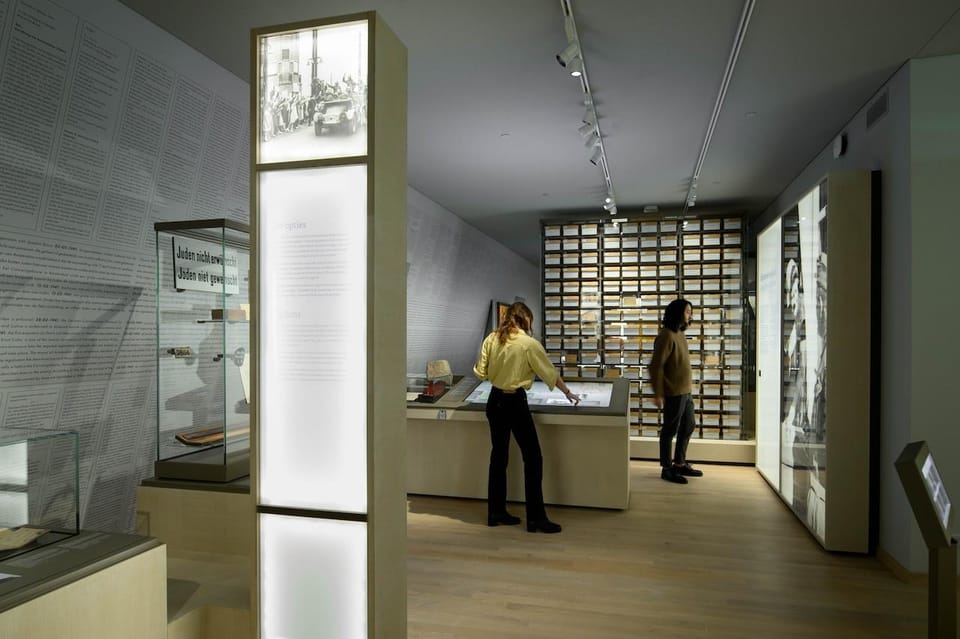
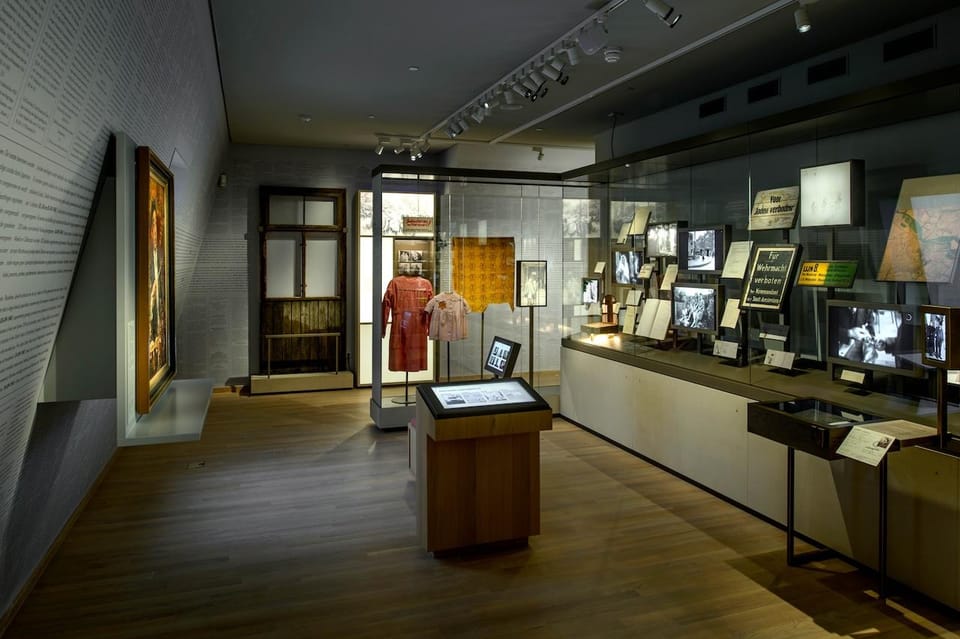
You’ll see artifacts and personal items, including display cases with objects connected to individual lives. Some exhibits can be emotionally intense—suitcases, portraits, and personal documentation—because they place a human face on the machinery of atrocity. It’s the kind of presentation that discourages “distance learning,” and that’s exactly the point.
There’s also an emphasis on how Nazi persecution was carried out through incremental systems. In other words, it isn’t only the violence that’s shown—it’s the method. The museum helps you grasp how bureaucratic steps and state power combined to produce mass murder.
A practical note: reflective glass and viewing limits
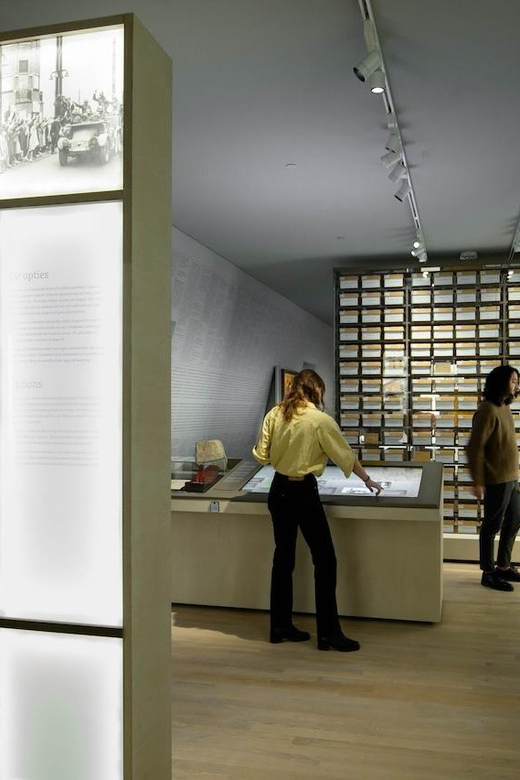
Not everything is perfect in terms of museum ergonomics. Some artifacts are behind glass that reflects light, which can make items harder to see clearly. If you struggle with glare, it helps to change your angle a little and wait for the best light line across the case.
Also, a few exhibit areas may limit who can view certain displays at once. That can mean small waits, or you may have to step aside briefly if someone else is at the best viewing position. It’s not usually a deal-breaker, but it’s worth factoring in if you’re on a tight schedule.
If you’re sensitive to the intensity of the content, these practical frictions can feel bigger than they are. In that case, plan more time than you think you need, and use the museum’s quieter moments to reset.
You can also read our reviews of more museum experiences in Amsterdam




Time planning: how long this takes in real life
Many people find they need longer than they expected. Some visitors recommend dedicating half a day to this museum because there’s so much to see and hear. Others note the information can feel overwhelming, which is a strong sign you should slow down rather than sprint.
If you’re aiming for a workable plan, think in terms of priorities rather than completion. Spend extra time on the sections tied to the building and the role of Henriëtte Pimentel, since those themes connect architecture to lived experience. Then give yourself enough time to sit with the personal faces and artifacts—the parts that can’t be fully understood by skimming.
If you arrive and immediately feel “behind,” don’t panic. Choose one or two rooms to go deep on, then come back to the rest later within your 7-day validity window if you can.
Hollandsche Schouwburg: the second entry that ties the story together
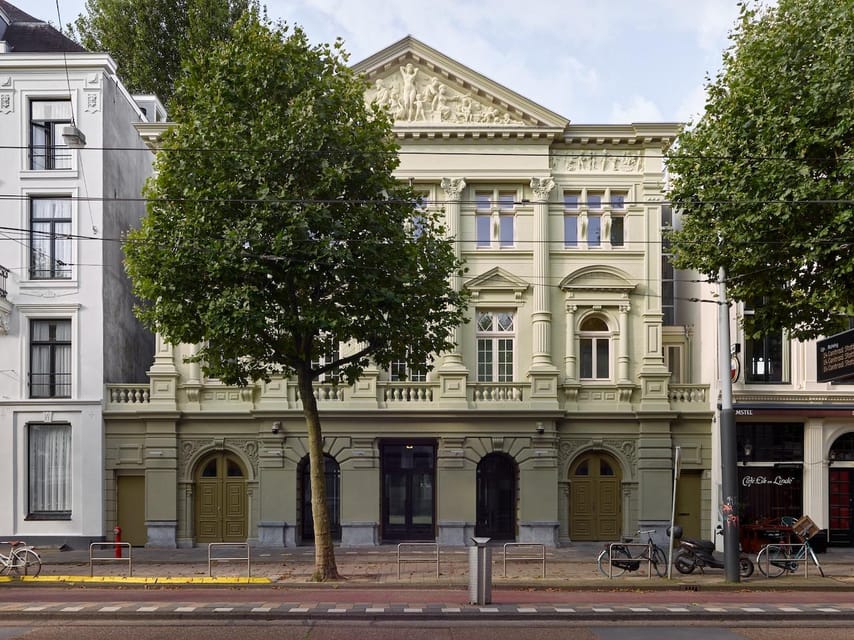
Your ticket also includes entry to the Hollandsche Schouwburg National Holocaust Memorial. That second stop is valuable because it reinforces the story with another historical anchor point. Instead of treating the Holocaust as one museum-room event, you can connect multiple places to understand how the persecution played out across the Netherlands.
Because this is a separate location, you’ll want to treat it as its own segment of time, not just a quick add-on. I suggest planning your day so you’re not exhausted by the time you reach the memorial. The emotional weight builds, and you’ll get more out of it if you still have attention left for reflection and context.
Price and value: is $24 fair for two admissions?
At $24 per person, this ticket isn’t trying to be cheap, but it also isn’t priced like a high-end guided tour. The value comes from what you’re getting: admission to the National Holocaust Museum and included entry to the Hollandsche Schouwburg Memorial.
That matters because museums with this kind of historical focus depend on conservation, curation, and staff support. If you’re the kind of visitor who likes to understand the Netherlands-specific story rather than only seeing generic WWII history, the price-to-content ratio can feel fair.
One more value factor: the museum supports different learning modes—text, audio, and interactive elements like holograms. That can reduce the chance you’ll leave feeling like you didn’t fully “get it,” even if your first pass feels emotionally heavy.
Who this ticket is best for (and who should slow down)
This is a good fit if you want a Netherlands-centered Holocaust experience, built around real places and personal stories. If you care about how memory culture works—how a country remembers—you’ll likely appreciate the museum’s framing of Dutch national remembrance.
It’s also good if you prefer self-paced museum time. People mention being able to take their time rather than rushing through as part of a group schedule. That pacing is important here, because you’ll need moments to absorb and moments to move on.
This ticket may feel intense for anyone who wants a lighter, entertainment-style Amsterdam day. If you’re visiting with children, the experience can still work—especially because interactive elements help engagement—but it’s wise to be prepared for emotion and for breaks.
Should you book this Holocaust museum ticket?
If you’re visiting Amsterdam and you’re even a little serious about understanding WWII from a grounded, Netherlands-specific perspective, I’d book it. This isn’t just about learning what happened—it’s about seeing how persecution connected to real buildings, real people, and real Dutch memory.
Book it if you:
- want a museum that clearly links daily life, persecution, and liberation
- care about human faces and personal accounts, not only statistics
- value multiple ways to learn, like audio and interactive holograms
Skip or reconsider if:
- you’re trying to do too much in one day and you know you’ll rush
- you prefer short, low-intensity cultural stops
- reflective glass and viewing queues would stress you out
FAQ
Where is the meeting point for this experience?
The meeting point is the National Holocaustmuseum.
What’s included with this ticket?
Your ticket includes entry to the National Holocaust Museum and entry to the Hollandsche Schouwburg National Holocaust Memorial.
How long is the ticket valid?
The ticket is valid for 7 days from the first activation.
How much does the entry ticket cost?
The price is listed at $24 per person.
Is photography allowed inside the museum?
Photography is allowed, but you should be respectful.
Is the museum wheelchair accessible?
Yes, it is wheelchair accessible.
How much time should you plan to spend?
Plan at least half a day if you want time to see and hear a lot without rushing.
Are there interactive or audio features?
There are interactive holograms and an audio guide.
What languages is the experience offered in?
No specific language options are clearly stated in the provided details.
Can I cancel after booking?
Free cancellation is available up to 24 hours in advance for a full refund.