REVIEW · AMSTERDAM
Amsterdam: Museum of the Canals Ticket with Audio Guide
Book on GetYourGuide →Operated by Museum of the Canals / Grachtenmuseum · Bookable on GetYourGuide
Amsterdam’s canals feel like a time machine. This ticket gets you into the Museum of the Canals in a beautiful 17th-century canal house on the Herengracht, where a multimedia setup and audio tour explain why the canal network mattered—and still matters. I especially like how the museum frames Amsterdam’s story around the waterways, not just around buildings.
Two things I like a lot: the setting itself (those classical period rooms help you picture daily life) and the way the canal history links past to the future. One possible drawback: if you’re picky about presentation style, some parts of the experience can feel dated, so don’t expect slick, brand-new production throughout.
In This Review
- Key Highlights to Know Before You Go
- Museum of the Canals: A Canal House Worth Seeing Even Before You Learn Anything
- Your Audio Guide Experience: Calm, Self-Paced, and Multilingual
- The 400-Year Canal Story: What Amsterdam Did With Water
- Multimedia Exhibition: How the Canals Shaped the City
- Inside the 17th-Century Rooms: Why the Setting Matters on Herengracht
- Temporary Exhibitions: Extra Context Without Extra Planning
- Practical Value: Is $22 a Good Deal in Amsterdam?
- How to Plan Your Visit in One Day (Without Feeling Rushed)
- Who This Museum Ticket Is Best For
- A Quick Note on Accessibility and Comfort
- Should You Book the Museum of the Canals Ticket?
- FAQ
- Where is the Museum of the Canals located?
- How much does the Museum of the Canals ticket cost?
- How long should I plan to spend?
- What’s included with the ticket?
- Do I get to visit temporary exhibitions too?
- What languages are available for the audio guide?
- Is there a host or greeter on site?
- Is food and drinks included?
- Is the museum wheelchair accessible?
- What are the cancellation and booking options?
Key Highlights to Know Before You Go
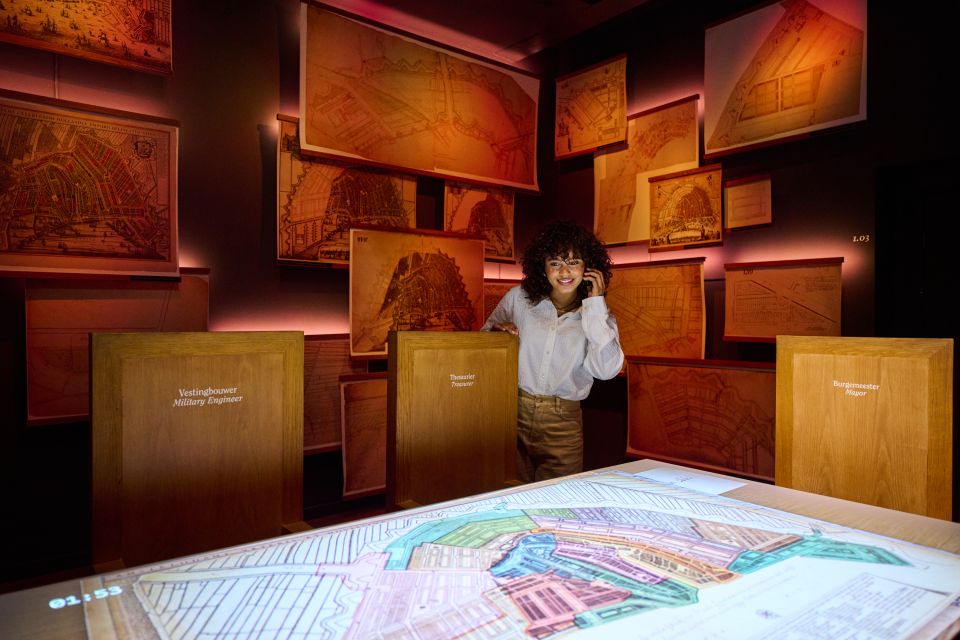
- A 17th-century canal house on Herengracht: You’re not just looking at canal history—you’re standing inside it.
- A canal-focused multimedia exhibition: The museum uses the waterways as the main lens for Amsterdam’s evolution.
- Audio guide in many languages: Dutch, English, German, French, Spanish, Italian, Russian, Japanese, and Chinese.
- Permanent + temporary exhibitions included: You can go beyond the core canal story without paying extra.
- Travel back about 400 years: The museum approach is history-forward, but tied to the city’s present.
Museum of the Canals: A Canal House Worth Seeing Even Before You Learn Anything
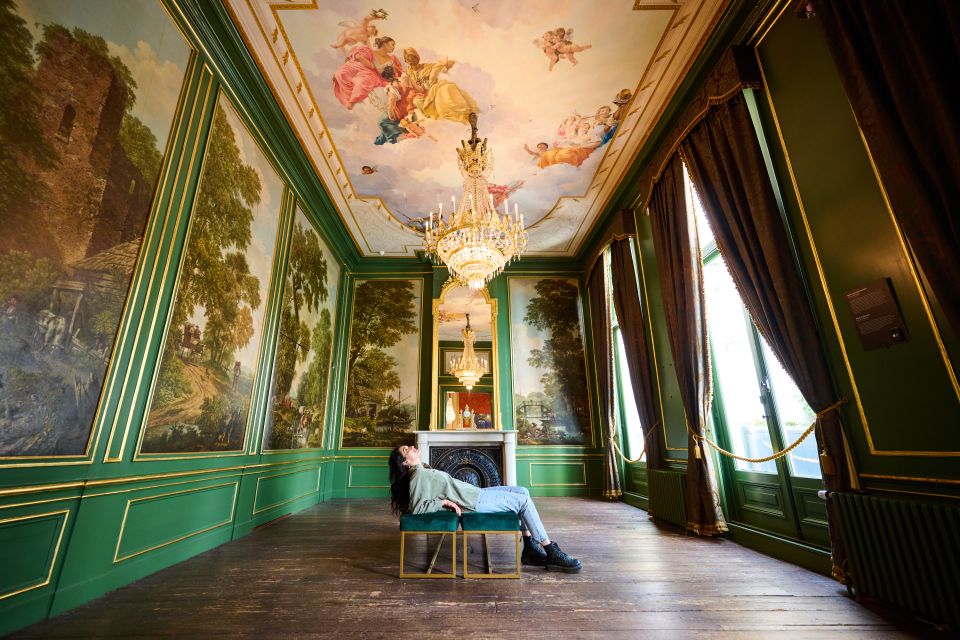
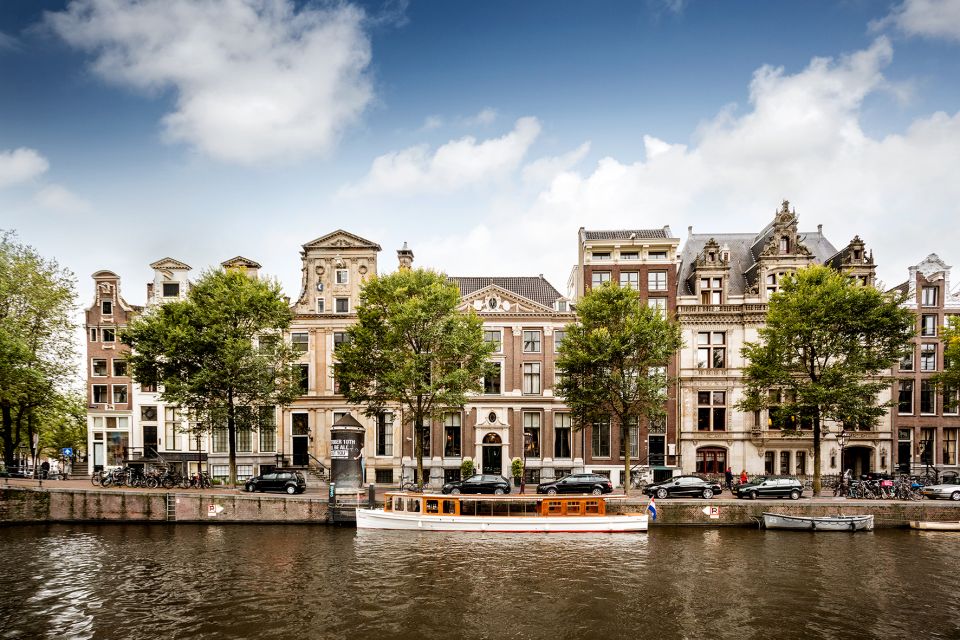
I like a museum when the building helps you understand the topic. Here, that’s true immediately. The Museum of the Canals is housed in a classic 17th-century canal house on the Herengracht, so the architecture isn’t just a backdrop—it’s part of the message.
Inside, you’ll spend time in rooms that reflect the classical period. That matters because canals were never only a transport system. They shaped how neighborhoods developed, how goods moved, and how people lived. When you’re in period rooms, the canal story feels less abstract and more practical.
This is also a good museum to choose if you want something calmer than big-ticket attractions. You can move at your own pace with the included audiotour and take your time absorbing the canal history piece by piece.
You can also read our reviews of more tours and experiences in Amsterdam



Your Audio Guide Experience: Calm, Self-Paced, and Multilingual
The included audiotour is one of the main reasons this ticket works well. You control the tempo, and you can pause, backtrack, or simply linger where something catches your attention.
Language support is broad. The audio guide is available in Dutch, English, German, French, Spanish, Italian, Russian, Japanese, and Chinese. That’s a big deal in Amsterdam, where you often have to balance what’s offered versus what you want in your own language. With this one, you shouldn’t feel forced into a language choice.
Because the museum is organized around the evolution of Amsterdam through its canals, the audio guide helps you connect the dots. I find that when a museum is canal-centered, audio is especially helpful: it can translate the logic of the system into clear points rather than leaving you to guess what you’re seeing.
The 400-Year Canal Story: What Amsterdam Did With Water
The museum experience is built to take you back roughly 400 years, using the canals as the thread. That timeframe isn’t just a date range—it’s the core idea: Amsterdam’s growth and daily life developed alongside the canal network.
I like the museum’s focus because it answers a question you’ll probably keep hearing in Amsterdam: Why canals, and why here? The exhibition approach is designed to explain the reason canals were built and what they made possible. Think of canals as the city’s arteries—moving people, goods, and influence.
And the museum doesn’t stop at the past. It connects the canals to the present and the future. That’s important. When you understand the canal system as ongoing infrastructure rather than only old scenery, the city becomes easier to read as you walk outside the museum.
Multimedia Exhibition: How the Canals Shaped the City
You’ll also encounter the museum’s multimedia presentation. I’d treat this as your “set the stage” moment. It’s meant to show how Amsterdam evolved through the lens of its canals, so it gives you a framework before you wander deeper.
Multimedia works best here because the canal story is complex. Canals involve planning, transport, trade, and neighborhood development. A clear visual or audio-led presentation can help you track cause and effect—what changes in the waterways lead to changes in the city.
One thing to keep in mind: there’s an easy way to enjoy multimedia, and a less easy way. If you’re the type who expects modern, high-production animations, you might find parts of the presentation feel old. But even if the style isn’t cutting-edge, the core canal theme is still the point, and the historical setting helps carry it.
Inside the 17th-Century Rooms: Why the Setting Matters on Herengracht
The museum is located on the Herengracht, and that location isn’t random. The canal house setting helps you understand the canal era as lived space, not just museum display.
I also like how the rooms are described as classical period rooms. That means the museum is doing more than showing artifacts. It’s giving you a sense of the time period’s look and feel, which helps your brain attach the canal story to real daily life: domestic spaces, formal spaces, and the kind of built environment that existed around the waterways.
If you enjoy architecture, interiors, and “how people actually lived,” this museum delivers more than you might expect from a topic that many visitors first encounter as postcard scenery.
You can also read our reviews of more guided tours in Amsterdam






Temporary Exhibitions: Extra Context Without Extra Planning
One smart value point here is that your ticket includes permanent and temporary exhibitions. That’s great on a one-day visit because it gives you a second angle after you’ve taken in the main canal story.
Temporary exhibits can help you see canals from a slightly different angle—another time period, another theme, or a different way of understanding the system. Even if you’re mainly there for the canal overview, the temporary component gives you flexibility and keeps the visit from feeling one-note.
I like that this doesn’t require extra tickets or complicated scheduling. You can simply add the temporary exhibition as part of your museum flow while you’re already inside.
Practical Value: Is $22 a Good Deal in Amsterdam?
For $22 per person, you’re getting entrance to both the permanent and temporary exhibitions plus an audiotour. That’s a solid structure for a standalone museum stop: you pay for access and then you get the interpretive tool (the audio) that ties everything together.
This is also good value if you plan to spend time, not just rush. A museum like this is built for learning at your pace. If you go in expecting a quick photo stop, the cost will feel harder to justify. If you go in wanting context—why the canals exist, why they mattered, and why they still matter—it lands better.
Also, the museum’s canal focus reduces the “what am I missing?” problem. You aren’t bouncing between unrelated collections. The exhibits and audio guide share the same theme, so it’s easier to feel like you learned something coherent.
In terms of overall experience quality, the museum tends to score well, especially for the canal history angle and the beauty of the building. Still, one caution stays relevant: if you’re sensitive to presentation looking outdated, factor that into your expectations.
How to Plan Your Visit in One Day (Without Feeling Rushed)
The ticket is valid for 1 day, and starting times depend on availability. So I’d plan to visit at a time when you can afford a relaxed pace. This is not the kind of place you need to sprint through between landmarks.
Here’s a simple way to structure it so it feels satisfying:
- Start with the multimedia or early sections that set up the canal story’s big picture.
- Use the audiotour to follow the themes as you move through the museum spaces.
- Then add the temporary exhibition once you already understand the core canal context.
That order helps. You’ll remember details better when you’ve already built the framework first.
Who This Museum Ticket Is Best For
This museum is a strong choice if you want to understand Amsterdam instead of just moving between viewpoints. If you care about urban planning, engineering, maritime trade, or how cities grow, you’ll likely get more out of it than a generic photo-and-bridge day.
It’s also a good match for couples and solo travelers because the audio format supports independent pacing. Families can use the audio tour too, but it really depends on your kids’ interest level in history and how long they’ll sit through exhibits.
If you’re less interested in history and more interested in spectacle, you might find this museum quieter than you expect. The value is in the explanations and the building context, not in showy thrills.
A Quick Note on Accessibility and Comfort
The museum is wheelchair accessible, which is a meaningful plus. If mobility is a concern, you’ll likely find it easier to plan a comfortable visit without having to guess whether you’ll run into stairs or barriers at every turn.
Also, since food and drinks aren’t included, plan to grab a bite elsewhere before or after. That keeps your museum time focused on exhibits instead of searching for an onsite option.
Should You Book the Museum of the Canals Ticket?
I’d book this if you want a focused, canal-centered introduction to Amsterdam that goes beyond “pretty waterways.” The combination of a 17th-century canal house, a themed multimedia story, and an audiotour in many languages makes it a practical choice.
You should think twice if you’re only in Amsterdam for the newest high-tech experiences. One part of the presentation experience may feel dated to some people, and if that will bother you, you might prefer a different museum style.
But if you want the reason canals define the city—past, present, and future—this is one of the best ways to get it in a single stop.
FAQ
Where is the Museum of the Canals located?
It’s located in Amsterdam, in the city center, on the Herengracht, in a 17th-century canal house.
How much does the Museum of the Canals ticket cost?
The price is listed as $22 per person.
How long should I plan to spend?
The ticket is valid for 1 day, and the experience is presented as a full museum visit.
What’s included with the ticket?
You get entrance to the permanent and temporary exhibitions, plus an audiotour.
Do I get to visit temporary exhibitions too?
Yes. The ticket includes access to both the permanent exhibition and the temporary exhibitions.
What languages are available for the audio guide?
The audiotour is available in Dutch, English, German, French, Spanish, Italian, Russian, Japanese, and Chinese.
Is there a host or greeter on site?
Yes, a host or greeter is available and speaks Dutch and English.
Is food and drinks included?
No. Food and drinks are not included.
Is the museum wheelchair accessible?
Yes, the museum is wheelchair accessible.
What are the cancellation and booking options?
You have free cancellation up to 24 hours in advance for a full refund, and there is also a reserve now & pay later option.