REVIEW · AMSTERDAM
Amsterdam: Countryside Bike Tour and Zaanse Schans Windmills
Book on GetYourGuide →Operated by Hop-on Tours · Bookable on GetYourGuide
Windmills, cheese, and bike tracks outside Amsterdam. This half-day ride turns the area around Zaanse Schans into a real working-day experience, not a photo stop. You start with a train transfer, then bike past mills, waterways, and wooden neighborhoods that explain how North Holland shaped daily life.
I especially liked two things: the small group size (limited to 7) and the relaxed pace that keeps the ride fun even if you’re not a hardcore cyclist. I also like that the route gets you into windmill country beyond the most crowded viewpoints, with stops at places that show how the machines do their job—sawmill and paper mill included.
One drawback to plan around: this tour is not recommended for people with limited mobility, and there’s a height limit of 4 ft 6 in / 140 cm for safe comfort on the bikes.
In This Review
- Key highlights you’ll care about
- Why biking from Amsterdam feels like the real Dutch day
- The 5-hour flow: train out, bike loop, train back
- The sawmill windmill stop: where you see the machine thinking
- Paper mill history and the Declaration of Independence connection
- Monet wetland views and Domineestuin’s wooden houses
- Zaanse Schans time: windmill entry plus clogs and cheese
- Biking comfort: small group pace, good route planning, and equipment
- Price and value: what $64 buys you in practice
- Who should book this countryside bike tour (and who shouldn’t)
- My booking advice: plan for weather and pack smart
- Should you book this tour?
- FAQ
- How long is the Amsterdam countryside bike tour?
- Where do I meet the guide?
- What’s included in the price?
- Is food included?
- How big is the group?
- What languages are the tour guide speaking?
- Is the tour suitable for limited mobility?
Key highlights you’ll care about
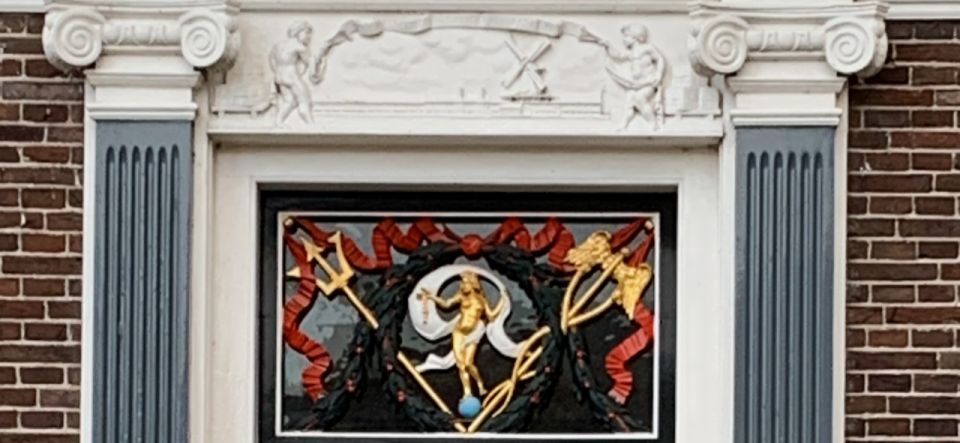
- Small-group cycling for a calmer pace and more time to ask questions of Hans
- Windmills outside the main tourist bubble, plus an entry stop at one windmill
- Paper-mill history tied to the 17th century, including the link to paper used for the US Declaration of Independence
- Monet wetland views on a bike route, plus Domineestuin with authentic wooden houses
- Clogs and Gouda, with a clog-making demonstration and a cheese tasting
- Rain-proof planning matters, since the ride is active outdoors
Why biking from Amsterdam feels like the real Dutch day
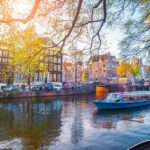
Amsterdam is easy to understand from the canals. But pedal out of the city and you start seeing why the Netherlands looks the way it does: water control, industry, and crafts all in the same practical story.
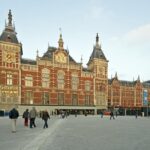
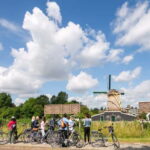
What makes this tour click is that it’s not built around “standing and staring.” You travel by train from Amsterdam Centraal to Zaandam, then you ride through the countryside where the windmills aren’t just background. You also get a guide who keeps the ride moving with clear directions and context, and the name you’ll hear a lot in the experience is Hans.
I also like the “local integration” effect. A bike turns you into a participant instead of a spectator. When you’re weaving along Dutch bike paths at a leisurely pace, you read the scene—fields, canals, industrial edges—without the constant stop-and-go of big tour groups.
You can also read our reviews of more cycling tours in Amsterdam
The 5-hour flow: train out, bike loop, train back
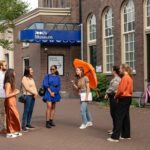
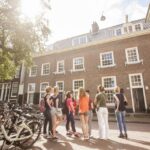
This is a half-day tour (about 5 hours total), designed to feel efficient without feeling rushed. You meet at the GVB ticket & information office area, then the group heads to the train transfer that gets you out of Amsterdam before the biking begins.
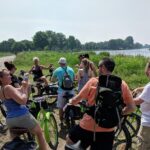
Once you’re in Zaandam, the rhythm becomes: bike, stop for explanation, bike again. There are breaks built into the route so you can regroup, take photos, and actually hear what Hans is telling you. In good weather, it feels like a scenic ride with a few “anchor stops.” In rain, it turns into a more active day—still enjoyable, just more about being ready for wet roads.
At the end, you bike back to Zaandam and take the train to Amsterdam Central Station, where the tour ends. That back-and-forth is a big reason the day stays manageable, because you’re not stuck riding long distances solely under your own power.
The sawmill windmill stop: where you see the machine thinking
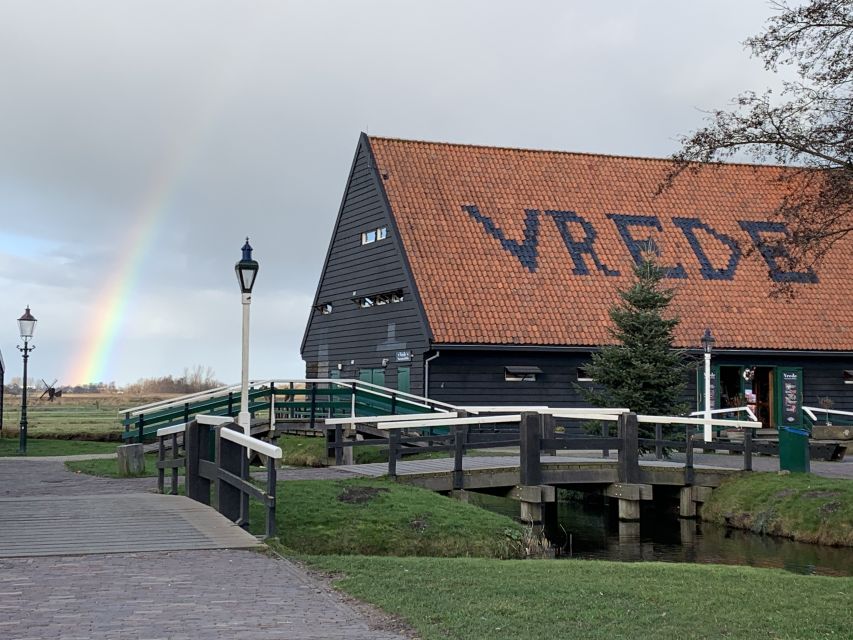
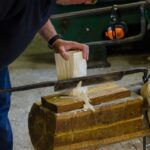
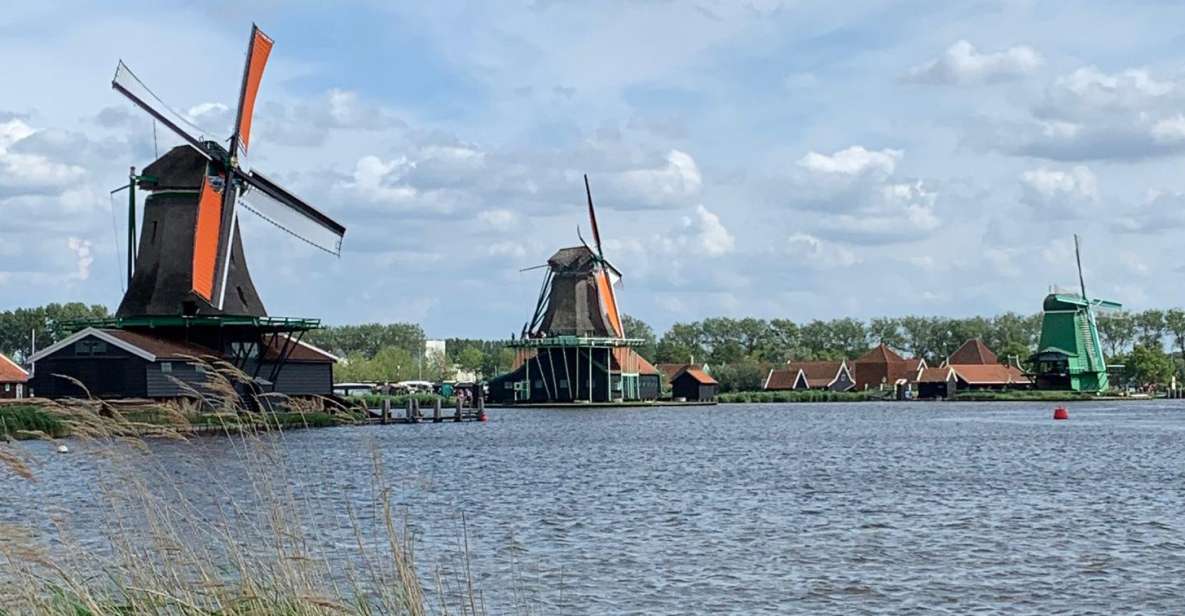
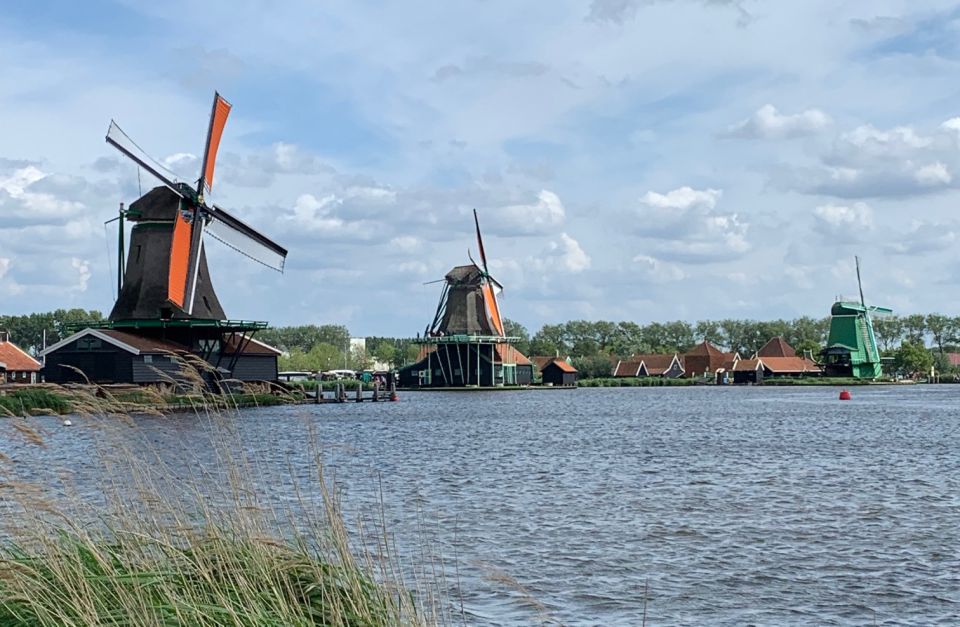
One of the most satisfying moments on this tour is the stop at a sawmill area where you can learn how it operates. Windmills can sound like a history lesson in theory. On the ground, with the guide explaining the parts and purpose, it becomes practical engineering.
You’ll get closer to the workings than most quick bus tours allow, and you’ll see how wind power fit into industrial work. Even if you’re not a “machinery person,” the explanations tend to land because they connect to everyday needs: wood processing, materials, and the kind of industry that made the Zaan region important.
There’s also a psychological benefit. When you understand what a windmill actually does, the rest of the windmill scenery stops being decorative. Every gust feels like it has a job.
Paper mill history and the Declaration of Independence connection
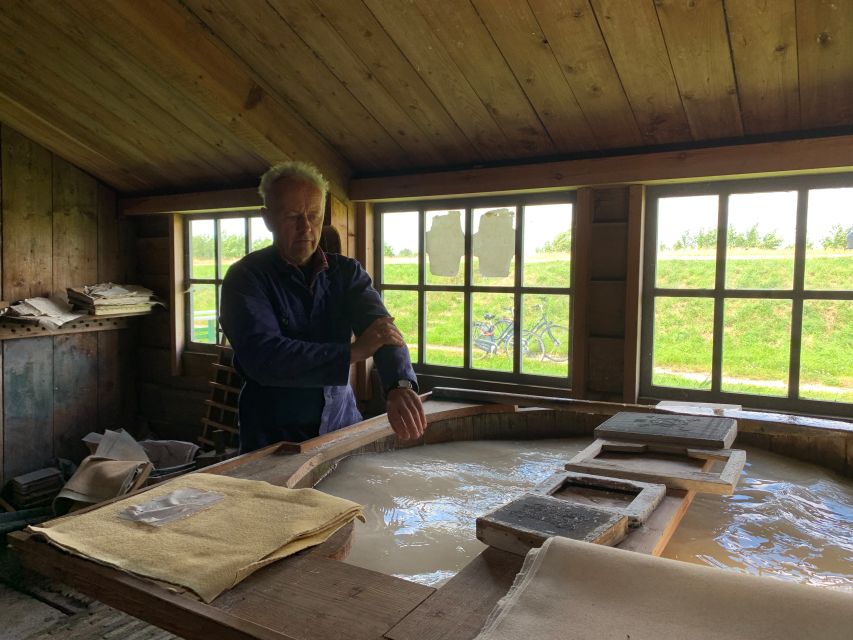
Next comes the paper mill stop, where you learn how paper was made in the 17th century. This is one of those details that makes the tour feel more than scenic: you’re not only watching old machines, you’re learning an old production process.
The tour specifically points out the connection between local paper production and the US Declaration of Independence. You don’t have to be a history expert to find this interesting, because the story is about materials—how something as ordinary as paper could link two distant worlds.
For you, the value here is perspective. When you understand how paper was produced and why it mattered, the windmills and mills become part of a broader economic network, not just a Dutch postcard.
Monet wetland views and Domineestuin’s wooden houses
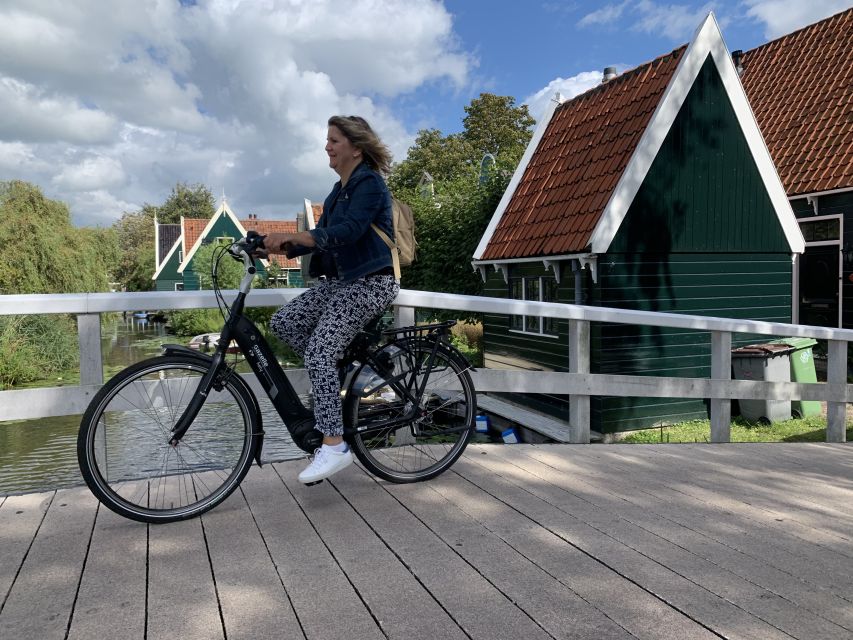
Between the industry stops, the ride includes views that many people don’t expect around Amsterdam: wetland scenery linked to paintings by Monet in the late 19th century. You’ll pedal through those open water-and-reed areas where the light and flat terrain do a lot of the work for the photo.
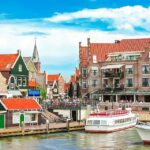
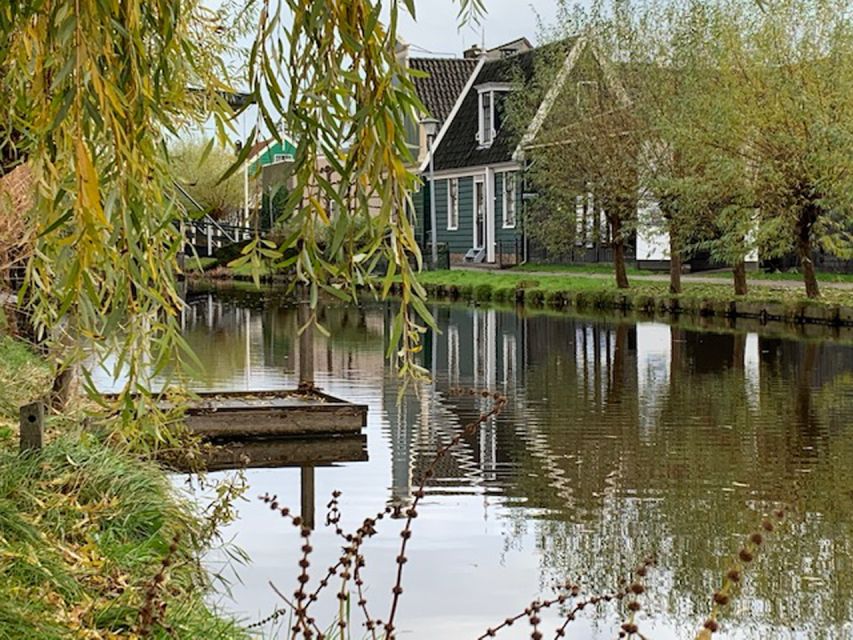
You also pass Domineestuin, known for authentic wooden houses. This is the part that helps you feel the tour beyond the windmills. Instead of treating Zaanse Schans as a single attraction, you’re seeing how housing and industry sit in the same region.
The practical takeaway: this section is why biking is worth it. On foot or by van, you’d miss the “in-between” moments. On a bike, those in-between stretches are where the Netherlands starts to feel like a system.

Zaanse Schans time: windmill entry plus clogs and cheese
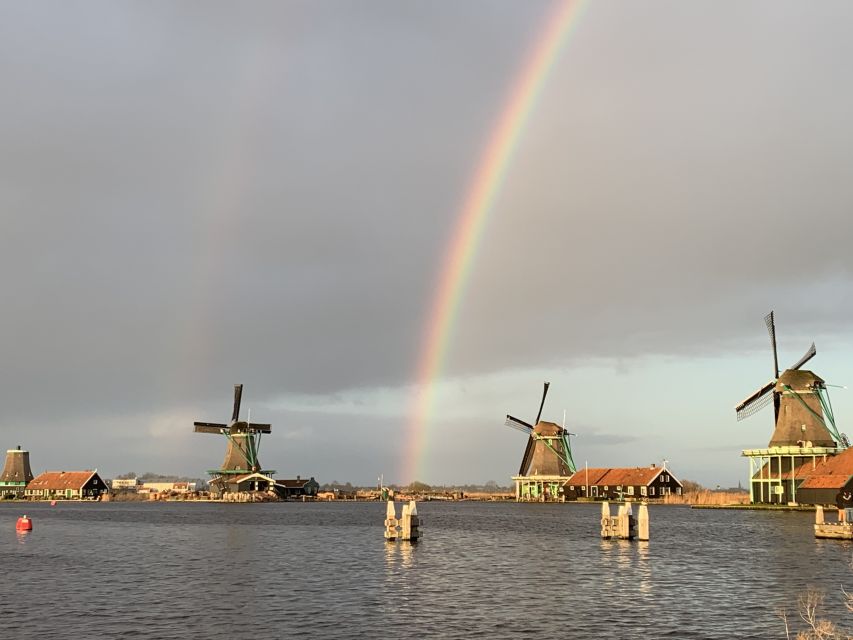
When the group arrives in Zaanse Schans, you park your bicycle and shift to craft-focused experiences. The tour includes entrance to one windmill, which is a smart way to balance hands-on time with the rest of the schedule.
Then comes the clog maker demonstration. Watching clogs made up close hits a different level than seeing finished products. You get to see how craftsmanship translates into everyday objects, and you learn why wooden footwear became part of the region’s identity.
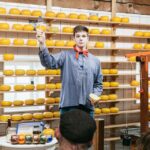
After that, you get a chance to taste Gouda cheese. This isn’t just a snack stop; it’s another link to how local products traveled, how industries worked, and how the region built a reputation beyond milling.
One small planning note: food and drinks are not included. So if you’re even slightly picky about snacks, bring your preferred water and plan for your own meal timing before or after the tour.
Biking comfort: small group pace, good route planning, and equipment
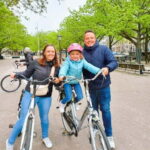
The tour is built around a leisurely pace, and that shows in the feedback you’ll see from people who ride bikes confidently and people who feel a bit nervous about it. A key detail is that the group stays small—limited to 7 participants—so Hans can adjust his pace and attention to match the riders.
Bike quality matters here. The experience is not about “making it through a rough bike.” It’s about enjoying the ride and having enough control to stop and look around. Hans also helps with bike setup, which matters more than you’d think if you’ve ever had a seat that’s just slightly wrong and spent the next hour paying for it.
The route uses typical Dutch cycling infrastructure and stays manageable. Still, you should know the tour is not recommended if you have mobility limitations, and the height limit (140 cm) is there because comfort and safety on the bike are non-negotiable.
Price and value: what $64 buys you in practice
At $64 per person for a roughly 5-hour experience, you’re paying for more than a bike ride. You’re getting:
- the guided cycling portion
- a small-group format
- a return train ticket between Amsterdam Centraal and Zaandam
- and entrance to one windmill
That combination is the real value. If you tried to DIY it, you’d spend time figuring out train timing, bike logistics, and which windmills and mills to prioritize. Here, the day is sequenced for you.
You’re not paying for included meals, though. Food and drinks aren’t part of the package, so your total daily spend will depend on what you do for lunch or snacks. Still, for many visitors, this is one of the best “Amsterdam, but not in Amsterdam” options because it keeps your energy focused: you bike, you learn, you taste, you return.
Who should book this countryside bike tour (and who shouldn’t)
This works best if you:
- want a real Dutch day outside the canal ring
- like hands-on craft and working-mill explanations
- enjoy cycling at a relaxed pace
- want a small group so you can actually hear your guide
It’s also great for families who have strong teen riders. The ride is designed to be manageable, and the tour includes multiple breaks and stops that keep attention from wandering.
Skip it if you have mobility impairments or if you fall under the height limit (140 cm). The route requires active cycling on a shared timetable, so there’s no built-in “spectator mode.”
My booking advice: plan for weather and pack smart
This tour runs outdoors, and the countryside can get wet. You don’t need to panic at the first drop, but you do want real waterproof protection. A waterproof jacket is better than water-resistant fabric, because rain can soak through over time during active riding.
I also suggest dressing in layers. Dutch weather can switch from cool to chilly fast, especially when you’re moving. Gloves can help if it’s breezy. And wear shoes that grip well on bike paths.
If you’re choosing between mornings and afternoons, pick based on your comfort with crowds at Amsterdam Central. You’ll be managing the meet-up area and then joining the train transfer—nothing impossible, but it helps when you arrive calm.
Should you book this tour?
I’d book it if you want an easygoing bike day that actually explains what you’re seeing: windmills that do real work, paper production with a fascinating international tie-in, and craft stops for clogs and Gouda. The small-group size with Hans as the guide is a big part of the quality, and the route takes you beyond the busiest windmill corners.
I wouldn’t book it if cycling isn’t your thing, if you need accessible options for mobility limitations, or if you can’t comfortably meet the 140 cm height requirement. Otherwise, this is a strong value way to see North Holland as more than scenery.
FAQ
How long is the Amsterdam countryside bike tour?
The duration is about 5 hours.
Where do I meet the guide?
Meet in front of the GVB ticket & information office.
What’s included in the price?
The tour includes the bicycle tour, a guide, a return train ticket from Amsterdam Centraal to Zaandam, and entrance to one windmill.
Is food included?
No. Food and drinks are not included.
How big is the group?
It’s a small group limited to 7 participants.
What languages are the tour guide speaking?
The live tour guide is available in English and German.
Is the tour suitable for limited mobility?
No, it’s not recommended for people with limited mobility, and it’s also not suitable for people under 4 ft 6 in (140 cm).