REVIEW · AMSTERDAM
Amsterdam Architecture Tour
Book on Viator →Operated by Historical Amsterdam Tours · Bookable on Viator
Canal-ring streets make Amsterdam’s history readable. This private architecture walk helps you connect canal-side design with real city decisions in about 2.5 hours, without the crush of a big group. You get a mobile ticket, an English-speaking guide, and time to ask questions as you go.
I especially like two things. First, the format keeps you in control: you can freely chat with a personal guide instead of waiting for the next “photo stop.” Second, you get interior time at Huis Bartolotti, not just an outside look, so the canal-ring story becomes physical and practical.
The main consideration is pace. You are doing a walking tour with a moderate physical fitness level, so plan comfortable shoes and be ready for steady city-street time even though it is only 2.5 hours.
In This Review
- Key points to know before you go
- Why a private canal-ring walk feels different
- Meeting point on Brouwersgracht and how to plan your day
- Tracing the canal ring: skyline logic and house details
- A late 17th-century design shaped by religious limits
- Huis Bartolotti: seeing a canal house interior and its garden secret
- Westerkerk and the House with the Heads (UNESCO-listed library)
- Price and value: what $384.63 gets your group
- Who should book this Amsterdam Architecture Tour
- Should you book it
- FAQ
- How long is the Amsterdam Architecture Tour?
- What is the group size for this private tour?
- Is the tour offered in English?
- Do I need to buy tickets for Huis Bartolotti?
- Where does the tour start?
- Is there an end point, or does it return to the start?
- What kind of fitness level do I need?
- Can I choose my start time?
- What is the cancellation policy?
Key points to know before you go
- Private group up to 8 means quieter conversations and more tailored answers
- Huis Bartolotti interior visit adds the rare wow factor of seeing canal-house design up close
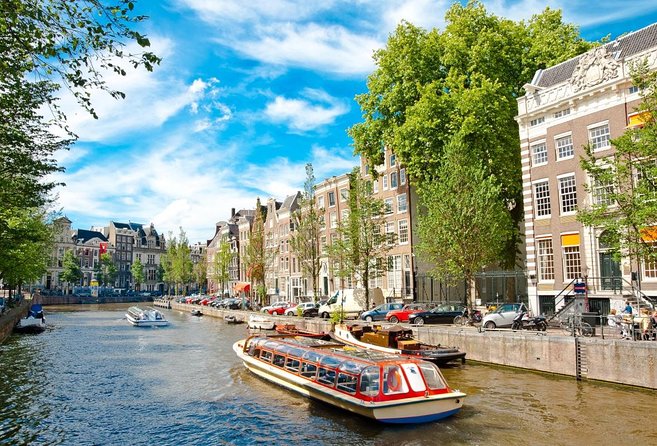
- Canal ring architecture explained: widths, gable ends, and why the skyline looks the way it does
- Late 17th-century religious-minority solution shows how building rules shaped design
- Westerkerk and the House with the Heads connect church architecture with a UNESCO-listed library
Why a private canal-ring walk feels different
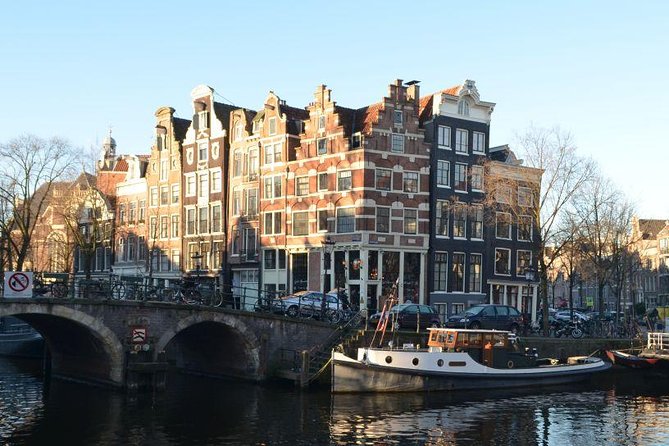
Amsterdam can feel like a postcard until you learn the logic behind what you are seeing. This tour focuses on the canal ring and the architectural mix along the water, so the city stops being random. You start to understand how design solved problems: space, wealth, water pressure, status, and even religion.
What makes this worth your time is the pace. With a private setup for up to 8 people, you are not pressed to keep up with the loudest group. You can ask why something is built a certain way, then watch your guide connect the answer to the street in front of you. That style shows up in the way guides like Edgar and Tijs have been described: clear storytelling, plenty of context, and a polite, personable tone.
The other big advantage is that this is not just “pretty buildings.” You walk with a purpose. You learn how Amsterdam expanded rapidly from medieval times as trade grew, and how parts of the older city are still readable in the landscape. That kind of framing can change how you experience the rest of your trip, because you will spot patterns on your own afterward.
You can also read our reviews of more tours and experiences in Amsterdam.



Meeting point on Brouwersgracht and how to plan your day
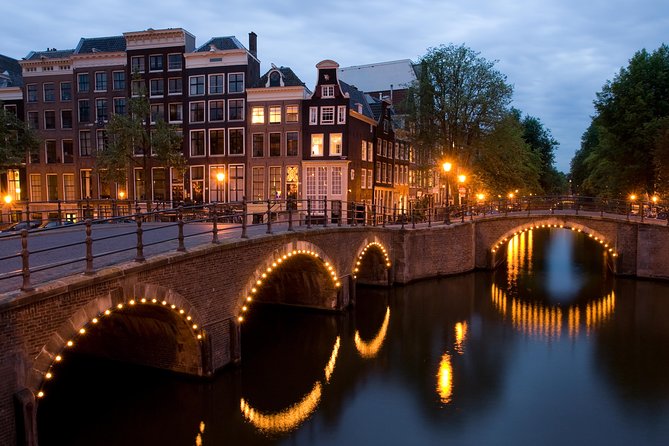
You meet at Design Amsterdam, Brouwersgracht 64 (1013 GX). The tour ends back near the same meeting point, which is helpful because you can slot it into a morning or early afternoon without complex repositioning. Since there are start times you can choose from, you can match it to the rest of your itinerary.
A smart way to plan is to treat this as your orientation stop. Do it early enough that you can reuse what you learn later: when you walk another canal stretch, you will know what to look for. The guided focus makes details stick, like the reasons the skyline looks the way it does and why certain fortification ideas mattered for the city’s future.
Also, since the route is a walking tour, bring shoes you trust. The tour is about 2 hours 30 minutes, and that amount of time adds up on cobbles and canal sidewalks. If you want the best experience, show up ready to walk, then let the guide do the thinking for you—city history is easier when you do not have to map it from scratch.
Tracing the canal ring: skyline logic and house details
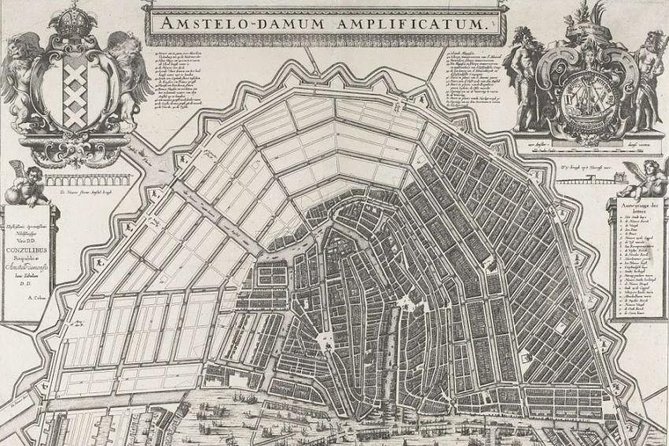
The heart of the experience is learning the structure of the Amsterdam canal ring and the architecture along the water. This is where the tour earns its name. You are not only seeing canal houses; you are learning how they work as a system, from the big-picture layout to the fine points of gable ends and building widths.
One reason the canal district feels so coherent is that it was built with constraints in mind. On this tour, you get an explanation for why canal fortifications were necessary to maintain the city, and why remnants of older city walls still show up if you know where to look. You also learn how Amsterdam’s skyline came into shape as the city grew quickly, especially when commerce and wealth changed what people could build.
Then comes the detail work. You will hear stories about architectural choices you would normally ignore—like the reasons different canal houses have different widths and how those choices connect to the way the city developed. You also get to spot symbolic touches, such as a swan on top of a Protestant domed church. It sounds small, but once your guide points it out, you start noticing the same kind of meaning on other buildings.
This part is also when your guide helps you read the city’s layers: medieval beginnings, trade expansion, and the physical footprints left behind. Even if you have seen Amsterdam before, this is the segment that helps you see it fresh.
A late 17th-century design shaped by religious limits
One of the stops centers on a unique late 17th-century architecture story—an inventive solution for physical restrictions faced by religious minorities. This is not just a curiosity. It shows how building rules and social limits can literally steer architecture.
What I find valuable here is the cause-and-effect teaching. Instead of treating religious history as a separate topic, you connect it to construction choices you can still see. Your guide frames how minority groups navigated constraints, and how those constraints produced distinctive architectural outcomes by the late 1600s.
If you like history that has consequences you can point to, this is the moment that delivers. It turns an era into something concrete: design becomes evidence. And once you get that mindset, you will likely notice similar “hidden history” patterns later in other European cities too.
Huis Bartolotti: seeing a canal house interior and its garden secret
The tour’s interior highlight is Huis Bartolotti. You spend about 15 minutes there, and an admission ticket is included. This stop matters because it moves you past the usual canal-house viewing experience. You see the interior design and get a sense of what life and taste looked like from inside one of Amsterdam’s canal-ring homes.
The other reason this visit stands out is the explicit focus on the canal ring’s gardens. Your guide ties the interior experience to a broader explanation of how gardens relate to the canal-house world. When you learn that connection, you stop viewing the canal district as only façades facing the water. You start thinking about what happened behind the front: light, privacy, and the practical side of urban living in a city built around canals.
There is also a nice contrast built into the day. The outside details you learn earlier help you recognize why Huis Bartolotti looks the way it does. Then you step inside and the story becomes less abstract. You can connect the architectural language of the canal houses to real rooms and real design choices.
If you have limited time in Amsterdam and you are choosing between a purely exterior walk and one that includes interior access, this is the kind of stop that helps justify picking the architecture tour.



Westerkerk and the House with the Heads (UNESCO-listed library)
Another key portion of the route covers early 17th-century architecture in general, with a focus on the Westerkerk. Churches are often treated like landmarks, but on this tour they become part of the city’s design thinking—how religious buildings, public identity, and skyline presence worked together.
You also see an extravagant early 17th-century canal house in Dutch Renaissance style: the House with the Heads. This is described as a former home of influential residents, and it is now home to a special UNESCO-listed library. That mix of old status and modern cultural use is one of Amsterdam’s recurring themes. Buildings survive because they keep finding new roles.
The way your guide connects the architecture here is practical. You do not just learn what a building is. You learn why that style belongs to its time and what it signals about the people who commissioned it. And because you have already learned how to read canal-house details earlier, the House with the Heads lands with more meaning.
This section also tends to be memorable because it links multiple “systems”: the church as a skyline anchor, the canal house as a wealth and design statement, and the library as proof that preservation can serve contemporary culture.
Price and value: what $384.63 gets your group
The price is $384.63 per group, up to 8 people, for about 2 hours 30 minutes. On paper, it can look steep if you are thinking per person. But the value logic is the same reason many people choose private tours: you are paying for time with a guide and access to interior viewing that is hard to replicate in a large-group format.
If you are traveling as a small family or a group of friends, the math improves fast. You also gain flexibility from a start time selection, and you get a tour that is meant to function as a guided learning experience rather than a scripted parade. The private format is the difference between being told facts and actually understanding patterns.
Also, the tour includes an admission ticket for Huis Bartolotti. That detail matters because it reduces the friction of planning and it adds a real interior stop instead of only exterior photos.
Who should book this Amsterdam Architecture Tour
This is a great fit if you want architecture with context, not architecture with a checklist. You will likely enjoy it if you care about how Amsterdam expanded, how canals shaped building choices, and how religion and commerce left physical traces in the city.
It is also a good option for people who prefer a slower, more conversational pace. The guide-driven approach, combined with the private group size, suits travelers who like to ask follow-up questions and get direct answers.
If you hate walking tours or you expect a fully seated experience, this may not be your best match. It is a moderate-fit, on-your-feet tour, and the value comes from seeing details in person along the route.
Should you book it
Yes, if your goal is to understand Amsterdam’s canal-ring architecture as a connected story. The combination of canal-ring structure, a religious-minority architecture case, and the Huis Bartolotti interior gives you more than surface sightseeing. The Westerkerk and House with the Heads stop also adds an especially strong skyline-and-status pairing, capped by a UNESCO-listed library connection.
Book it if you want a tour where you can talk, not just listen. If your travel style is fast and you only want the highlights from street level, you might feel less fulfilled. But if you want to leave with a city-reading skill you can use all trip, this one is a solid choice.
FAQ
How long is the Amsterdam Architecture Tour?
It runs for about 2 hours 30 minutes.
What is the group size for this private tour?
It is a private tour/activity, and your group is the only group participating, up to 8 people.
Is the tour offered in English?
Yes, the tour is offered in English.
Do I need to buy tickets for Huis Bartolotti?
An admission ticket is included for Huis Bartolotti. The visit is about 15 minutes.
Where does the tour start?
The meeting point is Design Amsterdam, Brouwersgracht 64, 1013 GX Amsterdam, Netherlands.
Is there an end point, or does it return to the start?
It ends back at the meeting point.
What kind of fitness level do I need?
The tour is listed for travelers with a moderate physical fitness level.
Can I choose my start time?
Yes, you can choose from a section of start times.
What is the cancellation policy?
You can cancel up to 24 hours in advance for a full refund. If you cancel less than 24 hours before the start time, the amount you paid will not be refunded.