REVIEW · AMSTERDAM
3-course Dinner in the Dark Amsterdam
Book on Viator →Operated by Ctaste Amsterdam · Bookable on Viator
Eat dinner without seeing a thing. This dining in the dark Amsterdam experience at Ctaste Amsterdam turns a regular meal into a sensory challenge, guided by visually impaired staff and started with a bright menu selection.
What I like most is how blind waiting staff make you feel guided, not abandoned, and the service stays personal even in a small room. I also like that it’s a small group setup (max 5 travelers), which means you’re less likely to feel rushed or lost in the dark.
One thing to consider: food identification is part of the fun, but it can also mean some dishes won’t taste how you expect, and the room can feel cold. A few people also felt the time between courses dragged a bit.
In This Review
- Key highlights at a glance
- What 3-course dinner in the dark in Amsterdam is really like
- Ctaste Amsterdam location and timing that matter
- Arriving at the lighted lounge: coat, phones, and quick rules
- Picking your meal before the lights go out
- Entering the pitch-black dining room: how guidance works
- The meal: 2 amuse bouche and 3 courses, with a real focus on taste
- Course pacing and room comfort: the two things you’ll notice
- Food identification: fun guesswork or frustrating mystery
- Service in the dark: why the staff training is the whole point
- Value in plain terms: what you’re paying for
- Who should book a dinner in the dark (and who might skip it)
- Quick booking decision: should you book this?
- FAQ
- How long does the 3-course dinner in the dark last?
- What’s included in the ticket price?
- Are drinks or water included?
- Do I choose my food before entering the dark room?
- Are bathrooms available during the experience?
- Is this suitable for children?
Key highlights at a glance
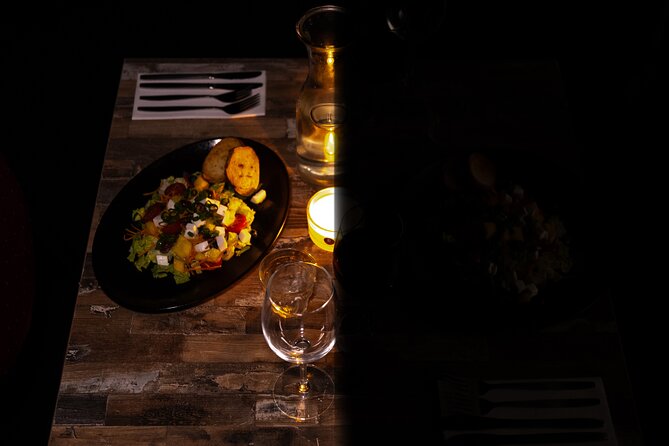
- Pitch-black dining room where taste, smell, and sound do the heavy lifting
- Visually impaired waiters who guide you through the experience with reassurance
- Illuminated menu choice before you enter the dark, so you get some control
- 2 amuse bouche plus a private table for a true sit-down meal
- Phone and camera lock-up so you stay present (and not screenshot-happy)
What 3-course dinner in the dark in Amsterdam is really like
A dinner in the dark sounds like a gimmick until you’re in the situation. Here, the point is simple: you take away sight and force your other senses to work. In Amsterdam, that’s exactly what this 3-course dinner in the dark experience does. You’ll start in a lighted lounge, choose from an illuminated selection, then head into a pitch-black dining room where visually impaired waiters handle everything.
This isn’t just about suspense. It’s about paying attention. In the dark, sound gets clearer, textures feel more obvious, and flavors come forward in a way you usually miss when you’re checking plating and color. A lot of people come for the novelty, but the best part tends to be how quickly the evening shifts from awkward to oddly focused.
You’ll be seated at a private table, and the format is designed to keep the meal smooth even without sight. The staff are trained for this. That matters, because in the dark you don’t need “instructions,” you need confidence. The feel you’re aiming for is: someone’s got your back.
You can also read our reviews of more tours and experiences in Amsterdam



Ctaste Amsterdam location and timing that matter
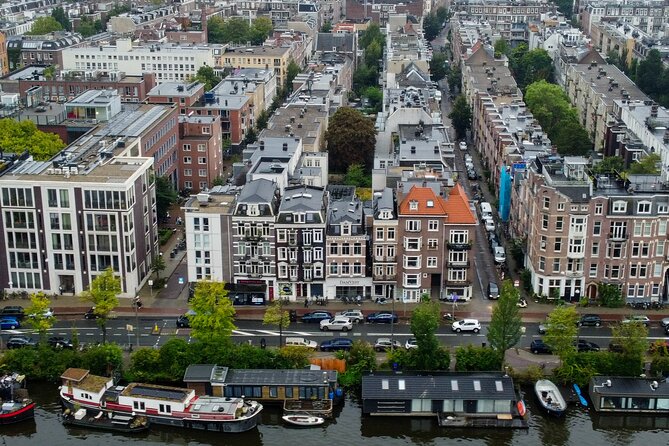
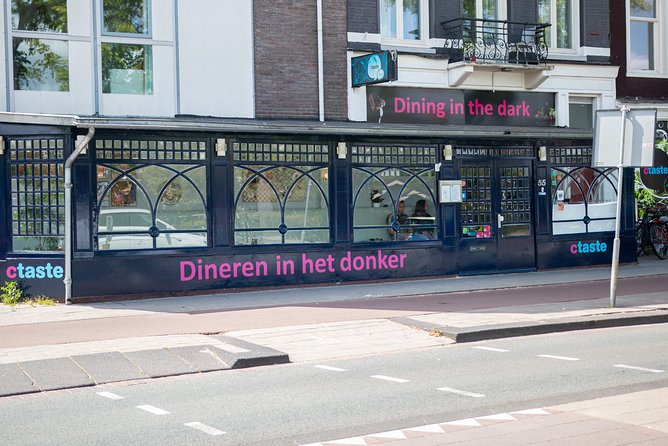
The meeting point is Amsteldijk 55, 1074 HX Amsterdam. The experience runs about 2 hours, and it ends back at the same place. That’s useful in planning: it’s long enough to make an evening of it, but short enough that you can still do a normal Amsterdam dinner afterward if you want to.
Ctaste also keeps the group small, with a maximum of 5 travelers. That usually makes a big difference in a dark setting. Smaller groups mean fewer people talking over each other, less crowd chaos during guidance, and more chance for your waiter to check that you’re comfortable.
Price-wise, it’s $59.61 per person. When you look at what’s included—3 courses, 2 amuse bouche, a private table, and trained blind staff—it’s less like “an amusement ticket” and more like a specialty restaurant meal with an unusual format. Drinks and water aren’t included, so budget for that separately if you like pairing.
Arriving at the lighted lounge: coat, phones, and quick rules

Your evening starts in a lighted lounge area. This is where you get your bearings, meet the staff, and handle the practical stuff before the dark.
A few rules are worth taking seriously:
- Check your coat or bag in the cloakroom. Once you go in, you shouldn’t need personal items.
- Mobile phones and cameras stay in a personal locker during the dinner. No filming, no photos inside. It’s a smart move for keeping the room truly dark.
- All rest rooms are in the light, so you can use them before you enter the dining room without guessing what you’ll find.
- Do not wear white clothes. Dark-room lighting can create awkward contrast, and white also stands out too much in photos you won’t be taking anyway.
Service animals are allowed, and the experience is listed as generally suitable for most people. If you’re bringing anyone who needs extra clarity to feel safe, this light-to-dark transition helps, because you’re not thrown into darkness instantly.
One small detail I appreciate: the staff keep the experience focused. You’re not meant to rummage through bags, check phones, or treat it like a photo booth. The goal is sensory attention.
Picking your meal before the lights go out
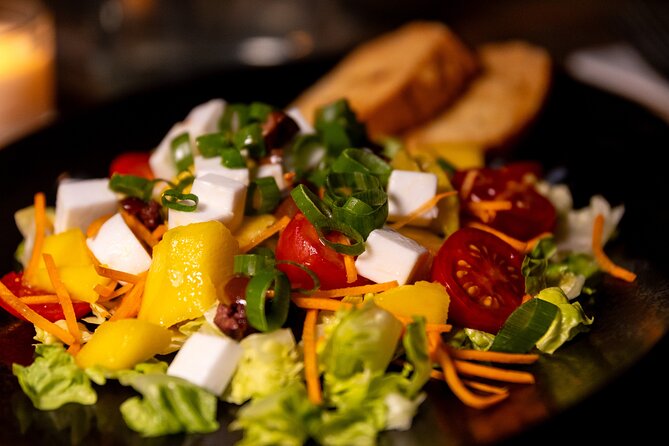
Before you enter the pitch-black dining room, you’ll choose your meal from an illuminated selection outside. That’s important for value and comfort. You’re not gambling blindly on every course, and you’ll know what you ordered by the time the darkness begins.
This setup also changes how you handle uncertainty. In a typical restaurant, you see the dish, then taste. Here it’s reversed: you taste without sight, but you still have some information about what you’re likely eating. That’s a good compromise for people who don’t want the full “mystery menu” feeling.
Now, here’s the trade-off. The goal is to let your senses do the identifying. Some people love guessing textures and flavors. Others want confirmation. If you’re the type who hates not knowing what’s in front of you, you might find the experience frustrating, especially if a dish tastes different from your expectations.
There’s also a note about an infrared photo being mentioned elsewhere, but it’s not included here. If you care about any souvenir photos, assume you’ll be guided by what’s actually offered during your session.
Entering the pitch-black dining room: how guidance works

Once you’ve ordered, you’re led into the darkened dining room. In that room, the waiters are blind or visually impaired and are specially trained to serve. That’s the backbone of the experience: they’re not “doing their best,” they’re trained for this exact environment.
The most practical thing to know is that you’ll be guided and reassured. Some people notice that a waiter might use a simple introduction cue—one person described a waiter who introduced themself through humming when entering the dark room. Even if your waiter uses a different method, the point is the same: you’ll have signals and reassurance so you don’t feel lost.
In the dark:
- You listen more. The staff’s voices and the room’s sounds guide you.
- You learn the feel of the table and utensils.
- You notice smell changes first, then taste locks in after.
This is where the “three-course” format becomes more than dinner. It’s a structured sensory exercise. You’ll start with learning your setup, then settle into the meal, and by the final course you’ll likely feel more confident.
You can also read our reviews of more tours and experiences in Amsterdam





The meal: 2 amuse bouche and 3 courses, with a real focus on taste
You’re getting a 3-course dinner in the dark, plus 2 amuse bouche. That’s a solid amount of food for a specialty experience, and it helps balance the “learning” portion of the night. Even if sight is missing, you’re still eating a proper meal, not just nibbling.
The menu is described as cosmopolitan international cuisine with gourmet courses. What you won’t get matters too: organs, bones, fat, insects, or other extreme ingredients are never served. That’s an important comfort filter if you’re worried about an unusual or off-putting menu.
Drinks and water are not included, and there’s no mention of coffee/tea being part of the package. So if you plan to have wine or a pairing, build that into your budget ahead of time. The experience itself is built around taste, so alcohol could be great, but don’t assume it’s included.
Also, don’t go in expecting a lot of visual “wow.” The wow is flavor and texture—how your brain recalibrates when it can’t use sight.
Course pacing and room comfort: the two things you’ll notice
In the dark, pacing matters. You can’t speed through courses while checking plates. You have to rely on the staff and your own feel of timing.
Some people loved the flow and relaxed chat time in the dark. Others felt the time between courses was too long, and a separate concern was that the room can be chilly. This is one of those “prepare like you’re going to dinner theater” moments: bring a layer you can tolerate without needing your bag.
Practical tip: wear something warm and avoid relying on the venue having thick warmth. Even if you won’t feel cold in the lounge, you may when you’re seated for a longer period in a dark room.
One more thing to keep in mind: a few diners said the food wasn’t identified in a way that helped them. That’s not necessarily a failure—it’s often part of the format. But if clear explanations calm you down, ask before you go into the dark room what level of guidance you’ll get about what you’re eating.
Food identification: fun guesswork or frustrating mystery
This experience lives in a tension: it’s designed for tasting without sight, but people differ on what they want from the mystery.
If you like tasting experiments, you’ll probably enjoy:
- guessing textures and flavors
- switching attention from appearance to aroma
- chatting with companions while everything feels more sensory than visual
If you want your plate explained clearly, you might feel stuck. A strongly negative review described not knowing what they were eating and finding the flavors unidentifiable to taste. Another person wished for a copy of the menu afterward so they’d know exactly what they’d eaten.
So here’s the best planning advice: go in with the mindset that the identification part is part of the entertainment. If you need confirmation afterward, don’t be shy about asking what information you’ll get at the end, or whether there’s a menu card you can review.
Service in the dark: why the staff training is the whole point
The waiters make this experience work. The highest praise centers on staff who:
- made people feel comfortable quickly
- offered reassurance during the meal
- stayed friendly and attentive without rushing
One standout mentioned a waiter named Noele, described as a delight and a big part of why the night felt smooth. Another review noted the waiter introduction via humming, which is a great example of how the staff can signal themselves in a way that helps you orient fast.
This matters because the dark room isn’t just a lighting gimmick. The staff have to:
- guide you to the table
- manage serving and utensil use
- keep the experience safe and calm
- handle the moment you fumble
That’s why this doesn’t feel like a chaotic experiment. It feels like dinner with a strong host—just without sight.
Value in plain terms: what you’re paying for
At $59.61 per person, you’re paying for more than food. You’re paying for:
- trained staff doing service in darkness
- the full sensory format (lounge to pitch-black transition)
- a private table
- 2 amuse bouche plus 3 courses
- a controlled environment where phones are locked away and the darkness stays real
The main extra cost is obvious: drinks and water aren’t included. If you order wine or soft drinks, plan for that. Also, you might need to accept that the food identification part is intentionally not fully spelled out during the meal.
In return, you get an experience that feels different from a standard Amsterdam dinner—especially because the room is truly pitch black and the service is done by people with visual impairment.
If you’re already spending a lot on attractions, this might feel like a splurge. If you want one standout night that feels “only here,” it’s strong value.
Who should book a dinner in the dark (and who might skip it)
This is a great pick if you:
- want something unusual beyond museums and canal walks
- like sensory experiences and tasting challenges
- enjoy conversation and don’t mind a guided structure
- appreciate inclusive service and trained hospitality
It’s also a good family option for kids from 6 years and up, since the experience is described as understandable for that age range.
You might skip or choose a different option if you:
- need your food clearly identified throughout
- hate waiting between courses (some people found it too long)
- run cold easily and don’t want to layer up
If you’re coming for a food-focused meal alone, without the “experiment” part, your enjoyment may depend on how flexible you are about not seeing what you’re eating.
Quick booking decision: should you book this?
I think you should book if you want a memorable Amsterdam night that’s built around taste and sensory play, not just dining. The small group size (max 5), the private table, and the emphasis on guided service make it feel more respectful and manageable than big-venue versions of this concept.
I’d pause before booking if you’re very sensitive to uncertainty or you strongly prefer menus spelled out course by course. The dark is the point here, and it can frustrate people who expect a normal restaurant experience.
If you do book, dress for warmth, leave white outfits at home, and treat the mystery as part of the fun. When you do that, this becomes the kind of story you’ll still be able to explain long after the lights come back on.
FAQ
How long does the 3-course dinner in the dark last?
It runs for about 2 hours.
What’s included in the ticket price?
You get a 3-course dinner in the dark, 2 amuse bouche, and a private table.
Are drinks or water included?
No. Drinks and water are not included.
Do I choose my food before entering the dark room?
Yes. You select from an illuminated selection before you’re guided into the pitch-black dining room.
Are bathrooms available during the experience?
Yes, and all rest rooms are in the light.
Is this suitable for children?
Children from 6 years and up will like and understand the dining experience.