REVIEW · AMSTERDAM
Dutch Winetasting – Amsterdam City Centre
Book on Viator →Operated by Design & Wijn · Bookable on Viator
Dutch wine hides in small-city corners. This tasting leads you into a speakeasy wine cellar in Amsterdam city centre and walks you through 5 hand-selected Dutch wines. You’ll also get Niemeijer bread as a palate reset, plus the sommelier shapes the pace to your level, from first-timer to seasoned collector.
What I like most is how personal it feels even though it’s a group experience, with a limit of 18 travelers. I also love the food pairing setup: bread shows up right when your palate needs a breather, and the tasting forms make you pay attention without turning it into homework.
The one thing to keep in mind: the wines you taste might not all be easy to take home that day, since bottle availability can vary.
In This Review
- Key Things to Know Before You Book
- A Speakeasy Wine Cellar on Haarlemmerdijk for Dutch-Centered Tastings
- What You Actually Drink: 5 Dutch Wines With Real-World Context
- Niemeijer Bread and How the Pairing Keeps Your Palate Honest
- How the Host Changes the Tempo for Beginners and Pros
- From First Sip to Bottle Stories: The Pairing and Ordering Feel
- The Royale Upgrade: When Charcuterie Is Actually Part of the Wine Story
- Where You Meet and How to Fit It Into an Amsterdam Day
- Price and Value: Is $57.32 a Good Deal for Dutch Wine?
- Who Should Book This Dutch Wine Tasting (and Who Might Skip)
- Should You Book This Dutch Winetasting in Amsterdam City Centre?
- FAQ
- How long is the Dutch Winetasting in Amsterdam City Centre?
- How many wines will I taste?
- What food is included?
- Is the tour offered in English?
- Can the tasting accommodate allergies or dietary needs?
- Is the booking refundable if my plans change?
Key Things to Know Before You Book
- Speakeasy cellar experience in the city centre: you meet on Haarlemmerdijk and step into a discreet tasting room.
- Exactly 5 Dutch wines: you’ll sample a focused set instead of a chaotic free-for-all.
- Niemeijer bread included: it’s there to cleanse your palate between tastings.
- Sommelier-led, level-adjusted guidance: the explanations can start from basics and go deeper if you want.
- Small groups (max 18): you’re not stuck in a huge crowd.
- Optional Royale upgrade: you add a local charcuterie platter for more bite-sized pairings.
A Speakeasy Wine Cellar on Haarlemmerdijk for Dutch-Centered Tastings
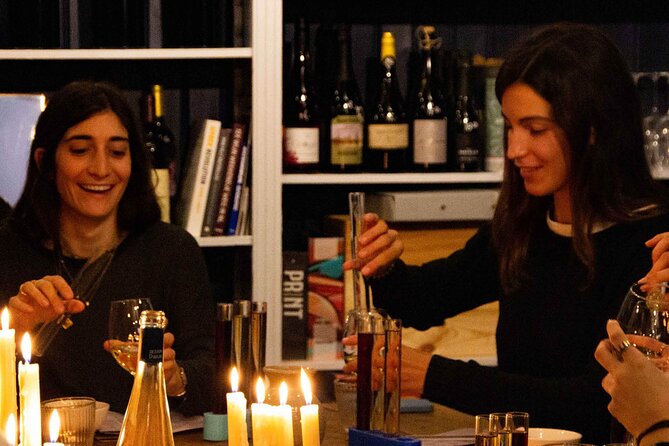
If you like the idea of wine that isn’t trying to impress you with the usual labels, this Amsterdam session is built for that. You’ll start at Haarlemmerdijk 129 and end back there, so it stays easy and central for your day.
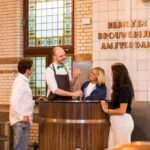
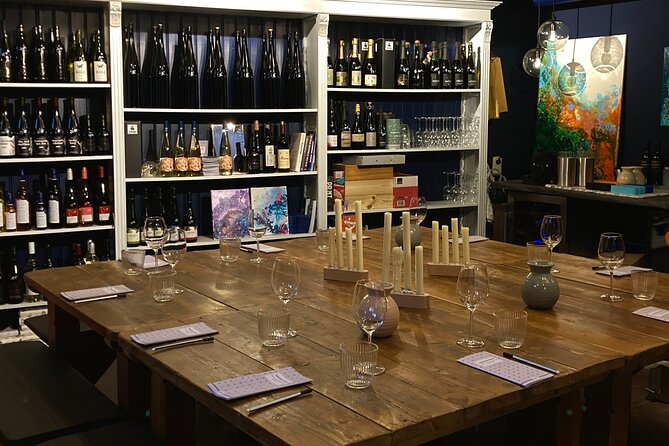
The setting is half the fun. The tasting takes place in a tucked-away, speakeasy-style wine space that sits connected to a bakery/café vibe in the area. Expect dim, cozy energy—not a loud bar scene—so you can actually taste and talk.
For me, the biggest value is the way the format stays approachable. You’re guided through each pour with a clear rhythm, and the sommelier (hosts like Diederik and sometimes Jerom/Jerome/Jeroen, depending on the evening) adjusts the talk based on what you already know. If you’re new to Dutch wine, you don’t get lost in jargon. If you’re a collector, you still get story and structure.
You can also read our reviews of more city tours in Amsterdam


What You Actually Drink: 5 Dutch Wines With Real-World Context
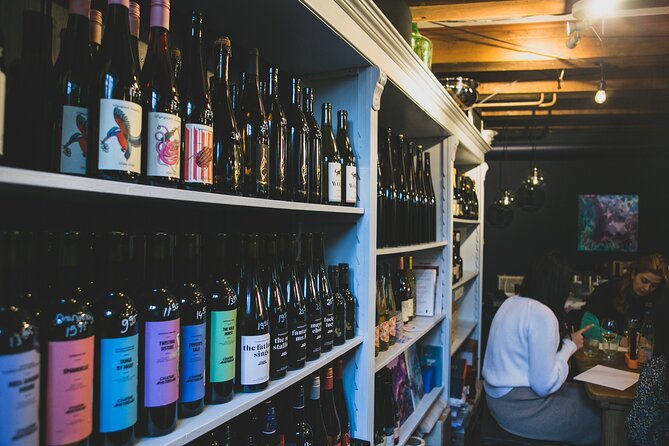
This isn’t a blind tasting where you play detective for 90 minutes. You get 5 tasting glasses of Dutch wines, selected for variety and for how they’re made in the Netherlands. The sommelier walks you through what you’re tasting and why it matters, and you’ll get tasting forms plus water to keep things comfortable.
One review detail that stood out to me: the host may explain how Dutch wines can use steel in production, plus some styles that are blended with or include more traditional barrel-aging approaches. That gives you a useful framework for why the wines can taste the way they do, even if you haven’t studied winemaking before.
You may also taste styles that many people don’t expect from the Netherlands. Orange wine came up in multiple experiences, and that’s a great entry point because it usually feels different enough that you notice textures and aromas right away. You might also hear how different regions contribute different results, not just “Netherlands wine” as one big category.
Bottom line: you leave knowing what you liked, but also why you liked it. That makes future tastings easier, because you’re learning a map rather than collecting random impressions.
Niemeijer Bread and How the Pairing Keeps Your Palate Honest
Wine tastings often forget one simple truth: your palate needs resets. Here, bread from Gebr. Niemeijer is included, and it shows up as the starter snack. It’s not a token cracker, either; the bread is treated as part of the pacing.
I like this because it solves a common problem. If you’re sipping multiple glasses back-to-back, you can start tasting in a fog. Bread helps you clear that mental palate haze so each next wine feels distinct instead of blended together.
If you have strong preferences—like wanting more crunch—you can ask on site. One note from an experience: a few people wanted more bread/crackers during the pacing, and the team indicated they can provide more upon request. So if you know you’ll get hungry, plan to ask politely rather than powering through.
How the Host Changes the Tempo for Beginners and Pros
This tasting is designed for all ability levels, and you can feel that in how the sommelier guides you. If you’re brand new, you’ll get explanations that start at the beginning. If you already know your reds from your whites, you’ll still get deeper production and style detail.
That matters because wine education can go one of two ways: either it’s too basic and you learn nothing, or it’s too technical and you check out. Here, the goal is to keep you present. The small group size helps too—people can ask questions and still have time to actually taste.
I also love the conversational tone. In some versions of the experience, the host gave extra recommendations beyond wine, including stops for drinks in Amsterdam (one named example was Wildeman for craft beer). That’s a small bonus, but it makes the tasting feel connected to the city rather than locked inside a room.
From First Sip to Bottle Stories: The Pairing and Ordering Feel
You’ll taste five wines in paced rounds, with water available throughout. The sommelier uses the tasting forms to guide you through what to notice, and the food pairing keeps you from getting overwhelmed by only sipping.
Several experiences mentioned how the host’s pairing suggestions improved the tasting—especially when bites like charcuterie or cheese are involved in the Royale option. Even when you’re just sticking with the included bread, it helps to think of each pour as a “course,” not a random sample.
Also worth knowing: there’s an option to order additional bites on site. The data you have here doesn’t spell out the exact menu, but the idea is clear—you’re not forced to leave the table to hunt for snacks.
One drawback to plan around: the bottles you taste might not always be available to buy at the shop or the experience the way you’d expect. A note from one experience pointed out that some wines weren’t available for purchase, connected to the shop moving/reopening timeline. So if you’re the type who wants to buy a specific bottle right after tasting, treat it as a maybe, not a sure thing.
The Royale Upgrade: When Charcuterie Is Actually Part of the Wine Story
If you upgrade, you’ll get a charcuterie platter with local products. This matters because Dutch wines often shine when paired with savory flavors—salt, fat, and a little sweetness from bread or accompaniments.
Charcuterie also helps keep the tasting lively. Instead of staring at five glasses and trying to remember notes, you’re pairing as you go, which makes the wines more memorable. Some experiences praised the board for being spot-on with the wines and for being generous enough that one person didn’t feel shortchanged.
One practical tip: if you have dietary needs, indicate them during booking. The experience asks you to note allergies, and it mentions vegan or gluten-free needs as well. That doesn’t guarantee every item can be changed, but it does give the organizer the chance to prepare or adjust.
Where You Meet and How to Fit It Into an Amsterdam Day
Meeting point is Haarlemmerdijk 129 and the tour ends back there. That’s convenient if you’re already planning to roam central Amsterdam, because you don’t need to tack on a separate transport plan.
The session runs about 1 hour 30 minutes to 2 hours. Give it real time. One common experience point was that it takes closer to the full window, especially when the host is pacing multiple tables.
It’s also a smart add-on if you want something calmer than museum hopping. The room is an easy place to slow down mid-day, especially in cooler months. If you have a tight dinner reservation later, you’ll want to schedule buffer time, since the tasting rhythm can stretch slightly depending on group size.
Price and Value: Is $57.32 a Good Deal for Dutch Wine?
At about $57.32 per person for roughly 1.5–2 hours, the price makes sense if you look at what’s included, not just what’s served. You’re paying for:
- Five Dutch wine tastings (not just one or two samples)
- Sommelier guidance through production, regions, and pairing ideas
- Bread from Gebr. Niemeijer
- Tasting forms and water
- A small-group atmosphere (max 18)
Amsterdam has plenty of tastings that feel like you buy access to a pour and stand around guessing. Here, the structure is the value. You’re not rushing. You’re learning a set of five wines you can talk about afterward, and you get a format that works for different comfort levels.
If you’re considering the Royale upgrade, treat it as “worth it if you want the full food pairing experience.” Some people praised the upgraded charcuterie board and felt it matched the wines well. If you only want a light snack and prefer to explore restaurants on your own, the base version may be enough.
Also, bring a realistic mindset about buying bottles. Part of the value is the tasting education and the experience, not necessarily a guarantee that you can purchase every wine you try on the spot.
Who Should Book This Dutch Wine Tasting (and Who Might Skip)
Book this if you want:
- A Dutch-focused wine introduction that doesn’t feel like a lecture
- A tasting with small group energy
- A guided explanation that adjusts for first-timers and for wine geeks
- A pairing setup that includes bread from Niemeijer and potentially charcuterie via Royale
It may not be your best match if:
- You strongly prefer to shop-bottle buy every wine you taste immediately after
- You want a very casual bar-style tasting with no structure or forms
- You’re expecting a long, multi-stop tour through many neighborhoods (this is mainly about the cellar experience)
For families: one experience noted the host was patient with a small child and that the tasting stayed enjoyable. That doesn’t mean kids are guaranteed to love wine lessons, but it suggests the room can handle real-life interruptions better than some formal tastings.
Should You Book This Dutch Winetasting in Amsterdam City Centre?
I’d book it if your goal is to learn Dutch wine in a way that feels relaxed and practical. The five-wine format is a sweet spot: enough variety to notice styles, not so many pours that you lose the plot. The speakeasy cellar setting also makes the evening feel like more than just tasting in a loud bar.
If you’re on the fence, here’s my decision checklist:
- If you want wine education without stress, this fits.
- If you care about food pairing, pick either the Royale upgrade or plan to order additional bites on site.
- If you’re hoping to take home specific bottles, don’t base your plan on instant bottle availability—ask, but keep expectations flexible.
Go in with an open mind about Dutch styles. You might show up thinking you only drink French or Italian reds, and leave with an opinion about steel vs barrel choices in the Netherlands, plus a newfound interest in oranges, reds, or fortified styles depending on that evening’s selection.
FAQ
How long is the Dutch Winetasting in Amsterdam City Centre?
It’s about 1.5 to 2 hours.
How many wines will I taste?
You’ll taste 5 hand-selected Dutch wines.
What food is included?
Bread from Gebr. Niemeijer is included as a palate-cleansing snack. There’s also an option to order additional bites on site, and an upgrade that includes a charcuterie platter.
Is the tour offered in English?
Yes, it’s offered in English.
Can the tasting accommodate allergies or dietary needs?
You should indicate any allergies, and the description mentions vegan or gluten-free options. It’s best to share your needs during booking.
Is the booking refundable if my plans change?
Yes. You can cancel up to 24 hours in advance for a full refund. If the minimum number of travelers isn’t met, you’ll be offered a different date or a full refund.