REVIEW · AMSTERDAM
Amsterdam Sightseeing Canal Cruise with Audio Guide
Book on Viator →Operated by Tours & Tickets · Bookable on Viator
Amsterdam from the water is different. This one-hour cruise glides along UNESCO-listed canals on a glass-topped boat while an audio guide explains landmarks as you pass them. You can also choose where you start, so the route feels tailored to your day.
I like that it’s short and focused—just long enough to get oriented without burning half your sightseeing day. I also like the range of sights for the price, from grand canal names (Keizersgracht, Herengracht, Prinsengracht) to big hits like Anne Frank House and Magere Brug. The one possible drawback is that the covered, windowed boat can limit photo angles and some views, especially if you’re hoping for open-top pictures.
In This Review
- Key things I’d plan around
- Glass-Top Boats and What You Actually See
- Picking Your Departure Point: Central Station, Anne Frank House, Rijksmuseum, or Leidse Square
- The Canal Belt in One Hour: Keizersgracht, Herengracht, and Prinsengracht
- Magere Brug and the 9 Streets: Where Photos Meet Real Charm
- From Anne Frank House to Westerkerk: Important Sites From the Water
- De Wallen, Nieuwmarkt, and the Flower Market That Floats
- Scheepvaartmuseum, NEMO, and Het IJ: Maritime and Science Views
- Audio Guide Quality, Headsets, and How to Hear the Story
- Price and Value: What $16.74 Buys You for 1 Hour
- Timing Tips and Getting the Best Seats
- Who This Cruise Suits Best (and Who Might Want Something Else)
- Should You Book This Amsterdam Canal Cruise?
- FAQ
- How long is the Amsterdam sightseeing canal cruise?
- What is the price per person?
- Where can I board the cruise?
- Is the audio guide available in English?
- What’s included in the ticket?
- What is not included?
- How many people are on the boat?
- What happens if weather is poor?
- Is free cancellation available?
Key things I’d plan around
- Glass-topped boat comfort: sheltered ride, but overhead windows can block views and camera angles.
- Four departure points: Central Station, Anne Frank House, Rijksmuseum, and Leidse Square let you match your itinerary.
- Audio guide does the heavy lifting: English commentary helps you understand what you’re seeing as you float by.
- You’ll hit the postcard canals fast: Keizersgracht, Herengracht, and Prinsengracht are on the route.
- One hour means quick orientation: perfect early in your trip, but it won’t replace deeper museum time.
Glass-Top Boats and What You Actually See
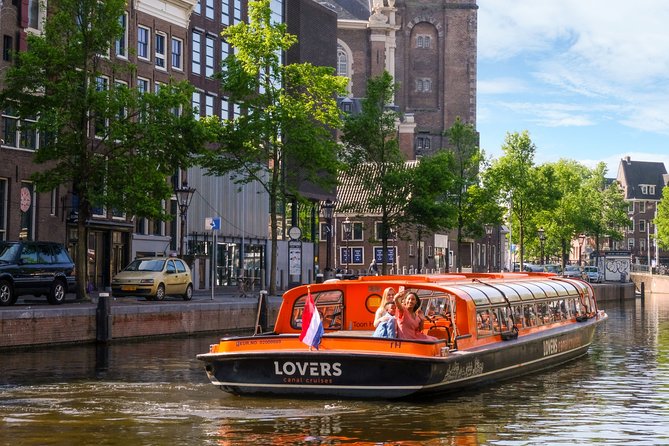
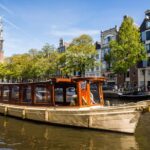
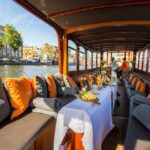
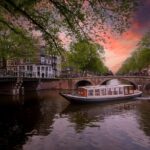
This cruise is all about seeing Amsterdam from the canals without having to walk the whole canal belt. The boat is covered, with glass-topped sections, so you can still enjoy views both forward and down (weather permitting). It also feels cozy during cool or rainy weather—nice when you’re juggling the Dutch forecast.
The trade-off is simple: because you’re inside a structured boat, you’ll be photographing through window frames at times. One person noted the framework overhead windows restricted views, and in winter that can matter. If you’re the type who cares about getting clean, unobstructed shots, plan to use your phone camera slightly lower and aim around window edges rather than straight through the center.
You can also read our reviews of more boat tours in Amsterdam
Picking Your Departure Point: Central Station, Anne Frank House, Rijksmuseum, or Leidse Square
This is a great setup for a city that’s spread out the way Amsterdam is. You don’t have to haul yourself across town just to start your cruise. The four options make it easier to pair the boat tour with whatever you’re doing next—museums, walking areas, or a quick evening plan.
Here’s how I’d think about the choices:
- Central Station is ideal if you want an easy start and then to continue exploring on foot afterward.
- Anne Frank House is useful if you’re already in that neighborhood and want the canal perspective right away.
- Rijksmuseum works well if you’re pairing big art and canal views in one stretch.
- Leidse Square is a smart choice if you’re leaning toward cafés, nightlife, or a museum day that ends near the theater district.
Check-in happens at Lovers about 10 minutes before your reserved time. So whichever departure point you choose, give yourself a little buffer. This keeps the day calm instead of stressful.
The Canal Belt in One Hour: Keizersgracht, Herengracht, and Prinsengracht
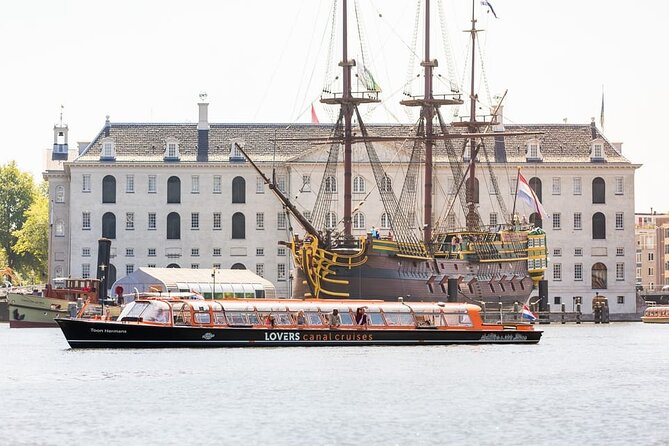
If you want a fast introduction to Amsterdam’s famous canal belt, this part is the reason to book. The route is built around the big three merchant canals—each named after political power or royal connections, and each lined with houses that tell you wealth grew here early.
Keizersgracht was dug in 1612 and is described as the widest of the main canals. That width matters because it changes how the houses and bridge views feel. From the water, you get a stronger sense of scale—Amsterdam’s “rich-looking” canal architecture isn’t just tall facades; it’s built into the canal geometry.
Then comes Herengracht, also dug in 1612, but framed as the most prestigious canal, home to the elite and known as the Golden Bend. On a boat, that translates into a more dramatic rhythm: stately mansions, tidy canal edges, and a feeling of hierarchy along the waterline. Even if you don’t know every house name, you’ll recognize the shift in tone.
Finally, Prinsengracht was part of Amsterdam’s major 17th-century expansion. You’ll see the canal houses that made this area desirable, along with the sense that the canal belt was planned as much as it was grown. For many first-time visitors, this is the “aha” moment where the city stops feeling random and starts feeling designed.
Magere Brug and the 9 Streets: Where Photos Meet Real Charm
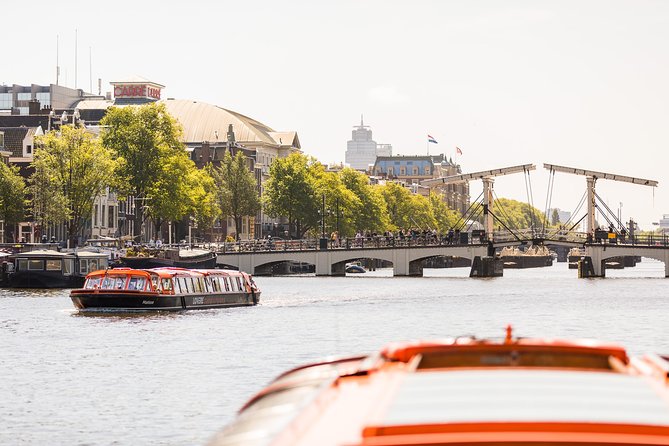
Magere Brug, the Skinny Bridge, is one of those Amsterdam icons you recognize instantly once you’re near it. It’s a historic wooden drawbridge originally built in 1691 and rebuilt in 1934 in the same traditional style. It’s also known for its nightly illumination, which is why people love seeing it after dark.
Right nearby in spirit (and in typical route storytelling), De 9 Straatjes—Nine Streets—adds the softer side of Amsterdam. It’s made up of nine narrow streets in the canal belt, known for small boutiques, vintage shops, and cozy cafés. From the cruise, you don’t “do” the shops, but you get a sense of how the canal belt connects to neighborhoods with personality. It’s a great complement to the big, monumental sights.
If you’re doing a day that includes both sightseeing and shopping wandering, use the canal cruise as your compass. When you get off, you’ll know which direction to walk to reach the Nine Streets area without guessing.
From Anne Frank House to Westerkerk: Important Sites From the Water
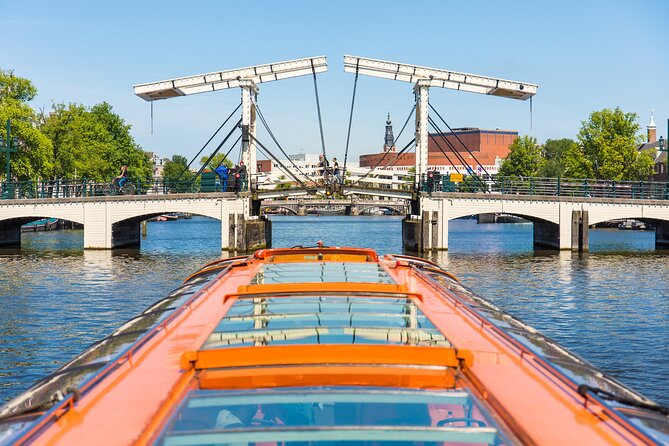
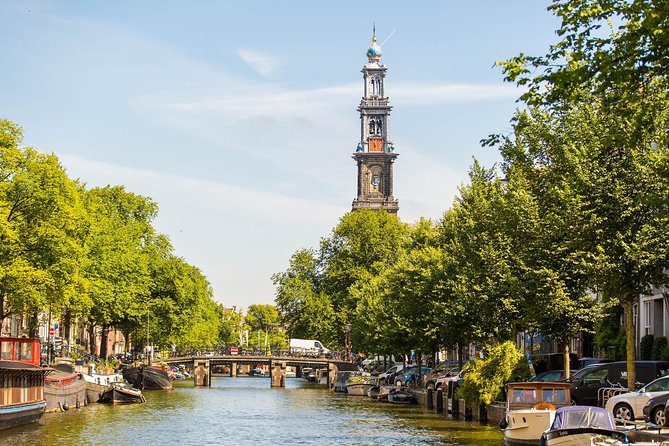
The cruise is designed to pass by major landmarks, including the Anne Frank House area and the Westerkerk (Westertoren). Westerkerk was completed in 1631 and is noted for Dutch Renaissance architecture and its tall, ornate tower. It also sits near Anne Frank’s house, which is part of why these two stops often feel close together in your mental map.
A canal view of these places hits differently than looking at them from the street. You’re not just seeing buildings—you’re seeing Amsterdam’s relationship with water. That helps, especially when you want the emotional weight of a historic site without turning your entire afternoon into a long queue-and-museum marathon.
One practical note: the boat route can include what feels like “homes and structures” more than big monuments, especially because Amsterdam is packed with canalside architecture. If you’re expecting constant dramatic viewpoints every 30 seconds, you might find yourself wishing for more openness. On the plus side, if you’re there to slow down and let the city come to you, that mix works well.
You can also read our reviews of more guided tours in Amsterdam



De Wallen, Nieuwmarkt, and the Flower Market That Floats
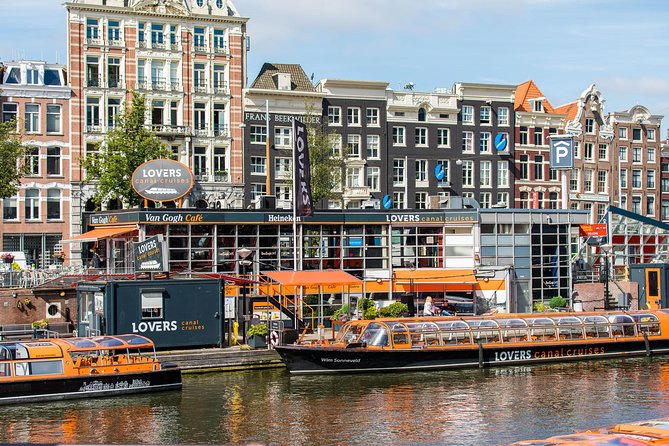
Some canals in Amsterdam feel like a formal museum. Others feel like a neighborhood that never stops. This cruise includes both kinds of scenery.
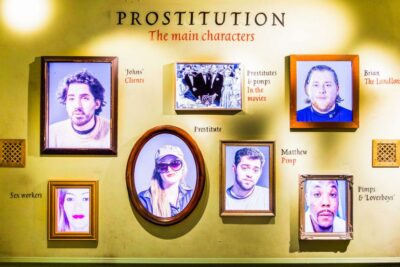
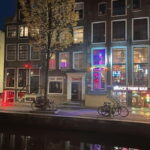
De Wallen (Red Light District) is described as the city’s oldest neighborhood dating back to the 14th century as a harbor area. Today it’s regulated and combines historic buildings, legalized sex work, and a mix of tourism and nightlife. Seeing it from the water changes the vibe slightly—you still understand it’s an active, adult-oriented area, but you’re not shoved into it on foot. For many people, that means less sensory overload and a more controlled look.
Then there’s Nieuwmarkt, a public square with a history tied to the old city wall. Its centerpiece is the Waag building, originally served as a city gate and later as a guildhall. From the canal, it’s easier to connect the square to the larger canal belt story, like you’re reading the city in layers.
And then you get to Bloemenmarkt, the world’s only floating flower market, established in 1862. Stalls sit on houseboats along the Singel canal, selling bulbs and souvenirs along with plants. Even if you’re not buying anything, it’s a colorful stop in your mental photo album. It’s also a reminder that Amsterdam isn’t only about art and old buildings; it’s also about living commerce.
Scheepvaartmuseum, NEMO, and Het IJ: Maritime and Science Views
If your cruise day includes kids, or if you just like a change of pace from canals-as-aesthetic, you’ll appreciate the maritime and science signals on the route.
The Scheepvaartmuseum is housed in a historic 17th-century warehouse and focuses on Dutch maritime history, with ships, maps, and nautical artifacts. It was renovated in 2011, and the museum highlights the Netherlands’ link to the sea. From the canal, the museum area reads as “Amsterdam as a trading port,” not just a canal-city.
Nearby in the wider area comes NEMO Science Museum, designed by architect Renzo Piano. It opened in 1997 and is known for the distinctive green, ship-like structure above the Oosterdok. Again, you won’t do hands-on exhibits on the cruise, but you’ll spot the structure and understand why it’s a family magnet.
Finally, Het IJ is described as a former bay and body of water that connects the city to the North Sea. On the water, that means Amsterdam’s canal network feels like part of something bigger—an urban system tied to the open sea. If you want the city to feel practical as well as pretty, this adds that angle.
Audio Guide Quality, Headsets, and How to Hear the Story
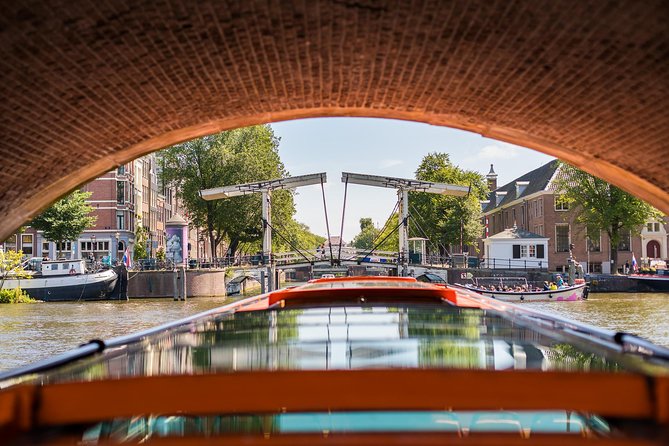
This cruise leans on an audio guide, offered in English, plus other languages. The commentary is what turns a pass-by city stroll into something you can actually remember.
That said, your listening experience depends on the onboard sound setup. Some people reported that headphones didn’t work properly or that the audio missed information, while others noted the captain’s announcements could make it hard to focus on the commentary. So here’s the practical approach: treat the audio as the main script, but don’t be surprised if the captain also adds spoken facts.
Also, if you’re sensitive to noise, timing matters. One review described an unexpectedly noisy atmosphere where the recorded commentary became impossible to hear. If you want the most relaxing trip, consider choosing a less peak time (like a weekday or earlier departure), so you don’t have to compete with extra chatter.
Price and Value: What $16.74 Buys You for 1 Hour
At about $16.74 per person for roughly one hour, this is priced like a classic quick orientation stop. The value comes from the mix: you’re paying for transport on water, the audio guide, and a concentrated route through the canal belt’s most recognizable areas.
Where the value really lands is when you’re short on time. Amsterdam’s walking can be great, but it’s also slow. A one-hour canal cruise gives you a city-spread understanding that helps you plan the rest of your day. It’s also a comfortable option when weather is messy. Multiple comments described the ride as warm and cozy because the boat is enclosed, which matters if you’re traveling in cooler seasons.
The drawback is tied to expectations. If you want a guided narration plus maximum photo freedom, a covered boat may feel limiting. If you want a relaxed overview with solid landmark context, this price is hard to beat.
Timing Tips and Getting the Best Seats
You’ll find this is booked about 10 days in advance on average. That suggests popular time slots can sell out, especially around peak travel dates and holidays. I’d treat it like a must-do on a first visit, not a last-minute filler.
Also, one of the best pieces of advice from the experience is simple: get in early to get better seating. The boat can be packed, and better spots matter if you want clearer sightlines through windows. In winter, the enclosed setup keeps you comfortable, but you may still want to position yourself to reduce glare or framing blocks.
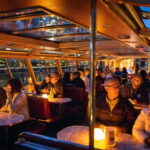
If you’re going at night, you’ll appreciate the lighting. One cruise experience on Christmas Eve was noted for its pretty lights along the canals. Even if you’re not traveling in December, a later departure often makes icons like Magere Brug look extra dramatic.
Who This Cruise Suits Best (and Who Might Want Something Else)
This tour is a strong fit if you:
- want a first-pass orientation to Amsterdam’s canal belt
- prefer not walking for an hour straight
- want an easy, guided-feeling experience without committing to a museum day
It may not be ideal if you:
- need an open-top view for photography, since overhead window structures can limit angles
- expect complete quiet and perfect audio clarity, since the onboard sound environment can vary
- want a deep, stop-by-stop guided tour rather than a narrated pass-through
If you’re doing the classic Amsterdam “walk lots, see more, repeat,” this cruise gives you a breather and a better mental map.
Should You Book This Amsterdam Canal Cruise?
Yes, if you want an efficient, comfortable way to understand Amsterdam’s canals and hit major sights without exhausting yourself. The price-to-time ratio is the headline here, and the audio guide keeps the experience from feeling like scenery-only.
I’d book it earlier in your trip. That’s when its orientation value helps the most—so your next museum visit, neighborhood walk, or canal-side café choice makes sense. If you’re picky about photos, arrive early for the best possible seat and don’t expect a perfect open-air camera view.
FAQ
How long is the Amsterdam sightseeing canal cruise?
It’s about 1 hour.
What is the price per person?
The price is $16.74 per person.
Where can I board the cruise?
You can make your way to one of four departure points: Central Station, Anne Frank House, Rijksmuseum, or Leidse Square.
Is the audio guide available in English?
Yes. The tour is offered in English (and also includes audio guide options in several languages).
What’s included in the ticket?
Included are the 1-hour canal cruise and the audio guide.
What is not included?
Food and drinks are not included, and there’s no hotel pickup or drop-off.
How many people are on the boat?
The tour/activity has a maximum of 60 travelers.
What happens if weather is poor?
The experience requires good weather. If it’s canceled due to poor weather, you’ll be offered a different date or a full refund.
Is free cancellation available?
Yes, you can cancel for a full refund if you cancel up to 24 hours in advance of the experience start time.