REVIEW · AMSTERDAM
Amsterdam: Make your cheese next to De Hallen
Book on GetYourGuide →Operated by De Kaasserie · Bookable on GetYourGuide
You start with milk and leave with cheese. I love the hands-on process, and I love that you make two cheeses using different coagulation methods. One consideration: this is dairy-focused, so it’s not for people with lactose intolerance.
The whole session runs about three hours inside De Kaasserie, near the De Hallen area. You get a short intro with tea, make your cheeses, then finish with a tasting that compares fresh and pressed results.
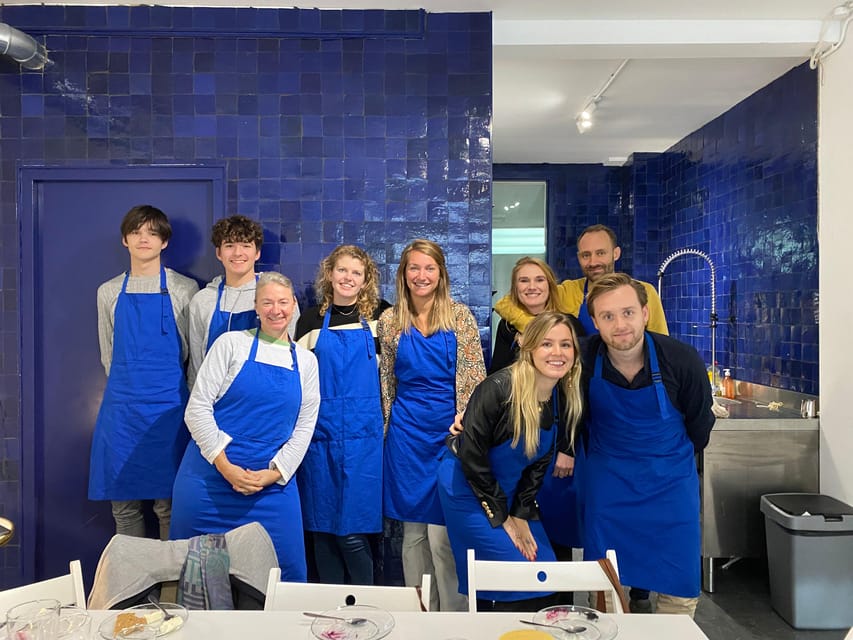
The small group size (limited to 10) keeps things personal, so you can ask questions without shouting across the room. In at least one class I’ve read about, the instructor was Paula—described as both knowledgeable and personable—and the workshop is offered in English, Spanish, French, and Dutch, depending on the day and instructor.
In This Review
- Key things I’d zero in on before you go
- Why De Kaasserie and cheese class feel like the right match
- Meeting at De Kaasserie: tea intro, short presentation, and a small group pace
- The two coagulation methods you’ll actually understand
- Hands-on cheesemaking: two liters, two cheeses, and a chance to season
- The tasting: compare fresh and pressed results with your own cheese
- What you take home: cheese, cloth, rennet, calcium, and recipes by email
- Price and value: is $135 per person fair?
- Who should book this (and who should skip it)
- Practical tips for a smoother 3-hour workshop
- Should you book Make your cheese next to De Hallen?
- FAQ
- How long is the cheese workshop?
- How many people are in the group?
- What does the workshop include?
- What ingredients and methods will I use?
- Do you include coffee or alcohol?
- Is it suitable for lactose intolerance or for children?
Key things I’d zero in on before you go
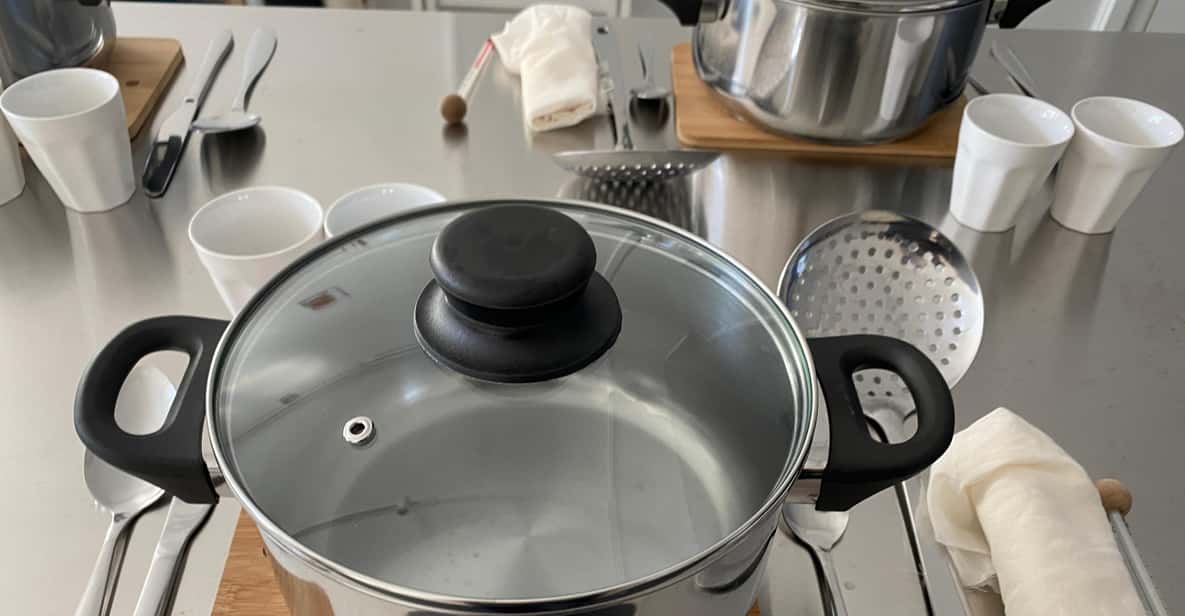
- Two coagulation paths (acid vs rennet): you learn the basic science behind different cheese styles
- A true make-it-yourself output: two milk cartons lead to two pieces of cheese
- Flavor experiments: you can add spices and herbs to your cheese
- A tasting with contrast: fresh and pressed cheese show you what changes texture and taste
- Take-home tools, not just memories: cheese cloth, rennet, calcium, plus recipes by email
Why De Kaasserie and cheese class feel like the right match
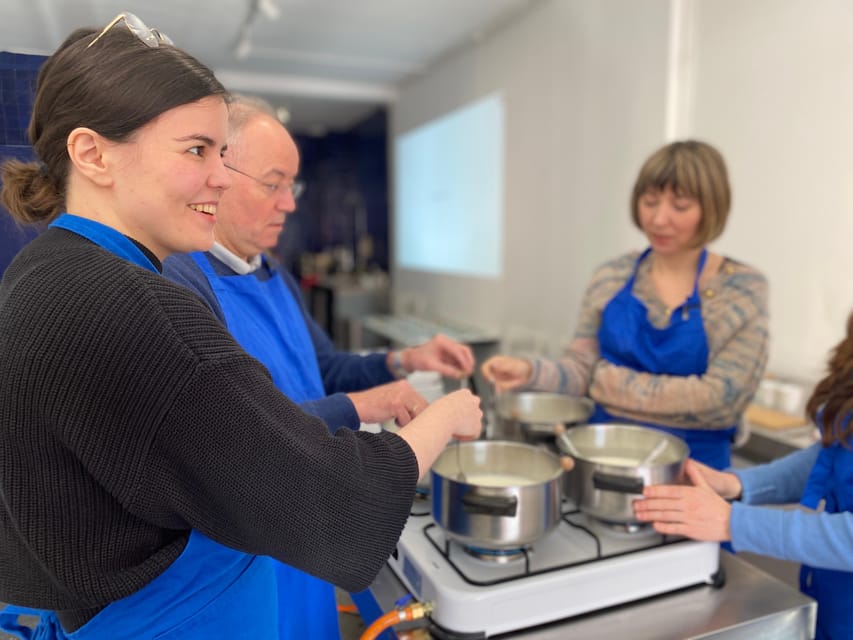
If you like travel moments that are practical, this workshop scratches a specific itch: you learn a skill you can repeat at home. De Kaasserie is the base, and the big advantage of the setup is that it’s not just a demo. You’re making cheese, step by step, while the instructor explains what’s happening and why.
I also like the location idea behind Make your cheese next to De Hallen. You can pair this with an easy food-and-walk afternoon in Amsterdam North Holland, without turning your schedule into a maze of transport connections. You’ll be able to think clearly before you start, then switch gears afterward with something casual—because you’ll likely end with a full stomach from the tasting and your tea intro.
This is also the kind of activity that tends to “stick.” You remember processes better than facts, and here the process is physical: milk in, curds forming, cheese taking shape.
You can also read our reviews of more tours and experiences in Amsterdam


Meeting at De Kaasserie: tea intro, short presentation, and a small group pace
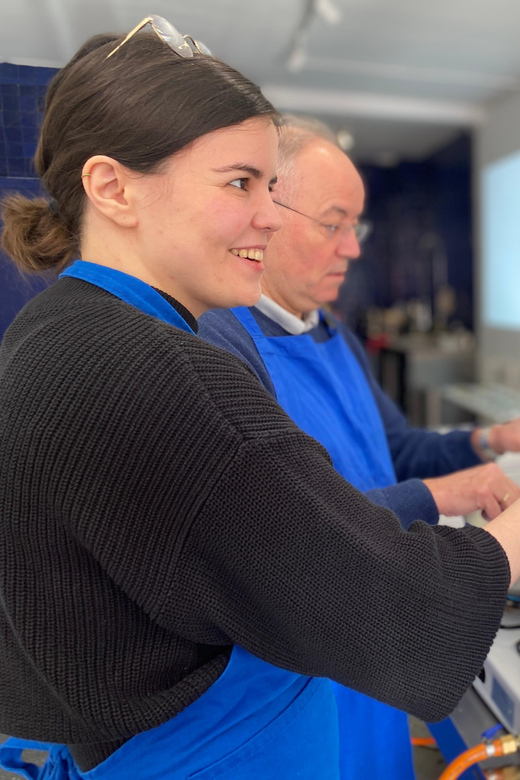
You meet at De Kaasserie. Once everyone arrives, the instructor begins with a presentation that sets the tone and the structure of the workshop. It’s not a long lecture. It’s a clear setup so you know what you’re aiming for when you start working with milk.
One detail I think matters: you’re not arriving to an anonymous crowd. The group is limited to 10 participants, so it’s realistic to get help when you have questions. That group size also makes the workshop feel more like a shared craft session than a ticketed show.
The tea intro is included. And depending on your language choice, the instructor can teach in English, Spanish, French, or Dutch, which is a big deal if you want to understand the science part without guessing.
In one class described by a participant, the session began with brief slide content and introductions. I like that approach because it helps you learn the names of the people around you—plus it nudges the instructor to pitch the explanations in a way that fits the room.
The two coagulation methods you’ll actually understand
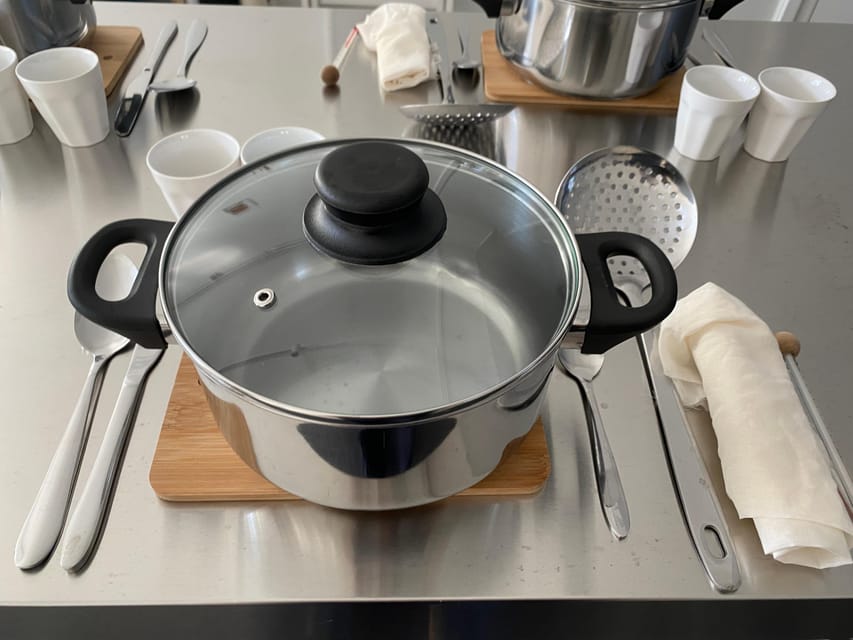
This workshop teaches two basic principles of milk coagulation—the turning point that separates different cheese styles.
Here’s what you’ll learn in plain terms:
Acid-coagulated cheese forms when acidity helps milk proteins tighten up into curds. In the workshop, you make this style using one liter of supermarket milk.
Rennet-coagulated cheese uses rennet (an ingredient used to start coagulation in the rennet process). In the workshop, you’ll use another liter of supermarket milk to make a second cheese in this category.
The practical win: you don’t just hear the terms. You see the difference as you go through the steps.
And there’s a future-facing note that makes this class more than a one-off hobby. Rennet coagulation is the procedure used to make aged cheese. You’ll learn the rennet process using a fresh cheese in this workshop, so you’ll have a foundation to try more complex, longer recipes later at home.
Hands-on cheesemaking: two liters, two cheeses, and a chance to season
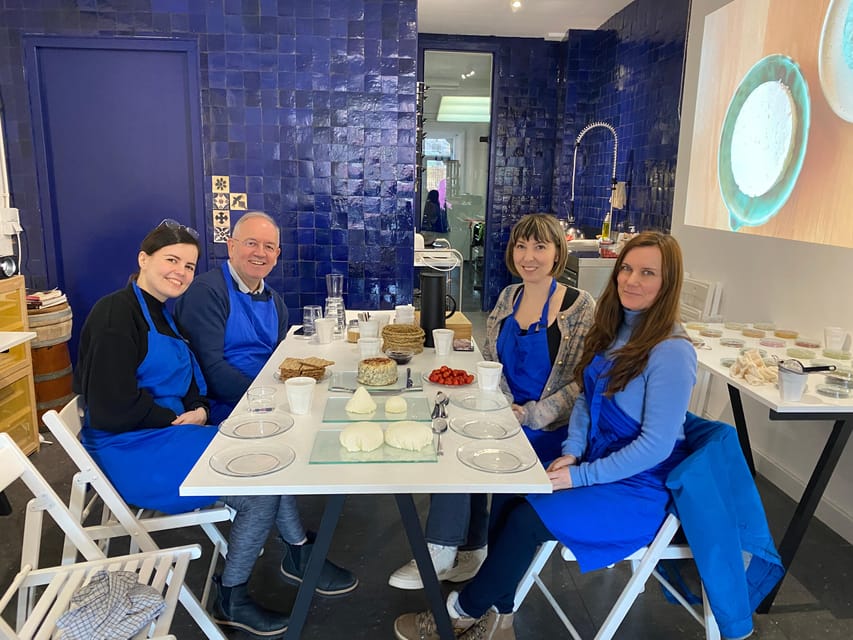
After the intro, you get to work. The workshop is designed around a simple output equation: one liter per cheese.
You start with two one-liter portions of milk (from supermarket cartons). Those two liters become two pieces of cheese—one acid-coagulated and one rennet-coagulated. The class keeps it concrete, which is what makes it feel doable even if you’ve never made cheese before.
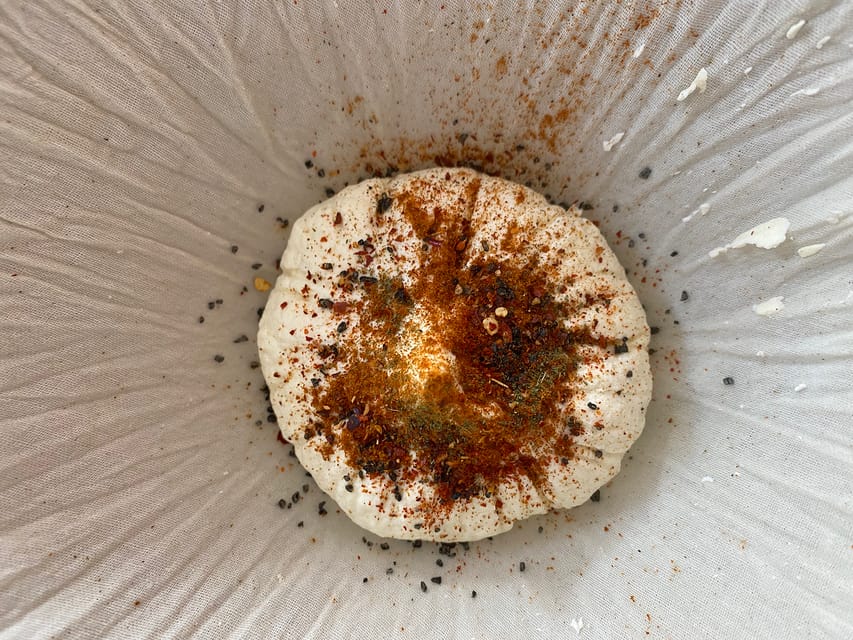
Then comes one of my favorite parts: the permission to play. You experiment with adding spices and herbs to your cheese. That’s not just for flavor. It’s also a way to help you imagine customizing your next batch when you’re back home with your own kitchen tools.
A small but meaningful detail: both pieces are described as fresh kinds of cheese. So you’re not dealing with a long aging timeline during the workshop. You’ll get a finished product and a tasting within the three-hour window, which makes it a strong pick if you’re short on time in Amsterdam.
The tasting: compare fresh and pressed results with your own cheese
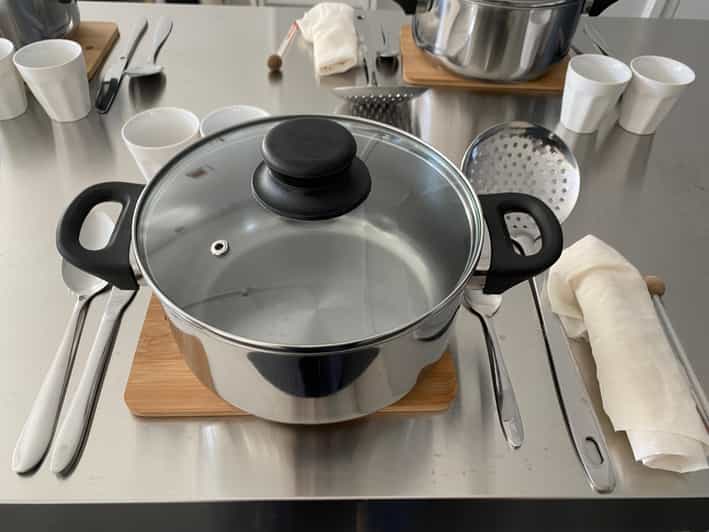
Once your two cheeses are ready, the workshop wraps with a cheese tasting. This is where the learning clicks.
The included tasting is built around contrast: you’ll taste your homemade cheeses in fresh and pressed forms. Even without being a cheese expert, you can notice differences in texture and flavor intensity as the cheese changes.
I like this format because it’s not just tasting for fun. It’s a mini feedback loop:
- What did the acid-coagulation method do to texture?
- What did the rennet method do to the curd set and body?
- How do pressing and handling affect the final feel?
You also take the experience out of the classroom mindset. Instead of imagining results, you taste what you made, right then, with the instructor available if you have questions.


What you take home: cheese, cloth, rennet, calcium, and recipes by email
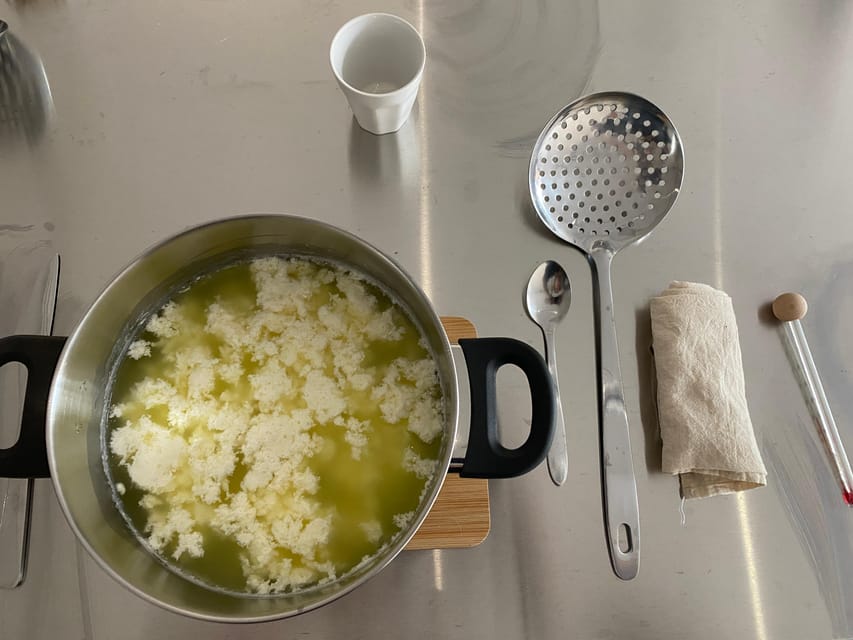
This workshop is unusually strong on follow-through. You’re encouraged to experiment with cheese-making at home, and the class gives you the materials to do it.
You take with you:
- your two cheeses
- a cheese cloth
- rennet and calcium
- and the recipes by email
That recipe email matters more than it sounds. In a skill-based activity, you want a reference you can revisit. And since the workshop is only three hours, you’ll likely remember the big ideas but appreciate having a written version for the timing and ingredient details later.
Also, because you leave with the rennet and calcium along with your cheeses, you’re not starting from scratch. You can try again while the process is still fresh in your mind—which is exactly when people improve fastest.
One practical note: since you’re carrying cheese after the workshop, plan for how you’ll store and transport it. If you’re planning a day of walking, consider using whatever fridge-carrying plan you already use for food on trips.
Price and value: is $135 per person fair?
At $135 per person for a three-hour small-group workshop, the value comes down to what’s included and what you gain.
You’re not paying only for instruction time. You’re also paying for:
- making two cheeses (fresh kinds) during the session
- the included tea and guided introduction at De Kaasserie
- the included tasting (fresh and pressed)
- and take-home materials: cheese cloth, rennet, calcium, plus recipes sent by email
When you compare that to typical Amsterdam activities, the big advantage is skill transfer. You’re leaving with an actual craft and a kit that supports trying again. If you enjoy hands-on food projects, that tends to beat spending money on experiences that end when you step outside.
There’s no coffee or alcoholic beverages included, so if you like pairing workshops with a drink, plan to grab one separately afterward.
Who should book this (and who should skip it)
This is best for adults who want a hands-on food skill, not just a quick tasting.
It’s a strong fit if you:
- like cooking classes where you do real work, not just watch
- are curious about how cheese-making changes based on milk coagulation
- want a take-home project and a reason to keep experimenting
It’s not suitable for:
- children under 16
- people over 95
- people with lactose intolerance
So if you’re traveling with a mixed group, this is one you’ll likely need to split—cheese lovers can go, and everyone else can choose a different activity nearby.
Practical tips for a smoother 3-hour workshop
Here are a few real-world pointers that make the experience easier:
- Wear clothes you don’t mind getting a little messy. Cheesemaking is hands-on.
- Ask questions early about the two coagulation methods. Once you start working, it’s harder to stop the flow.
- If herbs and spices are your thing, decide what flavors you want before you start mixing. That helps you avoid decision stress mid-process.
- After the workshop, plan storage for the cheeses you take home. You’ll want to keep them in good shape right away.
- If you’re booking in a specific language, confirm it matches your comfort level. The class is offered in English, Spanish, French, and Dutch, but the instructor language depends on the option booked.
Should you book Make your cheese next to De Hallen?
I’d book this if you want a genuinely practical Amsterdam experience: you’ll make two fresh cheeses, taste the results, and leave with tools and recipes to try again. The small group size keeps it personal, and the acid vs rennet lesson gives you a mental model you can use later, not just a finished product you eat once.
Skip it if dairy doesn’t work for you, or if you’re looking for a purely sightseeing-based afternoon. This workshop is a focused craft session, so it’s best when you have time to slow down.
If you’re the kind of traveler who likes to come home with a story you can repeat—like teaching someone how rennet coagulation leads toward aged cheese—this one is a solid choice.
FAQ
How long is the cheese workshop?
The duration is 3 hours.
How many people are in the group?
It’s a small group limited to 10 participants.
What does the workshop include?
You get tea with an introduction to De Kaasserie, you make two kinds of cheese, you enjoy a homemade cheese tasting (fresh and pressed), and you take home two cheeses plus a cheese cloth, rennet, calcium, and recipes by email.
What ingredients and methods will I use?
You’ll make one acid-coagulated cheese and one rennet-coagulated cheese. The rennet coagulation method is the procedure used to make aged cheese.
Do you include coffee or alcohol?
No. Coffee and alcoholic beverages are not included.
Is it suitable for lactose intolerance or for children?
It’s not suitable for people with lactose intolerance, and children under 16 are not suitable. People over 95 are also not suitable.
You Might Also Enjoy


More Cheese in Amsterdam
- Zaanse Schans Windmills, Clogs and Dutch Cheese Small-Group Tour from Amsterdam
★ 4.5 · 2,369 reviews