REVIEW · AMSTERDAM
Amsterdam: Cultural Highlights in English/German/Italian
Book on Viator →Operated by Amsterdamliebe · Bookable on Viator
Amsterdam makes sense on foot. This compact walk links the big monuments to the stories that shaped the city, with a German- and English-speaking guide (and, at times, Italian as well) who keeps things practical for your whole trip. You start at the National Monument area and finish back at the same spot, so there’s no stressful “where do we go next?” energy.
I especially like the free admission promise. Every stop is set up so you can see key sights without paying in the moment, and the route stays focused on what to look at and what to remember. I also like the small-group format (max 15), which keeps the pace human and gives you real chances to ask questions instead of just hearing facts through the crowd.
One consideration: you’re walking about 3 to 4 kilometers over roughly two hours. If you’re not into steady walking (or you’re visiting with very young kids who can’t handle it), plan for slower breaks and wear comfortable shoes.
In This Review
- Key highlights you’ll notice right away
- Why this 2-hour Amsterdam walk is such a smart use of time
- Starting at National Monument: the Dam area as your orientation point
- Dam Square and the origin story: old city roots and royal power
- Beurs van Berlage: how Amsterdam got rich in the Golden Era
- Nieuwe Kerk and the city’s turning points
- Multatuli statue: colonial-era conversations in public space
- Magna Plaza and Westerkerk: institutions, faith, and neighborhood links
- Anne Frank statue and the Jewish story of Amsterdam
- Gay Monument: learning how LGBTQ+ Amsterdam became visible
- Negen Straatjes and Spui: where your walk turns into your next day plan
- How the guide quality shows up in real details (Deborah, Justin, Josh, Stephanie, Marina)
- Price and value: what $33.88 really buys you
- Who should book this walking tour (and who might want a different style)
- Should you book Amsterdamliebe Cultural Highlights?
- FAQ
- How long is the Amsterdam Cultural Highlights walking tour?
- How much walking is involved?
- Where does the tour start and end?
- Are there admission fees for the sights?
- Does this tour include the red-light district or a coffee shop stop?
- What language is the tour offered in?
Key highlights you’ll notice right away
- Small group up to 15 people, good for questions and a relaxed pace
- Free entry at every scheduled stop, so your money stays in your wallet
- Dam Square, Golden Era trade, and church history all in one route
- Jewish history (Anne Frank) and LGBTQ+ Amsterdam (Gay Monument) woven in
- Negen Straatjes shopping advice at the end, so you leave with a game plan
- Spui and Begijnhof with tips for finding the quieter side of the area
Why this 2-hour Amsterdam walk is such a smart use of time

This is the kind of tour that helps you get your bearings fast. Amsterdam can feel like a puzzle at first—canals everywhere, neighborhoods with their own identity, and landmarks that look connected but aren’t explained on their own. Here, you cover a tight loop centered on the city’s older core and the stories behind it.
The “2 hours” part matters. You’re not signing up for a full day of walking, and you’re still getting enough context to enjoy museums and neighborhoods later. Plus, with a mobile ticket, you’re set up to show up and start without extra fuss.
The group size (max 15) also changes the vibe. You’ll get more than a one-way lecture, and the pace is designed to move with the slowest person in the group. If you want a tour that keeps you engaged without rushing, this fits well.
You can also read our reviews of more tours and experiences in Amsterdam.


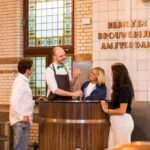
Starting at National Monument: the Dam area as your orientation point
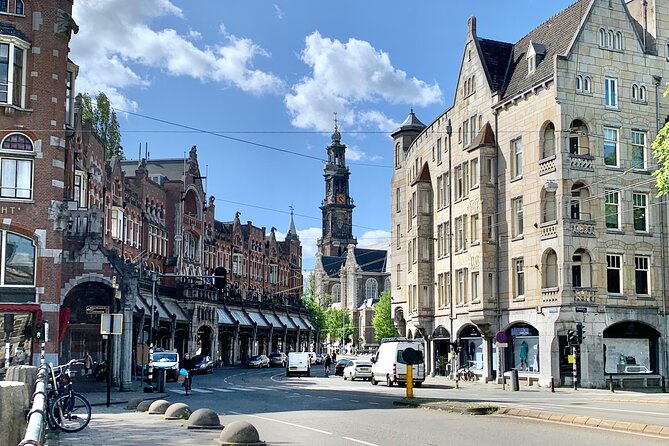
Your tour begins at National Monument, Dam, 1012 JS Amsterdam. This is a great opening location because Dam Square and the surrounding center act like a hub—easy to understand, easy to revisit later, and full of landmarks packed into short distances.
From the start, the guide’s job is basically to train your eyes. You learn what to notice beyond the obvious views—how the city’s identity is tied to specific buildings, and how later periods piled on top of earlier ones. Even the first stop is a quick setup: you’re not wasting time before the stories begin.
Because this is on foot, you avoid traffic and parking worries. And you’ll be covered from public transit since the area is well connected. If the weather is warm, bring water and a hat—Amsterdam can be pleasant until it suddenly isn’t.
Dam Square and the origin story: old city roots and royal power
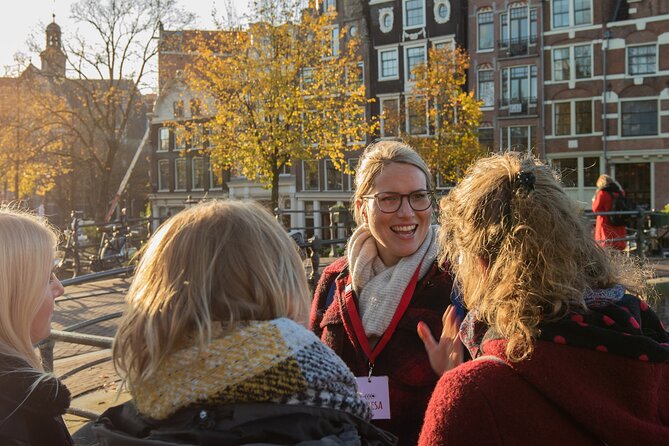
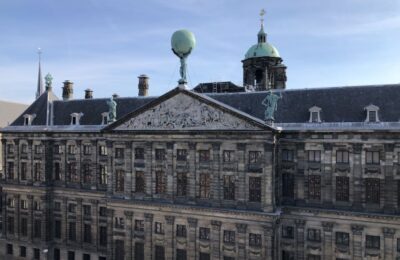
Next you head to Dam Square, where you’ll get the origin of Amsterdam and how the city took shape. This is one of those places where it’s easy to just pass through—but with the guide leading, you can connect the physical layout to the idea of how Amsterdam grew into a major player.
The stop also focuses on what sits around the square: the history of the old town house and the royal palace. That’s a helpful shift. Instead of treating the buildings as scenery, you start understanding them as political and cultural anchors.
Time on this stop is about 15 minutes, so it’s enough to learn the key points and still feel like you’re moving with purpose. If you like a clear narrative arc, this part helps set it up.
Beurs van Berlage: how Amsterdam got rich in the Golden Era
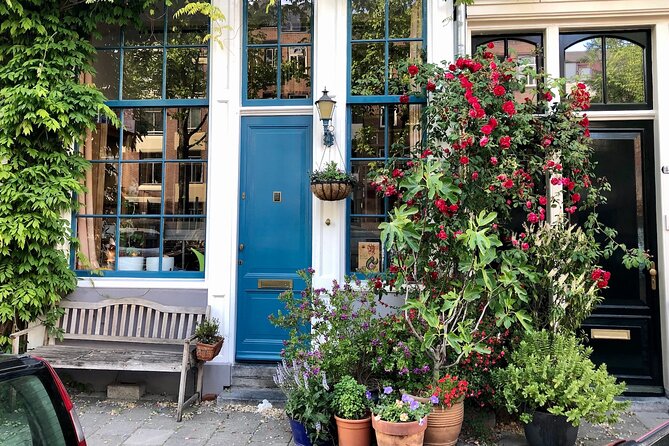
At Beurs van Berlage, you learn how Amsterdam became the world’s wealthiest city during the Golden Era. This isn’t just “trade made money” talk. You’ll connect the era to the way Amsterdam functioned—commerce, investment, and the kind of civic pride that shows up in impressive architecture.
This is a quick stop too (about 15 minutes), but it’s one of the most “why it matters” moments on the route. When you understand how money and trade drove the city, a lot of later spots make more sense. Even if you’re not an architecture person, the explanation helps you read the building like a historical document.
If you’ve ever wondered why Amsterdam looks prosperous even when you’re not seeing obvious industry today, this stop gives the backstory.
Nieuwe Kerk and the city’s turning points
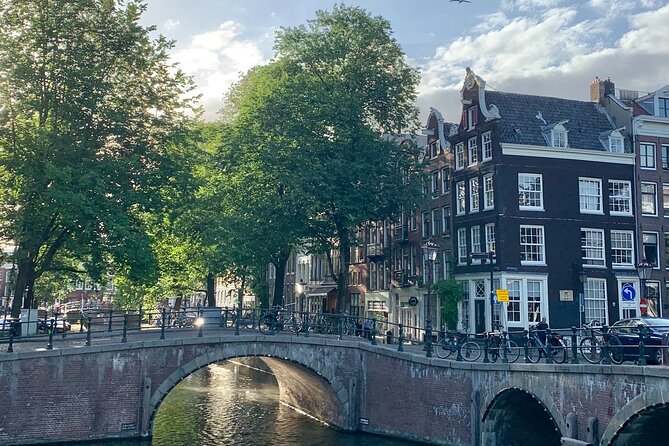
The tour then moves to Nieuwe Kerk, where you’ll explore the history of the church and why it mattered for Amsterdam’s development. Churches in Europe often carried more than religion—they were tied into public life, major events, and shifting power. Here, you’ll get the connection rather than just the exterior.
This stop is short (about 5 minutes), so it works best if you stay alert and listen closely. The guide’s context is what turns a quick glance into something useful. You’re not expected to hang around for long; you’re meant to walk away with a clear takeaway.





Multatuli statue: colonial-era conversations in public space

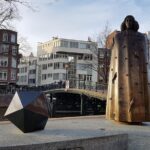
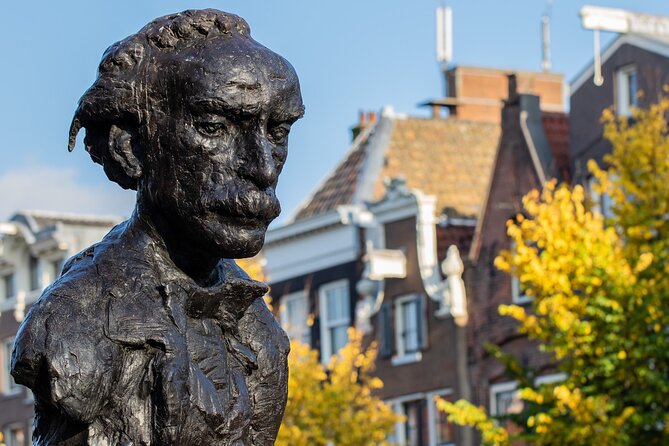
At the Statue of Multatuli, the guide focuses on Amsterdam’s colonial era and how it connects to one of the most important books of the country. This is a smart inclusion because colonial history can feel abstract if you only hear it in textbooks. Here, it becomes something you can point at and discuss as part of the city’s public memory.
The timing is around 10 minutes, which keeps the topic present but not overwhelming. It’s a good stop if you like your history tied to culture—literature and public art showing up together.
Magna Plaza and Westerkerk: institutions, faith, and neighborhood links
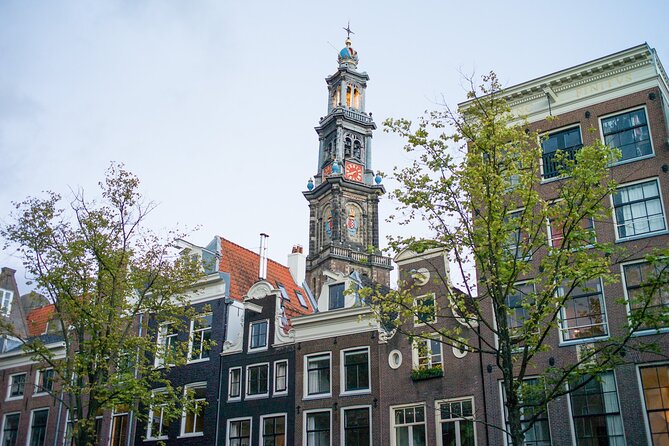
At Magna Plaza, you learn about the importance of the former post office. The big point is how a practical building can reflect the city’s role as a communications and commerce hub. You’ll see why repurposed places still carry identity, even when the function changes.
Then comes Westerkerk, described as the biggest church of Amsterdam, with historic connection to the Jordaan area. This is one of the stops that makes you start imagining the city as neighborhoods, not just landmarks. When you understand that kind of connection, the route feels like a guided map of Amsterdam’s social geography.
Westerkerk is also about 10 minutes, enough to grasp the significance and get your bearings for later exploring.
Anne Frank statue and the Jewish story of Amsterdam
The tour includes a Statue of Anne Frank, with time set aside to learn about Jewish history in Amsterdam and how Anne Frank and her family experienced their time here. Even if you don’t plan to visit any museum related to the story, this stop gives a necessary grounding.
The time is about 10 minutes, so again: listen for the meaning, not just the names. This stop helps you understand how Amsterdam’s story includes human stories of fear, hiding, and resilience—things that don’t live only in one building but across the city’s memory.
Practical note: if you’re specifically expecting a house visit as part of your day, keep your expectations flexible. One run described the Anne Frank house visit as having been missed without a replacement, so it’s worth having a Plan B for your Anne Frank interests.
Gay Monument: learning how LGBTQ+ Amsterdam became visible
Next you’ll see the Gay Monument, with a focus on the history of Amsterdam’s LGBTQ+ scene. This stop matters because it places LGBTQ+ history into the broader story of how Amsterdam changed over time—how communities formed, how visibility grew, and how public space can signal progress.
It’s about 10 minutes, which keeps it on track within the tour’s tight timing. If you want to go deeper afterward, this stop sets you up with the kind of context that makes later neighborhood wandering more meaningful.
Negen Straatjes and Spui: where your walk turns into your next day plan
The tour then heads toward 9 Little Streets (Negen Straatjes). This is where you get shopping tips from your guide so you can actually enjoy this area after the tour rather than just aimlessly drifting. Even if you’re not a shopper, the advice helps you find side streets and small lanes where the city feels more personal.
Then there’s Spui, where you’ll visit the historic Begijnhof. The key focus is reformation in Amsterdam and you’ll try to spot the hidden church inside. This is the kind of stop where a guide’s nudge makes a big difference—because the area’s quieter details can be easy to miss if you’re not looking for them.
Spui also gives you tips for hidden places to explore after the tour, which is perfect when you want to keep the day flowing without overplanning.
How the guide quality shows up in real details (Deborah, Justin, Josh, Stephanie, Marina)
This tour lives or dies on the guide. And the strongest versions of it have guides who explain the why behind each stop, not just the what. In the guide names highlighted for this experience—Deborah, Justin, Josh, Stephanie, Marina, and Justus—you can see a pattern: clear explanation and enough storytelling to keep you interested through the whole loop.
A few practical strengths stand out:
- The guide keeps questions flowing and answers them directly.
- The group pace can adjust to the slowest walker, so nobody feels like they’re sprinting for answers.
- People liked the details and the way the tour connects history to present-day customs.
- Food and local tips came up as especially helpful, which makes the walking tour feel like it’s setting you up for the rest of your stay.
If you’re traveling with a dog, this experience also notes it can be fine. That’s useful in a city where pet rules and comfort levels can vary.
Price and value: what $33.88 really buys you
At $33.88 per person, this tour isn’t expensive compared to the cost of paid attractions you’d otherwise piece together. The biggest value driver is that you pay nothing for admissions during the tour and that every stop is set up to be included without ticket surprises.
You’re also getting a 2-hour guided walking experience with a small group and language support. For many first-time visitors, paying for guidance once and then using that knowledge to explore the rest of Amsterdam is a smart money strategy.
One more value point: the route isn’t random. It mixes city origin, trade power, church significance, colonial-era context, and modern memory sites. That makes the guide’s time feel purposeful, not like a checklist.
Who should book this walking tour (and who might want a different style)
You’ll like this most if you want a clear introduction without committing to a full-day program. It works well for families since it’s stated as suitable for children and “most travelers” can participate.
It’s also a good pick if you care about balance. The route includes Jewish history and LGBTQ+ history, and it doesn’t avoid hard topics like colonial-era connections. At the same time, it stays manageable in length and keeps the focus on what you can process in a short window.
You may want something else if:
- You hate walking and don’t want a 3 to 4 km day on your feet.
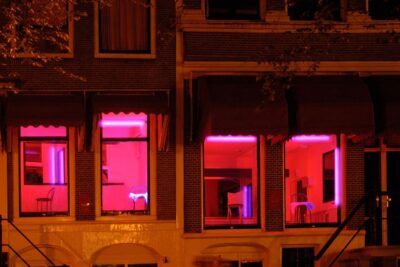
- You expect the red-light district to be covered in detail. This tour does not include it and only passes by the southern side.
- You want coffee shops visited. The coffee shop is explicitly not part of the experience.
Should you book Amsterdamliebe Cultural Highlights?
Yes, if you want a compact, guided way to connect major Amsterdam sites to the stories behind them, this is an easy yes. The combination of free admissions, a small group, and an end that feeds you practical tips for Negen Straatjes and Spui makes it feel like you’re not just sightseeing—you’re planning.
If your priority is deep museum time or long, slow neighborhood wandering, you might be better with a longer format tour or an itinerary built around one or two areas. But as a first introduction to the center of Amsterdam, this walk is a strong way to start.
Book it especially if you’re the type who learns faster with a guide talking in plain terms while you’re actually seeing the places.
FAQ
How long is the Amsterdam Cultural Highlights walking tour?
It lasts about 2 hours.
How much walking is involved?
The walking tour covers about 3 to 4 kilometers, so comfortable shoes are important.
Where does the tour start and end?
The tour starts at National Monument, Dam, 1012 JS Amsterdam, Netherlands, and it ends back at the meeting point.
Are there admission fees for the sights?
No. You won’t have to pay admission fees during the tour, and all sights can be visited for free.
Does this tour include the red-light district or a coffee shop stop?
It does not include the red-light district and will only pass by the southern side. The coffee shop will not be visited.
What language is the tour offered in?
This tour is offered in German, English, or Italian, and the additional info for this specific listing states it is in German.