REVIEW · AMSTERDAM
Amsterdam: Architektur Er-fahren
Book on GetYourGuide →Operated by Herzblut Amsterdam Stadtführungen · Bookable on GetYourGuide
Architecture clicks when you pedal. This Amsterdam Architektur Er-fahren ride mixes classic canal-life with today’s bold building ideas, so you start seeing the city as a living design problem solved on the water and on tight ground. I especially loved how the tour connects historic canal houses with newer projects, so the contrasts feel logical instead of random.
I also liked the human side: the German guide brings lots of information and plenty of fun, with stories about everyday life in the Netherlands and the central role of water. In a small group (limited to 10), it’s easy to ask questions and actually use what you learn on other buildings while you’re still in Amsterdam.
One consideration: you need to be comfortable riding a bike, and there’s no hiding from weather since it runs rain or shine. Plus, bike hire isn’t included, and you’ll still want your own functional, roadworthy bicycle.
In This Review
- Key highlights at a glance
- Why Amsterdam’s Architecture Makes Sense From Two Wheels
- Starting at Beursplein/Damrak: The Ride Begins Before You See Much
- Following the IJ to Amsterdam Central Along the Water
- Canal Houses and Warehouses: Learning to Read the Old City
- Industrial Meets Picturesque: The Contrast That Explains Amsterdam
- New Builds and Award-Winning Ideas: Architecture Solving Water and Land Problems
- Admiring Houseboats and Exploring the Amsterdam Western Islands
- What You Really Learn: Dutch Life, Water Stories, and Transferable Architecture Thinking
- Comfort, Rules, and the Bike Reality Check
- Price and Value: Does $46 Buy Real Meaning?
- Who Should Book This Architecture Er-fahren Tour (and Who Might Skip)
- FAQ
- FAQ
- Where does the tour start?
- How long is the bike tour?
- What language is the guide speaking?
- How big is the group?
- Is bike hire included in the price?
- Does the tour run in bad weather?
- What should I bring?
- Is it okay if I don’t have my own bike?
- Is there anything I’m not allowed to do during the tour?
Key highlights at a glance
- Canal houses meet modern architecture: you’ll learn how to spot design choices in both old and new Amsterdam.
- Water-first cycling route: you ride along the water for big views and easier context.
- Industrial versus picturesque: the tour highlights sharp contrasts in building style and purpose.
- Houseboats up close: you get to see how living actually works on the canals.
- Western Islands viewpoint: the route expands beyond the classic center into Amsterdam’s evolving edges.
- Function and design in one story: you’ll connect architecture to real constraints like water, land, and growth.
Why Amsterdam’s Architecture Makes Sense From Two Wheels
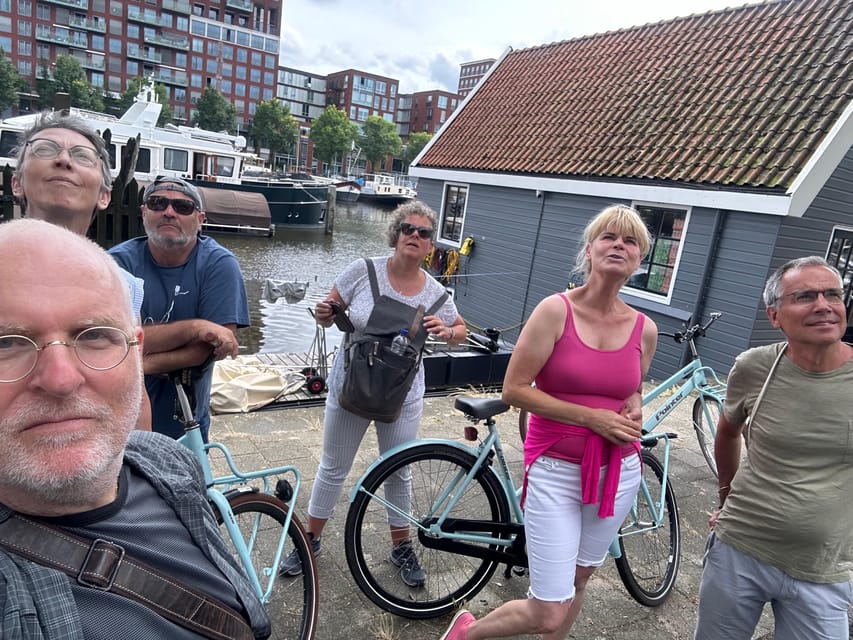
Amsterdam can look like it’s all postcards. But the minute you cycle, you notice how much of the city is built around real constraints: water levels, soft ground, changing needs, and a population that keeps growing. This tour turns that “why is everything like this?” feeling into a clear architecture story you can repeat while you walk around later.
What I like is the tour’s built-in logic. You’re not just chasing pretty facades. You’re learning to interpret the city: how canal houses function, how warehouses once worked, why certain new builds answer modern needs, and how design tries to balance social housing demands with higher-end living. The result is a city that feels more human and more engineered at the same time.
And because you’re moving—slow enough to absorb details, fast enough to cover ground—you start linking what you see across neighborhoods. Historic and modern don’t fight each other here; they explain each other.
You can also read our reviews of more tours and experiences in Amsterdam.
Starting at Beursplein/Damrak: The Ride Begins Before You See Much
You meet your guide at Beursplein/Damrak, and the easiest way to spot them is the black and white striped band around their neck. That matters more than you’d think on a cycling tour, because Amsterdam has lots of corners and lots of foot traffic. Once you’re grouped up, you’re ready to roll.
The tour runs for about 2.5 hours, so it’s long enough to build a strong “before/after” architecture impression, but short enough that you won’t feel trapped in one neighborhood. The group stays small (up to 10 participants), which keeps the pace comfortable and makes it easier for the guide to share stories without turning it into a lecture.
A practical note: you’ll want comfortable shoes and clothes for the weather. You’ll also want water, because you’re outdoors the whole time and Amsterdam cycling can sneak up on you even when the weather looks mild.
And yes, bring your own bike if you’re not renting. The tour specifically asks for a bicycle that’s functional and roadworthy.
Following the IJ to Amsterdam Central Along the Water
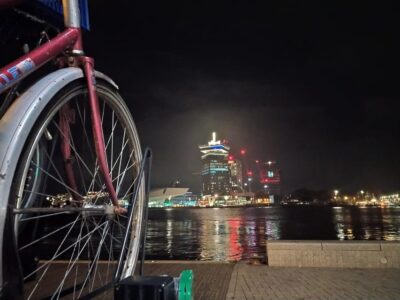
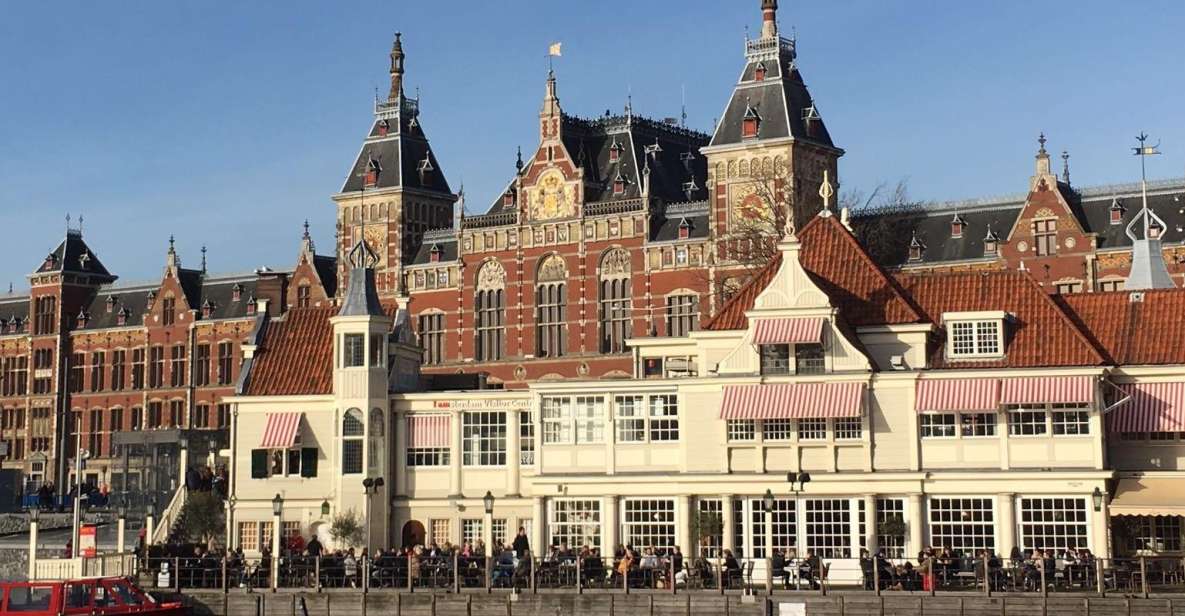
From Beursplein/Damrak, the route heads toward the IJ and Amsterdam Central. Cycling along the water is more than scenic filler. It’s an architecture lens: you see how buildings and infrastructure line up with the shoreline, how the city handles space, and how different eras chose different relationships to the water.
On this part of the ride, you’ll get the “big picture” context. Amsterdam’s historic canals and warehouses aren’t isolated attractions—they’re part of a system that used waterways for trade, movement, and daily life. The modern side of the city then feels like a continuation of that same logic, just updated for today’s constraints and ambitions.
You’ll also start noticing that the tour keeps pointing you back to function. Even when a building looks bold, the guide steers you toward why it was built that way: structure, planning needs, and how people actually use space.
If you’re the type who likes to look at architecture but sometimes gets lost in style names, this is a good entry point. You’ll be learning a way to see.
Canal Houses and Warehouses: Learning to Read the Old City
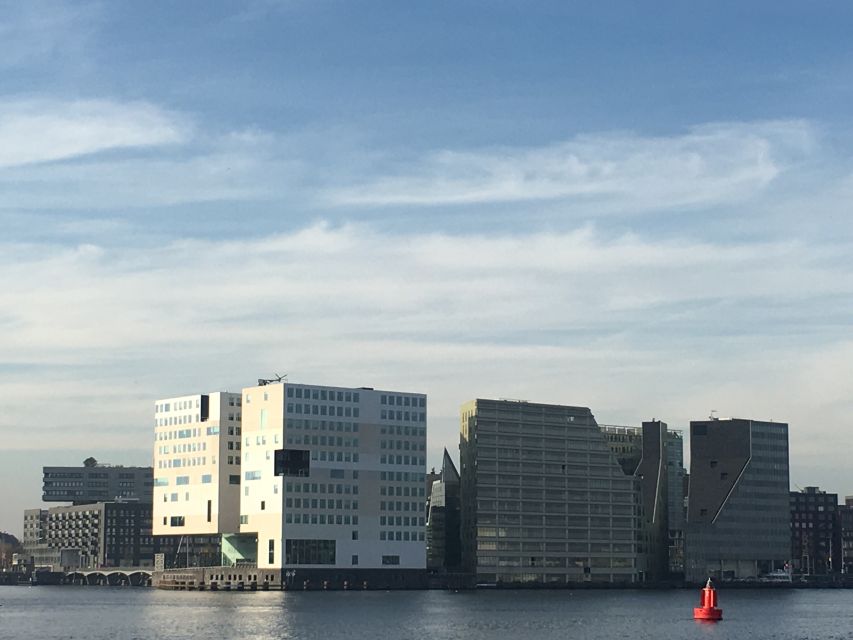
Once you’re back in the rhythm of canals and the built environment near Amsterdam Central, the tour focuses on historic structures—especially the canal houses and warehouses. These places can feel like they’re all one thing if you glance only at facades. But from a bike, you naturally pick up proportions, rooflines, spacing, and how buildings relate to the water edge.
You’ll learn how historic building choices reflect everyday needs. Canal houses weren’t just decorative. They were designed for life on narrow plots, with practical layouts shaped by the city’s space limits. Warehouses add another layer: they show how Amsterdam used industrial architecture for commerce, storage, and movement—built for heavy use, not for selfies.
One of the strengths of this tour is that you don’t just memorize facts. You take a handful of architectural “rules” the guide explains, and you can reuse them while you explore on your own. That’s exactly what makes the tour feel worth it, even after it ends.
Industrial Meets Picturesque: The Contrast That Explains Amsterdam
Amsterdam often gets marketed as charming and romantic. But architecture here also includes industry, repair, and real-world grit. This tour makes you see both in the same breath.
As you cycle, you’ll be shown contrasts between industrial areas and more picturesque architecture. The point isn’t to rank one as better. It’s to help you understand that the city has always had multiple identities running at once: trade and labor, luxury and necessity, old life and new ambitions.
This is also where the tour’s stories matter. When the guide explains how people lived with water and land constraints—plus how the city adapted under pressure from a rapidly growing population—the architecture stops feeling like a costume. It starts feeling like a response.
You’ll also get insights into the balance (and tension) between housing needs. Social housing and luxury housing aren’t kept in separate worlds here. You’ll see how planning and design try to handle both, sometimes side by side.

New Builds and Award-Winning Ideas: Architecture Solving Water and Land Problems
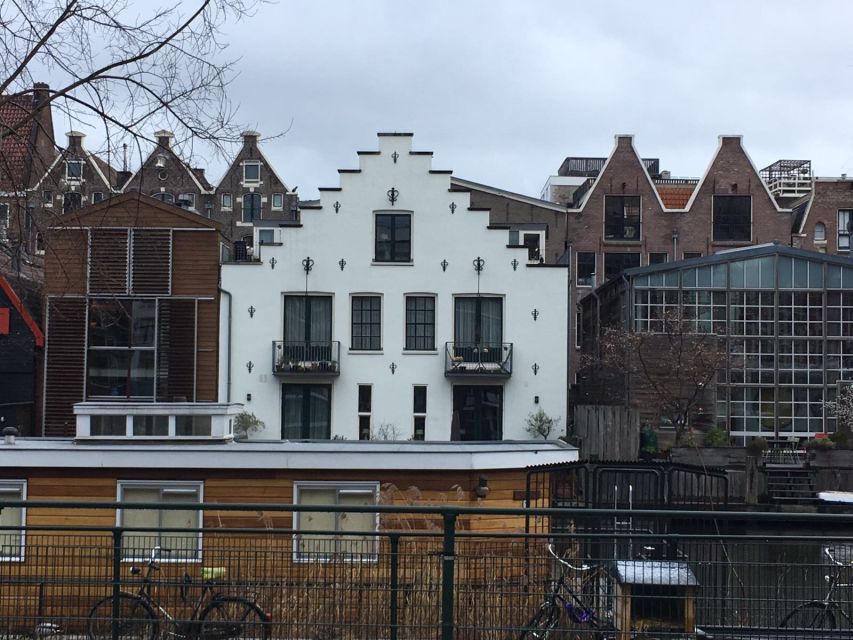
A big theme of the tour is modern architecture and innovative solutions in both function and design. That’s key because Amsterdam isn’t building on simple ground. The city has to work with water, and the land conditions can make development complicated.
So when you see newer projects, don’t just admire the look. Use the guide’s framework to ask: What problem is this design trying to solve? How does it deal with the reality of building in Amsterdam? How does it serve people differently than older structures?
The route highlights the jump from traditional canal-house thinking to newer, award-winning construction concepts. Even without getting lost in project names, you can still learn how modern Amsterdam approaches space, housing, and infrastructure.
This is also where you’ll notice how design and function overlap. Newer buildings often communicate their purpose more directly: they can be clearer about circulation, more efficient about land use, and more responsive to how people live today. When the guide connects those choices to constraints like water and growth, the city feels less like a design museum and more like an ongoing engineering and social project.
Admiring Houseboats and Exploring the Amsterdam Western Islands
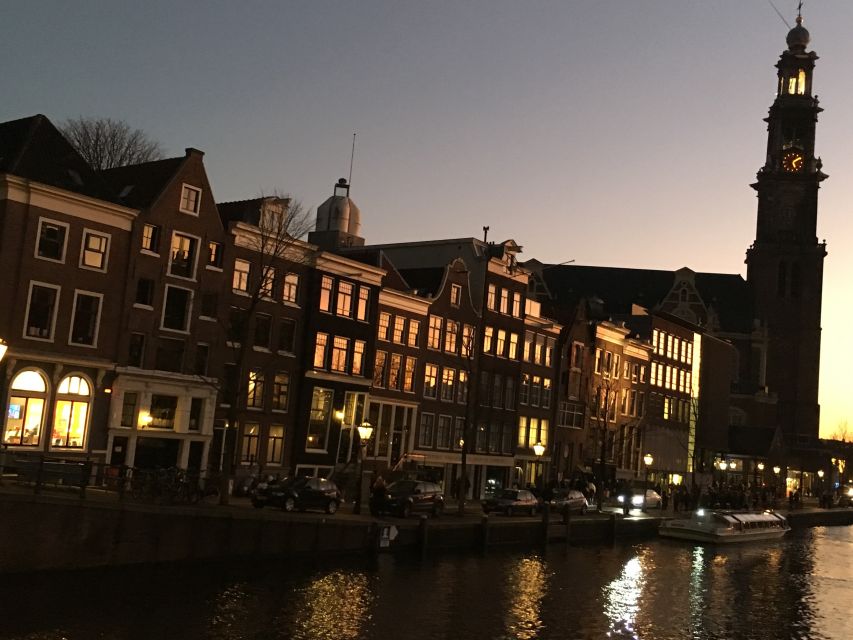
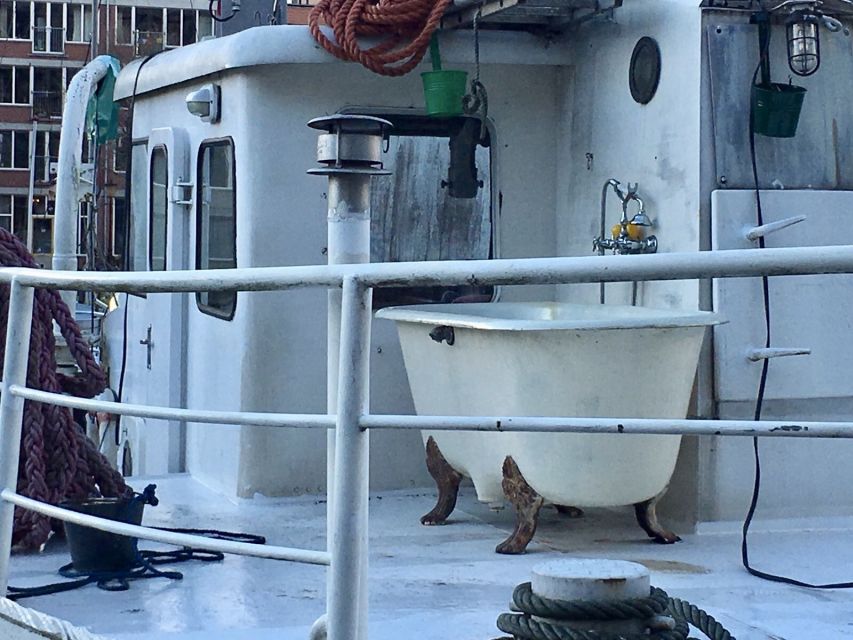
Houseboats are one of those Amsterdam elements that look simple until you start thinking about how they work. During the tour, you’ll admire the houseboats and understand them as part of the city’s water-life system, not just a quirky view.
Then the itinerary expands to the Amsterdam Western Islands. This is where the tour gives you perspective beyond the classic central scenery. The Western Islands feel different because they show Amsterdam’s edges and ongoing development. It’s easier to understand how the city grows when you’re not only stuck inside the historic center.
From here, you’ll keep seeing the same architectural logic—design responding to function, space, water, and people—but expressed in a wider range of settings. The viewlines and cycling feel more spacious, too, which helps you process what you’re seeing.
If you’re someone who likes to photograph, this is the part where photos finally match your understanding. Instead of random shots, you’ll capture the “why” behind the look: water relationships, building massing, and the mix of old and new around the city’s evolving coastline.
What You Really Learn: Dutch Life, Water Stories, and Transferable Architecture Thinking
The tour isn’t only about architecture terms. It’s about how Amsterdam became Amsterdam, with water at the center of daily life and city planning.
Expect stories about general life and history in the Netherlands—often in a way that connects back to what you’re seeing on the street or waterfront. The tone is also friendly. One consistent point from the experience is how much people laugh during the ride, which tells you the guide isn’t just reciting facts.
Here’s the practical value: you leave with a better way to look at buildings. You learn what to notice first—proportions, relationship to water, signs of how buildings were meant to function, and the social purpose behind housing. Then, when you later walk through the city on your own, you can apply that lens to other neighborhoods.
In short, it turns architecture from something you admire into something you can actually interpret.
Comfort, Rules, and the Bike Reality Check
This is a proper biking tour. So before you book, be honest about your riding comfort—this is not for people who can’t ride a bike.
Because it happens rain or shine, your clothing matters. Dress for the weather and keep your shoes comfortable for a long pedal session. The tour also asks you to have a functional bicycle that’s roadworthy, which is a bigger deal than it sounds in Amsterdam’s cycling conditions.
Group size helps comfort. With a maximum of 10 participants, you’re not stuck in a huge pack. Still, you’ll want to pay attention during stops and keep your pace consistent.
Also, alcohol and drugs are not allowed. That’s part of the reason these tours stay smooth and safe.
And don’t forget: food and drinks aren’t included. If you’re biking at this point in your trip, plan for a meal before or after.
Price and Value: Does $46 Buy Real Meaning?
At around $46 per person for about 2.5 hours, the value is mostly about the guided perspective. You’re paying for someone to connect dots across architecture eras—classic canals, warehouses, modern design, innovative responses to water and land conditions, and the contrast between different types of buildings and housing needs.
If you were to try to build this understanding solo, you’d likely end up with a pile of photos and a vague sense of “pretty and different.” The tour gives you the framework that makes the city click.
Two costs to factor in:
- Bike hire isn’t included. You may rent bikes from shops, but the tour price doesn’t cover it.
- No food or drinks are included. You’ll want to plan a snack or full meal around the tour.
If you already have a bike or can rent easily, this becomes a straightforward buy for guided interpretation. If you’re without a bike, calculate the extra rental cost before you decide.
Who Should Book This Architecture Er-fahren Tour (and Who Might Skip)
This tour is a strong fit if you:
- want architecture you can understand, not architecture you just observe
- like mixing historic city scenes with modern design
- enjoy learning with a real guide and a small group pace
- are comfortable cycling for 2.5 hours
It’s less ideal if you:
- can’t ride a bike confidently
- hate cycling outdoors in changing weather
- prefer food-included tours (since you’ll need to sort meals separately)
If you’re building your Amsterdam trip around both sightseeing and context, this is one of the best ways to upgrade your “what am I seeing?” question into something you can answer.
FAQ
FAQ
Where does the tour start?
The meeting point is Beursplein/Damrak. You should look for the guide wearing a black and white striped band around their neck.
How long is the bike tour?
The duration is 2.5 hours.
What language is the guide speaking?
The tour guide speaks German.
How big is the group?
It’s a small group, limited to 10 participants.
Is bike hire included in the price?
No. Bike hire is not included in the price.
Does the tour run in bad weather?
Yes. The tour takes place rain or shine. Dress for the weather.
What should I bring?
Bring comfortable shoes, water, and weather-appropriate clothing. You should also bring whatever you need to stay comfortable during outdoor cycling.
Is it okay if I don’t have my own bike?
You can rent a bike since bike hire is not included. If you use your own bike, it needs to be functional and roadworthy.
Is there anything I’m not allowed to do during the tour?
You must not participate under intoxication, and alcohol and drugs are not allowed.